
Why do companies ghost candidates after interviews? The reasons
Key takeaways
- More than 25% of hiring managers admit to ghosting a candidate after an interview, per a Wrike survey.
- The top reasons: perceived unprofessional behavior (48%), a stronger candidate chosen (40%), and no time (40%).
- Nearly 9 in 10 candidates expect to hear back within one to two weeks, so silence stings.
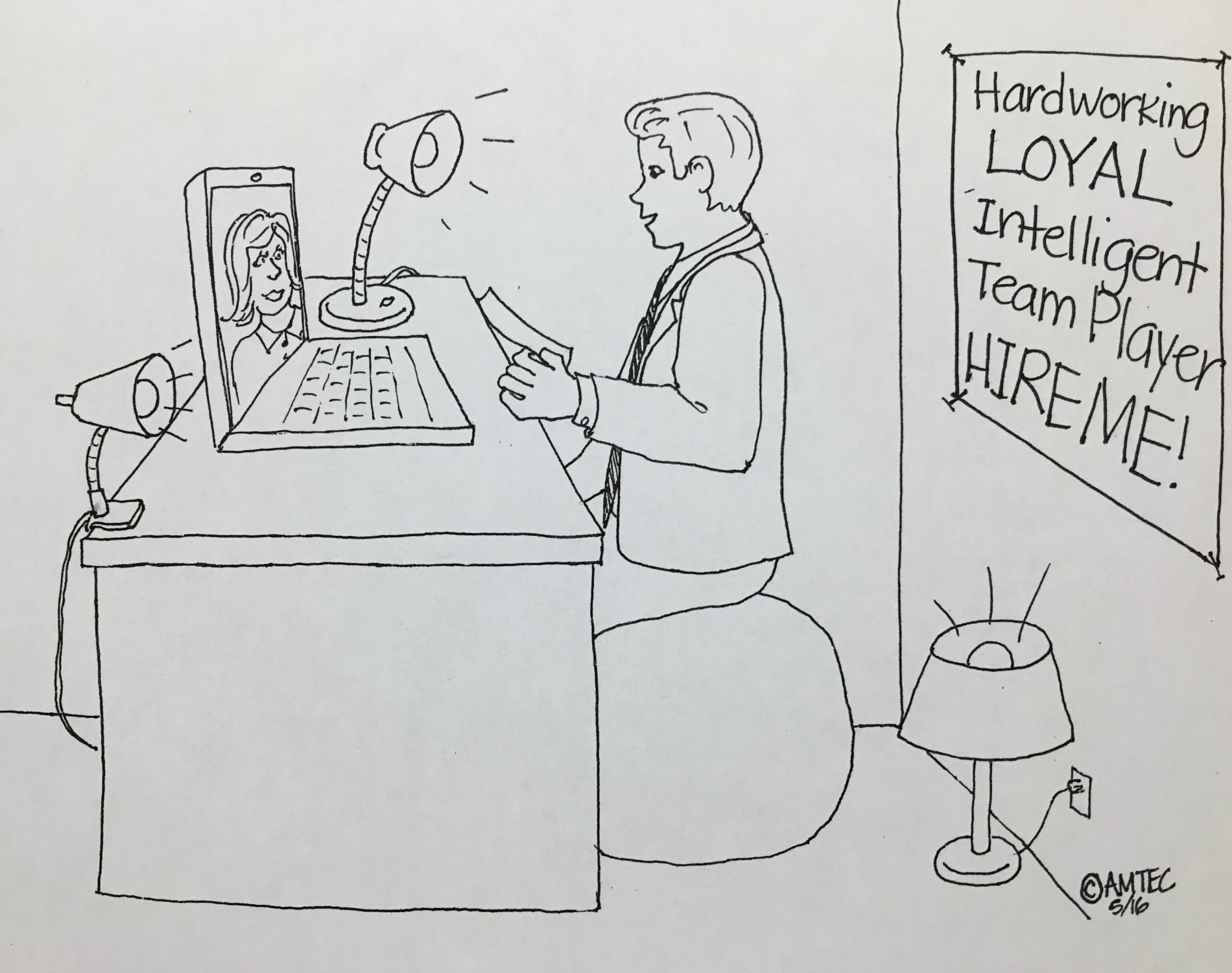
What employer ghosting means
Ghosting here means one specific thing: a company goes silent after interviewing a candidate. It is not about unanswered online applications. As HR Daily Advisor defines it, this is about failing to get back to someone after they have sat for an interview with the company.
The numbers show how common it is. A report from hiring platform Greenhouse found that just under half, 45%, of candidates have been ghosted after an initial conversation with a recruiter. Wrike surveyed more than 1,000 active job seekers and more than 500 hiring decision-makers. It found that over 25% of hiring managers admitted to ghosting someone during the interview process, while 62% of job seekers reported being ghosted after an interview.
This article takes a closer look at why companies ghost candidates after interviews. It covers what the data says, the reasons hiring managers give, why the practice persists, and what candidates can actually do about it.
The scale of the problem
Candidate expectations make ghosting worse. Nearly nine in 10 candidates, 88%, said they expected to hear back from companies within one to two weeks of their initial application, according to the Greenhouse research reported by HR Magazine. When two weeks pass in silence, most candidates read it as rejection, but an ambiguous one.
The practice also carries a bias signal. The Greenhouse report found that candidates from historically underrepresented backgrounds are 62% more likely to be ghosted after a job interview than white candidates. That finding complicates the common story that ghosting is always accidental or neutral.
Ghosting cuts both ways in the data. Robert Half surveyed more than 2,300 senior managers in the US and found that 39% said candidates cutting off communication is more common now than two years ago. Employers feel ghosted too.
But this article focuses on the employer side, which candidates experience as the more painful direction.
The reasons hiring managers give
The Wrike data asked hiring managers directly why they go silent. The answers, reported by HR Daily Advisor, are blunt.
Unprofessional behavior (48%). Nearly half said the applicant displayed unprofessional behavior. This covers a wide range: rude emails, sloppy applications, or poor interview conduct. Whether the judgment is always fair is another question, but it is the most cited reason.
A better candidate was found (40%). Four in 10 said they found a more qualified candidate and moved on. This is the reason that frustrates job seekers most. It takes one short email to close the loop, and many hiring managers skip it anyway.
No time (40%). Four in 10 said they did not have time to respond to every candidate. Recruiting teams have been hit by the same rounds of layoffs as everyone else. Many now run as skeleton crews facing hundreds of applications. As YourTango's reporting on the Wrike study notes, professionals are spread so thin that if a candidate has not made themselves memorable, some hiring managers simply move on without closing the loop.
The candidate went quiet first (32%). About a third said the candidate was unresponsive to communication attempts. In these cases the silence is mutual, though the candidate may not realize the employer was waiting on them.
Beyond the survey numbers, employers cite awkwardness. Kate Garbett, vice president for SMEs at Adecco Group, told HR magazine that ghosting happens because of "time pressures, uncertainty about the candidate's fit for the role or the viability of the role itself, simply forgetting to close the loop, or just not knowing what to say."
She added that there is little justification for it: "It's an unprofessional practice that can damage both a recruiter's and a company's reputation and, more importantly, significantly affect a candidate's morale and motivation."

Why the practice persists
Ghosting survives because the incentives are misaligned. For the hiring manager, sending a rejection email has no upside and a small risk: an argument, a bad review, an awkward reply. For the candidate, that same email has real value: closure, feedback, and a timeline.
Internal chaos plays a role too. Roles get frozen, budgets change, and headcount approvals vanish mid-process. A candidate can be perfect and still hear nothing because the job itself disappeared.
In those cases, nobody owns the job of telling the candidate.
Technology has not fixed it. Applicant tracking systems can automate rejection emails, but many companies never set the automation up, or they leave candidates in a "maybe" pile that nobody revisits. The result is silence by default rather than silence by decision.
The reputational cost is real but delayed. A ghosted candidate tells friends, and those friends may be future applicants. HR Daily Advisor notes that a company that does not show basic respect for applicants may not rank high on a worker's list of places to work.
The damage shows up in the next hiring round, not this one.
What candidates can do
You cannot control whether a company replies. You can control how exposed you are to the silence.
Set your own deadline. Give the company the timeline they promised, plus a few days. If they said two weeks, follow up once at two weeks. If nothing comes back, move on mentally at three. Waiting in hope is the most expensive option.
Follow up once, well. A short, polite check-in keeps the door open. Job seekers preparing for the next round can review how to follow up after an interview without being annoying for the exact tone to use.
Ask about timelines in the interview. "When should I expect to hear back, and who will contact me?" is a normal question. Wrike found that 58% of hiring managers look for a growth mindset in candidates, and asking structured questions about the process is part of looking engaged. Candidates who want to stand out can study the STAR method for interviews and the questions hiring managers remember.
Keep the pipeline full. The candidates who suffer most from ghosting are the ones with one iron in the fire. Networking beats applying online partly because warm introductions come with human accountability. A referral rarely goes completely silent.
Read the signals. Multiple rescheduled interviews, a shrinking role description, or a recruiter who goes quiet between rounds often predict post-interview silence. None of these prove anything, but together they suggest keeping expectations low and applications flowing.

Frequently asked questions
How long should I wait before assuming I was ghosted?
If the company gave a timeline, wait that long plus three to five business days. If they gave none, two weeks of silence after an interview is a reasonable point to move on mentally. Send one follow-up first, so you know you did your part.
Should I follow up more than once?
One follow-up is professional. Two is acceptable if the first went unanswered after a week and you genuinely want the role. Beyond that, repeated messages rarely change the outcome and can work against you.
Is it legal for companies to ghost candidates?
In most places, yes. Employers are generally not legally required to notify unsuccessful candidates, though some jurisdictions have rules for certain hiring stages. The issue is professional courtesy and reputation, not law.
Does ghosting mean I did badly in the interview?
Not necessarily. The Wrike data shows the top reasons are about the employer's process: a chosen candidate, no time, or a frozen role. Unprofessional behavior is cited most, but "unprofessional" in a survey can mean anything from a missed email to a bad fit call.
Do not rewrite your whole approach based on silence alone.
The bottom line for job seekers
Employer ghosting is common, measurable, and mostly about the employer's bandwidth and process rather than your worth. Over a quarter of hiring managers admit to it, and nearly half of candidates have experienced it.
The practical response is unglamorous: follow up once, keep applying, and build a pipeline that does not depend on any single company. Building a portfolio with no clients yet and handling a difficult boss while job hunting are skills for the same long game. Silence from one employer is data about that employer, not a verdict on you.
Related stories

How to Ask for a Raise With Data, Not Emotions
Ask for a raise with market data and documented results, not emotions. Research your rate from BLS wage tables, build an evidence file, run

How to Explain a Career Gap on Your Resume Honestly
A career gap is not a red flag if you explain it honestly: give a reason, show what you did, and point forward. Recruiters reveal the exact

How to Switch Careers at 30 With No Experience in the Field
A career change at 30 means repackaging a decade of transferable skills, not starting over. Map your skills, earn one certification,