
Parenting
What Is the Difference Between a Tantrum and a Meltdown?
A tantrum is goal-driven and controlled; a meltdown is an overwhelmed nervous system. Learn the signs that tell them apart and the right
 Monday, October 12, 2026
The latest parenting explainers on Rive News: sourced, human-written guides. Browse topics or read the newest stories below.
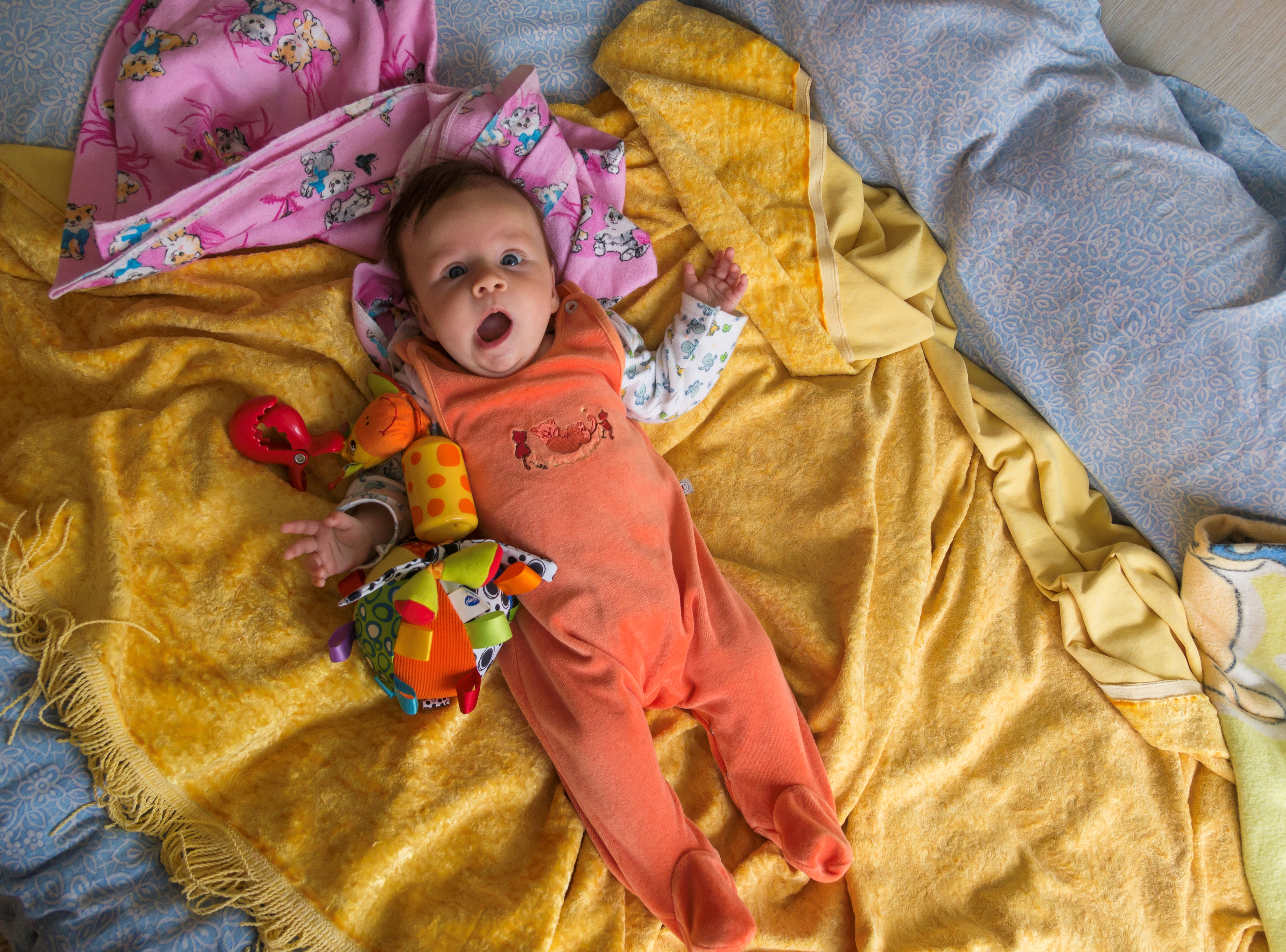
Babies cry when you leave the room due to separation anxiety, which starts at 8 months and peaks at 10 to 18 months. Here is why it happens and what helps.
A tantrum is goal-driven and controlled; a meltdown is an overwhelmed nervous system. Learn the signs that tell them apart and the right

Kids save their worst behavior for parents because home feels safest, research shows. Inconsistent boundaries add fuel. Here is what helps

Kids can start lying as young as age 2, with lies growing more convincing by ages 4 and 8. Here is why children lie, when it is normal,

Toddlers bite for developmental reasons like teething, frustration, and curiosity. Here is why children ages 1 to 3 bite, and how you can

A toddler melts down over the wrong color cup because their prefrontal cortex is still developing and routine changes feel enormous. Learn

Toddlers throw food to test cause and effect and signal they are done. Experts explain the developmental causes and the calm responses that
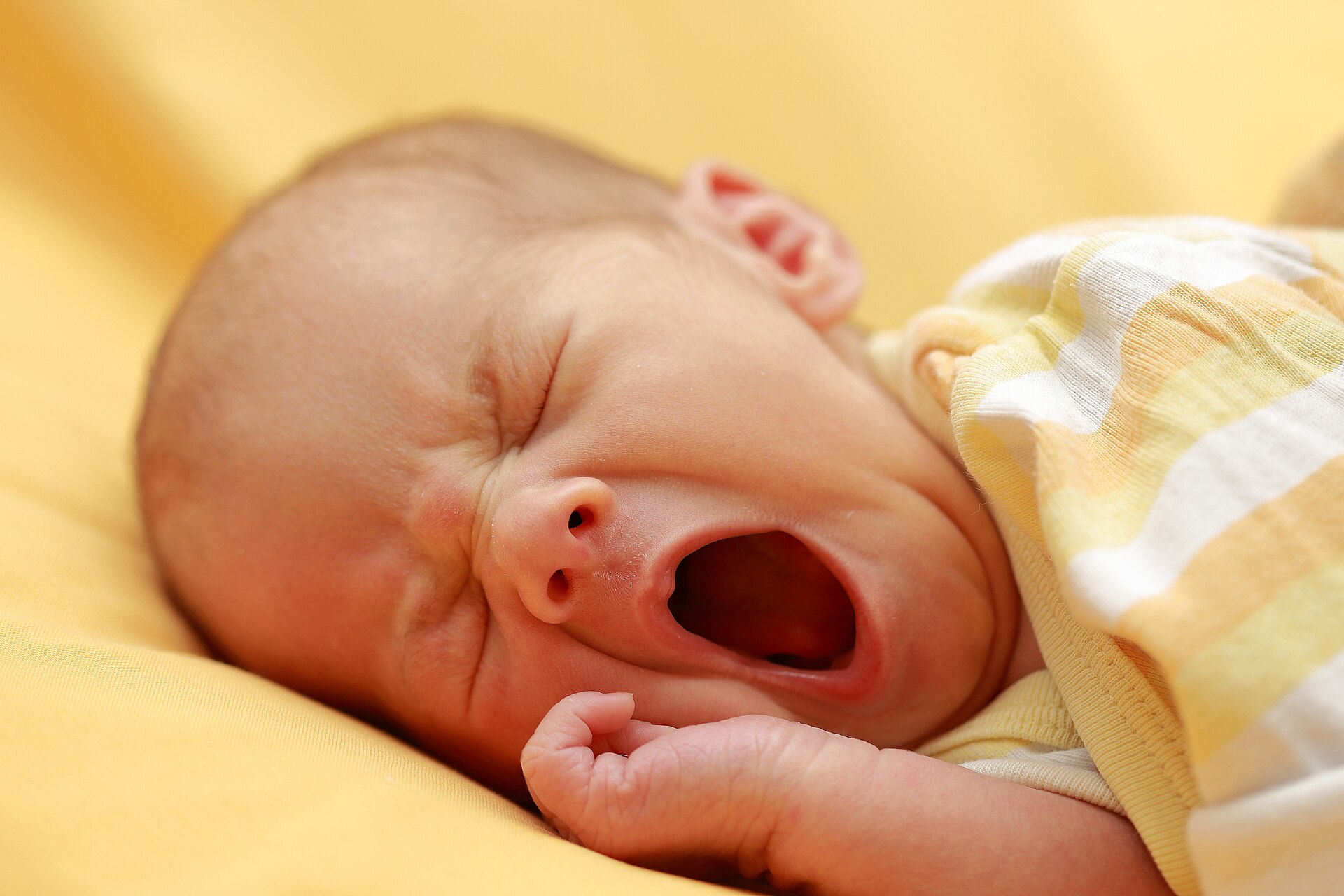
Babies mouth objects because their mouths carry the most nerve endings of any body part. Why it is normal, when mouthing stops, and how

Time-out briefly removes a child from stimulation, one minute per year of age. Time-in keeps a parent close to coach big feelings. And when
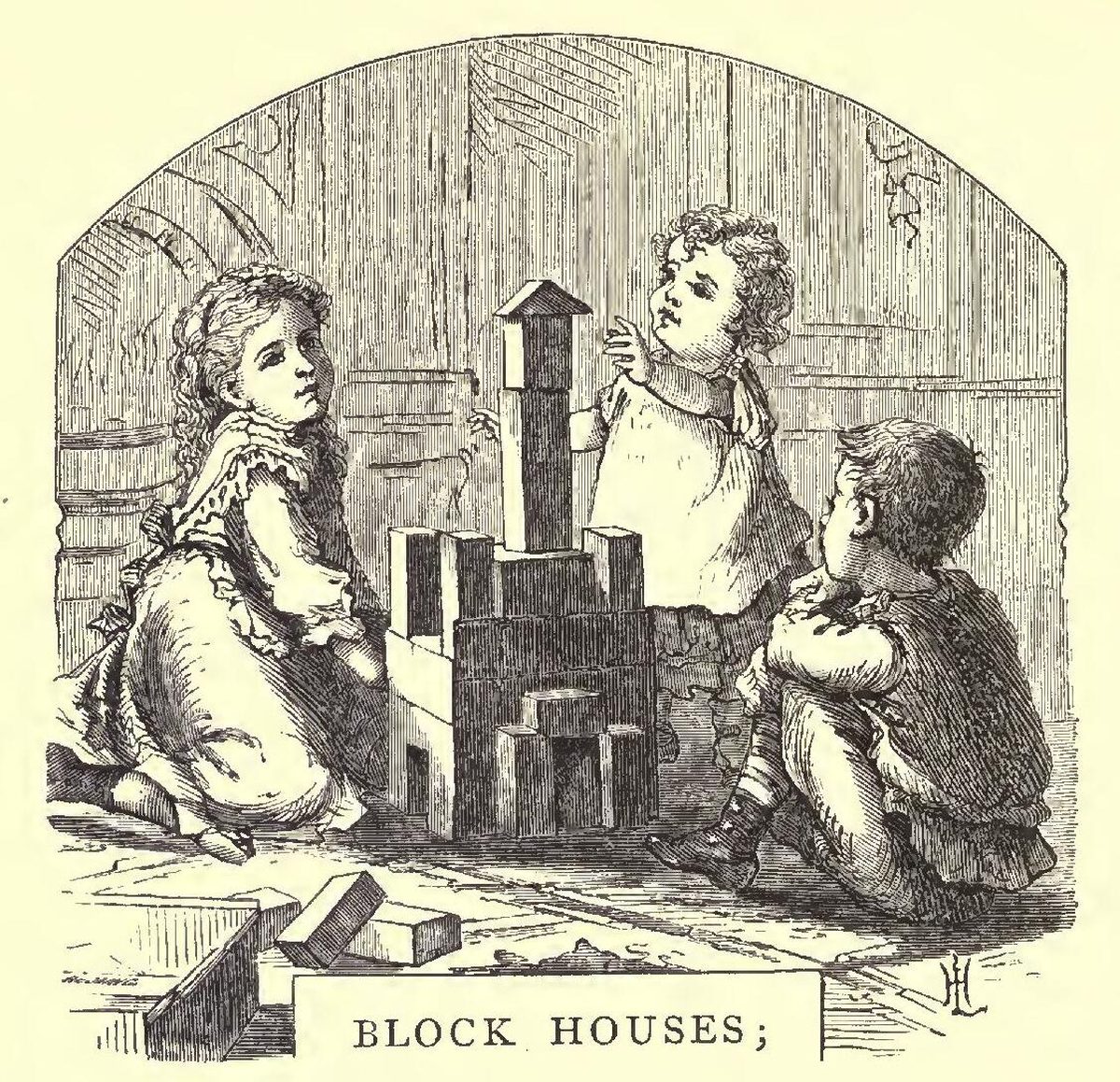
Parallel play is when toddlers play side by side without playing together. What it looks like, why it matters, and where it fits

Preparing a child for a new sibling takes honest talk, special helper jobs, and books like Mercer Mayer's The New Baby, plus patience

Siblings fight over parental attention, fairness, and identity, research shows. Here is why it happens, when it helps development, and what

Babies typically get their first tooth between 6 and 10 months. Learn the month-by-month teething timeline, real symptoms, and myths

Baby-led weaning and purees produce similar growth by 12 months, a 2026 study of 150 infants found. Readiness signs, pros, cons, and safe

Kids ask why constantly because they want real explanations, per a 2009 University of Michigan study of 42 preschoolers. The why phase
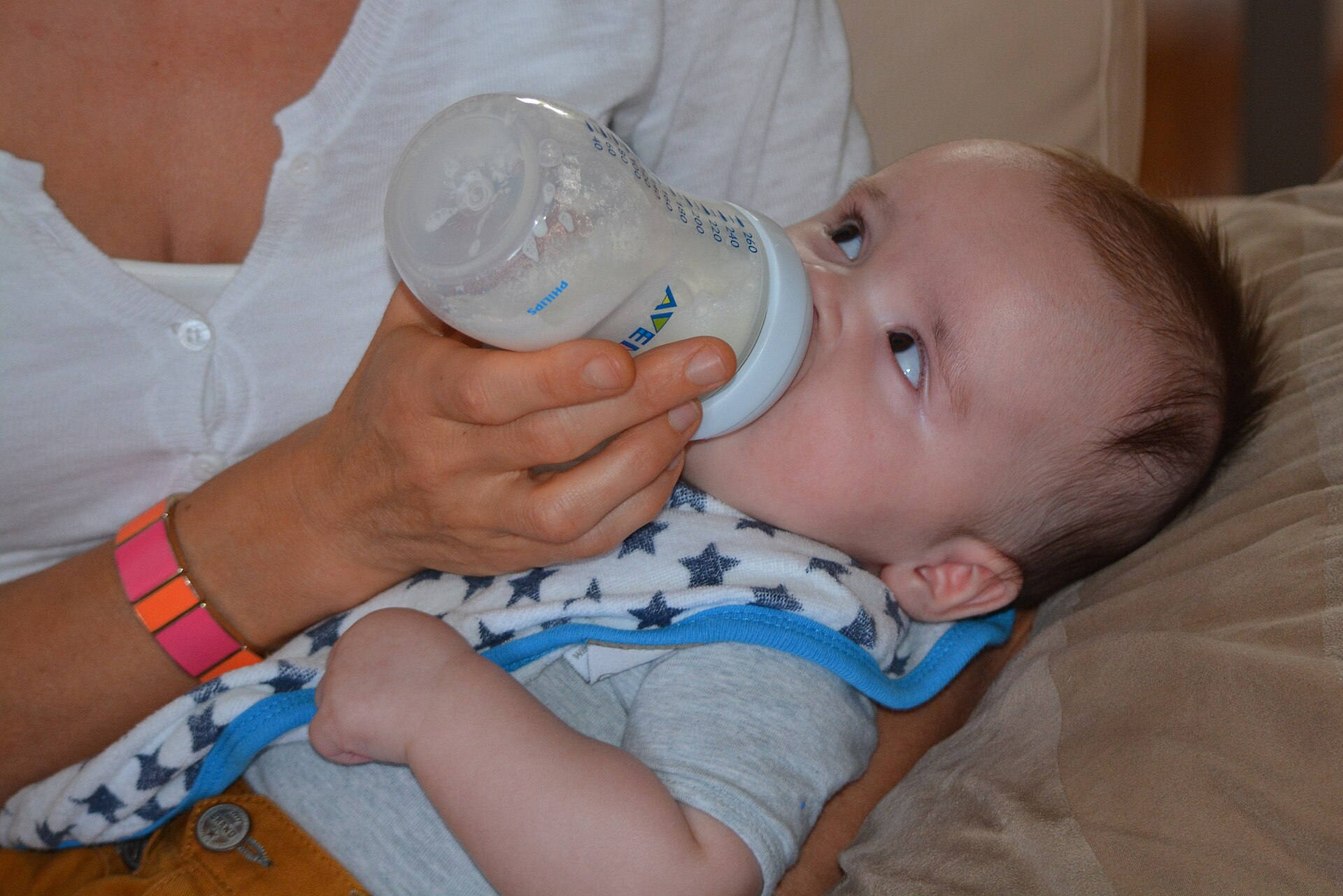
Most babies can drop night feeds between 4 and 6 months. Learn the readiness signs, a gentle two-week method, and how to keep daytime

The witching hour is the fussy evening stretch most newborns hit daily. Why overtiredness, cluster feeding, and overstimulation stack up

Most babies sleep through the night between 3 and 6 months, with regressions at 4 and 8 to 10 months. See the month-by-month table

Newborns wake when put down as the startle reflex, light sleep, and lost warmth hit at once. It is normal and peaks early, fading

Tantrums peak between 18 and 36 months as the brain learns self-control. Co-regulation works: stay calm, name the feeling, hold

Most six-month-olds take three naps a day inside 2 to 3 hour wake windows. Here is the schedule, why it works, and how to spot when a nap

The AAP says no screens before 18 months except video calls, and one hour a day for ages 2-5. Here is what the guidance says and where

Toddlers say no to everything because autonomy kicks in around age 2. Child development experts explain the brain science and the responses

A wake window is how long a baby can stay awake between naps: 45-60 minutes for newborns, stretching to 5-6 hours by age two. The full

Around 4 months a baby's brain rewires sleep into adult-like 45-minute cycles with light sleep between them. What is really happening