Gardening
Why Houseplant Leaves Turn Yellow and Drop One by One
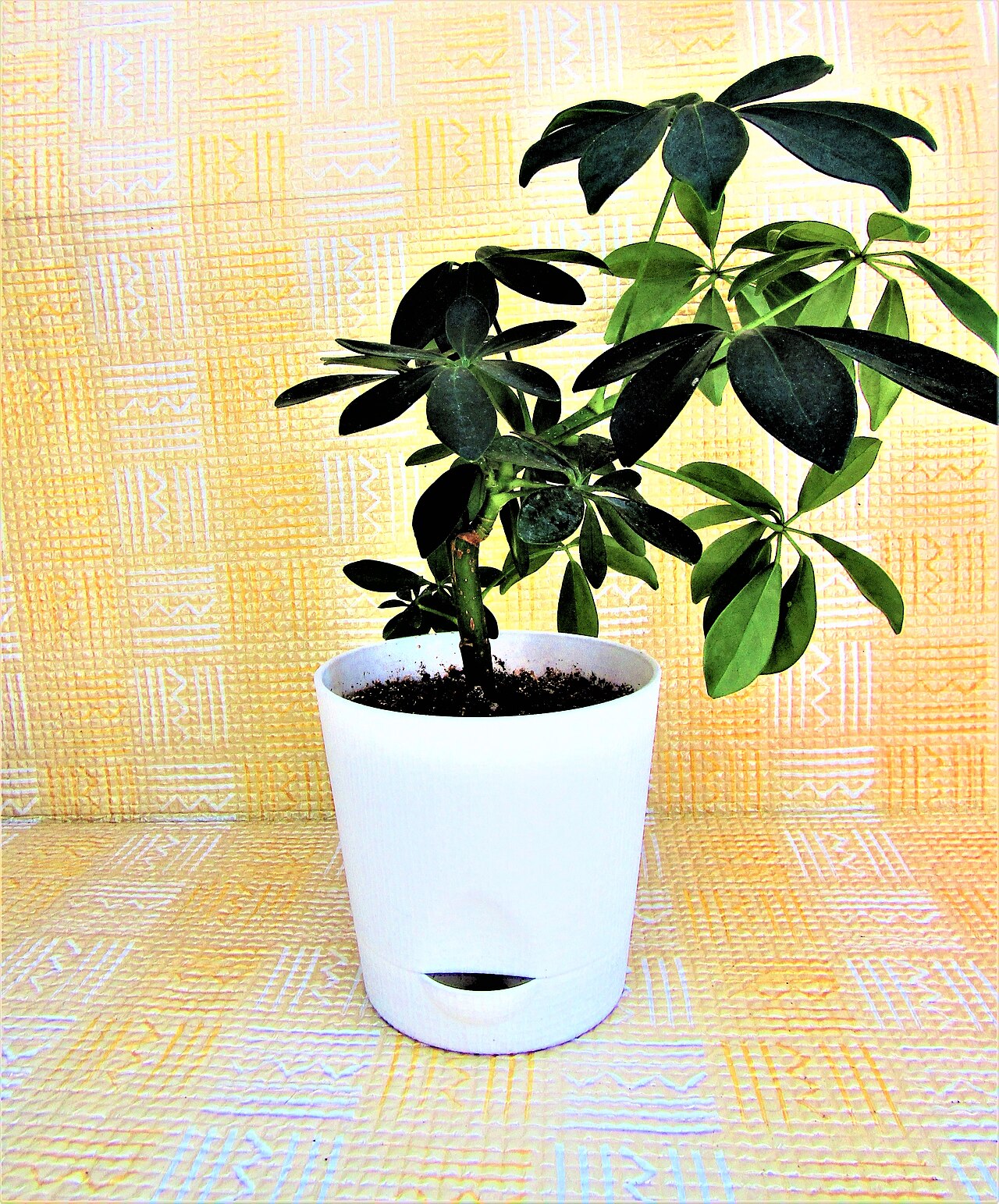
Leaves that yellow and drop one by one are often aging naturally, but widespread yellowing points to overwatering. Here is the pattern test
 Monday, October 12, 2026
The latest gardening explainers on Rive News: sourced, human-written guides. Browse topics or read the newest stories below.
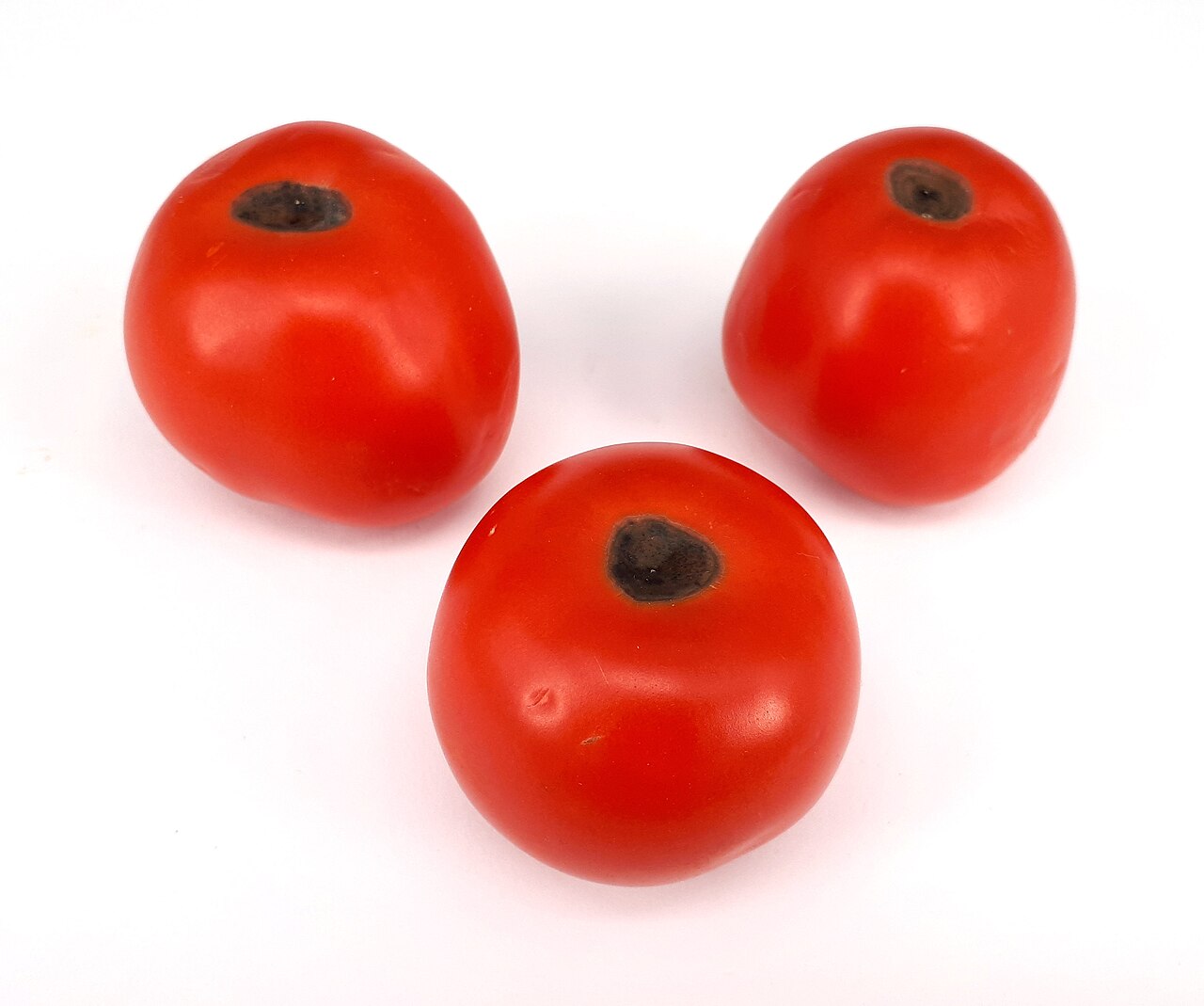
Blossom end rot is a calcium-delivery failure, not a disease. Uneven watering blocks calcium from reaching the fruit's blossom end first, turning it black.
Leaves that yellow and drop one by one are often aging naturally, but widespread yellowing points to overwatering. Here is the pattern test
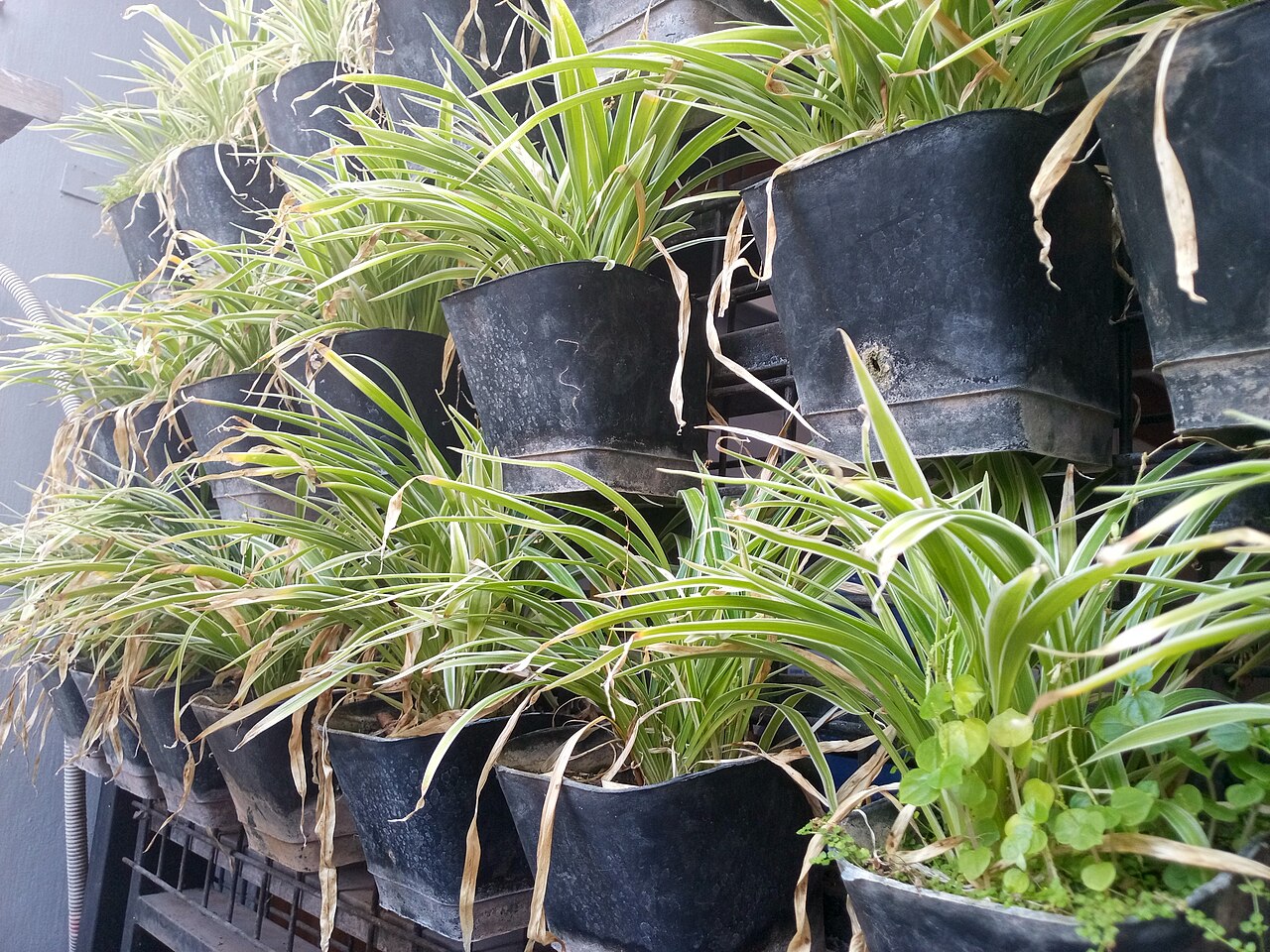
Brown leaf tips usually mean low humidity, fertilizer salts, or fluoride in tap water. Here is how to match the cause to your plant and fix
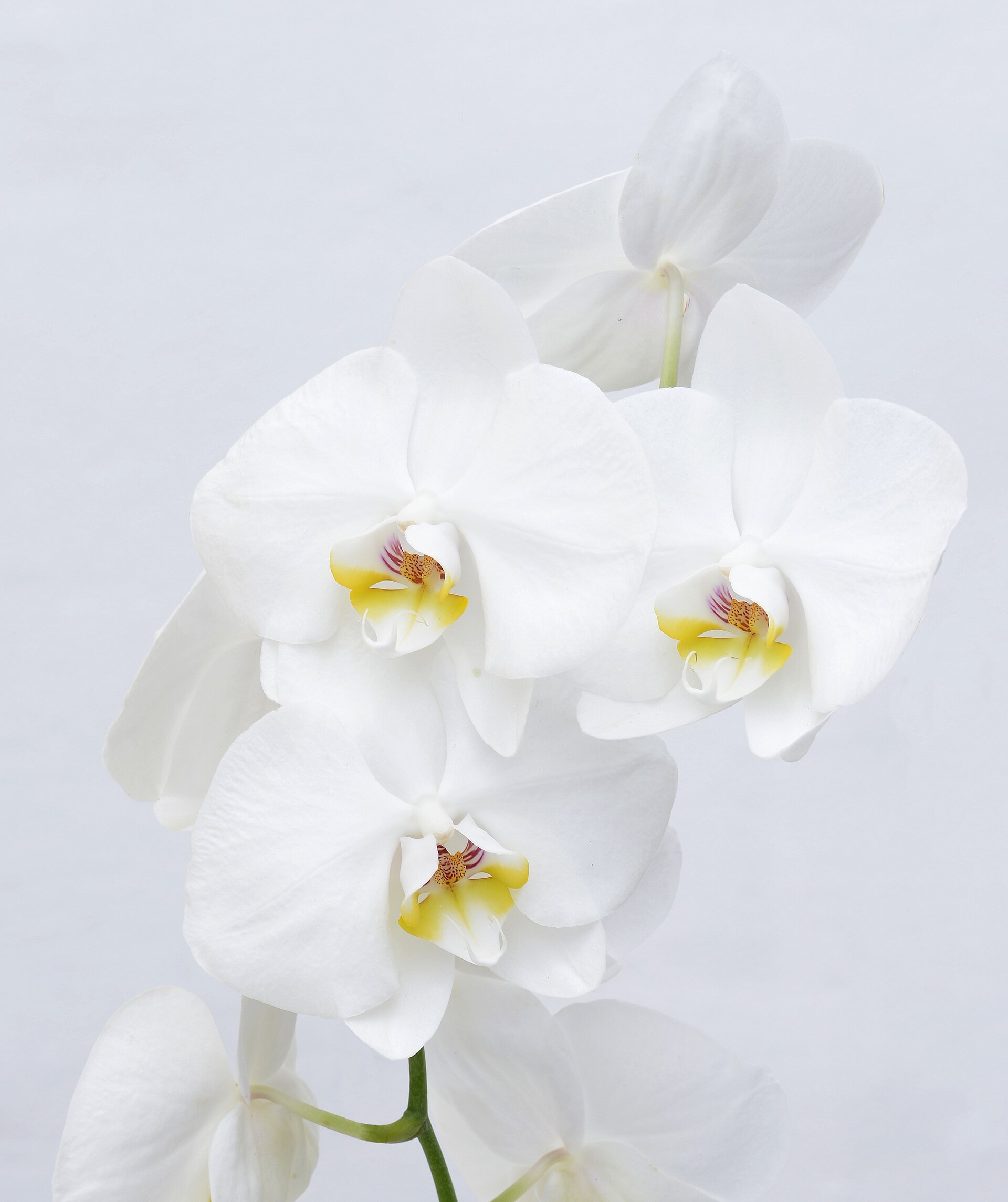
Orchid flowers fall off after bringing them home mostly from transplant shock: drafts, dry air, and ethylene. Learn the causes and how
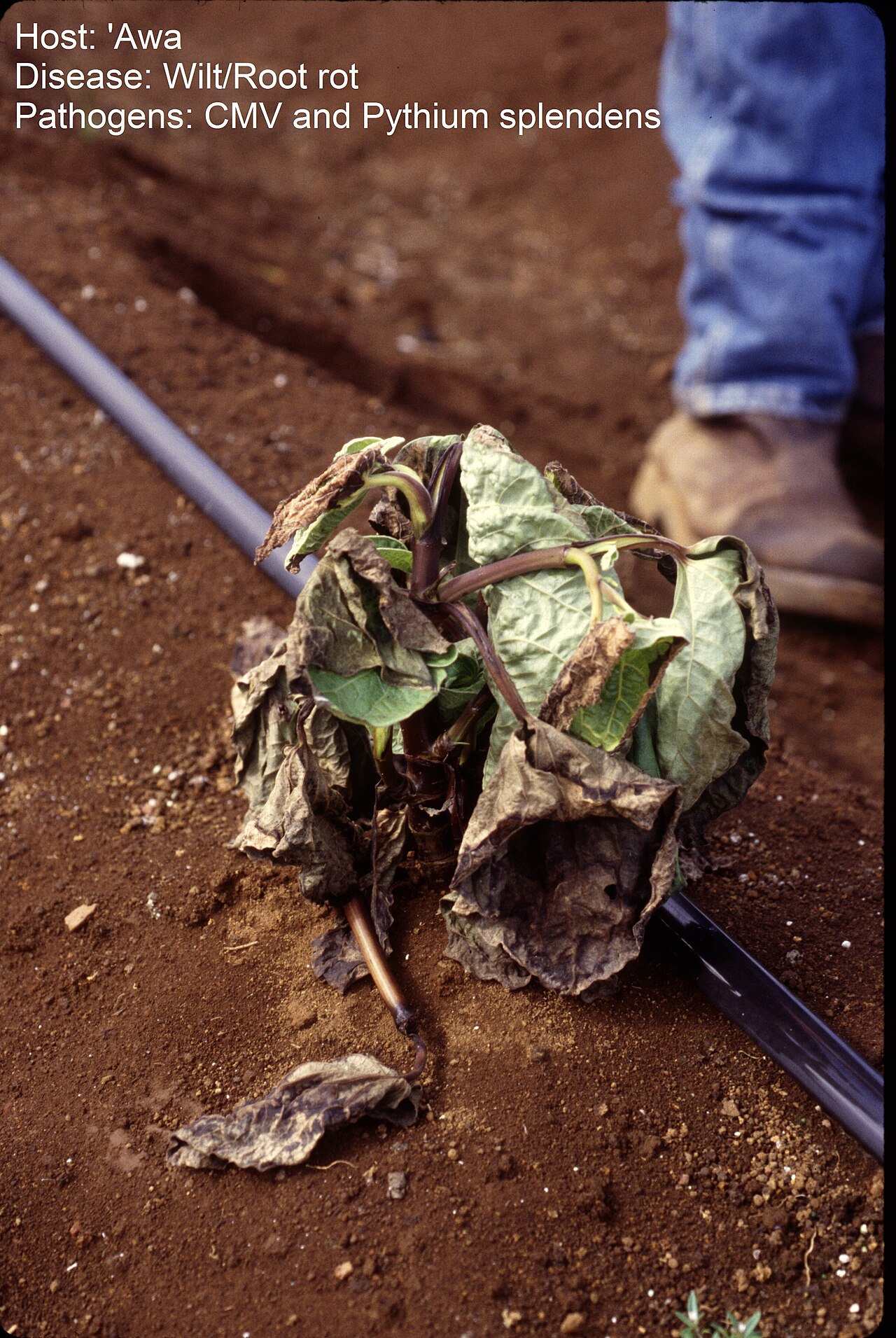
Root rot is decaying roots in waterlogged soil. Anaerobic bacteria feed on dying tissue and release sulfur compounds, which produce
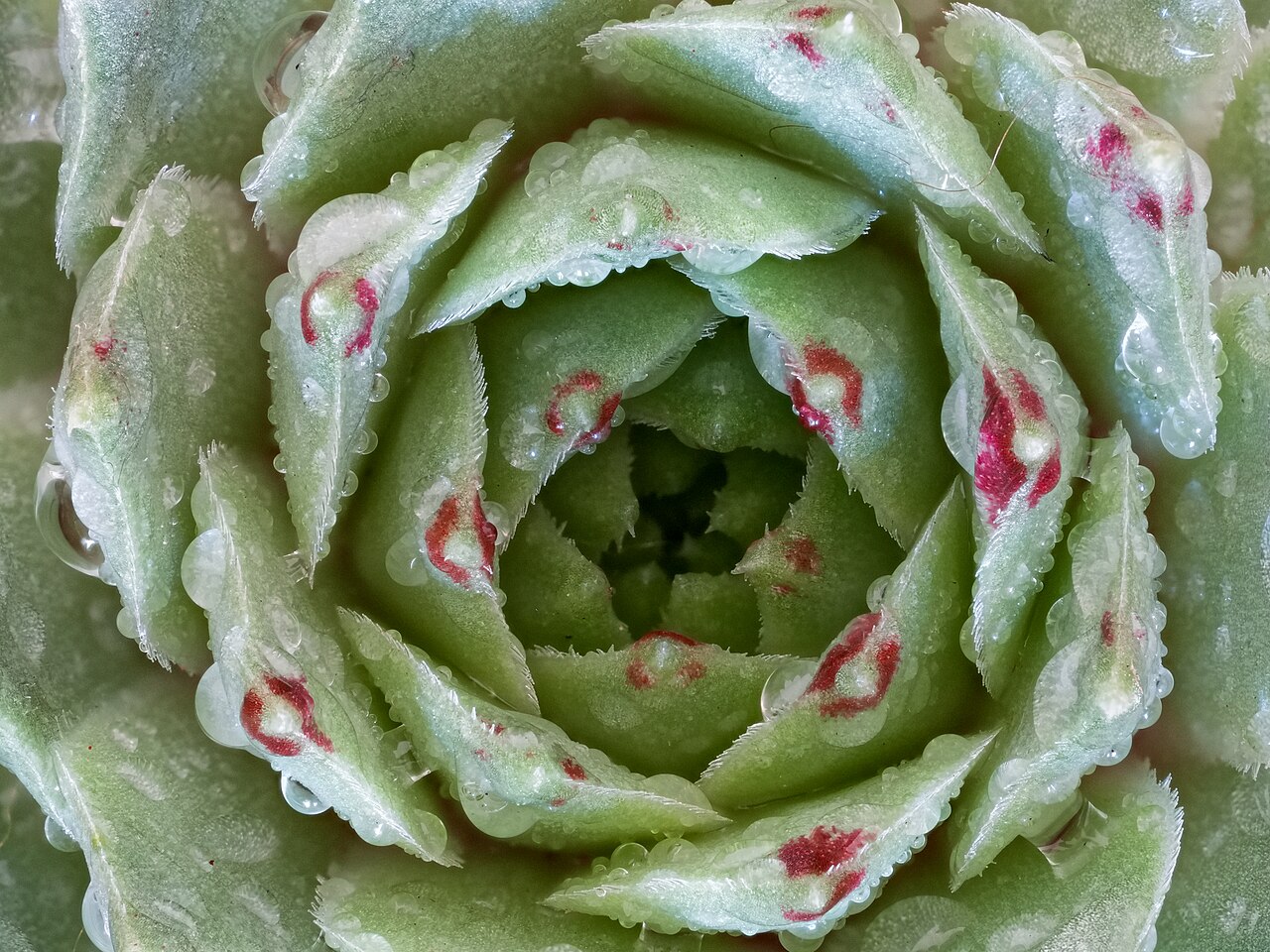
Succulents stretch tall and pale indoors because of etiolation, a survival response to low light. Learn why it happens, and how to reset
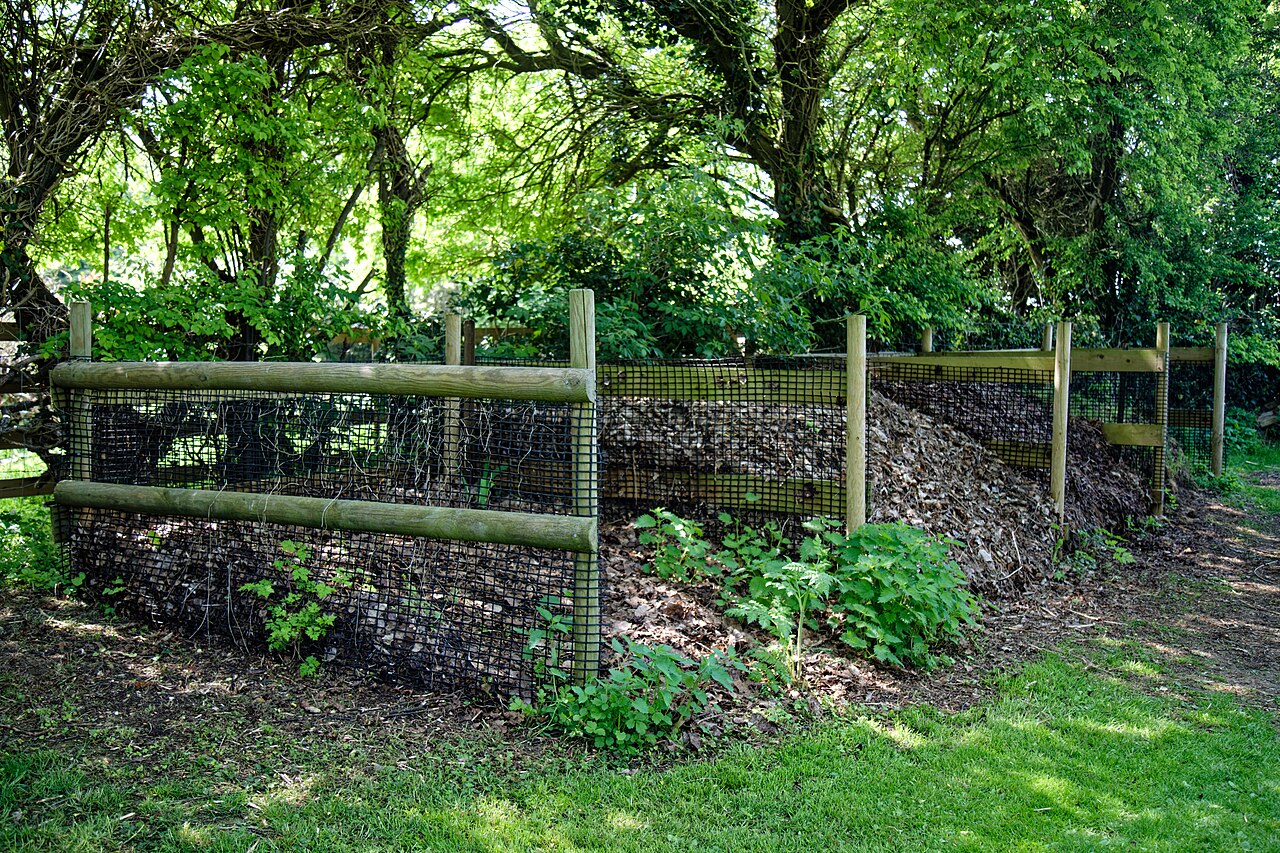
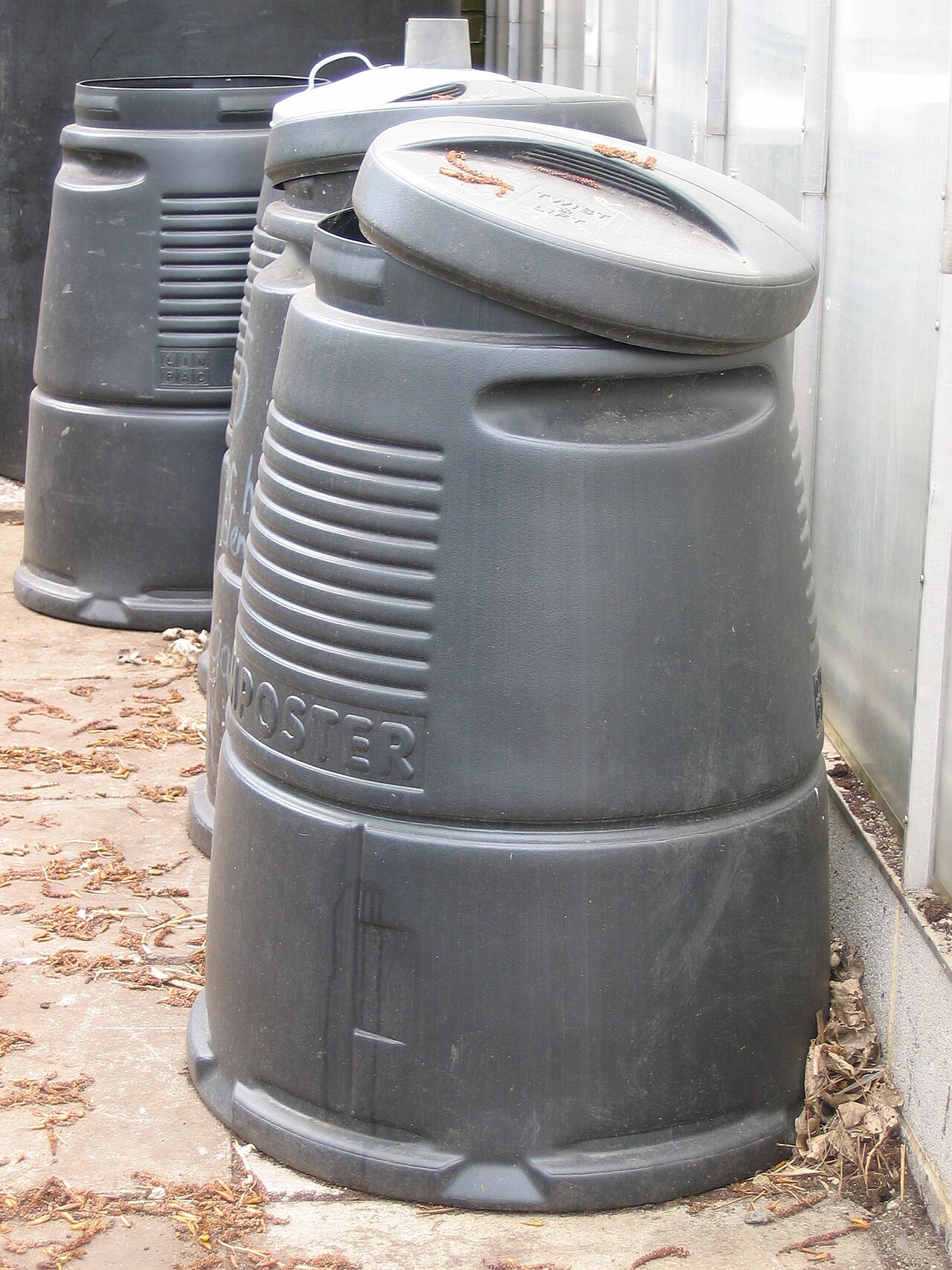
No bin is needed to start composting: trench, heap, sheet-mulch, and pit methods turn kitchen scraps into soil with a simple 30:1
Mulch sits on soil to block weeds and hold moisture, while compost is mixed in to feed it. Here is the difference, and how deep to apply
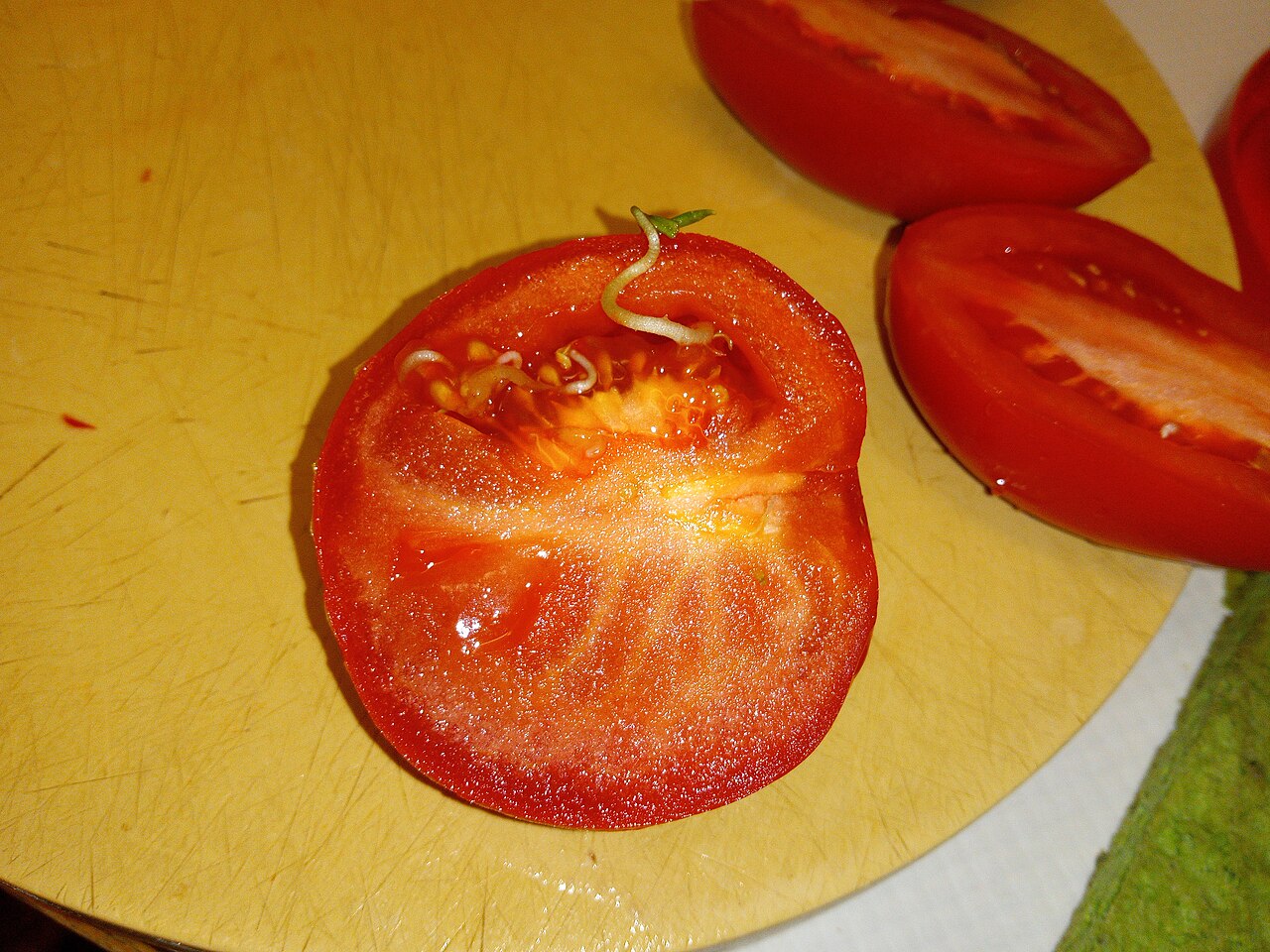
Ferment tomato seeds in their own juice for 2-4 days, rinse and dry them, and store them cool and dark. Properly saved seeds stay viable
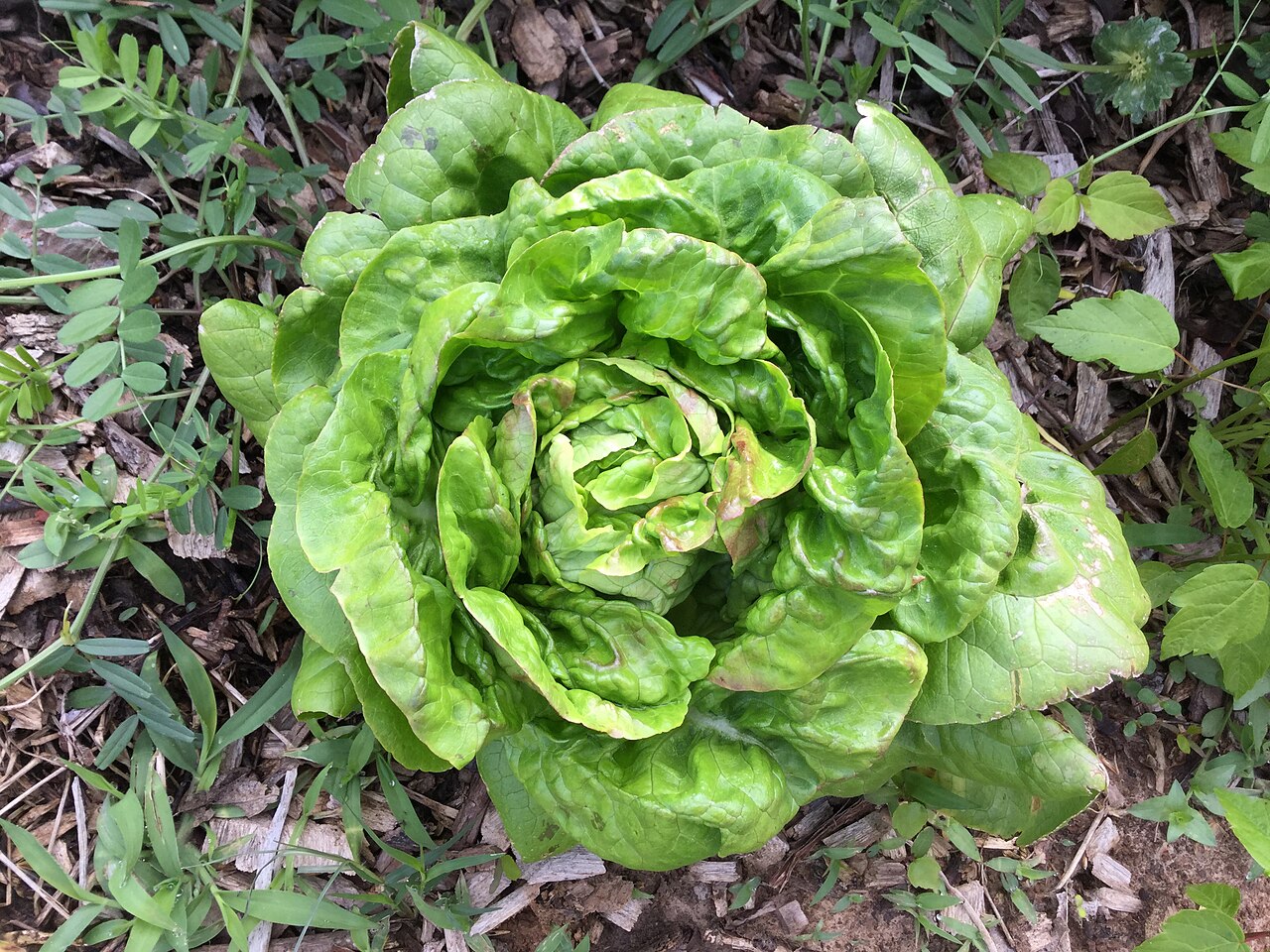
Lettuce, spinach and other leafy greens grow well on just 2-4 hours of sun daily. These 12 shade-tolerant vegetables are worth planting
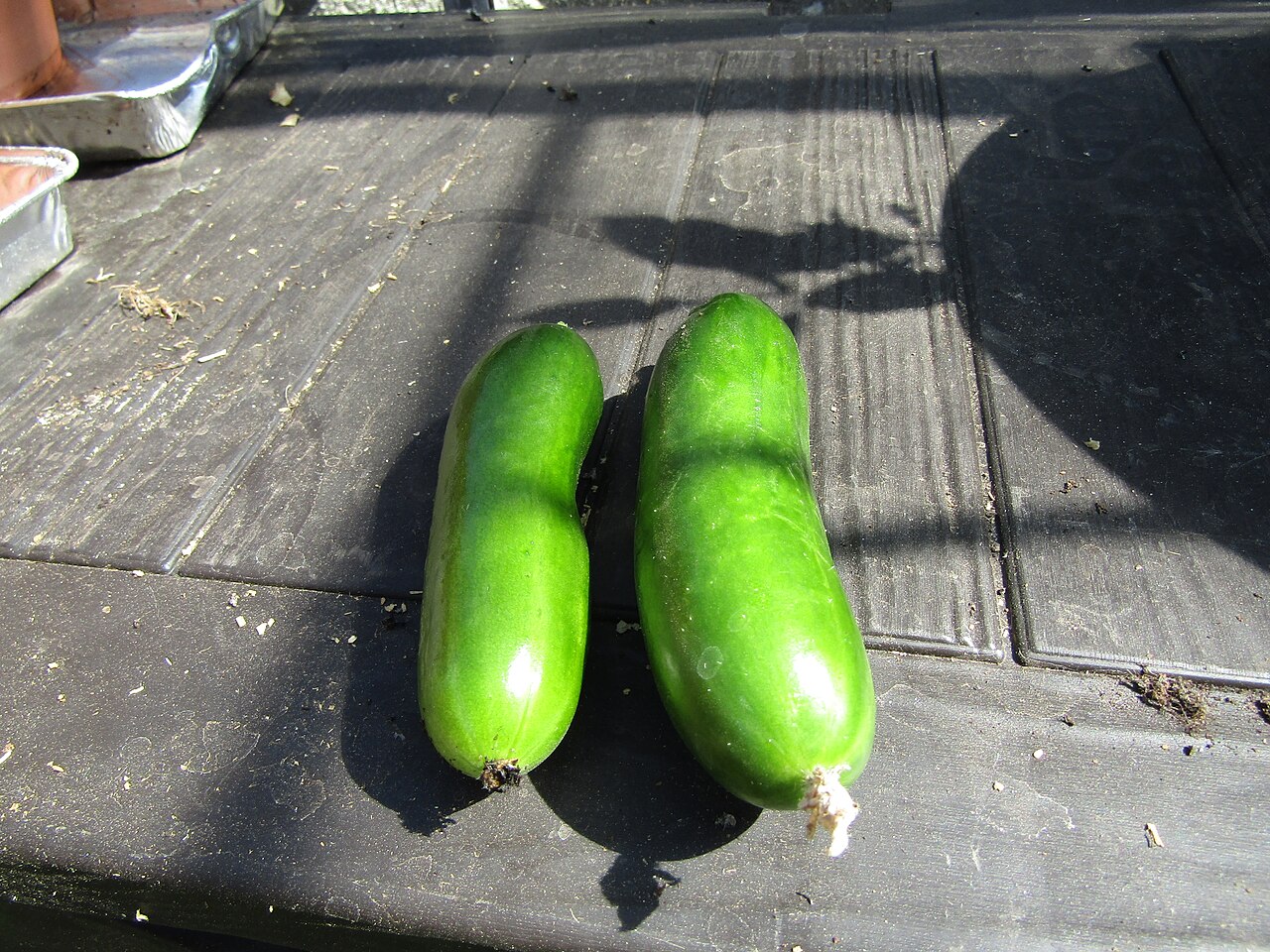
Bitter cucumbers come from cucurbitacin buildup triggered by heat, drought, or stress. Learn why it happens and how to rescue bitter fruit
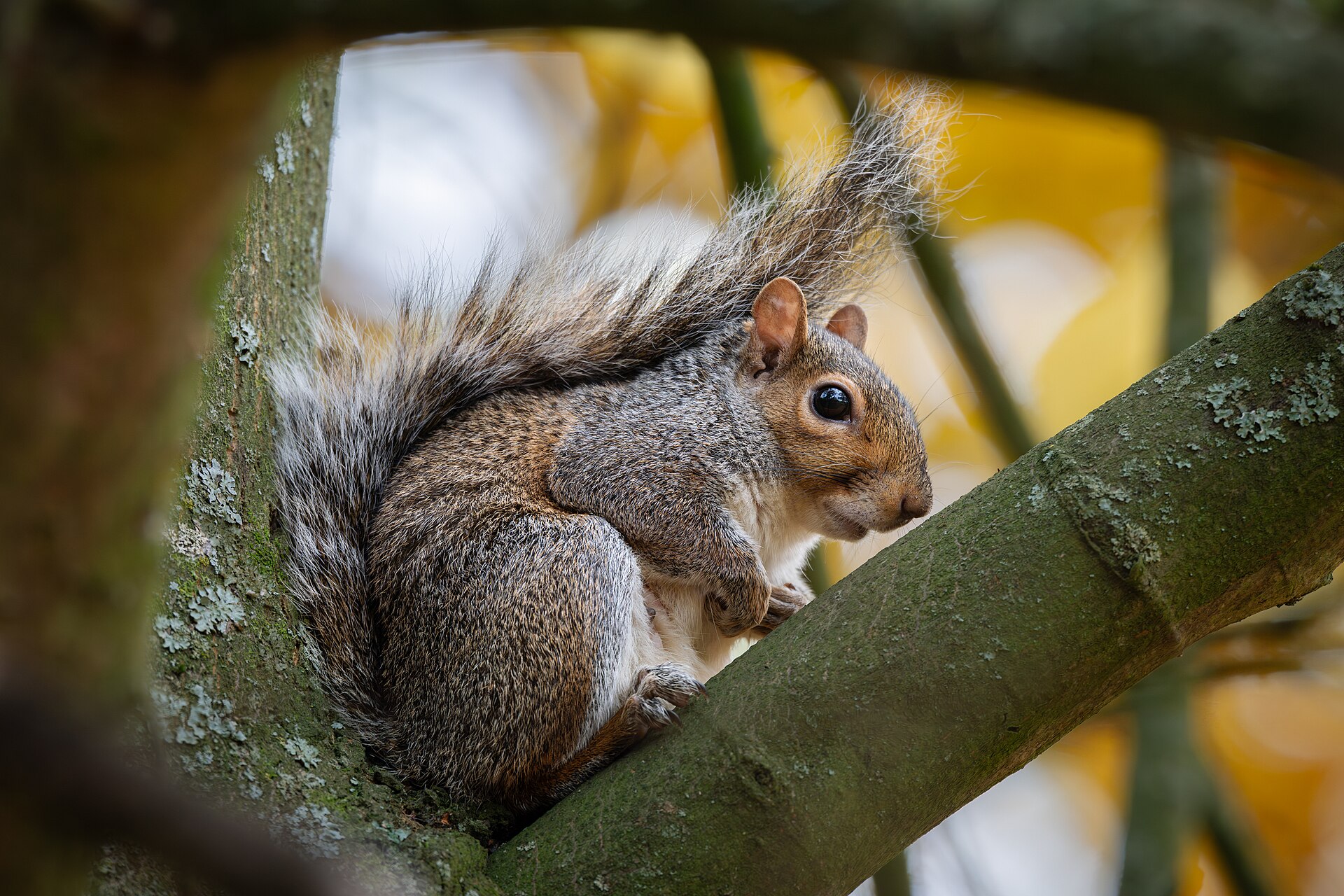
Half-inch hardware cloth is the most reliable squirrel barrier for garden beds. Layer it with cayenne pepper, smart planting choices,

Summer brown patches usually mean drought stress, insects, or fungal disease. A 6-inch screwdriver pushed into the soil reveals the cause
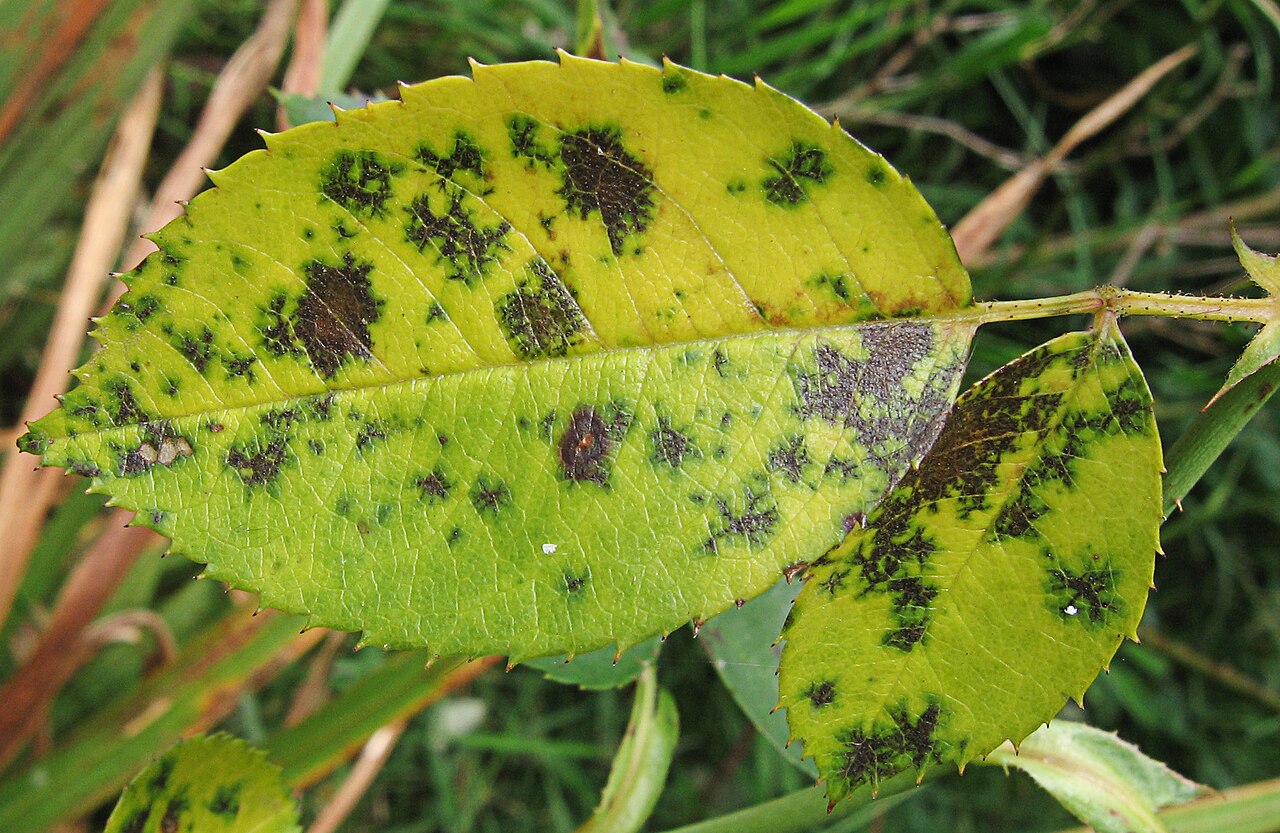
Black spot is caused by the fungus Diplocarpon rosae and strikes in warm, wet weather. Learn how to spot it, treat it, and protect your

Marigolds work as a nematode cover crop, but the basil flavor claim failed repeated tests. An honest evidence review of what companion

Determinate tomatoes grow to a set size and ripen all at once, while indeterminate types vine all season. That one difference shapes

Gypsum will not fix ordinary clay soil, say extension experts. What actually works: 2 to 3 inches of compost, mulch, better drainage,
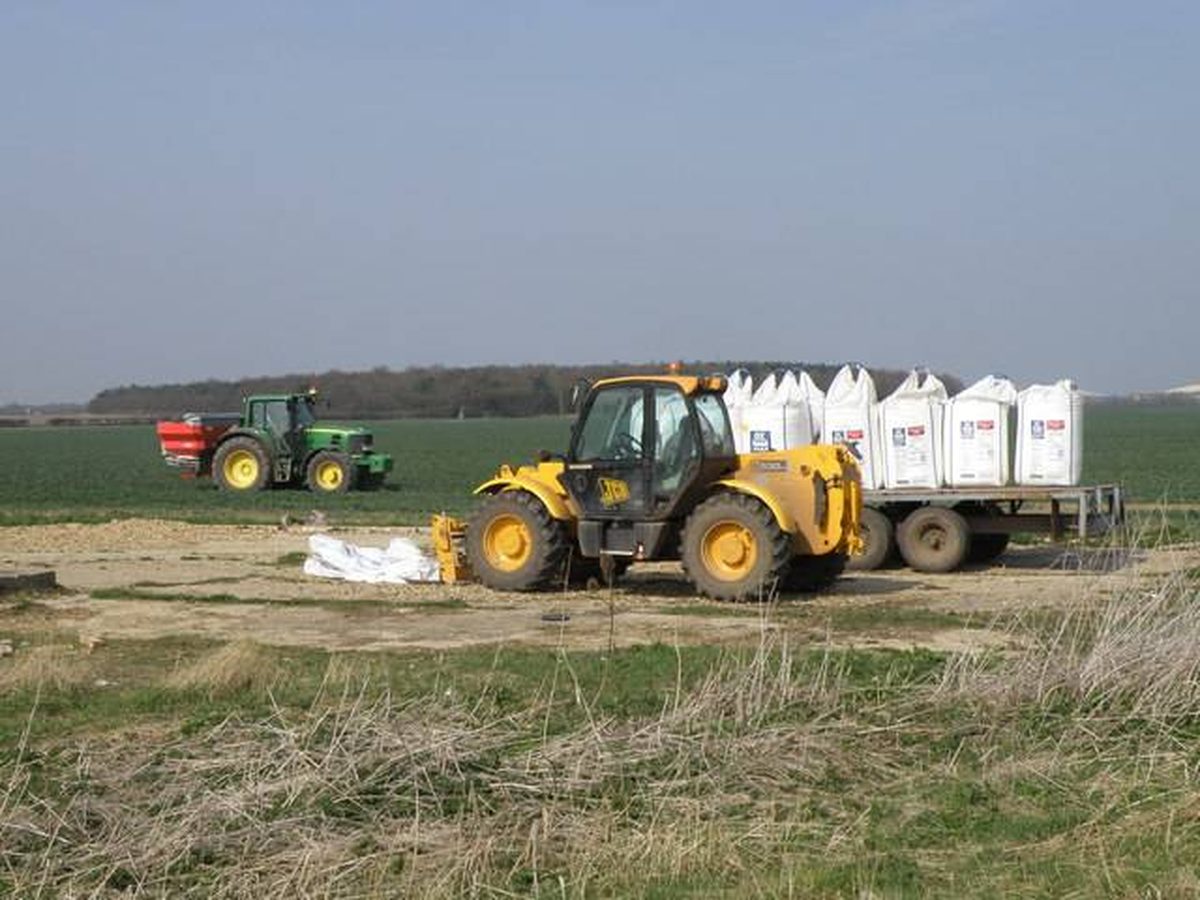
NPK means nitrogen, phosphorus, potassium; the numbers are the percent of each by weight. See what each nutrient does for plants and how
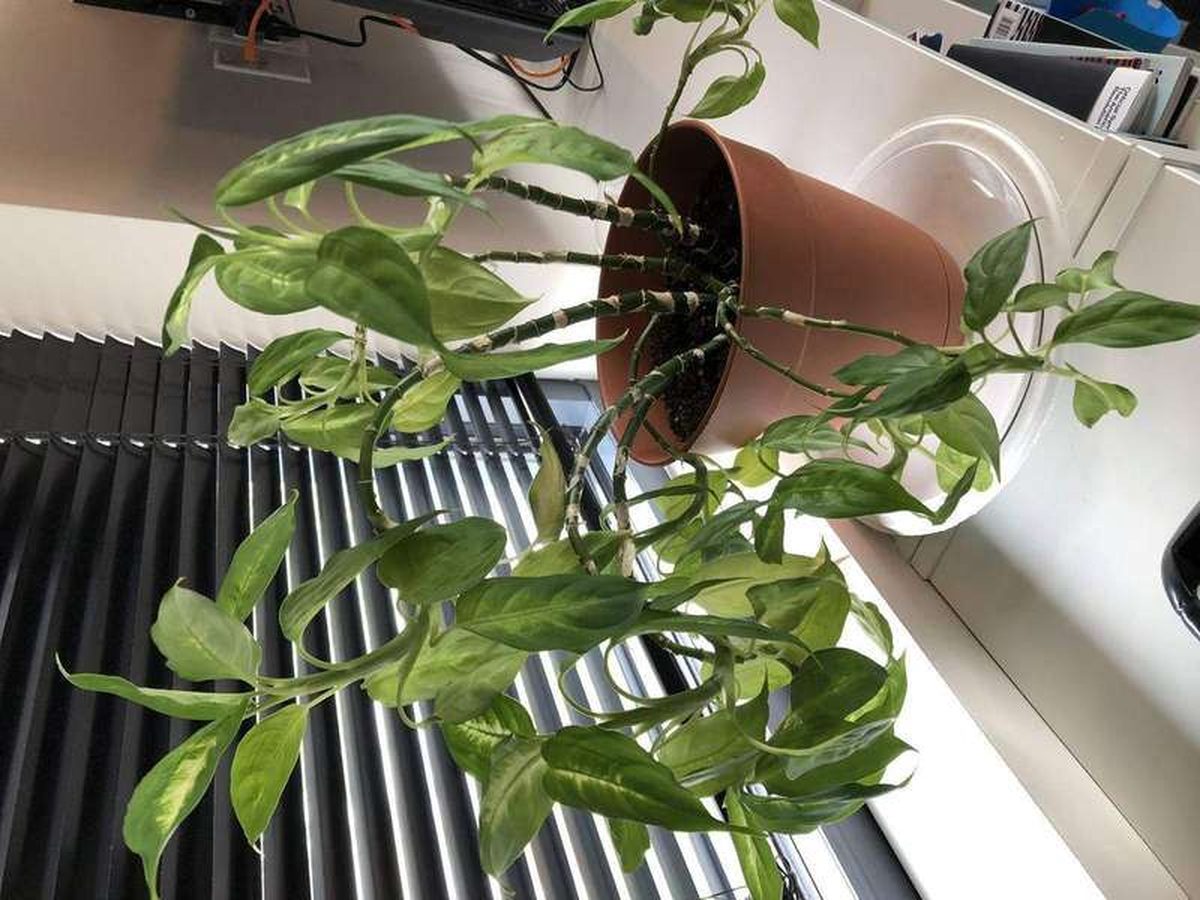
Overwatering and underwatering both wilt leaves, but the cures are opposite. Use the 2-inch finger test and pot-weight method to diagnose
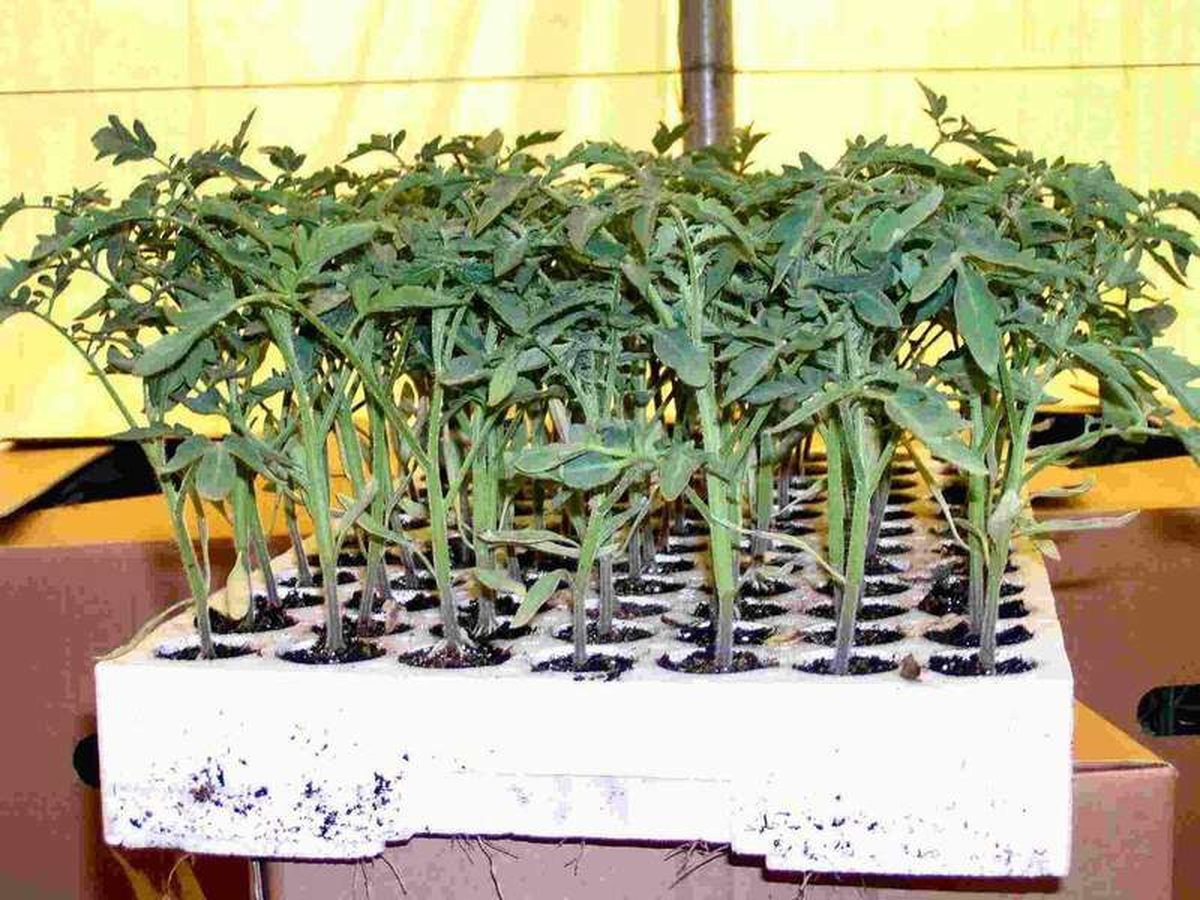
Leggy seedlings reach for more light. Hang grow lights 2 to 4 inches above seedlings, run them 14 to 16 hours daily, and cool the room
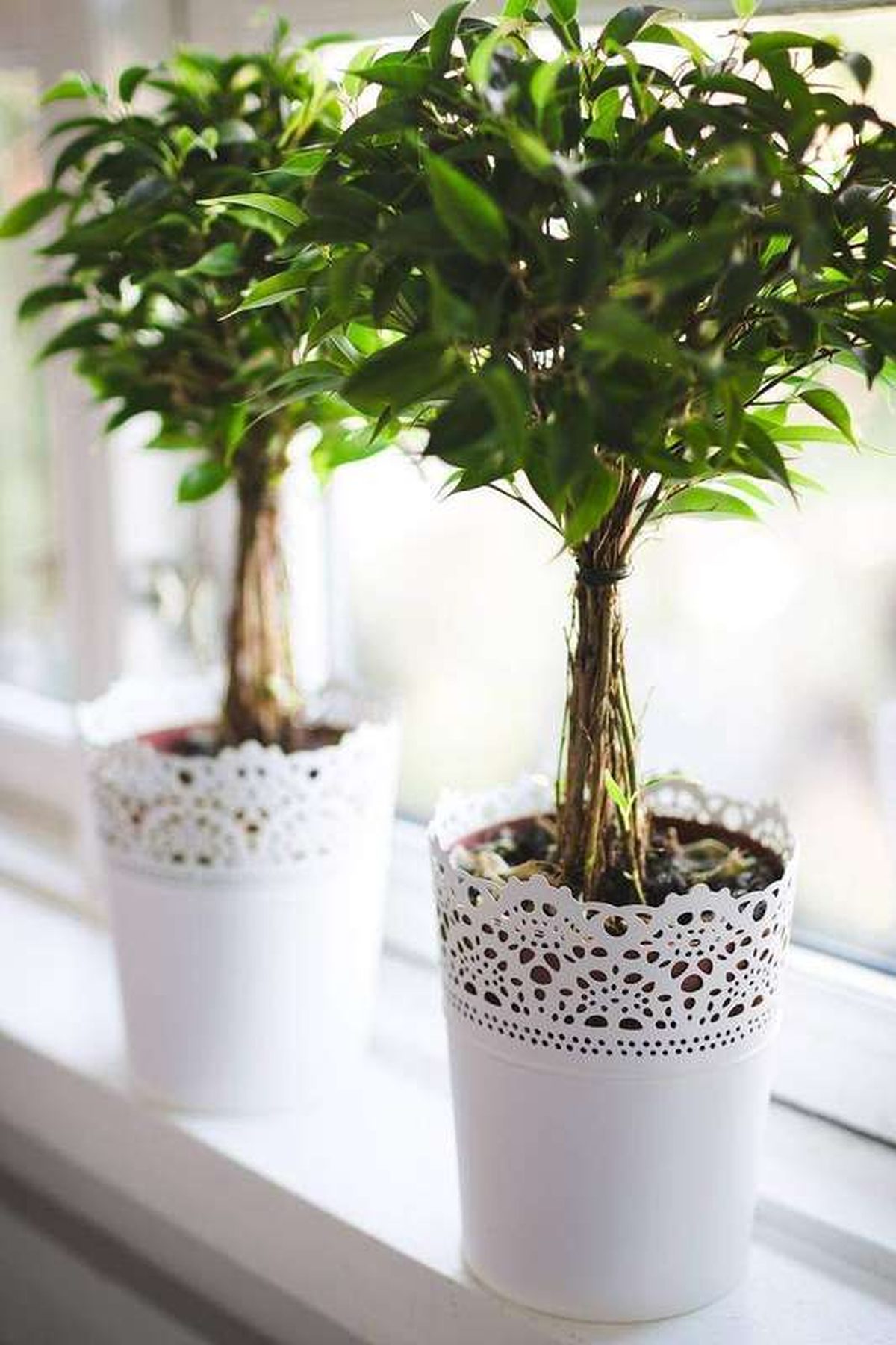
You can start seeds indoors without grow lights using a south-facing window, 14 to 16 hours of light a day, and daily tray rotation. Here
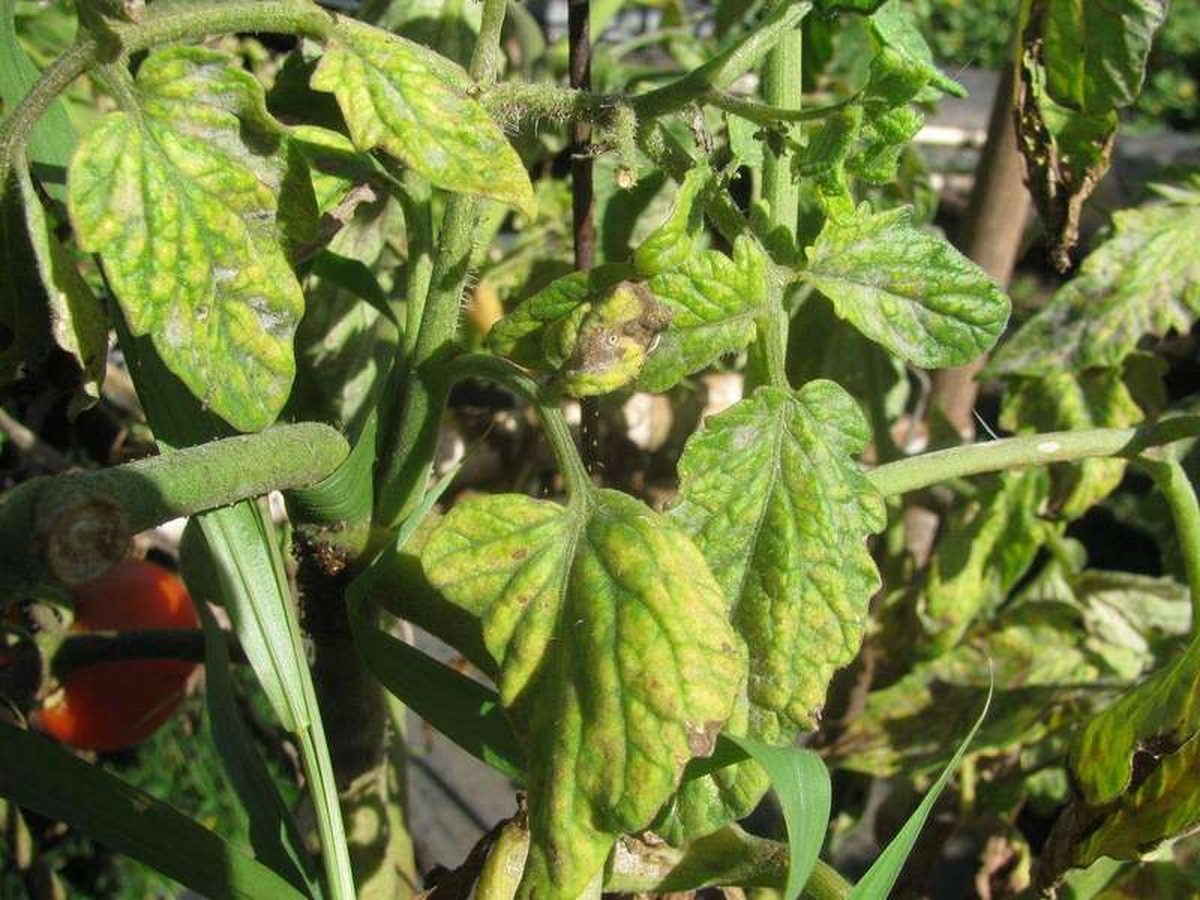
Yellow lower leaves on tomatoes usually mean nitrogen deficiency, overwatering, or early blight. Learn the pattern and act before
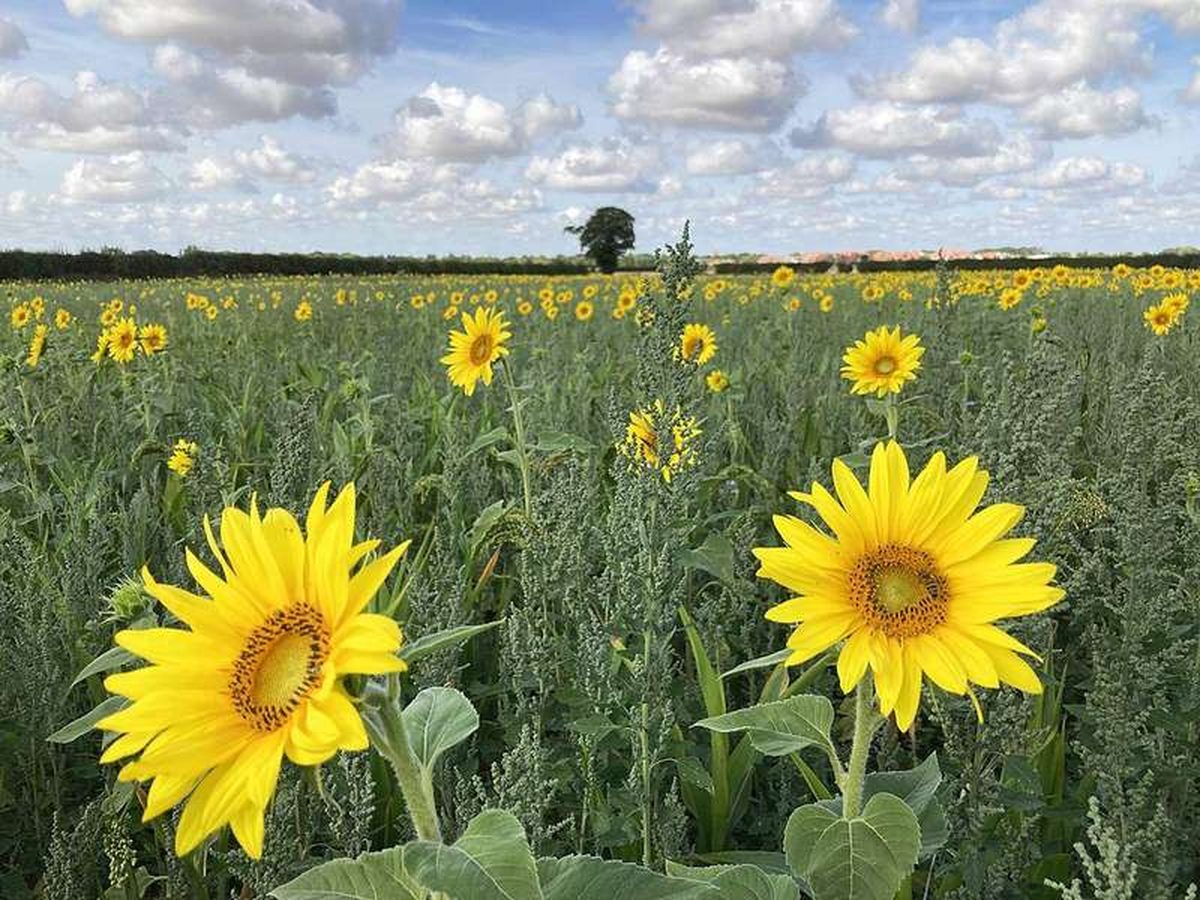
Midday wilting happens when heat drives transpiration faster than roots can absorb water. Wet soil cannot stop it, but most plants recover
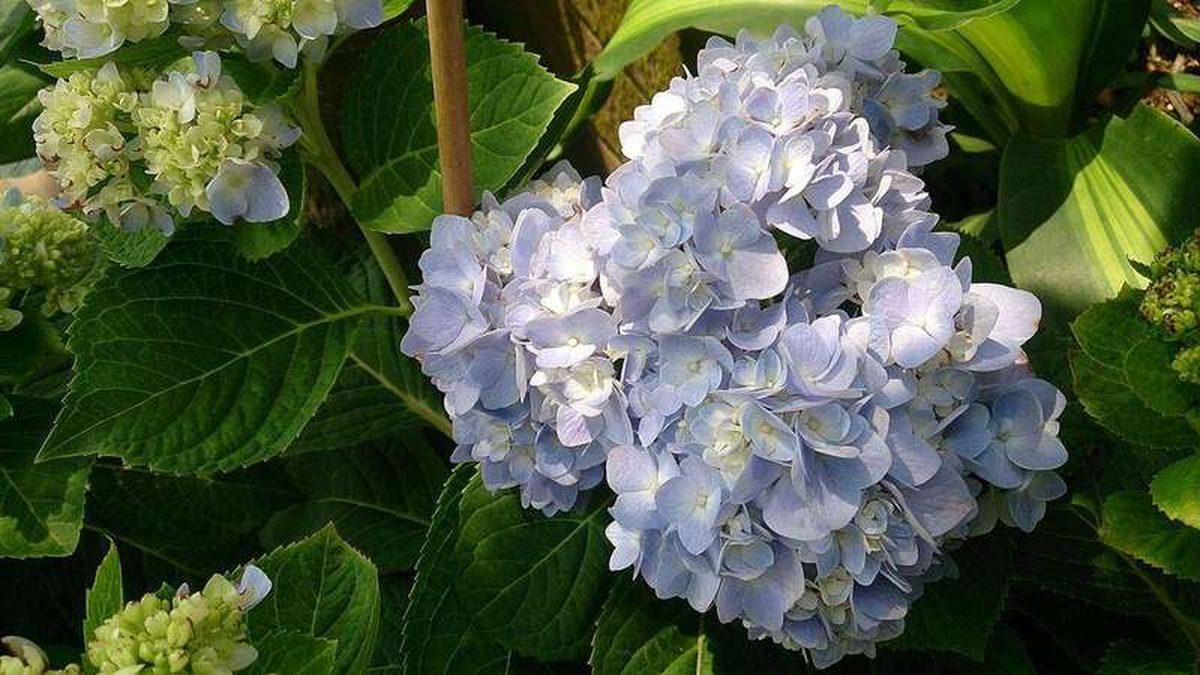
A healthy hydrangea with no flowers is usually a pruning or frost problem, not a sick plant. Learn to tell old wood from new wood and fix