
How to Start Seeds Indoors Without Grow Lights
Key takeaways
- A south-facing window is your best grow light substitute, but seedlings need 14 to 16 hours of strong light daily to stay stocky.
- Rotate trays every day or two so seedlings do not lean and stretch toward the glass.
- Window starts work for easy crops like tomatoes and basil, but even a sunny sill has real limits, so set expectations honestly.
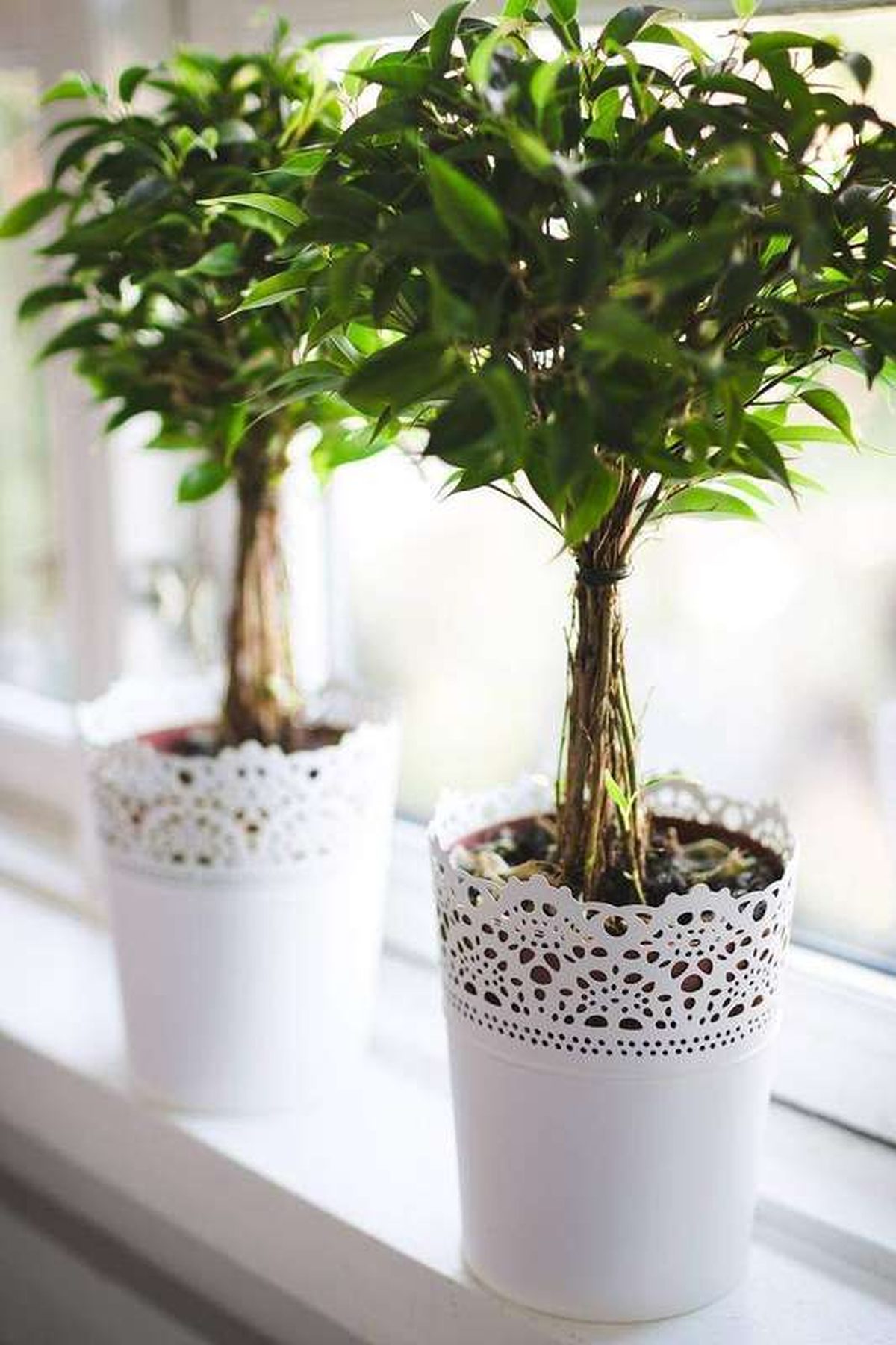
A bright windowsill can stand in for grow lights if it gets direct sun for most of the day. Photograph: Lucas Alexander/Wikimedia Commons
Image Credits: Wikimedia Commons
Starting seeds indoors means sowing them in containers inside your home weeks before the outdoor soil is warm enough to plant. Gardeners do it to get a head start on short growing seasons and to grow varieties they cannot find as nursery transplants.
Doing it without grow lights means the sun through your windows is the only light source your seedlings get. That keeps the setup cheap and simple, but it also means you have to be deliberate about which window you use and how you manage the trays.
This article explains what seedlings actually need to grow indoors, how to make the most of window light, which seeds to start first, and how to handle the problems that come up along the way.
What seedlings actually need
A seedling needs four things: light, warmth, moisture, and air movement around its leaves. Light is the hard one indoors, because what looks bright to human eyes is often dim to a plant.
Most garden plants need a minimum of 14 to 16 hours of sunlight each day, according to the University of Missouri Extension Service, as cited by From Scratch Farmstead. A windowsill that gets six hours of direct sun and a few more of ambient daylight will grow plants, but they will not be as compact as ones under a lamp.
Warmth matters most before anything sprouts. Most seeds do not need light to sprout, Cornell's horticulture extension notes, so you can keep freshly sown containers in a warm, dark spot and move them to the window the moment green appears. The top of a refrigerator or a warm shelf works fine.
The soil matters too. Cornell recommends a sterile seed-starting mix from a garden center rather than garden soil, which can carry disease and holds too much water. Whatever container you use, it must have drainage holes so extra water can escape.
How to make the most of window light
Pick the sunniest window in the house. A south-facing window brings in the most direct sun through the day, and an east-facing one is the next best option, according to West Virginia University Extension.
Watch the light before you commit. From Scratch Farmstead suggests observing your candidate window in the morning, midday, and evening to check for trees, eaves, or neighboring buildings that block the sun. A window that seems sunny at noon may sit in shade by two o'clock.
Rotate the trays every day or two. Seedlings lean toward the brightest side, and without rotation they grow lopsided and stretched, which is exactly what WVU Extension warns against. A quarter turn each time you water keeps growth even.
Clean the glass. A winter's worth of dust and film can cut the light reaching your plants noticeably, and a quick wipe is the cheapest light upgrade there is.
Add a reflector behind the trays. Gardeners on the Gardening Forums site describe propping crinkled aluminum foil on cardboard behind their trays, which bounces light onto the shaded side of each seedling. It costs nothing and it genuinely helps.
Now the honest part. Cornell's extension page states plainly that even a sunny south-facing window will not provide enough light, in amount or quality, to raise fully healthy transplants.
Window-grown seedlings can still succeed, especially forgiving crops started just a few weeks before transplanting, but they will rarely match the stockiness of lamp-grown ones. Knowing that going in keeps you from blaming yourself for slightly stretchy plants.
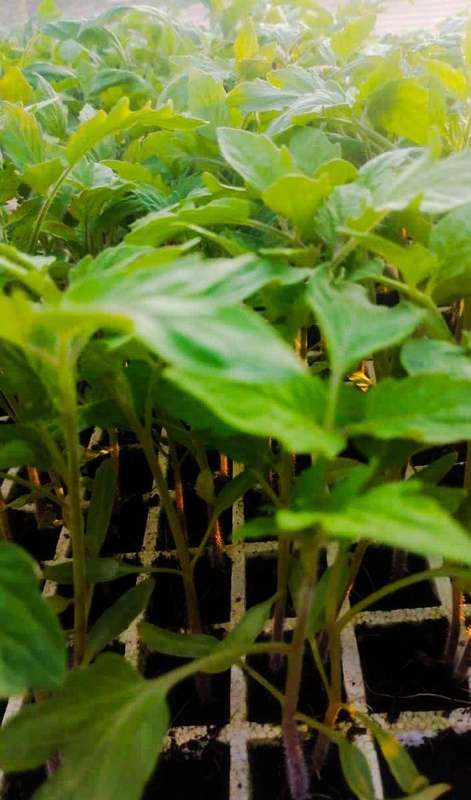
Young tomato seedlings at the stage when strong light matters most for keeping stems short and sturdy. Photograph: Mothusi Sekhomba/Wikimedia Commons
Image Credits: Wikimedia Commons
Which seeds to start first
Start with forgiving crops. Tomatoes, basil, spinach, and marigolds are good beginner choices for indoor sowing, according to AgNetWest's seed-starting tips. They sprout reliably and tolerate the small imperfections of a windowsill setup.
Check the back of each seed packet before you sow. Packets carry a timeline telling you how many weeks before your last frost date to start, which saves you from starting too early and nursing oversized plants on the sill.
Sow at the right depth. Purdue Extension's seed-starting guide (HO-14-W) gives a simple rule: cover seeds with soil to about twice their diameter. Very fine seeds, like petunia or begonia, should sit on the surface uncovered instead.
Keep the mix evenly moist but not soggy. Purdue recommends bottom watering, setting the container in a shallow pan of water so moisture wicks up, because it keeps the soil surface drier and helps prevent damping-off disease (a fungal disease that makes seedlings collapse).
If you want to grow tomatoes from seed, our guide on determinate vs. indeterminate tomatoes will help you pick the right type for your space once the seedlings are ready to move outside.
Common problems and how to fix them
Leggy, stretched seedlings are the number one windowsill complaint. They happen when light is too weak or too one-sided, and the plant pours its energy into reaching for more.
Rotation, a reflector, and the sunniest window you have are the fixes. If a tray is already stretched, read our guide on why seedlings get leggy and how to fix them before you decide whether to rescue it or resow.
Damping-off shows up as seedlings that keel over at the soil line with pinched, thread-thin stems. It is a fungal problem, not a light problem, and bottom watering plus good air flow are the main defenses.
Uneven sprouting usually means uneven warmth or moisture. A plastic dome or even a sheet of plastic wrap over the tray holds in humidity until sprouts appear, but remove the cover the moment most seeds are up so the seedlings get airflow.
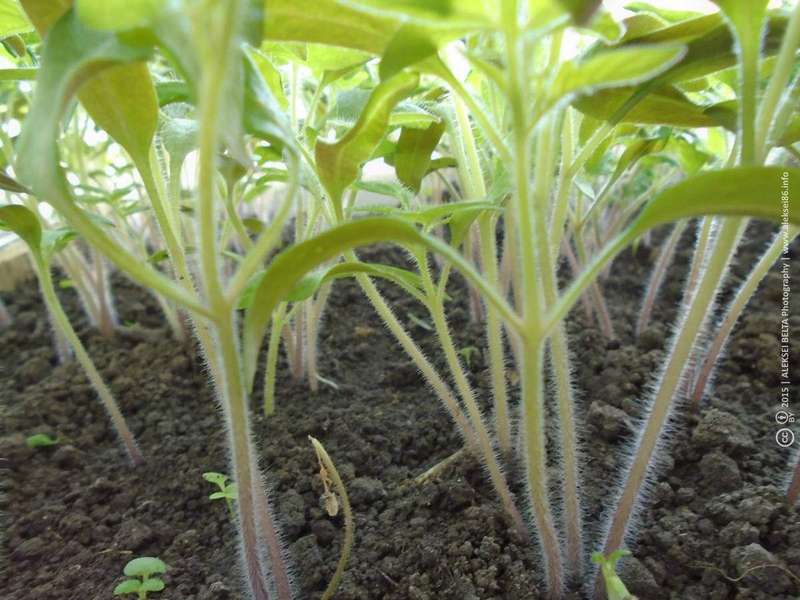
Close-up of tomato seedlings: the first true leaves are the sign that the plant is ready for light, air, and its first weak feeding. Photograph: Aleksei Belta/Wikimedia Commons
Image Credits: Wikimedia Commons
Transplant shock kills more seedlings than anything that happens on the sill. AgNetWest stresses hardening off: moving plants outdoors gradually over a week or so so they adjust to sun, wind, and temperature swings. Skip this step and even healthy seedlings can collapse within a day.
Frequently asked questions
Can I start seeds in a north-facing window?
It is a poor choice. North-facing windows get the least direct sun, and seedlings there will stretch toward the glass within days. If it is truly your only option, expect weak plants and consider a cheap shop light instead.
Do seeds need light to sprout?
Most do not. Cornell notes that most seeds sprout fine in a warm, dark place and only need light after they sprout. The exceptions are very fine seeds like petunia and begonia, which Purdue says should be sown on the surface and left uncovered.
How do I keep seedlings from getting leggy without grow lights?
Use the sunniest south-facing window you have, rotate the trays daily, add a foil reflector behind them, and keep the room on the cool side after sprouting. If a tray still stretches, our leggy seedling guide walks through rescue options.
When should I move seedlings outside?
After your last frost date has passed and after hardening them off. Set the trays outside for a few hours of sheltered sun at first, then lengthen the time over about a week. Moving them straight from a windowsill to full sun is the fastest way to scorch them.
The bottom line
You can absolutely start seeds indoors without grow lights, as long as you treat your sunniest south-facing window like the precious resource it is. Give seedlings 14 to 16 hours of light, rotate the trays, add a simple reflector, and start with forgiving crops.
Be honest with yourself about the limits: window-grown plants will rarely be as stocky as lamp-grown ones, and that is physics, not failure. Start one tray of tomatoes or basil on your brightest sill this week and see for yourself.
Tags: seed starting, windowsill gardening, indoor seeds, vegetable gardening, gardening tips
Rive News is the research desk behind this publication, covering practical gardening, home, and how-to topics with sourced, tested guidance.
Latest in Gardening
- Leggy Seedlings: Why They Stretch, How Light Fixes Them, and When to Start Over
- Determinate vs. indeterminate tomatoes: growth, pruning, and harvest differences
- What Is Companion Planting and Does It Work?
- Why Are My Tomato Leaves Turning Yellow at the Bottom?
Subscribe for one practical gardening guide in your inbox every week.
Related stories

What Is Companion Planting and Does It Work?
Marigolds work as a nematode cover crop, but the basil flavor claim failed repeated tests. An honest evidence review of what companion

Determinate vs. indeterminate tomatoes: growth, pruning, and harvest differences
Determinate tomatoes grow to a set size and ripen all at once, while indeterminate types vine all season. That one difference shapes

How to improve clay soil for gardening
Gypsum will not fix ordinary clay soil, say extension experts. What actually works: 2 to 3 inches of compost, mulch, better drainage,