
How to improve clay soil for gardening
Key takeaways
- Gypsum only helps sodic, high-sodium soils. On ordinary clay it is a waste of money, per extension services.
- Organic matter is the proven fix: spread 2 to 3 inches of compost on beds and let biology do the restructuring.
- Never add sand to clay, and never work clay when it is wet.

Photograph: Dr. David Lindbo/Wikimedia Commons
Image Credits: Wikimedia Commons
Clay soil is the gardener's paradox. It is rich in nutrients and holds water well, yet it is miserable to work: sticky and heavy when wet, brick-hard and cracked when dry.
Many gardeners reach for gypsum first, because that is what the bag at the garden center promises. The honest answer from university extension services is less exciting but actually works.
This article explains improving clay soil for gardening: why clay is hard to work, the gypsum myth, the compost method that actually works, drainage tricks for stubborn beds, and a simple first-year plan.
Why clay soil is tough to work
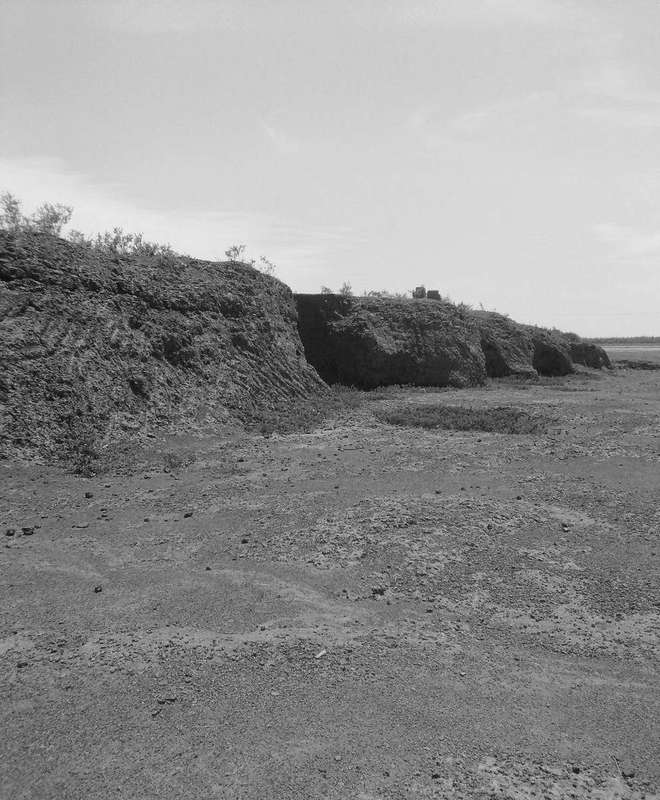
Clay particles are absurdly small. The largest clay particle is more than 1,000 times smaller than the smallest sand particle, per Oregon State University Extension. Those tiny, flat plates pack together so tightly that water and air struggle to move between them.
When wet, clay turns sticky and heavy. When dry, it hardens into clods and cracks. Roots have to fight for every inch, and digging feels like chiseling.
Clay does have real virtues. Its fine particles hold onto plant nutrients far better than sand does, and it stores significant water in its tiny pores, per OSU Extension. The goal is not to replace clay but to open up its structure so roots can use what it offers.
Photograph: Adamu ab/Wikimedia Commons
Image Credits: Wikimedia Commons
The gypsum myth, honestly explained
Gypsum is calcium sulfate, and garden lore says spreading it "loosens" clay. Here is what the LSU AgCenter says after reviewing the research: with the exception of sodic soils, which are high in sodium, adding gypsum as a soil-softening amendment is not generally beneficial and will not loosen the soil.
The chemistry explains why. Gypsum helps when excess sodium is the problem, because calcium displaces sodium on clay particles.
Most home garden soils are not sodic. LSU puts it bluntly: adding gypsum to sandy or nonsodic soils is a waste of money and natural resources, and excess calcium can even tie up nutrients like phosphorus.
So when does gypsum make sense? If a soil test shows low calcium with a pH that is already fine, gypsum adds calcium without changing pH, unlike lime.
That is a narrow, test-driven use, not a general clay cure. Horticulturist Dan Gill of the LSU AgCenter advises gardeners to get a soil test first. A standard LSU test costs $10.
The compost method that actually works
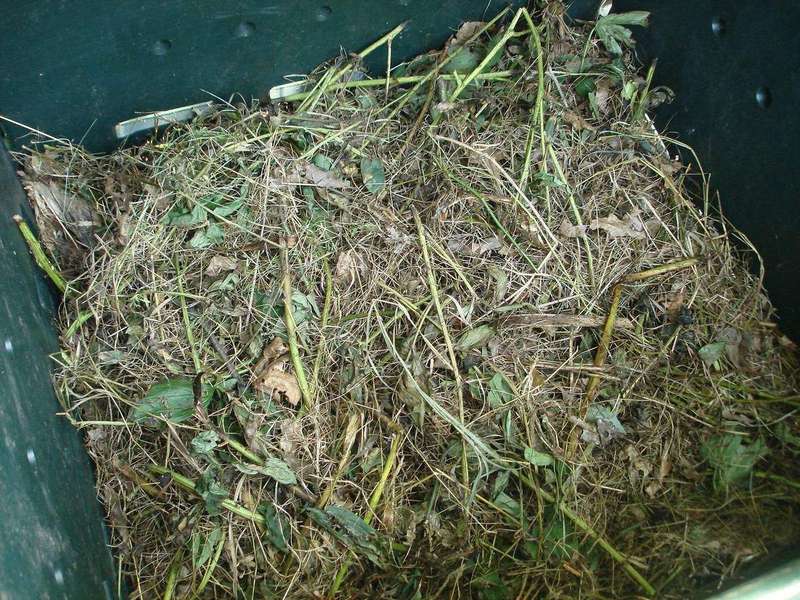
Extension services agree on the real fix: organic matter. "Organic amendments such as bark, manure, leaf mold and compost are the gardener's best tools," said Linda Brewer, a senior faculty research assistant at Oregon State University.
The application rate is specific. Brewer recommends spreading two to three inches of organic material on top of garden beds, rather than digging it in. Surface-applied compost slows evaporation, feeds soil organisms, and lets earthworms and roots do the mixing gradually.
For a new bed, Gulley Greenhouse advises working 2 to 3 inches of organic matter into the surface, then adding at least 1 more inch each year after that. Fall is the ideal time, since the material gets a whole season to integrate before spring planting.
Why does this work when gypsum does not? Organic matter feeds the fungi, bacteria, and earthworms whose activity glues clay particles into larger, stable aggregates.
Those aggregates create pore space for air and water. It is biology restructuring the soil, not chemistry forcing it.
Photograph: Ksd5/Wikimedia Commons
Image Credits: Wikimedia Commons
Drainage tricks for stubborn beds
Compost is the foundation, but a few structural tricks help the worst spots.
Raise the bed. A raised bed 6 to 12 inches tall gives roots a zone of improved soil above the native clay. It also keeps foot traffic off the growing area, which prevents re-compaction.
Keep it covered. After composting, cover beds with 2 to 4 inches of organic mulch such as shredded leaves, straw, or wood chips. Mulch softens rain impact, reduces crusting, and decomposes into yet more organic matter.
Never add sand. "No amount of sand added to clay soil will change its texture," Brewer said. Sand grains give clay particles something to cling to, and the result can set like concrete. Brewer compares rototilling sand into clay to a potter's wheel: the action aligns the clay particles and strengthens them.
Do not work wet clay. Digging or tilling soggy clay destroys what structure exists and smears it into an airless mass. Wait until a squeezed handful crumbles instead of forming a slick ball.
Consider cover crops. In fall, sow clover or winter rye in empty beds. Their roots punch channels through clay all winter, and the turned-in foliage adds organic matter in spring.
Your first-year clay soil plan
This fall: Get a soil test through your local extension office. Spread 2 to 3 inches of compost over the beds. Mulch on top. Sow a cover crop in any empty space.
This winter: Leave the beds alone. Let rain, frost, and worms work the compost downward.
This spring: Check the soil test results before buying any amendment. If calcium is low and pH is fine, that is the rare case where gypsum earns its keep. Otherwise, plant into the improved top layer and add another inch of compost as a top-dress.
Every year after: Add about an inch of compost annually. Keep beds mulched and walk on paths, not soil. Improvement compounds: each season's organic matter builds on the last.
FAQ
Can I add sand to clay soil to loosen it?
No. Extension experts are unanimous on this one. Sand plus clay can produce a concrete-like mix, and tilling it in aligns clay particles and makes the structure worse, per OSU Extension.
Does gypsum ever help clay soil?
Only in specific cases. Gypsum helps sodic soils that are high in sodium, and it can supply calcium without changing pH when a soil test shows calcium is low. For ordinary clay, it will not loosen the soil, per the LSU AgCenter.
How long does it take to improve clay soil?
Expect noticeable improvement within one growing season of composting and mulching, with steady gains each year you keep adding organic matter. Clay was built over thousands of years. Give the biology a few seasons.
Should I rototill my clay soil?
Minimize it. Occasional light forking to incorporate compost is fine, but aggressive rototilling, especially when wet, destroys soil structure. Many extension advisors now favor top-dressing and letting earthworms do the tilling.
The bottom line
Skip the gypsum unless a soil test says otherwise. Pile on the compost, keep the soil covered, stay off wet beds, and let a few seasons of biology do what no bagged amendment can.
It is a good idea to start with the $10 soil test. Knowing what your soil actually needs beats guessing with the most expensive bag on the shelf.
---
Rive News's research desk writes practical explainers backed by public sources and expert guidance.
Related stories
- Baking soda and baking powder: what's the difference?
- What is proper squat form? A step-by-step guide
- How to handle toddler tantrums without yelling
Subscribe to the Rive News newsletter for one practical explainer every week.
© 2026 Rive News. All rights reserved.
Related stories

What Is Companion Planting and Does It Work?
Marigolds work as a nematode cover crop, but the basil flavor claim failed repeated tests. An honest evidence review of what companion

Determinate vs. indeterminate tomatoes: growth, pruning, and harvest differences
Determinate tomatoes grow to a set size and ripen all at once, while indeterminate types vine all season. That one difference shapes
What Does NPK on Fertilizer Actually Mean: Nitrogen, Phosphorus, and Potassium
NPK means nitrogen, phosphorus, potassium; the numbers are the percent of each by weight. See what each nutrient does for plants and how