Education
Why Do I Procrastinate When Studying? The Brain Science Explained
Why do you procrastinate when studying? A 2022 study of 51 adults traced it to how the brain discounts effort over time. Here is what
 Monday, October 12, 2026
Rive News Study Skills: learn faster with science. Memory, focus, and study systems backed by cognitive research.
Why do you procrastinate when studying? A 2022 study of 51 adults traced it to how the brain discounts effort over time. Here is what

All-nighters feel productive because fatigue creates mild euphoria, but test scores fall since sleep loss blocks memory consolidation
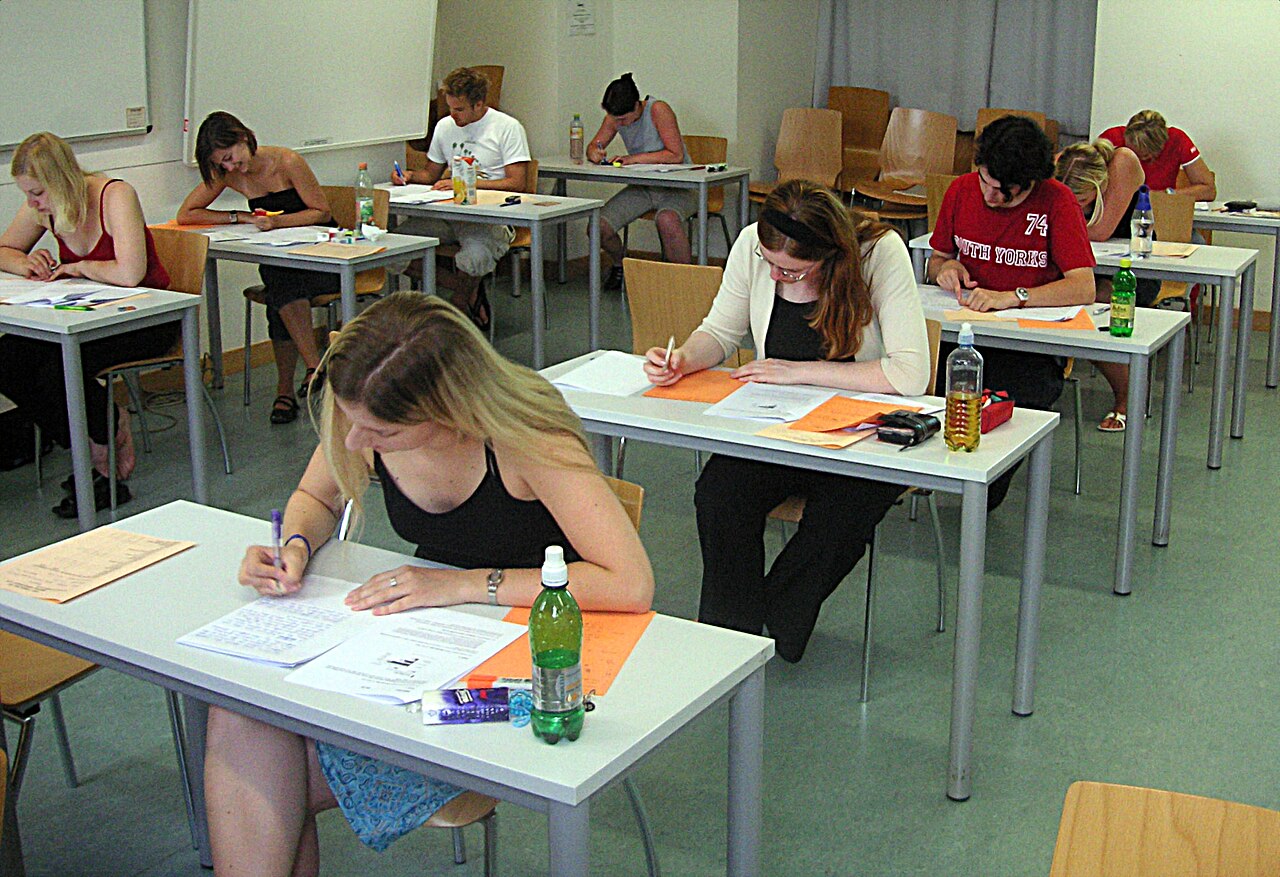
Practice tests beat rereading because retrieval strengthens memory while rereading builds only fluency; studies found 61% vs 40% recall

The Zeigarnik effect says unfinished tasks stick in memory. A 2025 meta-analysis complicates that story. Here is what the research really
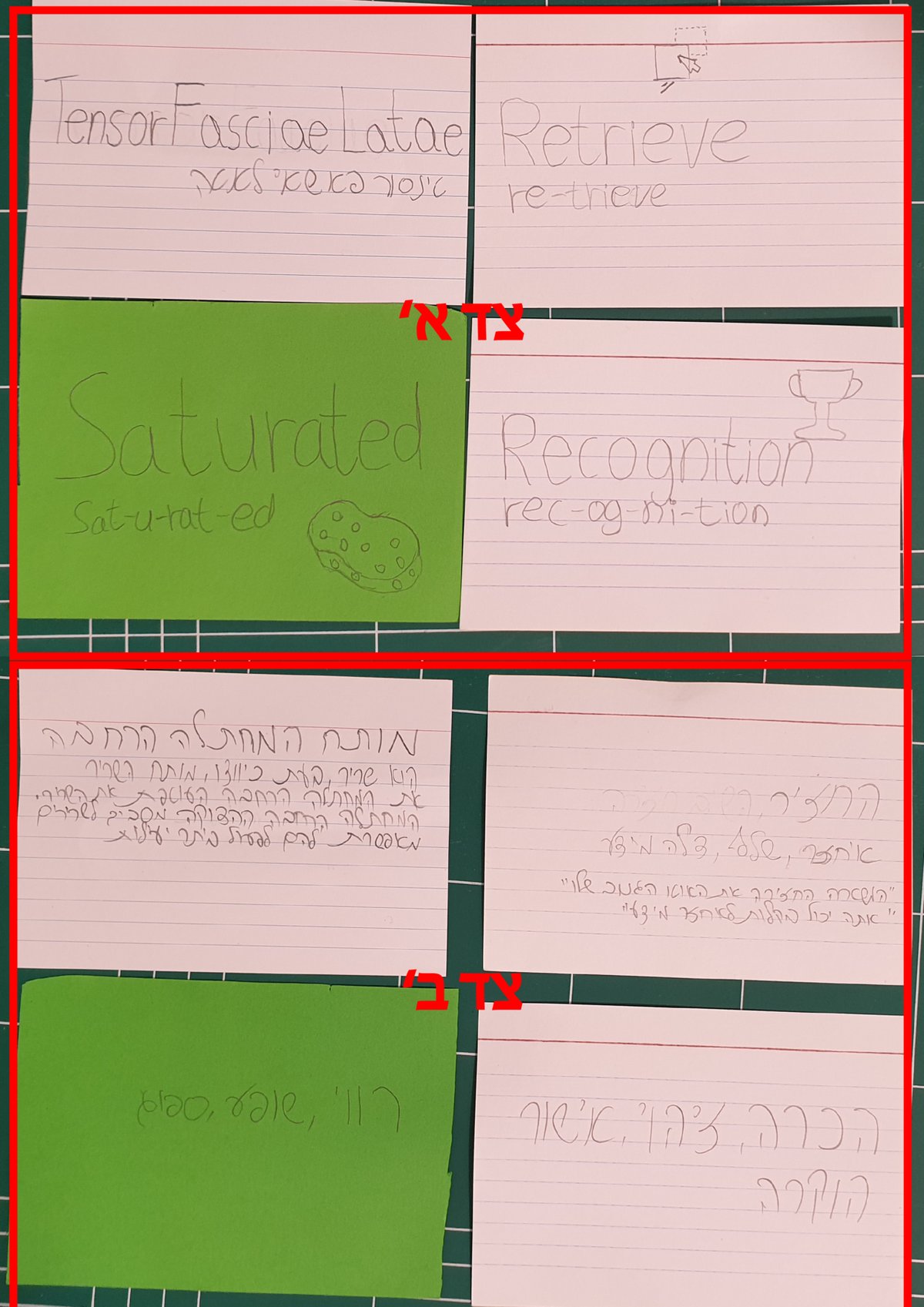
Vocabulary sticks when you retrieve it, space it, and use it in context. Seven research-backed methods help you memorize exam words faster
Metacognition means thinking about your own thinking: planning how to learn, monitoring understanding, and adjusting your own approach
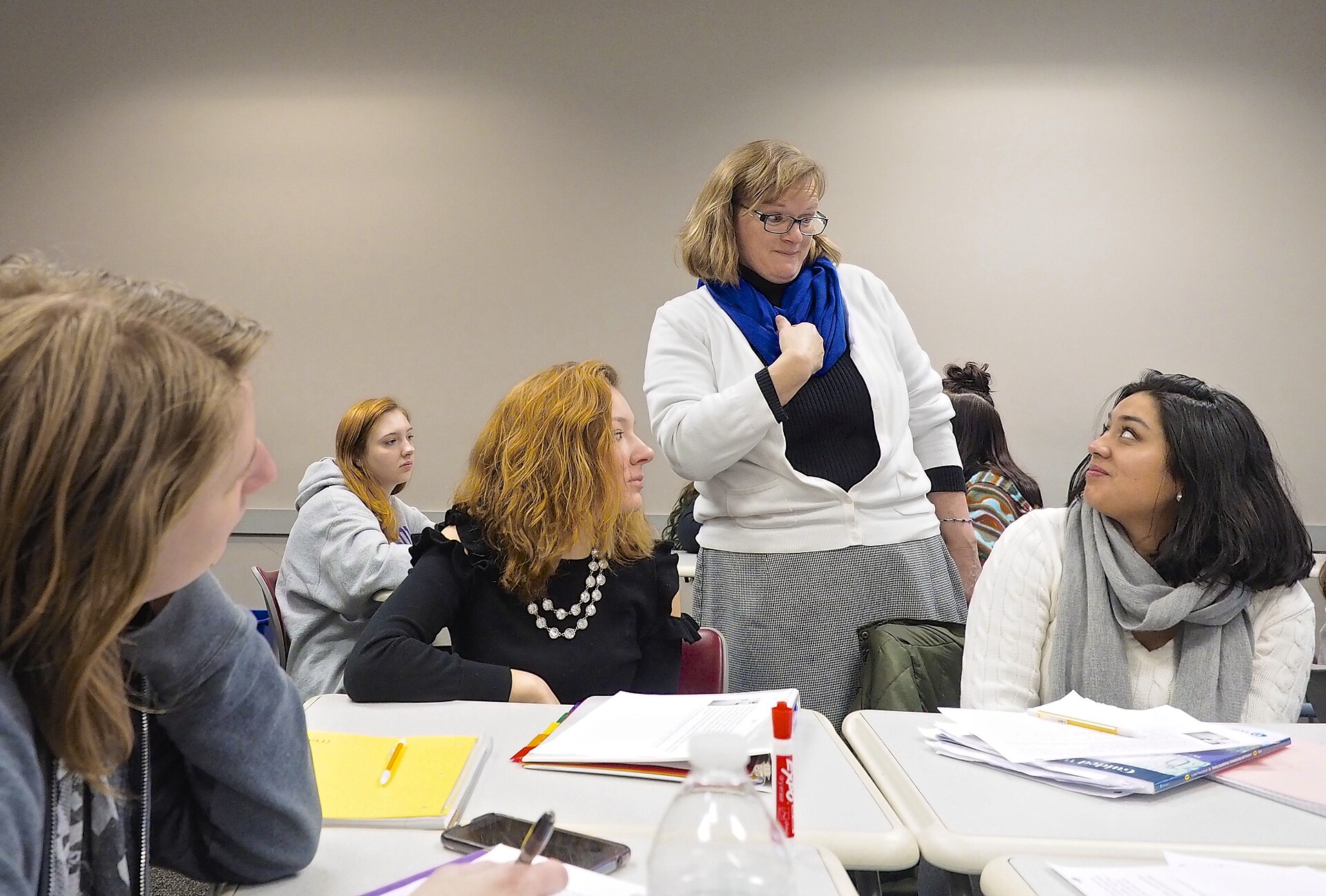
A step-by-step plan for math exams based on Dunlosky's 2013 research: practice testing, spaced sessions, and interleaving raise
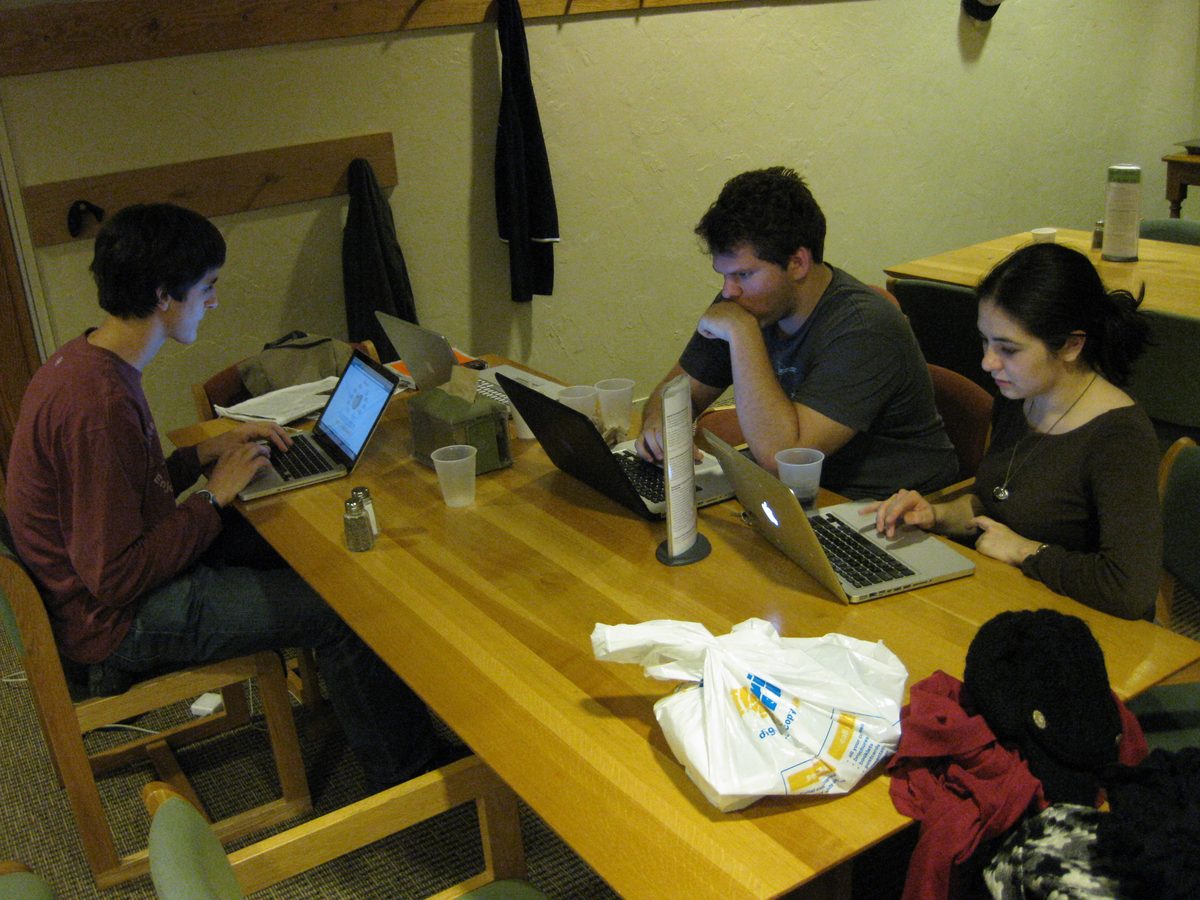
Why study groups fail, from social loafing confirmed in 78 studies in 1993 to Yale research on why we overestimate understanding. Here
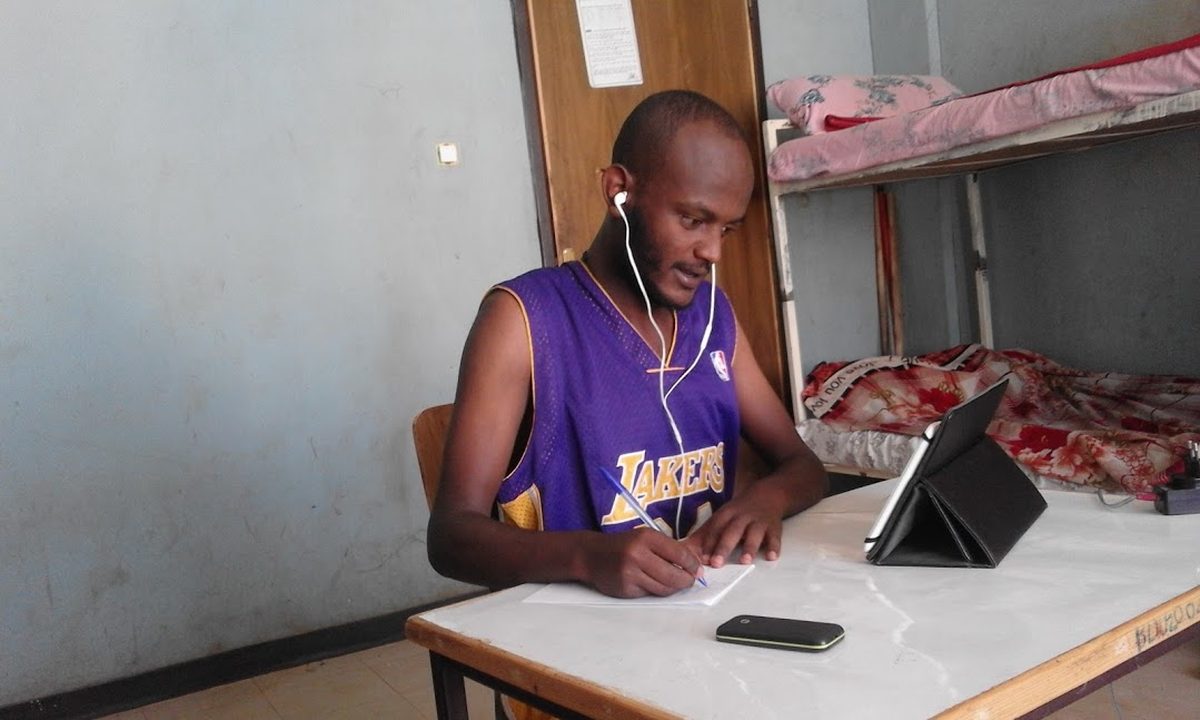
Interleaving mixes topics in one study session instead of blocking one at a time. See real examples, the research behind it, and how

Blanking out in exams is retrieval failure, not missing knowledge. Anxiety drains working memory; rereading builds false confidence. Here

Sleep 7-8 hours, study in 25-50 minute blocks, and exercise daily. The science-backed way to study for exams without burning out, and what
Adults can learn languages well with the right method. The Foreign Service Institute puts Spanish at 600-750 class hours; consistent daily
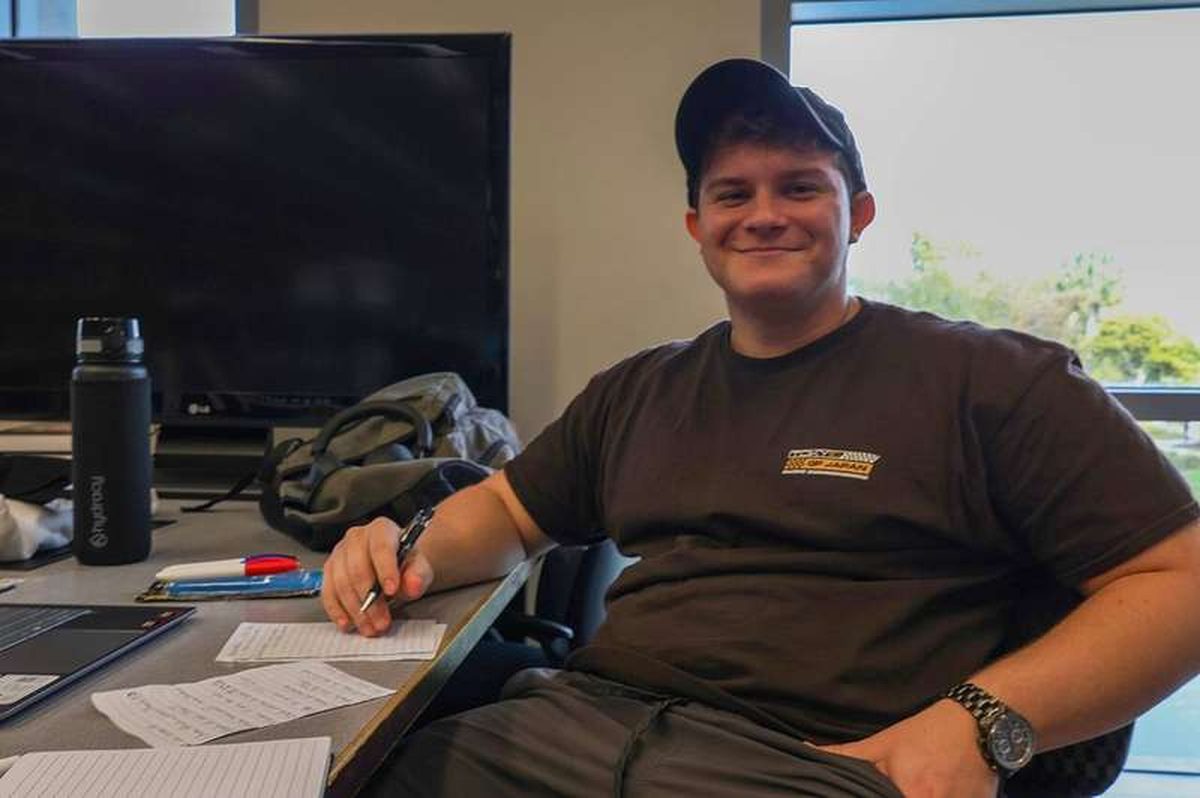
Most notes are written to be reread, which is why they fade. Learn the Cornell method, the handwriting advantage, and retrieval habits that
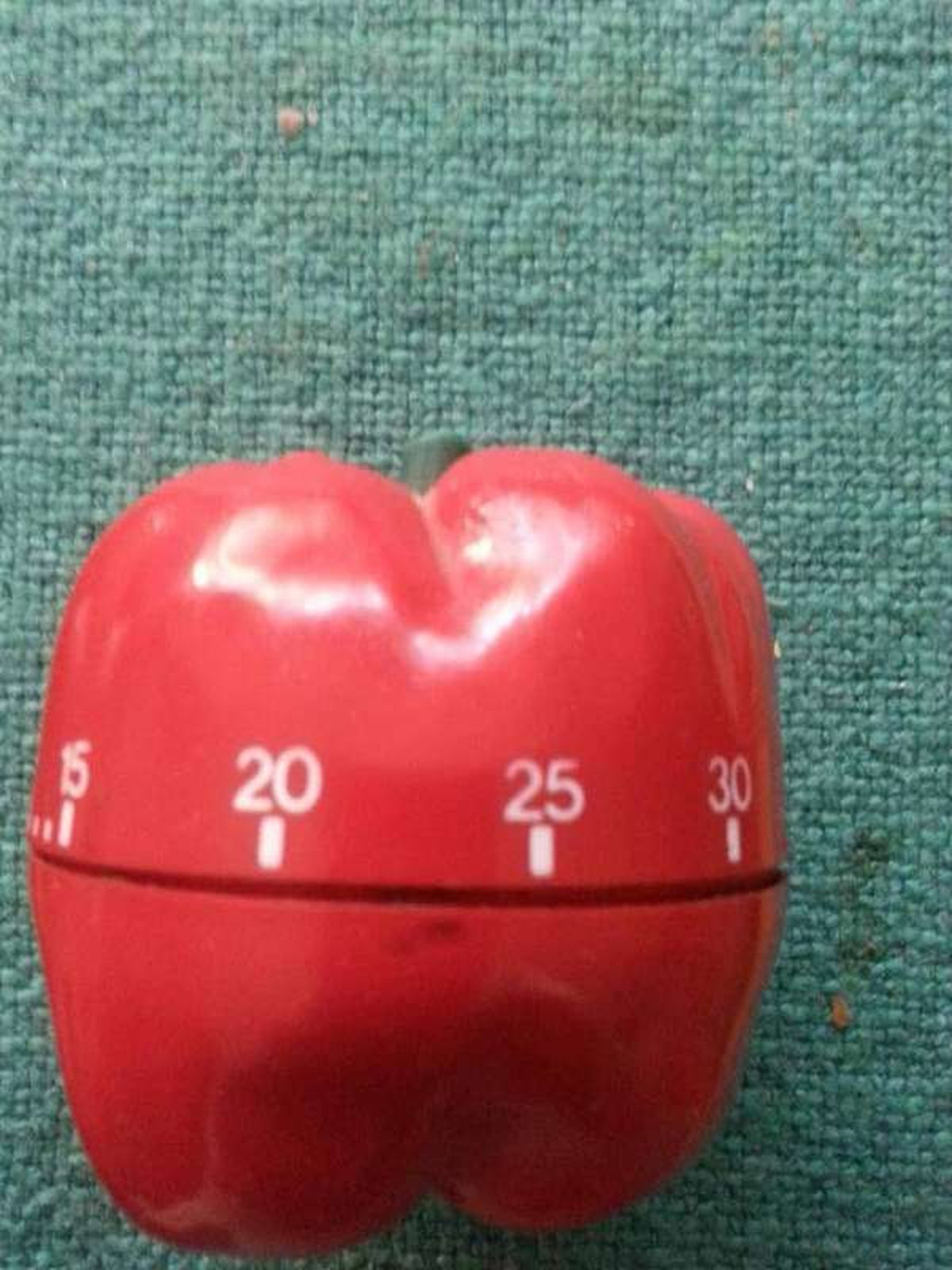
The Pomodoro Technique splits work into 25-minute sessions with short breaks. Research finds better focus and less fatigue, but no clear
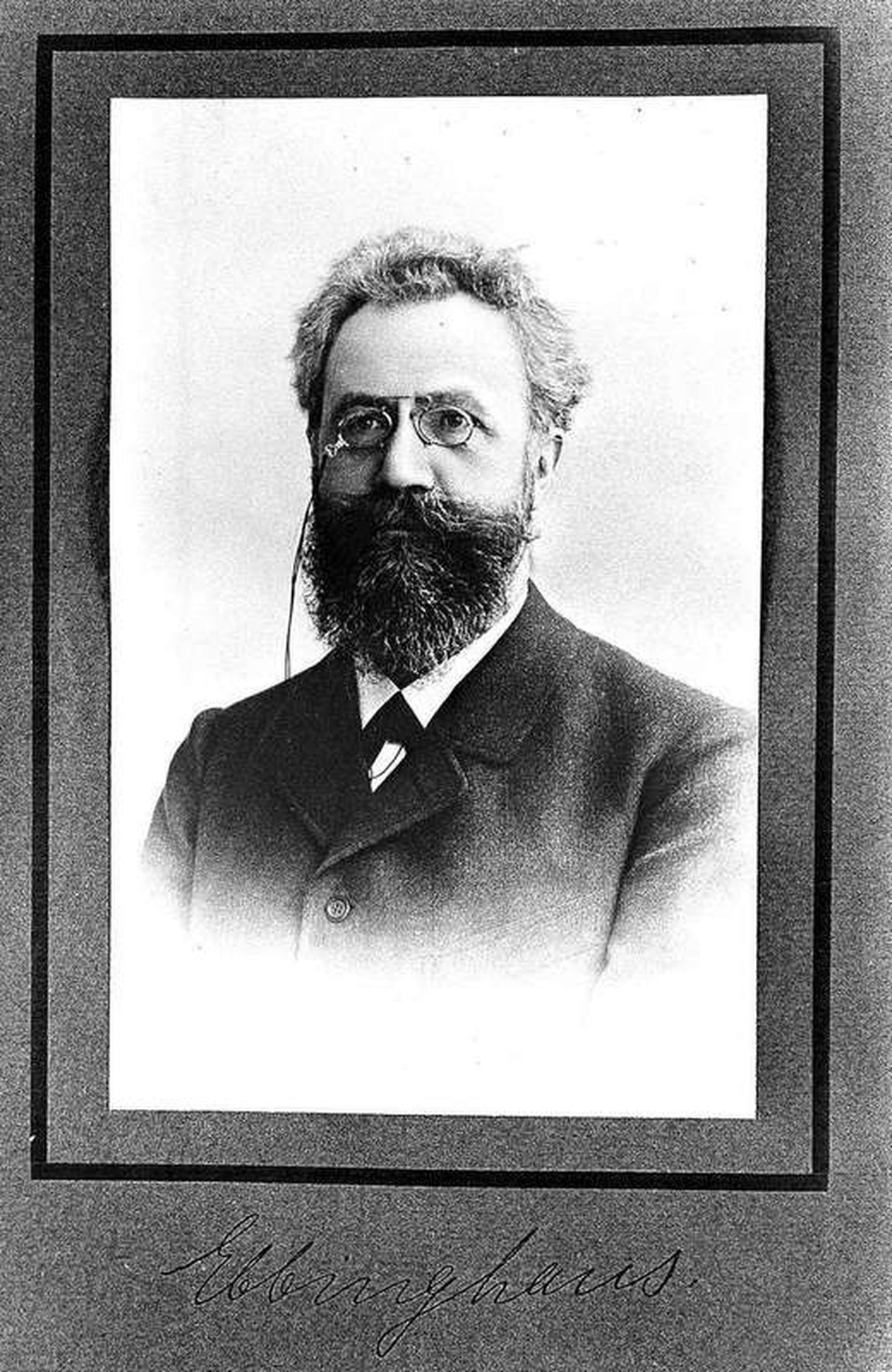
Spaced repetition means reviewing just before you forget. Ebbinghaus mapped the forgetting curve, and research confirms expanding intervals

Active recall beats rereading in study after study, including a 2006 experiment where recallers remembered 61 percent after a week versus
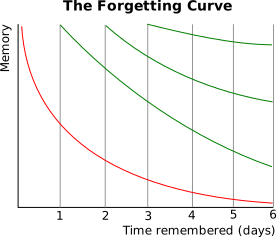
Hermann Ebbinghaus measured it in 1885: two-thirds of crammed facts fade within a day. A 2006 review of 317 experiments confirms spacing