
How to prepare for math exams step by step: a research-backed plan
Key takeaways
- Practice testing beats rereading: solving problems from memory produces stronger long-term retention than restudying notes, per Dunlosky et al. (2013).
- Mix problem types and spread sessions across days: interleaved and distributed practice earned the highest utility ratings in that review.
- Start with a topic audit rated 1 to 3 by confidence, then take a timed mock exam: the UNC Learning Center recommends finding gaps before you study.

A math instructor works through practice problems with students during a college tutoring session. Photograph: Germanna CC
Image Credits: Wikimedia Commons
Preparing for a math exam means solving problems you have never seen before, under time pressure, without notes. That is a skill, not a memory task, so how you study matters more than how many hours you log.
Cognitive scientists have actually ranked the common study methods. In a 2013 review by John Dunlosky and colleagues, only two techniques earned high-utility ratings: practice testing and distributed practice. Distributed practice means testing yourself and spreading study sessions across days instead of cramming.
This article explains math exam preparation: what the research says about how to prepare for math exams, a 7-step preparation plan, how to practice problems effectively, and what to do the night before and on exam day.
How to prepare for math exams, according to research
Dunlosky, Rawson, Marsh, Nathan, and Willingham reviewed ten learning techniques in 2013 and rated each on how well it worked across ages, materials, and settings. Practice testing and distributed practice earned high-utility ratings because they helped learners of different ages with many kinds of material, in classrooms as well as laboratories.
Three more techniques earned moderate ratings, meaning the evidence was promising but thinner: interleaving, elaborative interrogation, and self-explanation. Highlighting, rereading, and summarization earned low ratings, which means time spent on them usually pays off less than the same time spent testing yourself.
For math specifically, mixing problem types matters. Writing in 2019, Robert and Elizabeth Bjork summarized classroom studies by Rohrer and colleagues showing that interleaving problems, rather than drilling one procedure in a block, improves a student's ability to pick the right method on a later test. The workbook habit of doing twenty identical problems in a row acts like a crutch: the chapter tells you which procedure to use, but the exam will not.
Dunlosky's review reports the payoff clearly. In one study, blocked practice felt easier and looked better during practice, but the advantage reversed on a delayed test, where interleaved practice boosted accuracy by 43 percent.
Retrieval practice has its own evidence base. In Roediger and Karpicke's 2006 experiments, students who restudied a passage did better on an immediate test, but students who practiced recalling it did better when tested a week later. The lesson for math: attempt each problem from memory before checking the solution.
The UNC Learning Center gives STEM students the same advice. It warns against looking at the answer before attempting a problem, calling it a robbery of a valuable learning opportunity that feeds illusions of comprehension. Explaining material out loud, to yourself or a friend, is one of its recommended self-tests.
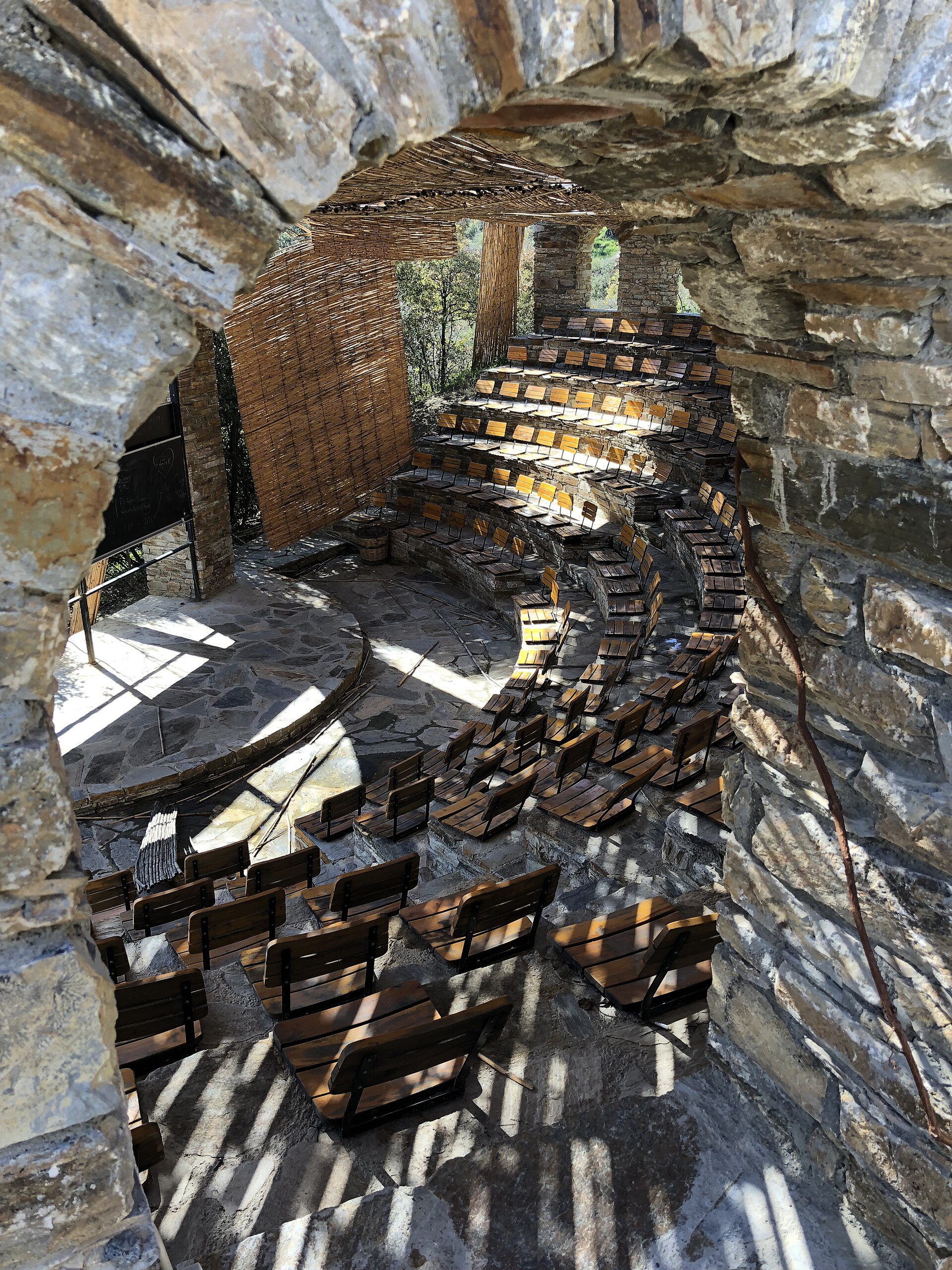
Students work through problems in a mathematics classroom at Nesin Mathematics Village. Photograph: Raicem
Image Credits: Wikimedia Commons
The 7-step math exam prep plan
A week is a realistic runway for most math exams. Start with step 1 as early as you can, even two weeks out, and spread the rest across daily sessions. Spreading work across days is not just scheduling advice: our guide to spaced repetition explains how gaps between sessions strengthen memory.
- List every topic that could be tested. Pull topics from the syllabus, textbook, class notes, and past quizzes. The UNC Learning Center calls this step 1 of strategic test prep: know what is on the table before you study anything.
- Rate each topic from 1 to 3. Give a 1 to topics you do not know, a 2 to ones you sort of know, and a 3 to ones you know cold. Spend almost all your time on the 1s and 2s.
- Relearn the 1s before drilling them. Read your notes on the weakest topics first, then immediately switch to problems. Studying a concept and then testing it in the same session mirrors the retrieval pattern the research supports.
- Build mixed problem sets. Shuffle problem types within each session instead of finishing all the algebra before touching geometry. This is interleaving, and examples of how to schedule it are in our article on interleaved studying.
- Take a timed mock exam. Assemble a practice test from homework, textbook questions, and old quizzes, then solve it under exam conditions: no notes, a real time limit. Timed practice exposes pacing problems that untimed study hides.
- Review every mistake and fix the cause. For each wrong answer, write down whether it was a concept gap, a careless error, or a time problem. Keep an error log and redo each missed problem from scratch two days later.
- Redo old mistakes the day before. Your final review should be the error log and your weakest topics, not new material. If you can solve your old mistakes cold, you are ready.
How to practice problems effectively
Attempt every problem from memory first and use the textbook only to check your work. Reading a worked solution feels productive but builds recognition, not the recall an exam demands. This is the same reason highlighting and rereading rank so low in the research.
As you work, ask yourself why each step works, not just what the step is. This habit, called elaborative interrogation, connects new procedures to concepts you already understand. Explaining a solution out loud works the same way and quickly reveals steps you cannot actually justify.
Keep sessions focused and short. Work in blocks of 25 to 50 minutes with real breaks in between, and stop when your accuracy drops: tired practice trains sloppy habits. Our look at the Pomodoro technique covers how time-boxing affects focus.
Build your own formula sheet as you go. Writing down each formula from memory, with a note on when to use it, doubles as review and gives you a legal reference if the exam allows one. Bring your unsolved problems to office hours or a study partner, since teaching a concept to someone else is one of the fastest ways to find holes in your own understanding.

Students working at a blackboard during a mathematics class, in a historic classroom photograph. Photograph: Frances Benjamin Johnston
Image Credits: Wikimedia Commons
What to do the night before and on exam day
The night before, review lightly: your error log, your formula sheet, and the topics you rated 2. Do not start new topics, and get a full night of sleep instead of cramming. Sleep consolidates what you practiced, while an all-nighter trades recall for exhaustion.
Lay out everything the exam allows: ID, calculator with fresh batteries, pencils, and any permitted formula sheet. Check the exam location and start time so the morning has no surprises.
On exam day, read through the whole paper before writing anything, then budget your time per question and do the problems you find easiest first. Showing your working earns partial credit on most math exams, so never leave a question blank: write down what you know and attempt the first steps.
If you blank out mid-exam, skip that question and solve another one. Returning with fresh eyes often unlocks the stuck step. There are more techniques for this exact moment in our guide to what to do when you blank out during tests.
Frequently asked questions
How many hours should I study for a math exam?
There is no fixed number, because distributed practice beats total hours. Five focused one-hour sessions across five days will do more than one five-hour cram session, according to the spacing research reviewed by Dunlosky et al. in 2013. Start a week out and let your topic ratings decide the workload.
Should I study math the night before the exam?
Keep it light. Redo problems you previously got wrong and review your formula sheet, but do not attempt new topics. New material studied the night before rarely consolidates in time and can shake your confidence.
Is it better to memorize formulas or understand them?
Understanding wins, with memorization as the backup. Exams increasingly test whether you can choose the right method for an unfamiliar problem, which is exactly the skill interleaved practice builds. Derive each formula once by hand so you remember why it works, then memorize it for speed.
Should I redo my homework problems to study?
Yes, but with a twist. Redo them from memory without looking at your old solutions, and mix problems from different chapters into one session. If you only redo them in chapter order, you are practicing with the crutch of knowing which method to use.
What if I run out of time during the math exam?
Prevent it during prep by taking timed mock exams and learning your per-question pace. During the exam, skip stuck questions and bank the easy marks first. Write down partial working for everything, since partial credit can save a grade even when time runs out.
The bottom line
Math exams reward problem-solving skill, not memorized notes, so prepare the way the research says works: test yourself from memory, spread sessions across days, mix problem types, and take at least one timed mock. Start tonight by listing your topics and rating them 1 to 3, then let that audit direct every study hour.
---
Rive News is the research desk of this publication, producing evidence-based explainers on study science, exams, and learning.
Latest in Education
- Interleaving vs blocking: study examples that work
- Spaced repetition: how study intervals actually work
- What to do when you blank out during a test
Get one evidence-based study guide in your inbox every morning. Subscribe to the Education newsletter.
Found an error? We correct factual mistakes promptly: email corrections with the article URL and the fix.
Copyright 2026. All rights reserved. Content is for informational purposes and reflects published research at the time of writing.
Related stories

Why Do I Blank Out During Tests Despite Studying: Test Anxiety and Retrieval Failure
Blanking out in exams is retrieval failure, not missing knowledge. Anxiety drains working memory; rereading builds false confidence. Here

How to Study for Exams Without Burning Out
Sleep 7-8 hours, study in 25-50 minute blocks, and exercise daily. The science-backed way to study for exams without burning out, and what

Why Do I Forget What I Just Read? Science Has an Answer
You forget what you just read because of the forgetting curve, mapped by Ebbinghaus in 1885. Science explains why memory fades fast and how