
Science
Why Do We Dream? What Scientists Think Dreams Actually Do
From random neural noise to memory consolidation and threat rehearsal, scientists offer several theories of why we dream. The evidence
 Monday, October 12, 2026
The latest science explainers on Rive News: sourced, human-written guides. Browse topics or read the newest stories below.
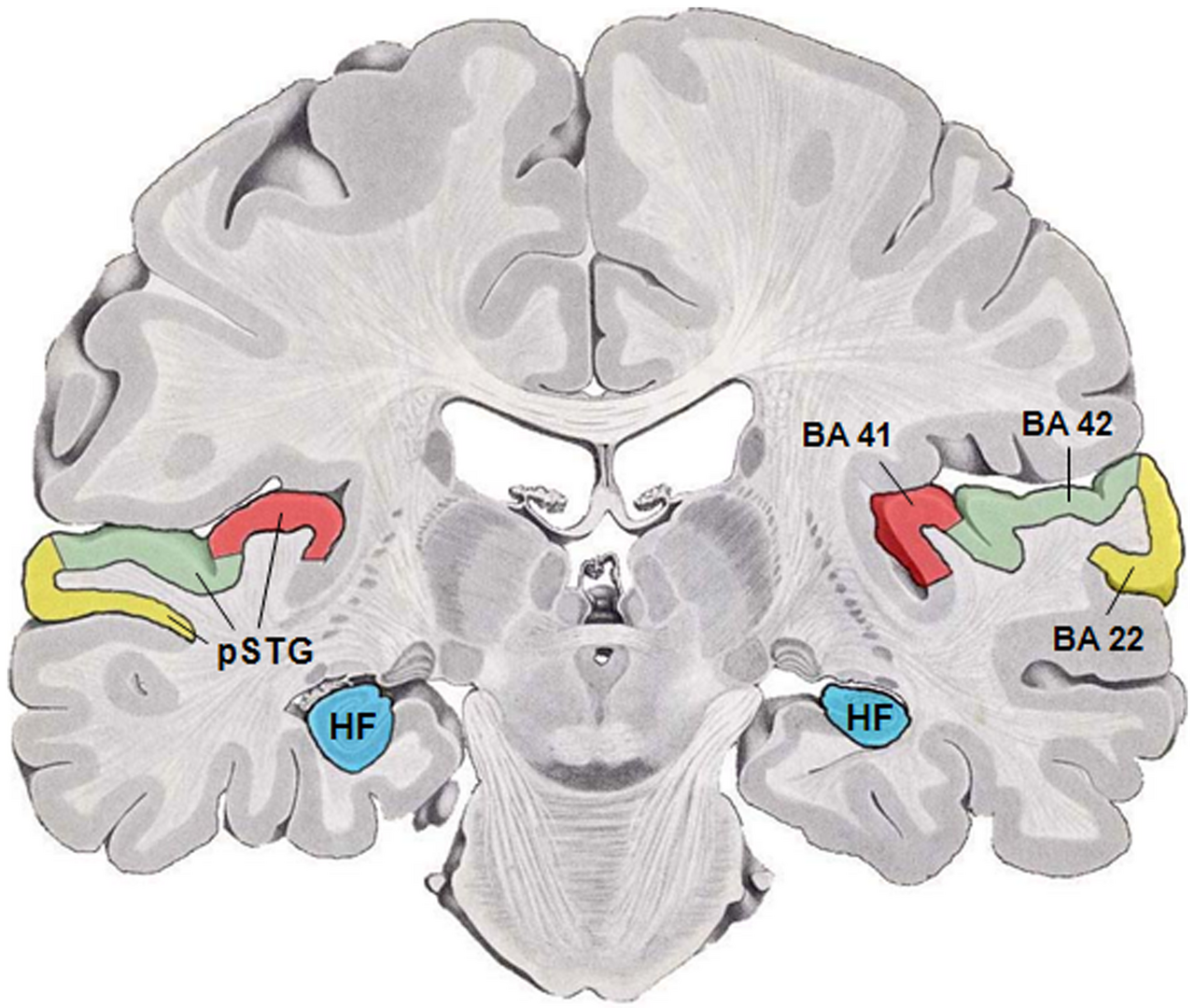
Déjà vu may be your brain catching its own memory error in real time. Frontal fact-check regions, matched-room experiments, and the epilepsy link inside.
From random neural noise to memory consolidation and threat rehearsal, scientists offer several theories of why we dream. The evidence

Metal and wood at the same temperature feel different because metal conducts heat away from skin far faster. Thermal conductivity numbers
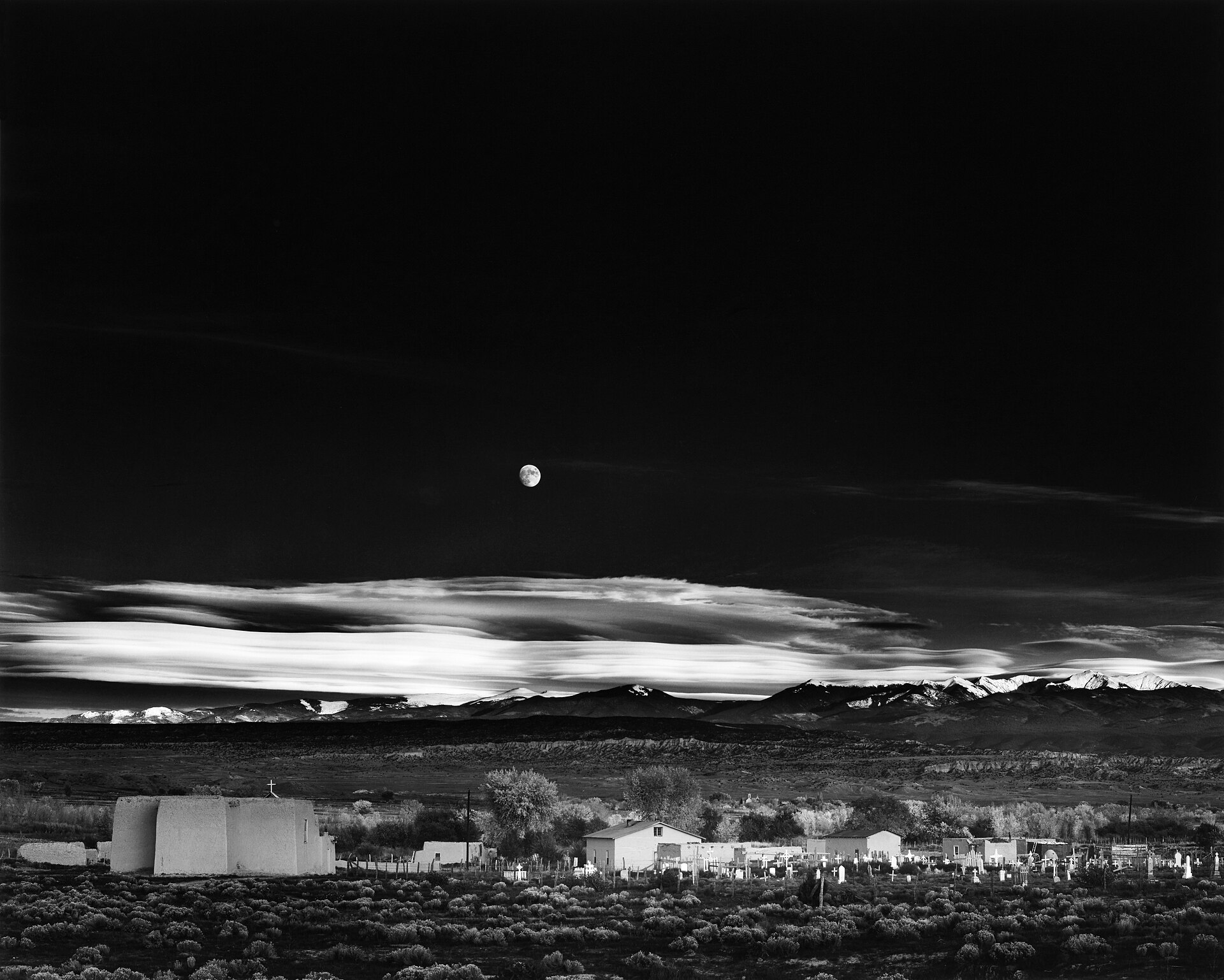
The moon looks bigger near the horizon because of the Ponzo illusion: your brain reads the horizon as farther away and scales the moon up.

ANC headphones sample outside noise, generate a mirror-image wave, and cancel it by destructive interference. Feedforward, feedback,
Expecting relief can trigger your own painkillers and dopamine. This explainer covers how the placebo effect works, where it stops,
Cold winter air holds less moisture, so static charge builds instead of draining away. Physicists explain triboelectric charging and how

Brain-cooling research suggests yawning cools an overheated brain, and contagious yawns may keep a whole group alert. Here are the key

Leafless trees survive winter through dormancy, natural antifreeze sugars, controlled ice formation, and bark insulation. Here
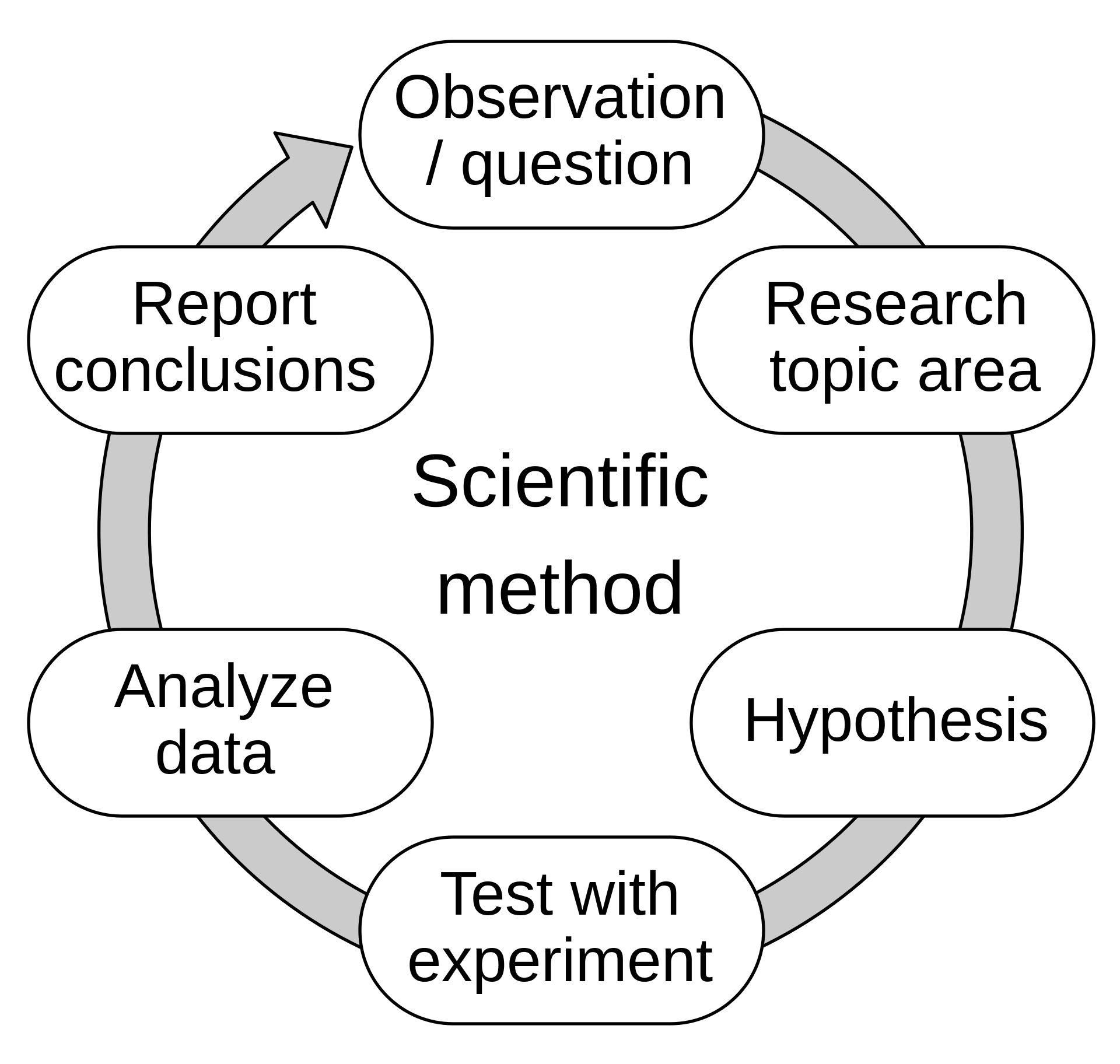
A hypothesis is a testable prediction; a theory is a well-tested explanation backed by evidence. See how they differ and why big ideas are
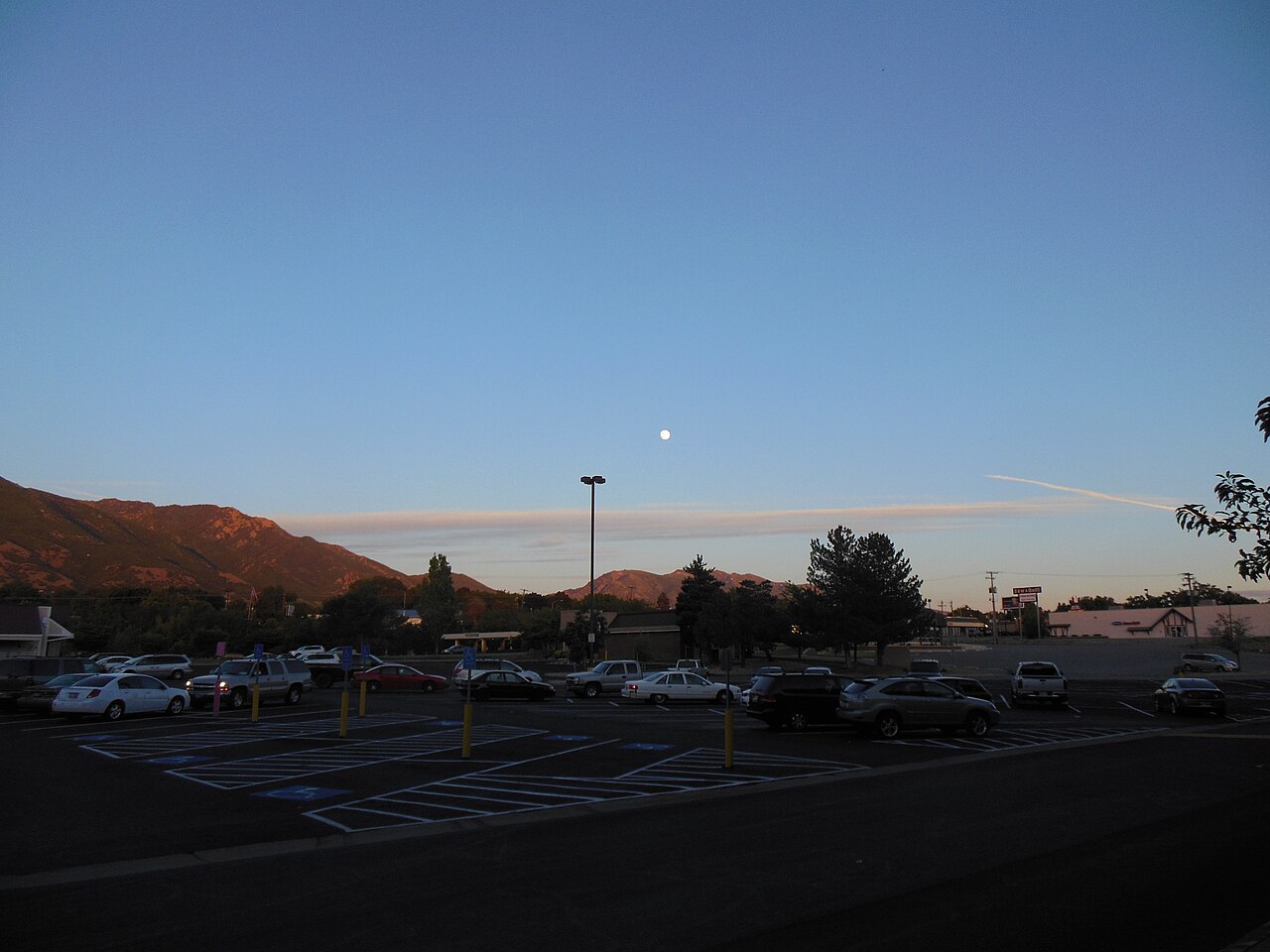
The Moon spends nearly as much time in the daytime sky as at night. Learn why you can sometimes see the Moon during the day, and which

The sky turns orange at sunrise and sunset due to Rayleigh scattering. Sunlight crosses more air, blue light scatters away, and red-orange

Earth takes 365.2422 days to orbit the Sun, so we add February 29 every four years. Learn why leap years exist, how the century rule works

Diamond and graphite are both pure carbon, yet diamond is 10 on the Mohs scale and graphite is 1 to 2. The difference is not the atoms;

Hot water can freeze faster than cold under specific conditions. The Mpemba effect, named for a 1963 schoolboy experiment, still divides

Magnetism comes from electrons: their spin and orbits make each atom a tiny magnet. In iron, quantum forces align these atomic magnets into
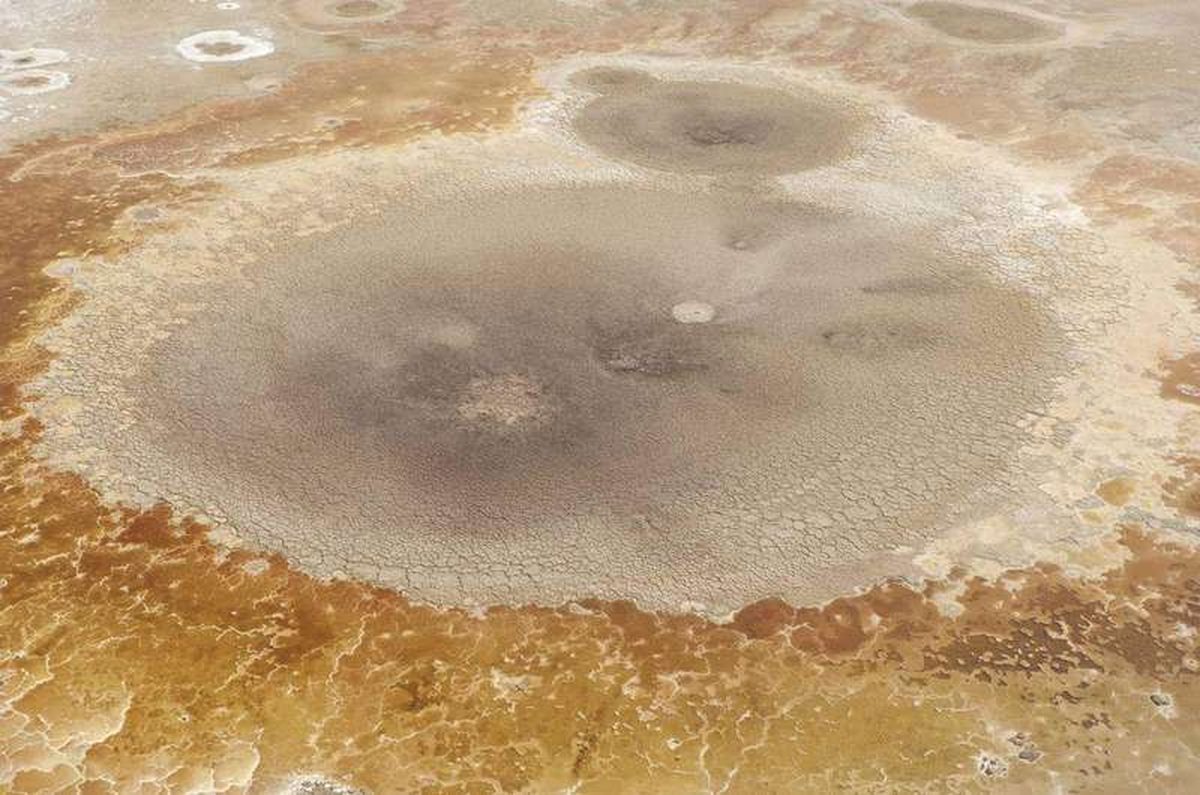
Rivers deliver about 4 billion tons of salt to the sea each year, and evaporation leaves it behind. That is why oceans are salty and lakes
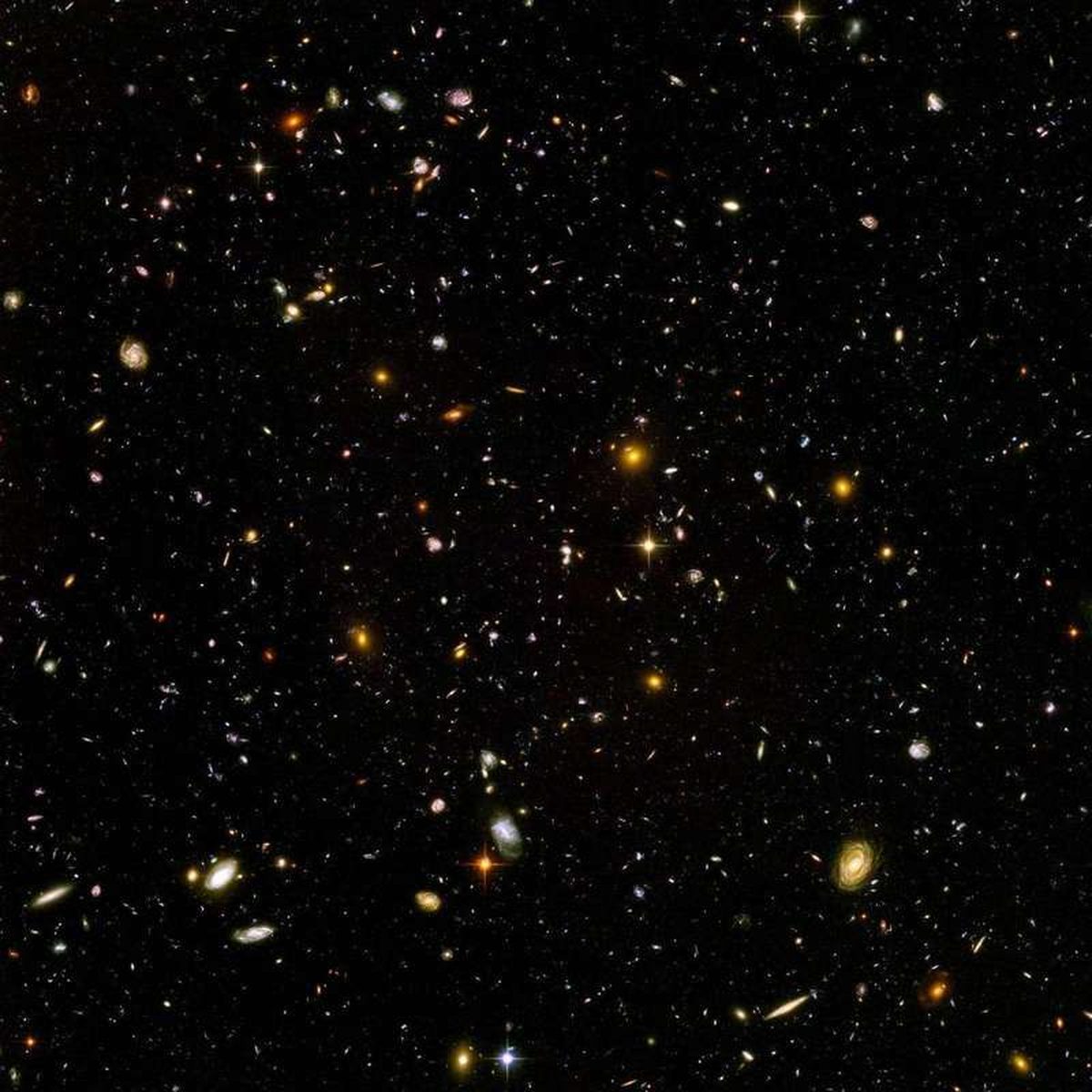
Scientists date the universe to 13.8 billion years by reading the cosmic microwave background and rewinding the expansion of space back

The sky is blue because air molecules scatter sunlight; space is black because there is nothing there to scatter it. Both answers, placed

Vaccines give the immune system a safe practice run: antibodies respond first, then memory B and T cells stand guard for years.

Weather is what happens this week; climate is the 30-year average. NASA's definitions, why one snowy day changes nothing, and how
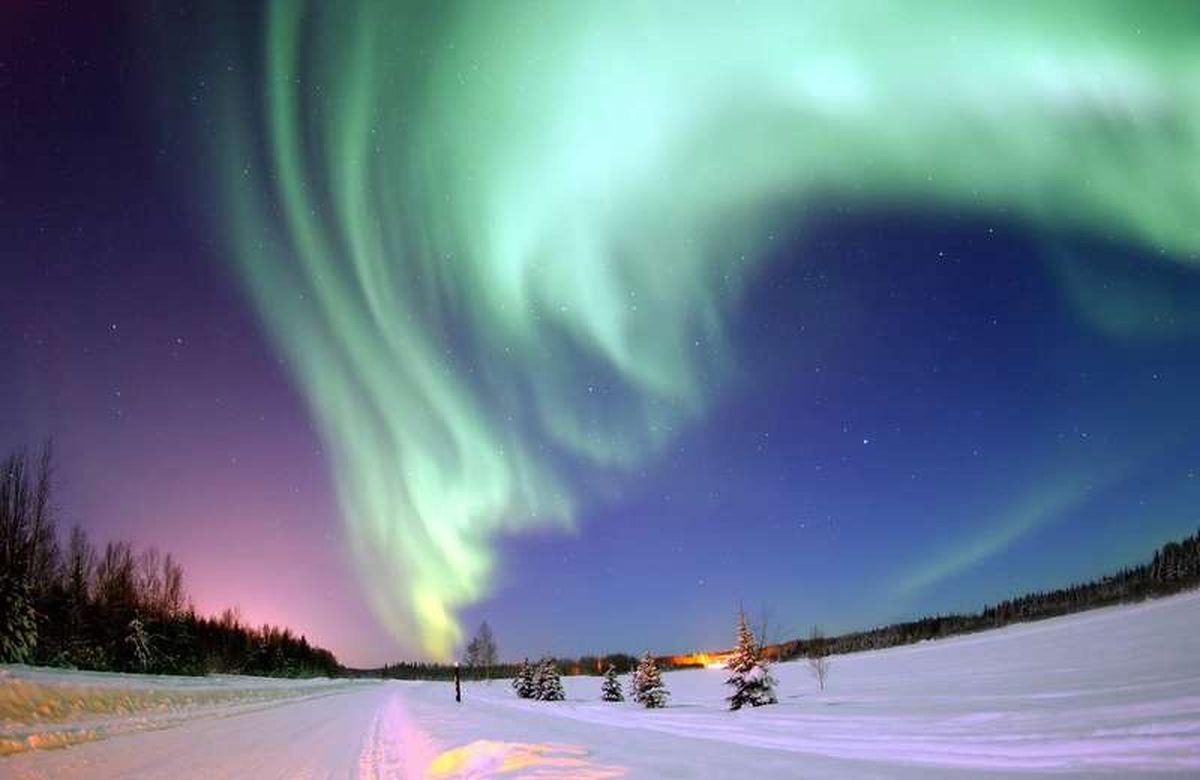
Northern lights begin as charged particles from the sun, ride Earth's magnetic field to the poles, and glow when striking oxygen
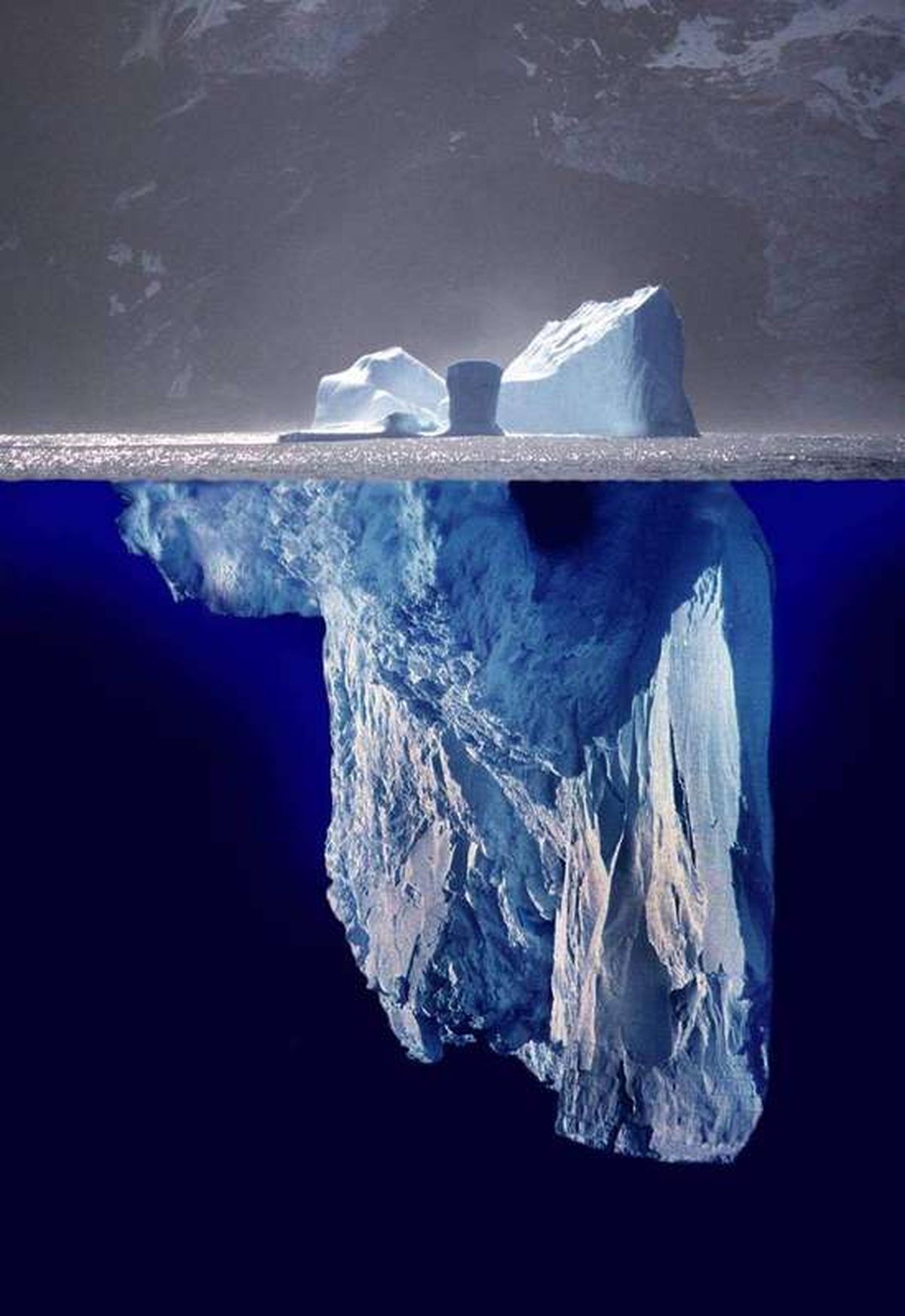
Ice floats because hydrogen bonds lock water molecules into an open crystal that is 9% less dense than liquid water. Most solids pack

Sunrise and sunset glow orange because low sunlight crosses more atmosphere, scattering blue light away. NASA and NOAA explain the Rayleigh

The sun looks like it circles Earth, but our planet spins eastward at up to 1,670 km/h, carrying us into the light each dawn. Why the old

Most adults feel the years accelerate with age, and studies back them up. The memory, routine, and proportion theories behind time speeding