
What Causes Déjà Vu? What Neuroscience Says Happens in the Brain
By Rive News
Research desk | Rive News
Key takeaways
- Déjà vu is a false familiarity signal: the brain feels it has seen this before, but it has not.
- Brain scans show frontal fact-checking regions light up, as if catching the error in real time.
- Up to 97% of people experience it; very frequent episodes can warrant medical attention.
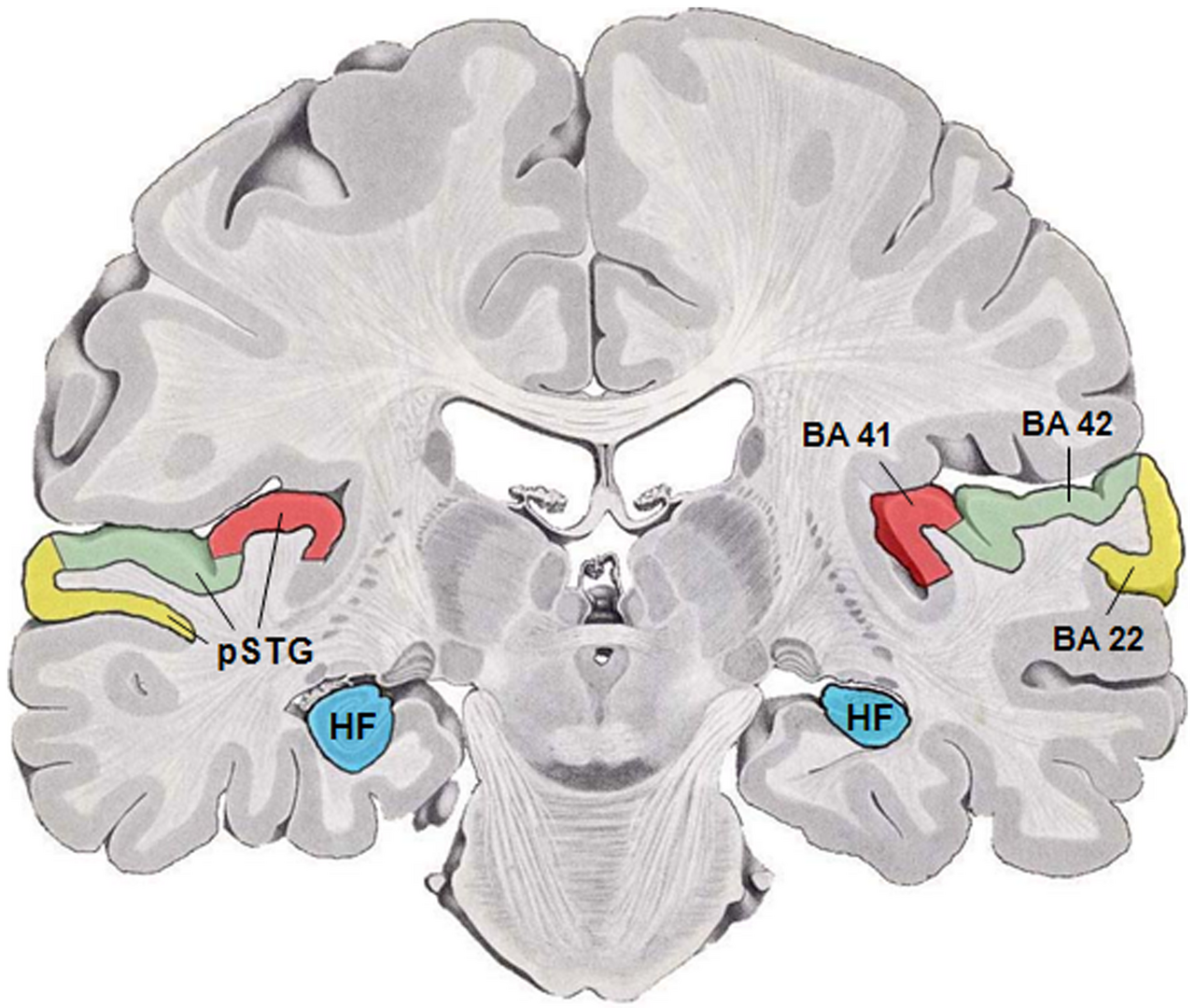
Image Credits: Wikimedia Commons
This article is for general information only, not medical advice.
You walk into a room you have never entered. A cold certainty washes over you: you have been here before. You know you have not.
The feeling lasts seconds and fades, leaving you slightly unsettled. That is déjà vu, French for "already seen." It is one of the most common strange experiences a healthy brain produces.
Past studies suggest up to 97 percent of people experience it at least once in their lives. For a century the easy guess was a crossed wire, a memory glitch. The newer science says something almost opposite: déjà vu may be the feeling of your brain fact-checking itself in real time.
This article explains what neuroscience currently thinks is happening when the present feels like the past.
The false familiarity signal
The core of déjà vu is a mismatch between two brain systems. The medial temporal lobe, which handles memory, can fire at the wrong time. It generates a strong sense of familiarity with no matching memory behind it. You feel recognition, but there is nothing to recognize.
One classic account, the dual-processing theory, says sensory information reaches higher brain centers through parallel pathways (separate routes). Sometimes one path lags a fraction behind the other. The brain then mistakes the second, slower signal for a retrieved memory. The present arrives twice, and the duplicate feels like the past.
A related idea is simpler: a new scene can contain familiar elements from old experiences. A certain layout of furniture, a quality of light. The brain's pattern-matching overgeneralizes (matches too eagerly). The feeling of "I have been here" is real. The memory is not.
Your brain's fact-checker catches the error
The most surprising finding in recent déjà vu research came from inside a brain scanner. Akira O'Connor, a psychology lecturer at the University of St Andrews, learned to trigger déjà vu in volunteers in 2016 and watched what lit up.
It was not the memory storage areas. It was the frontal regions of the brain, the areas responsible for memory monitoring and conflict checking. O'Connor concluded that déjà vu might be the result of the brain trying to resolve an error between what you think you have seen and what you are actually seeing.
That reframes the experience. Déjà vu may not be a memory failure so much as a monitoring success: the frontal cortex (the brain's front area) notices the familiarity signal has no supporting evidence and flags the conflict.
The eerie feeling is the flag itself. As one summary of the work put it, it is a sign that the fact-checking brain regions are working well, preventing you from misremembering events.
Fatigue makes the whole system noisier. When the brain is tired, nerve cell firing gets sloppier. O'Connor notes this makes déjà vu more likely.
That fits the common pattern of episodes striking in the evening. Dopamine, the brain chemical involved in signaling familiarity, also plays a role. That may explain why drugs that alter dopamine levels can increase déjà vu reports.
Image Credits: Wikimedia Commons
The matched rooms that proved layout matters
Psychologist Anne Cleary took a different approach: she built the trigger from scratch. Using The Sims and virtual reality, her team built new rooms that shared the spatial layout of rooms participants had seen before but could not consciously recall.
The matched rooms produced déjà vu on their own. A place shaped like a forgotten place was enough to set off the familiarity alarm, with no actual prior visit. The experiment, published in Psychological Science in 2012, showed that déjà vu can be manufactured from geometry (shapes and layouts) alone.
Cleary also tested the spooky part: the sense that you know what happens next. Participants guessed upcoming events no better than chance. The premonition is an illusion the brain writes half a second too late.
The epilepsy connection
There is a clinical side to déjà vu. Patients with temporal lobe epilepsy sometimes experience it as a warning before a seizure. The same abnormal electrical impulses that drive seizures can produce the false familiarity signal. "Clinical reports show that some patients who suffer from temporal lobe epilepsy report experiencing déjà vu, almost as a sort of warning, before an epileptic seizure event," researcher Alan Brown's colleague noted in ScienceDaily's 2016 coverage.
The same kind of misfiring can appear in healthy brains in milder forms. The hypnagogic jerk, that involuntary twitch as you fall asleep, is another example of nerve cells firing out of turn.
For most people, occasional déjà vu is normal. But very frequent, intense, or long-lasting episodes, especially alongside symptoms like confusion, headache, or shaking, are worth discussing with a healthcare professional.
Why younger people get it more
Déjà vu peaks in the young. That seems backward, since older brains have more memory quirks. But O'Connor's explanation is neat: younger people have stronger neural activity and healthier frontal fact-checking regions, so they notice the error signal more often. As we age, the ability to catch the mismatch may quietly decline.
People who travel often, remember their dreams, or are highly educated also report it more often, according to research summaries. A brain that processes more novelty has more chances to misfire on familiarity.
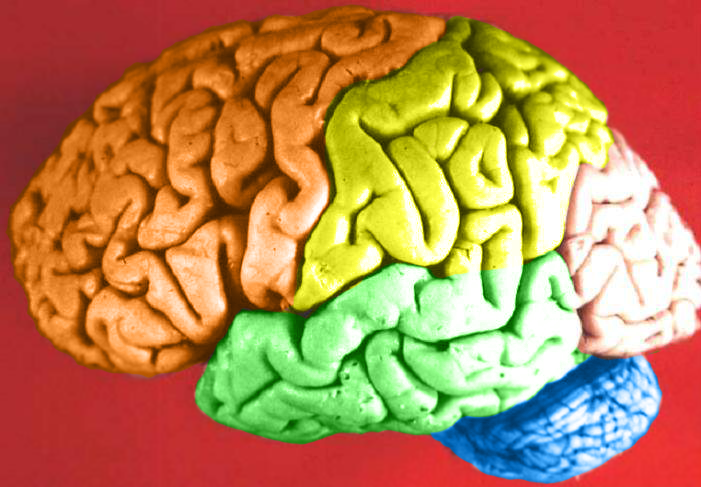
Image Credits: Wikimedia Commons
Frequently asked questions
Is déjà vu a psychic premonition or past life memory?
No. Experiments show the "I know what happens next" feeling predicts nothing better than chance. It is a memory-processing event, not evidence of the supernatural.
Why does déjà vu happen more when I'm tired?
Fatigue disrupts the brain's recognition processes and makes nerve cell firing sloppier. That raises the odds of a false familiarity signal.
Can stress cause déjà vu?
Anxiety can change how the brain perceives and processes information. Stress is listed among the factors that make episodes more likely.
Should I see a doctor about déjà vu?
Occasional brief episodes are normal. Frequent, intense, or long-lasting déjà vu, or déjà vu with other neurological symptoms, is worth discussing with a healthcare professional.
The bottom line
Déjà vu looks less like a broken memory and more like a working alarm: the temporal lobe fires a false familiarity signal, and the frontal cortex catches the mistake in real time. The uncanny feeling is your brain doing its job. For the vast majority of people, it is a brief, harmless reminder of how actively the brain monitors itself.
---
Rive News's research desk covers everyday science with cited studies and no hype.
Latest in science
- Why Do We Yawn, and Why Is Yawning So Contagious?
- Why Does Time Feel Faster as You Get Older?
- How the Placebo Effect Works
- Why Your Brain Freezes on Cold Drinks
Subscribe for one clear science explainer in your inbox every morning.
Rive News follows a corrections policy: factual errors are fixed promptly and noted. This article is for general information only, not medical advice.
Related stories

Why diamond is hard and graphite is soft when both are carbon
Diamond and graphite are both pure carbon, yet diamond is 10 on the Mohs scale and graphite is 1 to 2. The difference is not the atoms; it i

Why Hot Water Can Freeze Faster Than Cold: The Mpemba Effect Explained
Hot water can freeze faster than cold under specific conditions. The Mpemba effect, named for a 1963 schoolboy experiment, still divides phy

How Magnets Work at the Atomic Level: Spins, Domains, and Iron
Magnetism comes from electrons: their spin and orbits make each atom a tiny magnet. In iron, quantum forces align these atomic magnets into