
What Is the Placebo Effect and How It Works in the Brain
By Rive News
Research desk | Rive News
Key takeaways
- The placebo effect is real brain chemistry where expectation triggers endorphins and dopamine, not imagination.
- Placebo pain relief disappears when researchers block opioid receptors with naloxone, proving the chemistry is real.
- Placebos ease symptoms like pain, nausea, and fatigue but cannot shrink tumors or cure disease.
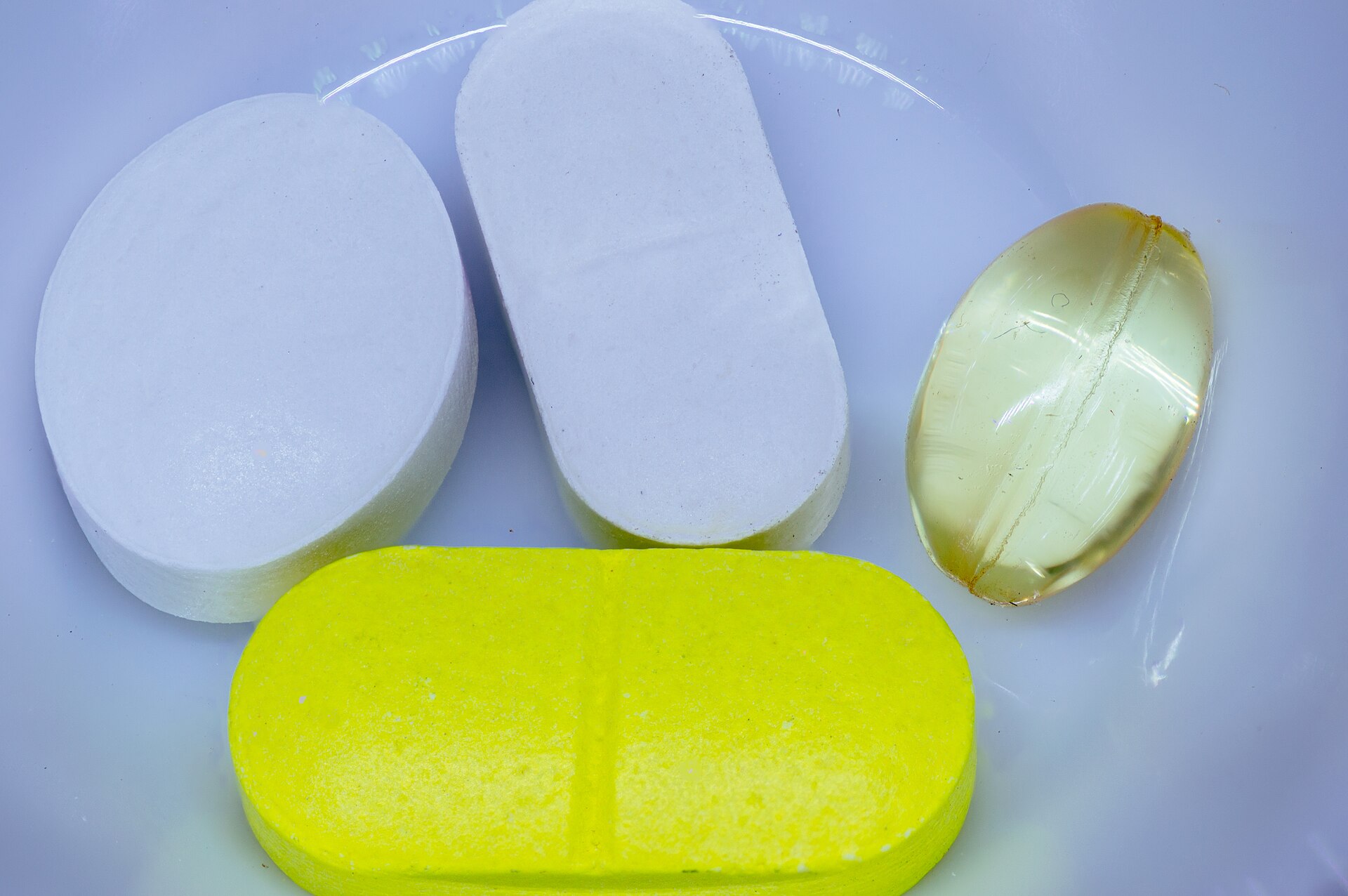
The placebo effect is what happens when a person feels genuinely better after a treatment that has no active ingredient.
A sugar pill eases a headache. A saline injection calms pain. An elaborate sham surgery quiets an aching knee.
Nothing in the treatment itself could cause the change. Yet the improvement is real, and brain scans can see it.
This article explains what the placebo effect is. It covers the neurochemistry behind it, the famous studies that proved it is physical, its hard limits, and the strange case of placebos that work even when patients know they are placebos.
What is the placebo effect?
A placebo is an inactive treatment. It can be a pill with no medicine, an injection of salt water, or even a surgical procedure where the surgeon only makes skin incisions. The placebo effect is the genuine improvement that sometimes follows.
It is driven by expectation, learned responses, and the context of care. When a person believes a treatment will help, the brain does not just sit quietly. It prepares for relief. That preparation sets off chemical cascades of its own.
Importantly, the effect is strongest where perception plays a role: pain, nausea, fatigue, anxiety, and sleep. It changes how symptoms feel. It does not rewrite the underlying disease.
How does the placebo effect work in the brain?
Endorphins and the naloxone proof
The clearest proof comes from pain research. In the late 1970s, Jon Levine and colleagues showed that the drug naloxone wipes out placebo pain relief. Naloxone blocks opioid receptors.
Block the receptor, and the "fake" pill stops working. That finding established the core mechanism. Expecting relief prompts the brain to release endorphins. Endorphins are its own natural painkillers. They bind to opioid receptors in the brainstem and spinal cord and dampen pain pathways.
The expectation itself appears to start in the prefrontal cortex. That is the part of the brain that handles planning and prediction. MRI scans have shown that the placebo response decreases blood flow in the regions of the spinal cord that let pain signals through. The dampening starts before pain signals ever reach conscious awareness.
Dopamine and the reward circuit
University of Michigan researchers, led by neuroscientist Jon-Kar Zubieta, used brain scans. They showed that a person's response to a placebo painkiller tracks with dopamine activity in the nucleus accumbens, the brain's reward center.
His team had previously shown that simply expecting a placebo medicine to relieve pain prompts the brain to release endorphins. "Receptors for both endorphins and dopamine are clustered heavily in the nucleus accumbens," Zubieta said when the work was published in the journal Neuron in 2007.
The dopamine finding has striking consequences. Fabrizio Benedetti's research at the University of Turin showed measurable dopamine release in the striatum of Parkinson's disease patients. They received placebo injections while believing they had received active medication. An inert substance prompted brains struggling to make dopamine to make more of it.
Expectation is not the only engine. Conditioning plays a role. People who have taken effective medicine before associate the ritual of treatment with relief. The association alone can trigger a response. This is one reason placebo responses in antidepressant trials commonly reach 30 to 40 percent, according to research summaries cited by List25.
The most dramatic demonstration: sham surgery
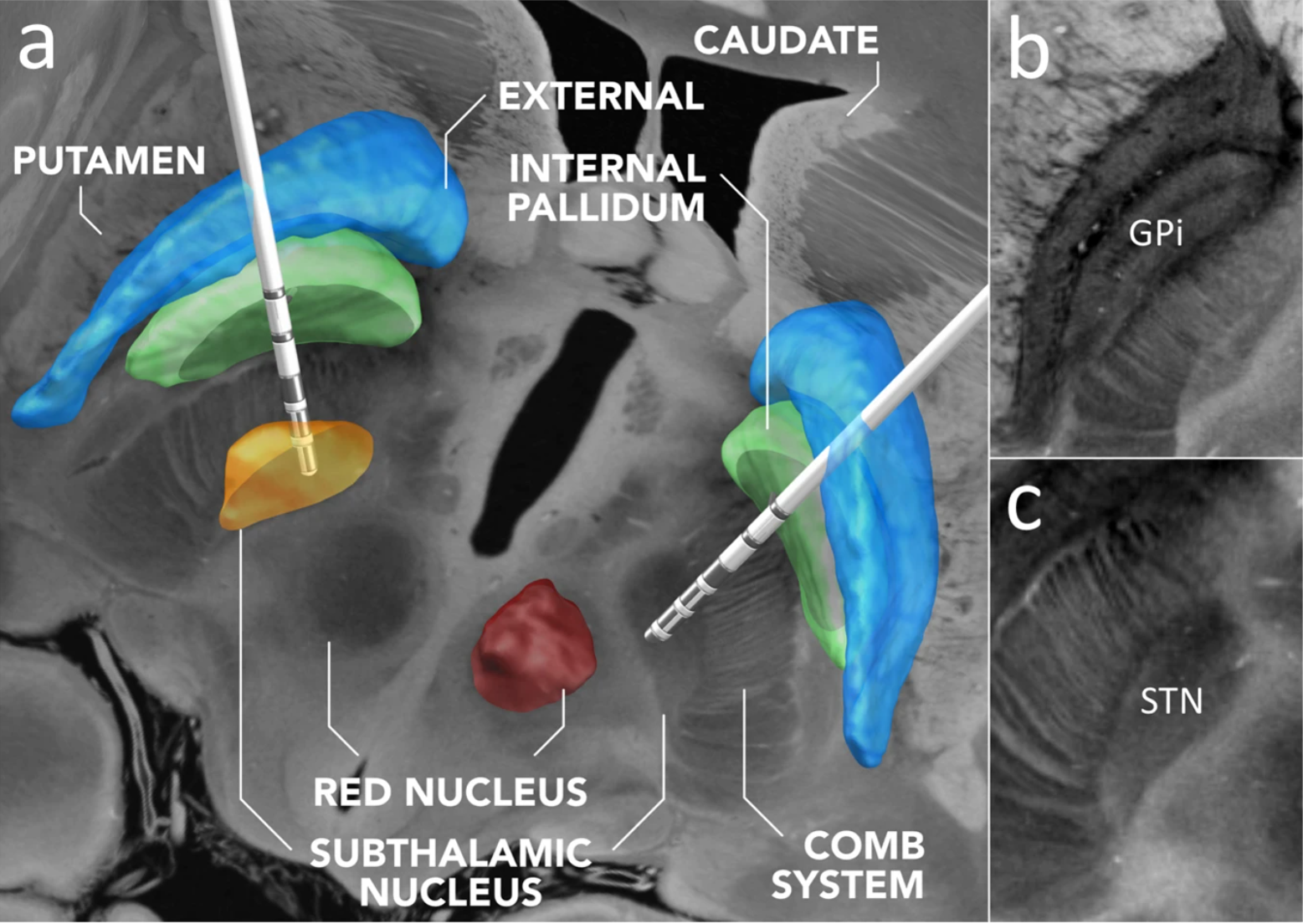
In a 2002 trial published in the New England Journal of Medicine, researchers studied patients with osteoarthritis of the knee. Some received real arthroscopic surgery: either debridement or lavage of the joint. Others received sham surgery. The surgeon made only skin incisions and performed no actual repair.
At no point during the two-year follow-up did the patients who received real surgery report greater pain relief than those who got the sham procedure. Both groups improved similarly. The elaborate ritual of the operating room, the anesthesia, the incisions, the recovery, was enough to produce the benefit.
This result unsettled medicine. It suggested the surgery itself was doing less than believed. It also confirmed that the placebo effect is not a rounding error. In conditions where pain is the main symptom, it can match the real thing.
Why open-label placebos still work
You might assume deception is required. The pill only works if you believe it is real medicine. But Ted Kaptchuk's team at Harvard Medical School ran trials with a twist. Patients with irritable bowel syndrome were told outright that they were receiving an inert placebo. Those patients still improved more than untreated controls.
Researchers suspect the ritual of taking something activates the same machinery. The structure of a treatment schedule helps. The hope that comes with being cared for helps. It is not deception that matters. It is context.
The limits of the placebo effect
Honesty requires the other side of the story. Placebos ease symptoms, not diseases.
"Malaria is not affected by a placebo pill," Kaptchuk has said. "Cancer tumors are not shrunk by placebos. You don't lower cholesterol with placebos."
Careful analyses back him up. Reviews of placebo trials show modest effects concentrated on felt symptoms like pain and nausea. They show little or no movement in objective outcomes like tumor size, lab values, or survival.
The effect also varies widely between people. It does not track neatly with symptom severity. It can last anywhere from minutes to years, according to summaries of the research literature in Deutsches Ärzteblatt International.
The nocebo effect: expectation cuts both ways
Expectation has a dark twin. The nocebo effect is what happens when expecting harm produces real symptoms. If a person is warned that an inactive pill may cause nausea or headache, they are more likely to report exactly those symptoms.
The Cleveland Clinic explains the nocebo effect as producing real side effects and pain simply because they were anticipated. Reading about side effects online before taking a drug can shape what the body reports. This is one reason doctors sometimes struggle to communicate risks. The warning itself is biologically active.
Frequently asked questions
Is the placebo effect just in your head?
No, in the dismissive sense. Brain imaging shows real changes in pain-processing regions. The relief can be blocked by drugs like naloxone. It is "in your head" only in the literal sense that it happens in the brain.
Can a placebo cure anything?
There is no good evidence that placebos cure disease. They reduce how symptoms feel. Anything that claims otherwise is overpromising.
Why do clinical trials use placebos?
Trials compare new treatments against placebos because the placebo response is so strong that many drugs fail to beat it. A drug has to outperform expectation, conditioning, and natural recovery combined to prove it works. This is why understanding how the brain interprets symptoms matters in trial design.
Do placebos work on animals or children?
Evidence is weaker there. Both lack the expectation and cultural conditioning that drive much of the effect. That gap itself supports the idea that conscious belief and learned association are central.
The bottom line
The placebo effect is the brain running its own pharmacy. Expectation triggers endorphins and dopamine, quiets pain circuits, and can match real treatments for felt symptoms. But it has hard edges. No placebo shrinks a tumor or cures an infection.
The practical lesson is not to replace medicine with sugar pills. It is to notice that the context of care, the confidence of the clinician, the ritual of treatment, has measurable biological weight. Good medicine uses that weight alongside active treatment, not instead of it.
This article is for general information only, not medical advice. Never stop or replace a prescribed treatment based on the placebo effect, and talk to a qualified healthcare professional about your care.
---
Rive News is the research desk behind this publication, covering science, health, and the outdoors with evidence-first explainers.
Related stories
- What Causes Déjà Vu According to Neuroscience
- Why Your Brain Treats Dreams Like Real Events
- Why You Get Dizzy Standing Up Fast
Enjoying these explainers? Subscribe to the weekly newsletter for one evidence-backed story every morning.
Rive News follows a corrections policy: factual errors are corrected promptly with a visible update note. Standards: no invented quotes, no fabricated data, every statistic cited.
Related stories

Why diamond is hard and graphite is soft when both are carbon
Diamond and graphite are both pure carbon, yet diamond is 10 on the Mohs scale and graphite is 1 to 2. The difference is not the atoms; it i

Why Hot Water Can Freeze Faster Than Cold: The Mpemba Effect Explained
Hot water can freeze faster than cold under specific conditions. The Mpemba effect, named for a 1963 schoolboy experiment, still divides phy

How Magnets Work at the Atomic Level: Spins, Domains, and Iron
Magnetism comes from electrons: their spin and orbits make each atom a tiny magnet. In iron, quantum forces align these atomic magnets into