
Why Do We Get Dizzy When Standing Up Too Fast? Doctors Explain
By Rive News
Research desk | Rive News
Key takeaways
- Standing up quickly lets gravity pull blood into your legs, briefly lowering blood pressure to the brain.
- Your nervous system normally corrects this in seconds; a delayed correction causes the dizziness.
- Occasional episodes are harmless, but frequent ones with vision changes or fainting may be orthostatic hypotension.
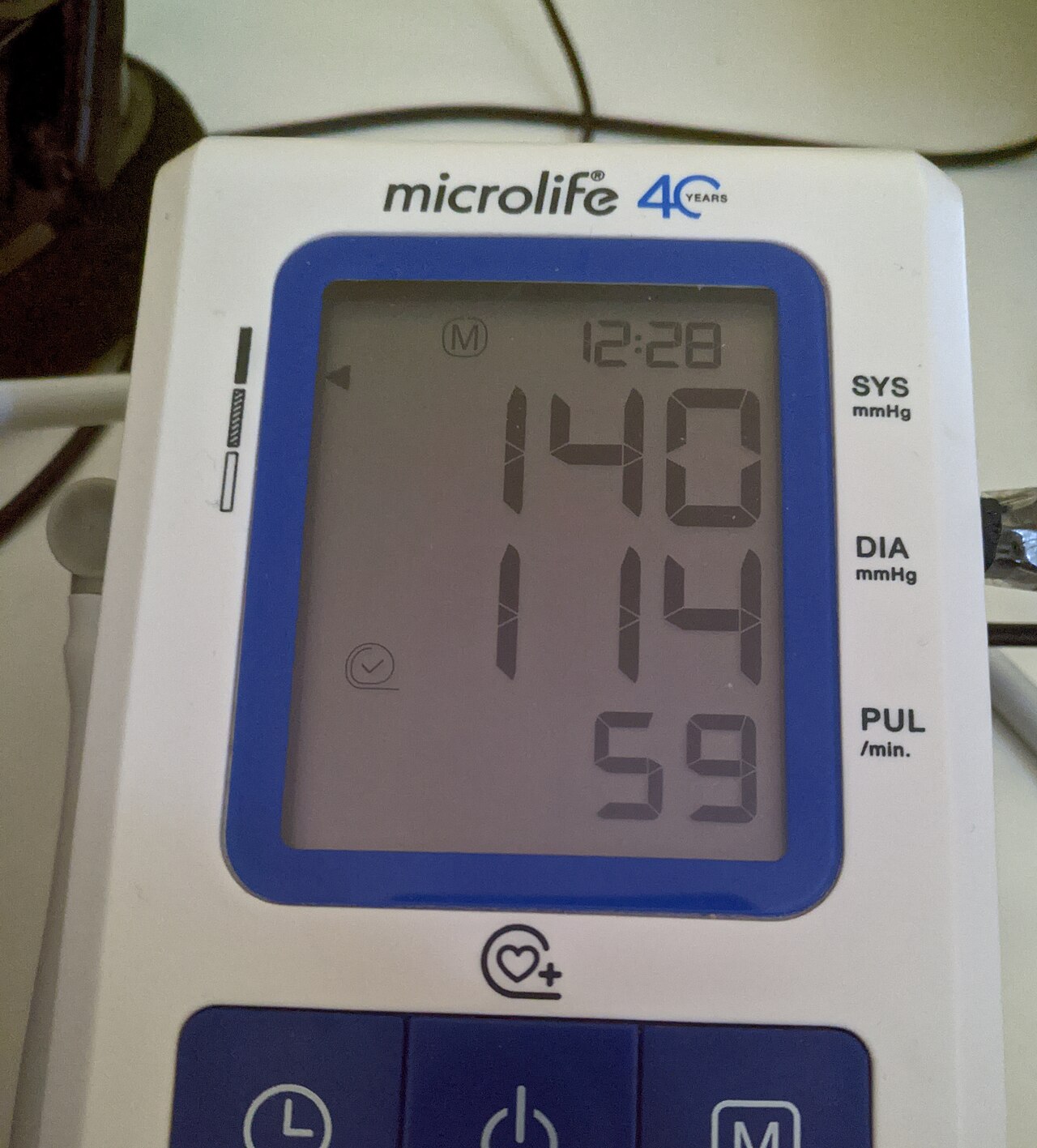
You jump out of bed, the room tilts, your vision grays at the edges, and for a few seconds the world feels unsteady. Then it passes. That brief dizzy spell has a name, orthostatic hypotension, and a straightforward physical cause.
This article explains what orthostatic hypotension is, the gravity-driven mechanism behind the dizziness, what makes some people more prone to it, how doctors diagnose it, and what actually helps. It also covers the signs that turn an ordinary spell into something worth a medical visit.
What is orthostatic hypotension?
Orthostatic hypotension, also called postural hypotension, is a drop in blood pressure that happens when you move from sitting or lying down to standing. The word "orthostatic" simply means "related to standing upright."
For most people, the feeling lasts a few seconds and is not a serious problem, according to the Mayo Clinic. But when the drop is large or happens often, it can come with dimming vision, ringing in the ears, weakness in the legs, or pain across the neck and shoulders. Those recurring episodes are the condition doctors take seriously, because feeling unsteady while standing raises the risk of falls and fractures.
Why standing up makes you dizzy
It starts with gravity. "When you stand up, gravity comes into play, and blood tends to pool in the lower part of your body," said Dr. Nadia Sutton, an interventional cardiologist (heart doctor) at the University of Michigan's Frankel Cardiovascular Center. With blood pooled in your legs, less of it reaches your head.
Your body has a reflex to fix this instantly. Vessels in the upper body tighten, and the heart beats faster, pushing blood back upward. The Mayo Clinic describes this as the work of the autonomic nervous system, the part of your nervous system that runs blood pressure on autopilot.
The dizziness is the gap between the blood pooling and the correction. When the reflex is delayed, even by seconds, the brain briefly gets less blood and oxygen. That shortage is what you feel as lightheadedness, and the graying vision is your eyes reacting to the same dip.
Normally the vessels adjust within seconds and the symptoms vanish. The dizziness you notice is simply the lag in an otherwise healthy system catching up.
What makes dizziness more likely
Some people get the spins far more often than others. The usual suspects fall into a few groups.
Dehydration tops the list. Less fluid in your system means less blood volume to go around, so the same gravity shift produces a bigger drop. Illness, vomiting, or diarrhea can trigger it the same way.
Medications are another common cause. Drugs for high blood pressure, an enlarged prostate, and depression can all blunt the body's blood pressure correction, according to the Mayo Clinic. If dizziness started after a new prescription, that timing is worth mentioning to a doctor.
Age matters too. With aging, the autonomic nervous system loses some of its ability to regulate blood flow against gravity. Neurological conditions such as Parkinson's disease can disrupt the same circuitry.
Other contributors include diabetes, heart failure, anemia or vitamin B12 deficiency, alcohol, and long stretches of bed rest, according to Saudi Arabia's Ministry of Health. Big meals can do it as well, since blood diverts toward digestion. Notably, doctors cannot pin down a cause in about 40% of orthostatic hypotension cases, Healthgrades reports.
How doctors diagnose it
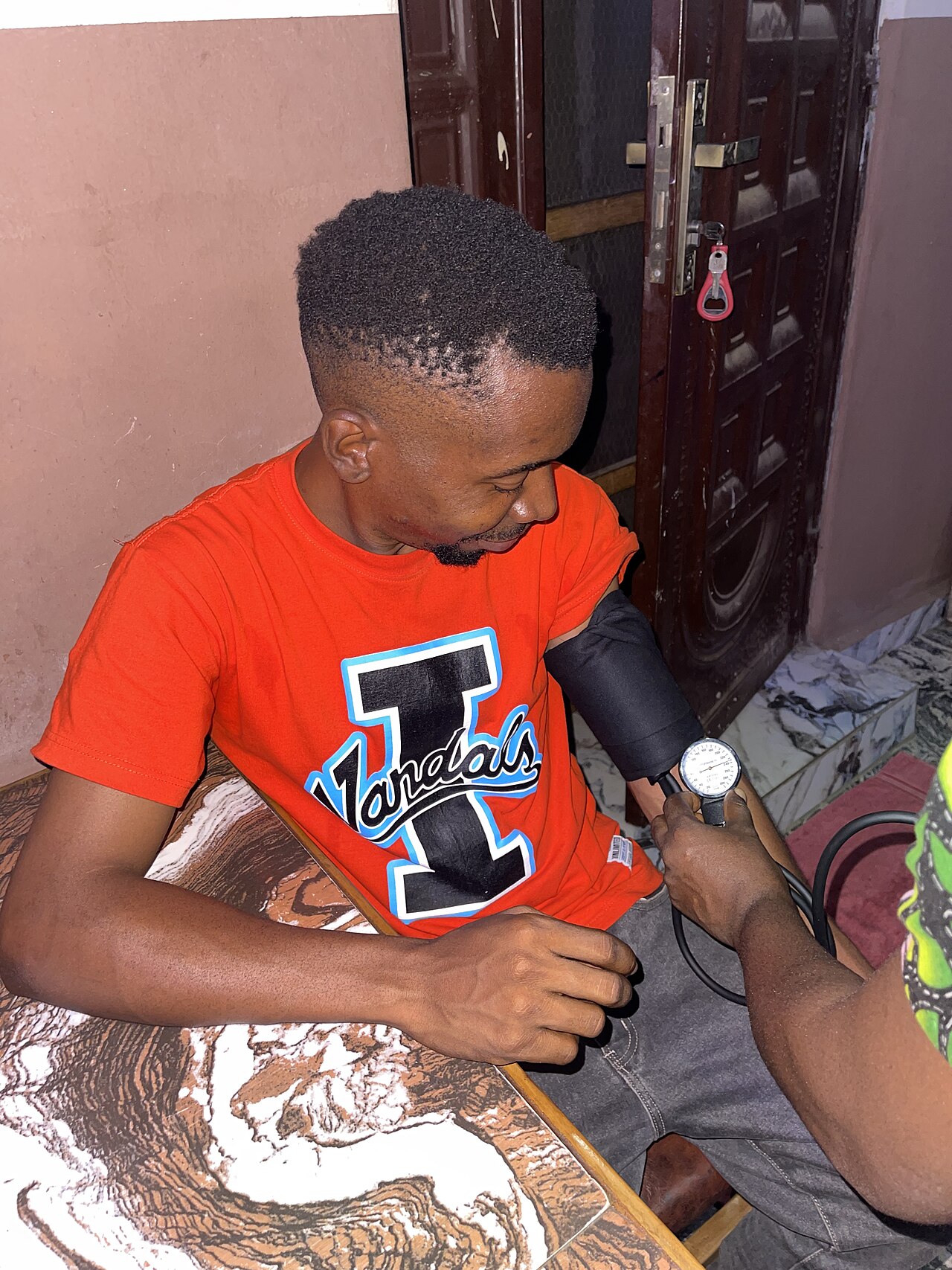
The test is refreshingly simple. A doctor measures your blood pressure while you are sitting or lying down, then again after you stand, and compares the two. A clear drop confirms orthostatic hypotension.
From there, the workup depends on what the doctor suspects. A physical exam looks for underlying conditions. Tests such as blood work, an electrocardiogram (a heart rhythm tracing), or an echocardiogram (an ultrasound of the heart) may follow, according to the Saudi Ministry of Health.
What matters in the history is the pattern. Symptoms that appear on standing and fade on sitting point straight at the diagnosis. That is also the dividing line between an occasional spell and a condition: if your blood pressure stays lower than normal for as long as you remain standing, you may have orthostatic hypotension rather than a one-off wobble.
What helps, and when to worry
Simple steps resolve most ordinary episodes. Stand up slowly, especially first thing in the morning, giving your vessels time to adjust. Stay hydrated through the day.
If episodes followed a new medication, a doctor can sometimes lower the dose or swap the drug.
GoodRx notes that dehydration, certain medications, and medical conditions make the dizziness more likely, and that symptoms which are severe or do not go away should be checked by a healthcare professional.
Treat these as reasons to book a visit:
- Dizziness or lightheadedness every time you stand, not just occasionally.
- Fainting, or feeling like you are about to faint.
- Vision changes, ear ringing, or leg weakness with the episodes.
- Neck and shoulder pain that arrives on standing and leaves on sitting.
- A recent medication change that lines up with when the spells began.
This article is for general information only, not medical advice. A pattern of frequent episodes deserves a real evaluation, since the underlying cause might be treatable.
Frequently asked questions
Why does it happen more in the morning?
Overnight you go hours without fluids, so blood volume is at its lowest when you wake. Standing up fast on top of that mild dehydration produces a bigger pressure dip. Sitting on the edge of the bed for a moment before standing helps.
Can low blood pressure itself cause it?
Yes. If your blood pressure is low to begin with, there is less margin before the gravity-driven drop produces symptoms, Dr. Sutton said. Poor circulation to the head turns a normal lag into a noticeable spell.
Is feeling dizzy the same as vertigo?
Not quite. Standing-up dizziness is lightheadedness from a brief blood pressure dip, and it fades in seconds.
Vertigo is a spinning sensation that often comes from the inner ear and can linger. The two have different causes and different treatments.
Outlook
Getting dizzy when you stand up too fast is your circulation lagging a few seconds behind gravity. Blood pools in the legs, and the brain gets a momentary shortfall before the nervous system corrects it.
Occasional spells are ordinary. It is a good idea to see a doctor if the dizziness is frequent, comes with vision or hearing changes, or ends in fainting, since those patterns point to orthostatic hypotension that may need treatment.
Tags: dizziness, orthostatic hypotension, blood pressure, heart health, health explainer
Rive News is a research desk covering everyday science and health questions with sourced, plain-language explainers.
Latest in Health
- Why your foot falls asleep and tingles when it wakes up
- Why your muscles twitch as you fall asleep
- Why hiccups happen and how to stop them
- Why your knuckles crack when you bend them
Subscribe for one everyday-science explainer in your inbox each morning.
Corrections: spotted an error? Rive News reviews every report. Every factual claim traces to a named source listed above; copyright 2026 Rive News.
Related stories

ADHD linked to fourfold dementia risk in Pitt study of 187,000 adults
Adults with ADHD face four times the risk of dementia, a University of Pittsburgh study of 187,000 adults published in JAMA Psychiatry found

Why Do Athletes Get Cramps Despite Drinking Water?
Muscle cramps strike even well-hydrated athletes because sweat drains electrolytes that plain water cannot replace. Here is why water alone

Do bananas actually prevent muscle cramps?
A medium banana has 422 mg of potassium, but the evidence says it cannot stop cramps. Here is what the research shows, and what actually hel