
Why Does Your Foot Fall Asleep and Tingle When It Wakes Up?
By Rive News
Research desk | Rive News
Key takeaways
- Your foot "falls asleep" because sustained pressure compresses nerves, blocking their signals to the brain.
- The pins-and-needles tingling is the compressed nerve waking back up, not damage being done.
- Episodes lasting a few minutes are harmless; numbness that persists or keeps returning deserves a doctor's visit.

Sit on your foot for a while and it goes numb. Stand up, and a prickling rush of pins and needles follows. Doctors call this temporary numbness paresthesia, and almost everyone experiences it.
The popular explanation blames cut-off blood flow. That is mostly wrong. The real culprit is your nerves being squeezed.
This article explains what paresthesia is, why the tingling happens as your foot wakes up, how to avoid it, and the warning signs that mean you should see a doctor.
What is paresthesia?
Paresthesia is the medical term for the numb, tingling, or "pins and needles" feeling that follows temporary nerve compression. Your nerves carry messages between your body and your brain constantly. When pressure interrupts that traffic, the messages stop arriving, and your brain reads the silence as numbness.
Sitting cross-legged, kneeling, tucking a foot under your body, or leaning on an arm all create the same problem. The position squeezes nerve pathways long enough that they cannot transmit electrochemical signals properly. Change the position, the squeeze releases, and feeling returns within minutes.
Why your foot goes numb when nerves are compressed
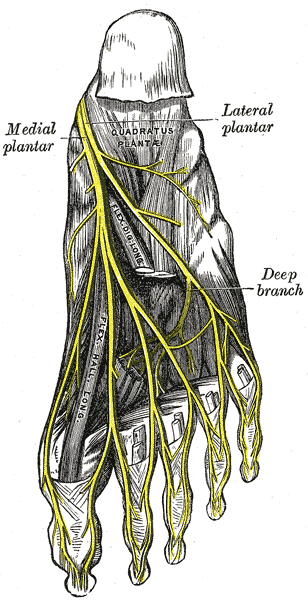
Your nerves are the body's wiring. When you sit on your foot, you compress the nerves in that area, and those nerves can no longer send messages back to the brain normally. The connection goes quiet, and you lose feeling in the foot.
One nerve gets pinched more than the others. "One common nerve in the leg that is compressed is the fibular nerve," said Rebecca Traub, assistant professor of neurology at the UNC School of Medicine, "which travels around the side of the knee and often gets pinched when people sit with their legs crossed for a prolonged period."
Nerves carry electrical signals the way a hose carries water, said Steven Vernino, professor of neurology at the University of Texas Southwestern Medical Centre. Kink the hose and the flow stops. Straighten it out and the flow resumes.
It is a common misconception that the numbness comes from starved blood supply, Traub told ScienceAlert. Cutting off blood flow to a limb is possible, she added, but it is rare. Compression of the nerve is the ordinary cause.
Blood does play a supporting role. Pressure on the area also reduces blood flow and oxygen supply to the nerves, said Dr. Sweta Singla, consultant and head of movement disorders and neurology at Manipal Hospital in New Delhi. Starved of oxygen, the nerve behaves abnormally, which adds to the jumbled signaling.
Why the tingling hits as your foot wakes up
The pins-and-needles rush is your nerves rebooting. As pressure releases, nerve cells resume firing, but not all at once.
Some stay quiet while others fire erratically. Your brain reads that chaotic burst of signals as tingling, itching, or even mild pain.
This is why the sensation arrives after you move, not during the numbness. The numbness was the silence. The tingling is the noise of the connection coming back online.
For most people it fades within a few seconds to a few minutes. Numbness lasting around 10 minutes poses no health threat, according to HowStuffWorks. Your body treats the tingling as a prompt to change position, which is exactly what you should do.
Think of it as a circuit breaker tripping and then resetting. The unpleasant buzz is simply the sound of normal service returning. That pattern, numbness followed by tingling followed by normal feeling, is the signature of harmless paresthesia.
How to keep your feet from falling asleep
You cannot always prevent it, but a few habits cut down how often it happens.
- Shift your position often instead of holding one posture for long stretches.
- Avoid crossing your legs for extended periods, since that targets the fibular nerve at the knee.
- Stand up and walk briefly when you have been sitting a long time.
- Loosen tight footwear, which adds extra pressure on foot nerves.
- Avoid sleeping with your body weight on an arm or hand.
If you work at a desk, these small movements also help your back and circulation generally. The same advice applies on long flights, where hours in one seat make numb feet almost inevitable.
When foot numbness is not normal
Brief numbness from posture is harmless. Persistent or recurring numbness is a different story.
"Brief numbness caused by poor posture is usually harmless," Dr. Singla told ETV Bharat. "However, numbness that is persistent, progressive or accompanied by other neurological symptoms may indicate peripheral neuropathy or another neurological disorder that requires prompt medical evaluation."
See a doctor if you notice any of the following:
- Numbness that does not fade within a few minutes of changing position.
- Tingling that returns daily without any obvious pressure on the nerve.
- Numbness spreading up the leg, or weakness in the foot.
- Changes in skin color, foot sores that heal slowly, or loss of balance.
Diabetes is the leading cause of peripheral neuropathy (ongoing nerve damage), neurologists note, so people with high blood sugar should take recurring foot numbness especially seriously. Conditions like carpal tunnel syndrome in the wrist work on the same principle: chronic pressure on one nerve producing ongoing symptoms.
This article is for general information only, not medical advice. If something in the list above sounds familiar, book an appointment rather than diagnosing yourself.
Frequently asked questions
Is it really the nerves, not the blood supply?
Mostly the nerves. Temporary nerve compression blocks the signals traveling between your foot and brain, which your brain interprets as numbness. Reduced blood flow to the nerve plays a supporting role, but the pinched nerve is the main event.
Why does the tingling hurt sometimes?
As the nerve wakes up, its cells fire erratically instead of in their normal pattern. That burst of chaotic signals can register as pain, especially if the nerve was compressed for a long time. It usually settles within minutes.
Can my foot fall asleep while I sleep?
Yes, and this is common. Lying on an arm or with a leg folded under your body compresses nerves for hours. The tingling on waking follows the same mechanism, and shifting position clears it.
Outlook
Your foot falls asleep because a nerve got squeezed, and it tingles because that nerve is switching back on. The whole episode is brief, harmless, and universal. It is a good idea to see a doctor if numbness lingers, keeps returning without a cause, or comes with weakness or pain, since those patterns point past posture and toward something that needs treatment.
Tags: paresthesia, nerves, pins and needles, circulation, health explainer
Rive News is a research desk covering everyday science and health questions with sourced, plain-language explainers.
Latest in Health
- Brain freeze: why cold drinks make your head hurt
- Why your muscles twitch as you fall asleep
- Why hiccups happen and how to stop them
- Why your stomach growls when you are hungry
Subscribe for one everyday-science explainer in your inbox each morning.
Corrections: spotted an error? Rive News reviews every report. Every factual claim traces to a named source listed above; copyright 2026 Rive News.
Related stories

ADHD linked to fourfold dementia risk in Pitt study of 187,000 adults
Adults with ADHD face four times the risk of dementia, a University of Pittsburgh study of 187,000 adults published in JAMA Psychiatry found

Why Do Athletes Get Cramps Despite Drinking Water?
Muscle cramps strike even well-hydrated athletes because sweat drains electrolytes that plain water cannot replace. Here is why water alone

Do bananas actually prevent muscle cramps?
A medium banana has 422 mg of potassium, but the evidence says it cannot stop cramps. Here is what the research shows, and what actually hel