
ADHD linked to fourfold dementia risk in Pitt study of 187,000 adults
Key takeaways
- Adults with ADHD were four times more likely to develop cognitive impairment over time, a University of Pittsburgh study of more than 187,000 adults found.
- The link held up in genetic data too, not just medical records, strengthening confidence it is not a diagnostic artifact.
- Most people with ADHD did not develop cognitive impairment; researchers say the findings should not be read as a prediction.
PITTSBURGH, Adults with attention deficit hyperactivity disorder face a fourfold higher risk of developing dementia or cognitive impairment later in life, according to a University of Pittsburgh study published October 7 in JAMA Psychiatry.
The analysis covered medical records and genetic data from more than 187,000 adults aged 50 and older. Among participants with ADHD, 6.7% developed dementia or some form of cognitive impairment, compared with 3.4% of those without ADHD. After adjusting for age, sex, and other health conditions, the risk was four times greater.

A sagittal MRI scan showing the structure of a human brain. Photograph: Filip em/Wikimedia Commons
Image Credits: Wikimedia Commons (CC BY 2.0)
What the genetic data adds
The study's distinctive contribution is its use of genetic data alongside medical records. Previous research relied on records alone, which can be skewed by uneven healthcare access and whether clinicians recognize ADHD symptoms in adults.
Pitt's team found the ADHD-dementia link also appeared in participants' genetic data, even among people with a genetic predisposition who never received an ADHD diagnosis.
"Seeing the same pattern show up independently in medical records and in people's genes gives us greater confidence that the association is not simply an artifact of how ADHD gets diagnosed," said Dr. Tharick Pascoal, associate professor of psychiatry and neurology at Pitt and the study's lead author. "Two different kinds of evidence are pointing in the same direction.
".
Study author and psychiatrist Dr. Douglas Leffa said the genetic reinforcement matters because ADHD is difficult to diagnose in adulthood.
"ADHD is a clinical diagnosis that can be very challenging," Leffa said. "There's a lot of other psychiatric disorders that can cause symptoms that look like ADHD."
Context and reassurance
The researchers stressed that the study shows an association, not proof that ADHD causes dementia. They did not theorize about the biological mechanism connecting the two.
Leffa also offered perspective on the absolute numbers: roughly one in 15 participants with ADHD actually exhibited cognitive decline. "What that means is that most people with ADHD did not develop cognitive impairment," Leffa said.
"People with ADHD should not interpret these findings as meaning that they are going to develop dementia," Leffa said. "The findings suggest that ADHD may be one factor associated with cognitive health later in life."
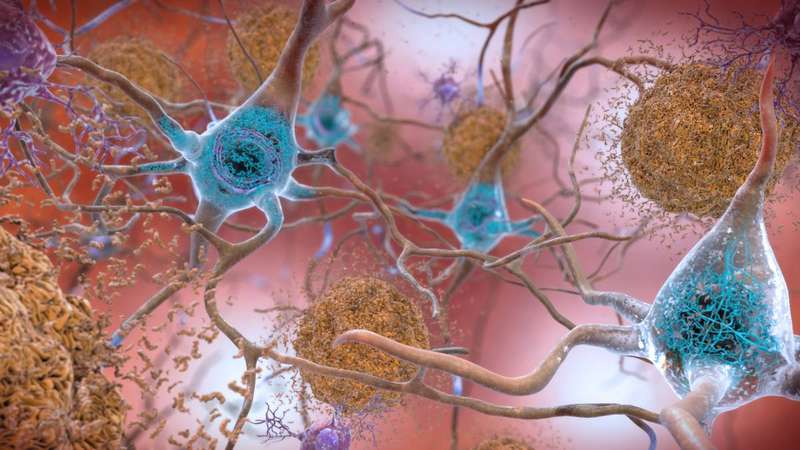
An illustration of beta-amyloid plaques and tau tangles, hallmarks of Alzheimer's disease pathology. Image: Ser Amantio di Nicolao/Wikimedia Commons
Image Credits: Wikimedia Commons (public domain)
Open questions remain. Researchers do not yet know whether ADHD medications such as stimulants affect the risk, or whether managing cardiovascular health, which is linked to both ADHD and dementia, could help. Leffa said providers "should be attentive to cognitive changes as people with ADHD age while continuing to investigate why this association exists.
".
In the meantime, the researchers recommended standard brain-healthy habits: good sleep, a healthy diet, regular exercise, managing blood pressure and cholesterol, and staying mentally active.
Reporting by Rive News research desk.
Latest in Health
Subscribe for weekly health research summaries.
Related stories

Why Do Athletes Get Cramps Despite Drinking Water?
Muscle cramps strike even well-hydrated athletes because sweat drains electrolytes that plain water cannot replace. Here is why water alone

Do bananas actually prevent muscle cramps?
A medium banana has 422 mg of potassium, but the evidence says it cannot stop cramps. Here is what the research shows, and what actually

What is the difference between a cramp and a spasm?
A spasm is any involuntary muscle contraction; a cramp is a sustained, painful one. Learn how they differ, what causes each, and when