
Why Do We Get Hiccups, and Why Won't They Stop?
This article is for general information only, not medical advice. See a doctor about hiccups that persist beyond 48 hours.
Key takeaways
- A hiccup is a sudden diaphragm spasm (a cramp in the breathing muscle) that yanks air inward; the vocal cords then snap shut, making the "hic" sound.
- Common triggers include eating or drinking too fast, carbonated drinks, alcohol, spicy food, excitement, and swallowed air.
- Most bouts end within minutes on their own. Hiccups lasting more than 48 hours need a doctor's evaluation.
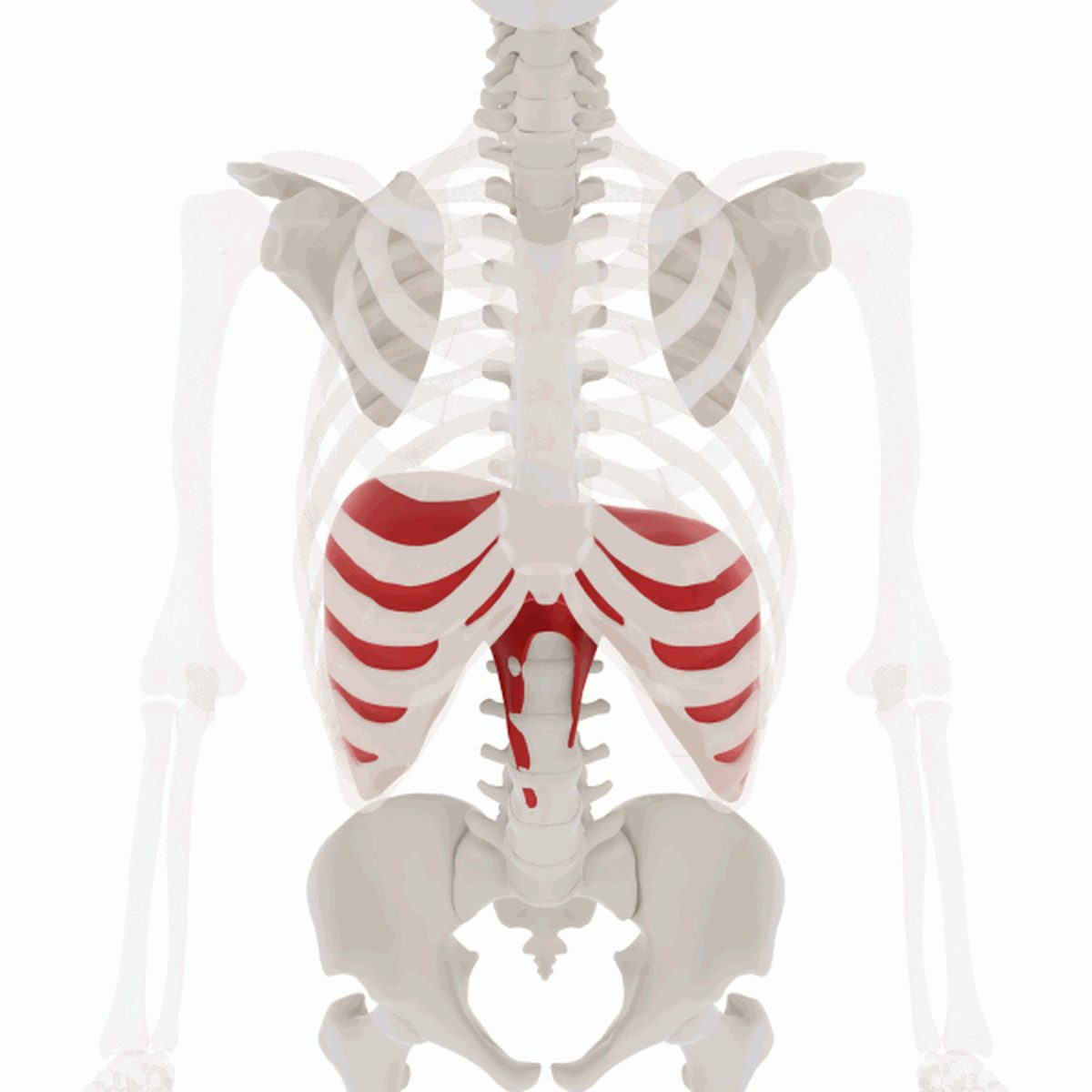
Image Credits: Wikimedia Commons
A hiccup is an involuntary spasm of the diaphragm, the dome-shaped breathing muscle that sits between the lungs and the stomach. The spasm jerks air into the lungs, and the vocal cords slam shut a split second later, producing the familiar "hic."
The medical term is singultus, from a Latin word meaning to catch one's breath while sobbing. Most bouts last a few minutes and stop on their own, but the reflex can occasionally lock into a loop that runs for hours or, rarely, days.
This article explains hiccups, including the mechanism behind them, the most common triggers, which remedies have any logic behind them, and when a bout stops being a nuisance and starts being a symptom.
How a hiccup happens
The diaphragm normally moves smoothly, pulling down to draw air in and relaxing to push it out. In a hiccup, irritation makes it contract sharply and repeatedly, forcing a sudden inrush of air.
That inrush slams the glottis, the opening between the vocal cords, shut. The closure is what makes the sound: a fast inhale cut off midstream.
Behind the spasm sits a reflex arc, a nerve pathway that turns a sensation into a physical response. Signals from the stomach, throat, chest, or diaphragm travel to a "hiccup centre" in the brainstem and upper spinal cord, then fire back out to the diaphragm and the muscles between the ribs, The Conversation explains.
Irritation of the vagus nerve, which runs from the brainstem down to the abdomen, can set the whole loop going. That is the current understanding of the trigger, according to Dr. Wang Yu Tien, a gastroenterology consultant (stomach and gut specialist) at Singapore General Hospital: irritation of nerves such as the vagus starts a reflex cycle that repetitively fires the diaphragm.
What triggers hiccups
The most common trigger is a stretched stomach. Large meals, fast eating, fizzy drinks, and swallowed air all distend (stretch) it, and the stretched stomach talks to the diaphragm through the shared nerve supply.
"We believe that bloating of the stomach caused by overeating, eating rapidly, or gulping down drinks, especially carbonated drinks, exacerbate the risk of getting hiccups," said Arlette Perry, a professor of kinesiology and sport sciences at the University of Miami.
Alcohol, spicy food, smoking, sudden excitement or stress, and abrupt changes in air temperature can also trip the reflex. Chewing gum and laughing hard swallow air the same way a rushed meal does.
Hiccups even show up before birth. They have been observed in healthy fetuses during prenatal ultrasound checks, and some researchers think they help train the lungs for breathing after birth, The Conversation reports.
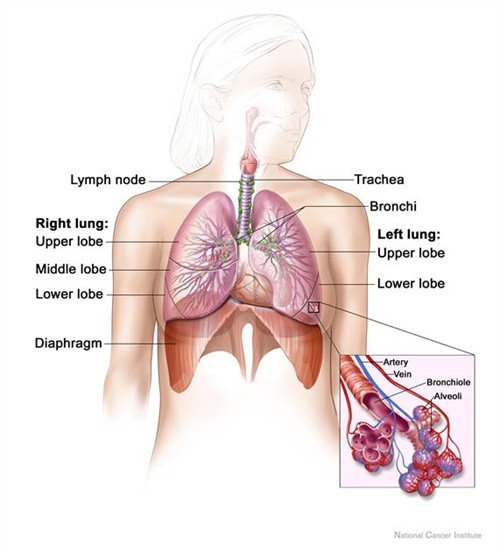
Image Credits: Wikimedia Commons
Why they sometimes won't stop
Most bouts end within one to five minutes as the nervous system resets, according to the University of Miami's reporting. That self-limiting habit is worth remembering the next time a remedy appears to work: the hiccups were probably about to stop anyway.
Hiccups are classed as persistent past 48 hours and intractable (unstoppable) past a month. At that point the cause may sit deeper than a rushed lunch.
Acid reflux (stomach acid rising) irritating the esophagus, nerve irritation or damage, infections, and rarely tumors pressing on the involved nerves can all keep the reflex arc firing, Dr. Wang notes.
His bottom line for ordinary cases is reassuring: "Hiccups are very common and usually resolve spontaneously with no long-term detrimental effects." But beyond the 48-hour mark, he advises, see a doctor rather than waiting it out.
The record books show how extreme the loop can get. Guinness World Records confirmed that Charles Osborne, a man from Iowa, hiccupped for 68 years, the longest documented case on record.
Do any remedies actually work?
Holding your breath or breathing into a paper bag raises carbon dioxide in the lungs, which can calm the diaphragm, IFLScience notes. Sipping ice-cold water, swallowing a spoonful of sugar, or biting a lemon stimulates the vagus nerve and may break the reflex cycle. The same vagus-nerve logic sits behind why your stomach growls when it is empty: the gut and the brainstem stay in constant conversation.
The UK's National Health Service lists the paper-bag technique, pulling the knees to the chest and leaning forward, sipping ice-cold water, and tasting vinegar among its suggestions.
Being startled, drinking water in a special posture, or standing on your head has no solid scientific backing, IFLScience reports. That said, if a personal ritual reliably works for you, there is no harm in keeping it.
Tyler Cymet, head of medical education at the American Association of Colleges of Osteopathic Medicine, spent five years studying 54 hiccuping hospital patients and found no foolproof cure, a reminder that the reflex gives up its secrets slowly.
Frequently asked questions
What is the medical name for hiccups?
Singultus, from the Latin "singult," meaning to catch one's breath while sobbing.
Can hiccups be dangerous?
Ordinary bouts are harmless. Hiccups lasting more than 48 hours, or returning constantly, need medical evaluation for underlying causes such as reflux, nerve irritation, or infection.
Why do I get hiccups when I drink soda?
Carbonation expands the stomach and releases swallowed gas, stretching it and irritating the diaphragm's nerve supply. Gulping makes it worse by adding swallowed air.
Does holding your breath really work?
It is the best-supported home remedy. The carbon dioxide buildup can relax the diaphragm, though the evidence is modest and timing often does the real work. Like muscles twitching as you fall asleep, the episode usually resolves on its own schedule.
The bottom line
Hiccups are a short circuit in a breathing reflex, usually set off by a full or irritated stomach. Wait them out, try the breath-hold, and call a doctor if they outlast two days. Why your foot falls asleep is another nerve quirk that feels alarming and usually is not.
Rive News is the in-house research desk behind these explainers. It reads the sources so you don't have to.
Latest in Health
- Why your stomach growls when you're hungry
- Why your foot falls asleep and tingles as it wakes
- Why muscles twitch as you fall asleep
- Why standing up fast makes you dizzy
Subscribe to the Rive News newsletter for one health explainer in your inbox every morning.
Corrections: we fix errors promptly; write to the research desk. © 2026 Rive News. Reporting standards: every claim is sourced; no invented quotes, statistics, or experts.
Related stories

ADHD linked to fourfold dementia risk in Pitt study of 187,000 adults
Adults with ADHD face four times the risk of dementia, a University of Pittsburgh study of 187,000 adults published in JAMA Psychiatry found

Why Do Athletes Get Cramps Despite Drinking Water?
Muscle cramps strike even well-hydrated athletes because sweat drains electrolytes that plain water cannot replace. Here is why water alone

Do bananas actually prevent muscle cramps?
A medium banana has 422 mg of potassium, but the evidence says it cannot stop cramps. Here is what the research shows, and what actually hel