
Why do we get more static shocks in winter: dry air explained
Key takeaways
- Static shocks are sudden discharges of built-up electric charge, created when materials like carpet and shoe soles trade electrons.
- Cold air holds less moisture, and moisture normally bleeds charge away quietly, so winter lets charge accumulate into painful zaps.
- A humidifier, moisturized skin, and touching metal with keys first all reduce winter shocks.
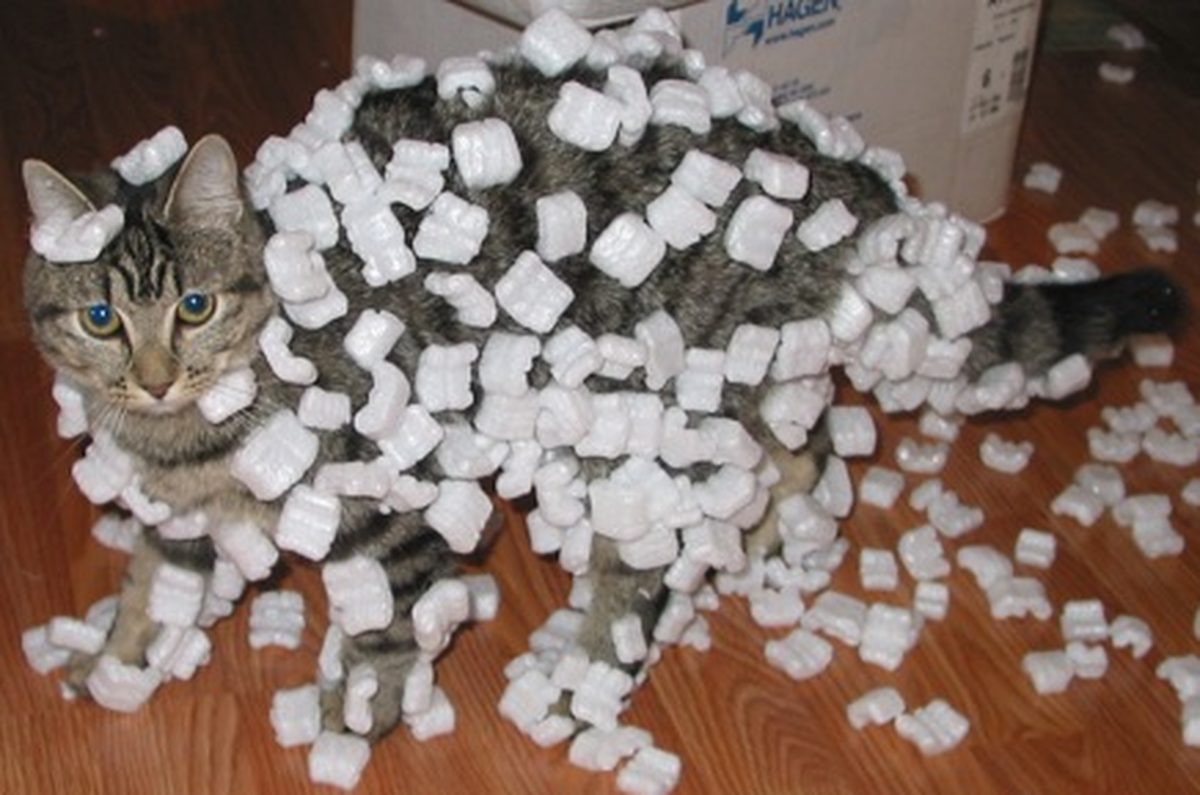
You shuffle across the carpet, reach for the doorknob, and get zapped. It happens in winter far more than summer. It is not your imagination or your sweater's grudge. The shock is a small lightning strike. The reason it prefers January comes down to water in the air, or the lack of it.
This article explains what static electricity is, why winter makes shocks more common, and how to reduce them.
What static electricity is
Static electricity is an imbalance of electric charge between two objects, as The Weather Network puts it. It starts with contact.
When two different materials touch or rub, electrons can move from one surface to the other. Physicists call this triboelectric charging. Triboelectric charging means charge transferred by touching or rubbing. One surface ends up with extra electrons (negative charge). The other ends up with too few (positive charge).
The classic winter setup: you walk across a carpet in rubber-soled shoes. Surfaces like carpets tend to give up electrons easily, while rubber soles attract them, The Weather Network explains.
Your body picks up a strong negative charge, and the insulating rubber soles give it nowhere to go. Then you touch a metal doorknob, a good conductor, and the electrons make the jump all at once.
That sudden flow is the shock. If the buildup is strong enough you may even see a spark. The Weather Network describes it as essentially a micro-scale lightning bolt.
The sting itself is the sensation of air being momentarily heated as the electrons cross it.
The everyday cast of characters is almost always insulators, as the UCSB ScienceLine explains: a wool sweater, the rubber soles of shoes, the carpet in the room. Insulators are materials that do not conduct electricity. Walk across the carpet and your body builds a charge it cannot shed through the soles. Touching the metal doorknob completes the transfer. Ouch.
How much charge are we talking about?
According to the electrostatic-control resource Zero Static, a person can reach about 3,000 volts before feeling anything. A shock feels strong at 5,000 to 10,000 volts. In very dry environments it can pass 20,000 volts.
For perspective, sensitive electronics can be damaged at just 100 to 200 volts, well below human perception. Your winter zap is thousands of volts that you shrug off in a microsecond.
Why winter makes shocks more common
The same shuffling in July barely registers, and the difference is humidity. Cold air holds less moisture than warm air. Even with the thermostat turned up, the air being pulled into your home and heated is still that same dry winter air. So it carries less moisture than summertime air at the same temperature, ScienceAlert explains, summarizing the standard account.
Moisture is the quiet hero here.
Ivana Dimitrova, an assistant professor of physics at Northeastern University, explains that during humid months, moisture in the air acts like a natural conductor. Water molecules help redistribute electrical charges, keeping materials relatively neutral.
ScienceAlert puts the consequence vividly: "Because water is a good conductor, moisture provides a path of sorts for the electrons to move off your body before they have a chance to build up. This disperses the static in small, undetectable bursts, rather than one painful shock."
Winter removes that path.
Dry air is itself an insulator, the UCSB ScienceLine notes. That is why the shocks cluster in the dry winter months.
Water molecules in the air normally create a thin conductive film on surfaces. That film lets charge leak away gradually. In dry air that leakage path disappears. So charge accumulates with every step across the carpet until the voltage is high enough to ionize the air between you and the doorknob. Ionize means to charge the air molecules so the air briefly conducts electricity. Then the air briefly becomes conductive, the electrons jump, and you feel the sharp discharge.
Indoor heating makes it worse than just being outside. Heating systems cranked up through the winter dry the indoor air further. That is why the zaps concentrate in heated rooms with carpet, synthetic clothing, and dry skin. Science Times notes the compounding factors: carpet, blankets, clothing, and dry skin all contribute to frequent static buildup once the air is dry enough.
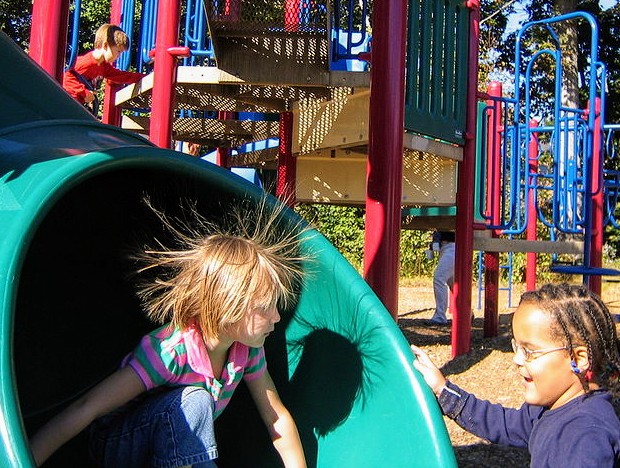
How to get fewer shocks in winter
You cannot repeal physics, but you can give the charge easier exits and fewer chances to build.
Raise the indoor humidity. This is the highest-leverage fix because it attacks the root cause. A humidifier that keeps indoor relative humidity in the 30 to 50 percent range restores the moisture that bleeds charge away quietly. Houseplants and simmering water help at the margins. A real humidifier does the work.
Moisturize your skin. Dry skin holds charge better than moisturized skin. Lotion on hands and arms before the dry months start is a small habit with an outsized effect on doorknob zaps.
Change what you wear. Natural fibers like cotton and leather build less charge than synthetics and wool. Leather-soled shoes leak charge to the ground far better than rubber soles. That is why the classic carpet shuffle needs rubber to work.
Discharge on purpose, painlessly. If you are already charged, touch metal with something conductive first: keys, a coin, or a metal thimble. The spark jumps to the object, not your fingertip. Spreading the discharge over a larger contact area makes it painless. Touching with the back of your hand also hurts less than a fingertip, because fingertips pack more nerve endings.
Treat the fabrics. Anti-static spray on carpets and upholstery, and dryer sheets or dryer balls in the laundry, reduce the charge that clothes and fabrics can hold. These are stopgaps, but they take seconds.
Ground yourself before sensitive electronics. The 100-volt damage threshold matters for anyone handling computer components. Touch a grounded metal object before touching circuit boards. Use a wrist strap if you build or repair PCs in a dry room. Your fingers will not feel the discharge that kills a chip.

FAQ
Why do I get shocked more in winter than summer?
Summer air holds more moisture, and moisture conducts charge away from your body in tiny, unfelt bursts. Winter air is dry, and heated indoor air is drier still. So charge accumulates until it discharges all at once as a painful zap.
Can static shocks hurt you?
The shock itself is harmless to healthy people. Thousands of volts, but almost no current, lasting microseconds. The real risk is to electronics, which can be damaged by voltages far below what you can feel. In industrial settings static can ignite flammable vapors.
Why do some people get shocked more than others?
Footwear and clothing dominate.
Rubber soles trap charge; leather soles leak it.
Synthetic fabrics and wool generate more charge than cotton. Dry skin holds charge better than moisturized skin.
Two people in the same room can have very different zap rates.
Does touching wood instead of metal help?
It delays the question. Wood is a poor conductor, so you will not get the sudden discharge. But the charge stays on you until you eventually touch something conductive. Deliberately discharging through keys onto the metal is the faster fix.
The bottom line
Winter shocks are a humidity story wearing a physics costume.
Rubbing materials trade electrons. Dry winter air removes the moisture that would quietly drain the charge away. Your body accumulates thousands of volts until a doorknob offers an exit.
A humidifier, moisturized skin, natural fibers, and the habit of discharging through your keys will cut the zaps dramatically.
The lightning outside your window works exactly the same way, just with a bigger budget.
Rive News's research desk covers physics and everyday science.
Latest in science
- Why metal feels colder than wood at the same temperature
- How noise-cancelling headphones actually work
- Can hot water really freeze faster than cold?
- What causes the northern lights
Subscribe for one practical science explainer every week.
Rive News publishes explainers under standing editorial standards. Factual errors are corrected with a visible update note.
Related stories

Why diamond is hard and graphite is soft when both are carbon
Diamond and graphite are both pure carbon, yet diamond is 10 on the Mohs scale and graphite is 1 to 2. The difference is not the atoms;

Why Hot Water Can Freeze Faster Than Cold: The Mpemba Effect Explained
Hot water can freeze faster than cold under specific conditions. The Mpemba effect, named for a 1963 schoolboy experiment, still divides

How Magnets Work at the Atomic Level: Spins, Domains, and Iron
Magnetism comes from electrons: their spin and orbits make each atom a tiny magnet. In iron, quantum forces align these atomic magnets into