
What Vegetables Grow Well in Shade: 12 Picks for Low-Light Gardens
Key takeaways
- Leafy greens are the stars of shady gardens: lettuce, spinach, kale and arugula grow well on just 2 to 4 hours of sun a day.
- Root crops like beets, carrots and radishes need about 4 to 6 hours, and they still produce, just smaller.
- Fruiting crops (tomatoes, peppers, squash) need 6 or more hours of sun and will disappoint in shade.
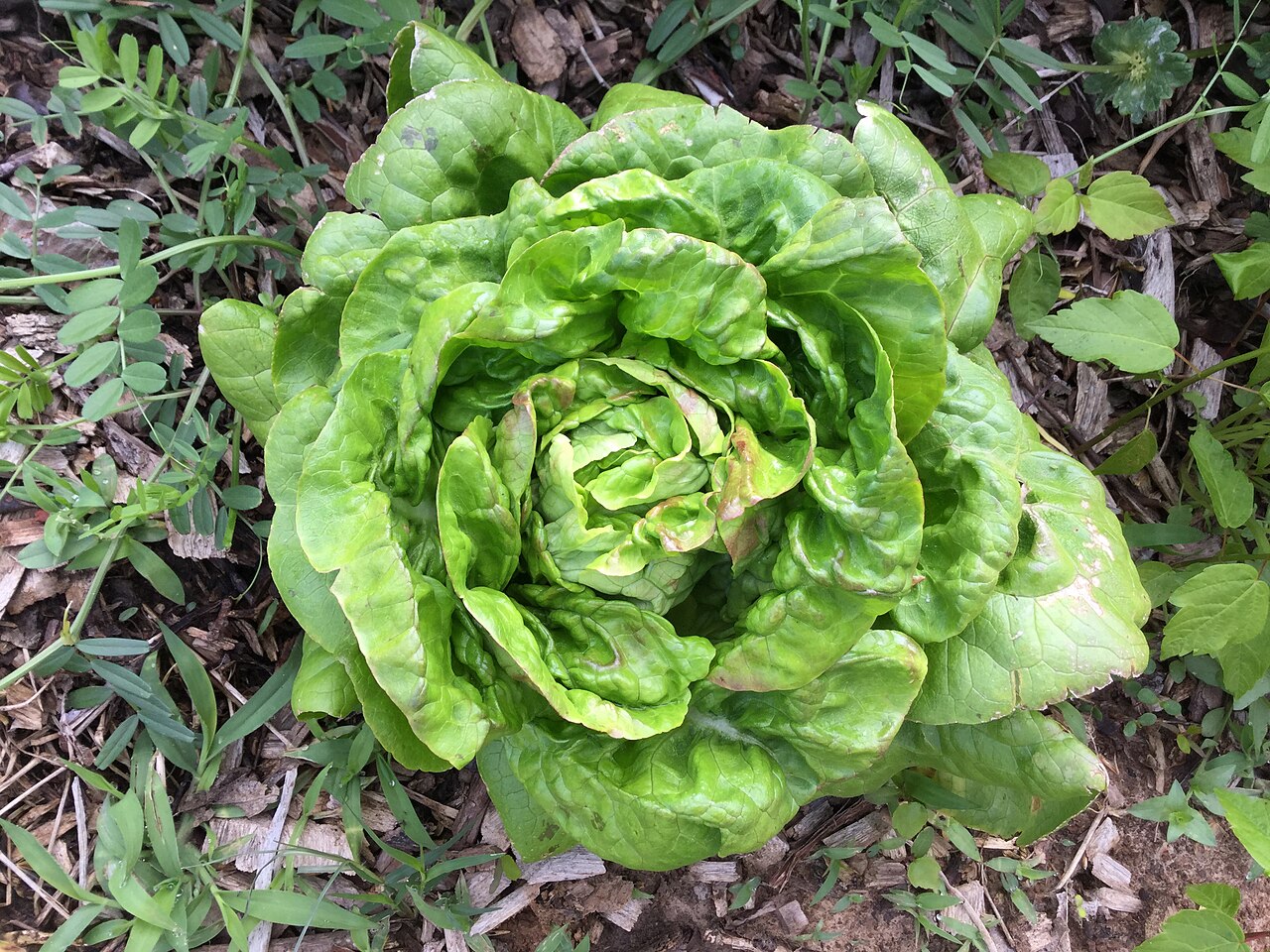
Butterhead lettuce thriving in a garden bed; leafy greens tolerate shade better than any other vegetable group. Photograph: Geo Lightspeed7/Wikimedia Commons
Image Credits: Wikimedia Commons
Not every garden gets full sun. Trees, fences, and neighboring buildings can easily steal half the day's light, and most vegetable advice assumes a wide-open plot. The good news is that plenty of vegetables evolved for cool, dim conditions, and they will still feed you well.
Shade-tolerant does not mean shade-loving. Every vegetable grows faster with more light. What it means is that certain crops still produce a worthwhile harvest on 2 to 6 hours of direct sun, while others simply shut down.
This article explains which vegetables grow well in shade: the best leafy greens, root crops that tolerate low light, herbs for shady spots, and the vegetables to avoid planting in shade.
The best leafy greens for shade
Leafy greens are the undisputed champions of the shady garden. According to HowStuffWorks, greens like lettuce, spinach, Swiss chard, arugula, endive, radicchio, kale, mustard, cabbage and bok choy need as little as two hours of full sunlight a day.
That low threshold makes sense. Leaves are the plant's solar panels, and leafy crops are harvested for those panels rather than for fruit or roots. They get by on less energy because you eat the energy-gathering part itself.
Lettuce is the easiest starting point. It prefers cool temperatures around 60 to 70°F, and shade actually helps in warm weather because lettuce bolts (rushes to flower and turns bitter) in heat. One shade-garden guide notes that lettuce bolts more slowly in shade, which stretches your harvest window through summer.
Spinach is another natural. It prefers 3 to 4 hours of daily sun and germinates best in cool soil between 50 and 60°F. Sow it in spring and again in fall for two crops a year. Afternoon shade keeps it from bolting when temperatures climb.
Kale handles 3 to 5 hours of sun and shrugs off cold. Growth slows a bit in shade, but some growers report the flavor actually improves with less direct sun. It also tolerates light frost, so it often outlasts everything else in the fall garden.
Arugula may be the biggest surprise. It needs only 3 to 4 hours of sun, and reduced direct sun makes the leaves less bitter. If grocery-store arugula tastes too peppery for you, grow it in shade and harvest young.
Mustard greens and bok choy round out the list. Mustard varieties can be harvested as baby leaves in about three weeks or left to mature in 35 to 45 days. Bok choy and its Asian-green cousins like mizuna thrive in filtered light on 3 to 5 hours of sun.
Root crops that tolerate low light
Root vegetables need a bit more light than greens, but several still work. HowStuffWorks puts the threshold at around four hours of daily sun for potatoes, beets, carrots and turnips.
Beets are the most forgiving. They grow on 4 to 6 hours of sun and give you two crops in one: harvest the roots small and eat the greens like spinach. Thin the seedlings so roots have room to swell, and keep the soil loose.
Radishes are the speed demons of the shade garden. They mature in 3 to 4 weeks even in partial shade, and some varieties produce on just 3 hours of sunlight a day. Sow them in succession every two weeks for a continuous supply.
Carrots need closer to five or six hours for full-size roots, and their seeds take 10 to 14 days to germinate, so be patient. In deeper shade they still grow, just smaller and sweeter-tasting, which many gardeners prefer.
Turnips follow the same pattern. Smaller varieties do fine on 4 to 5 hours of sun, while the big storage types want more light. Harvest them young for the best texture.
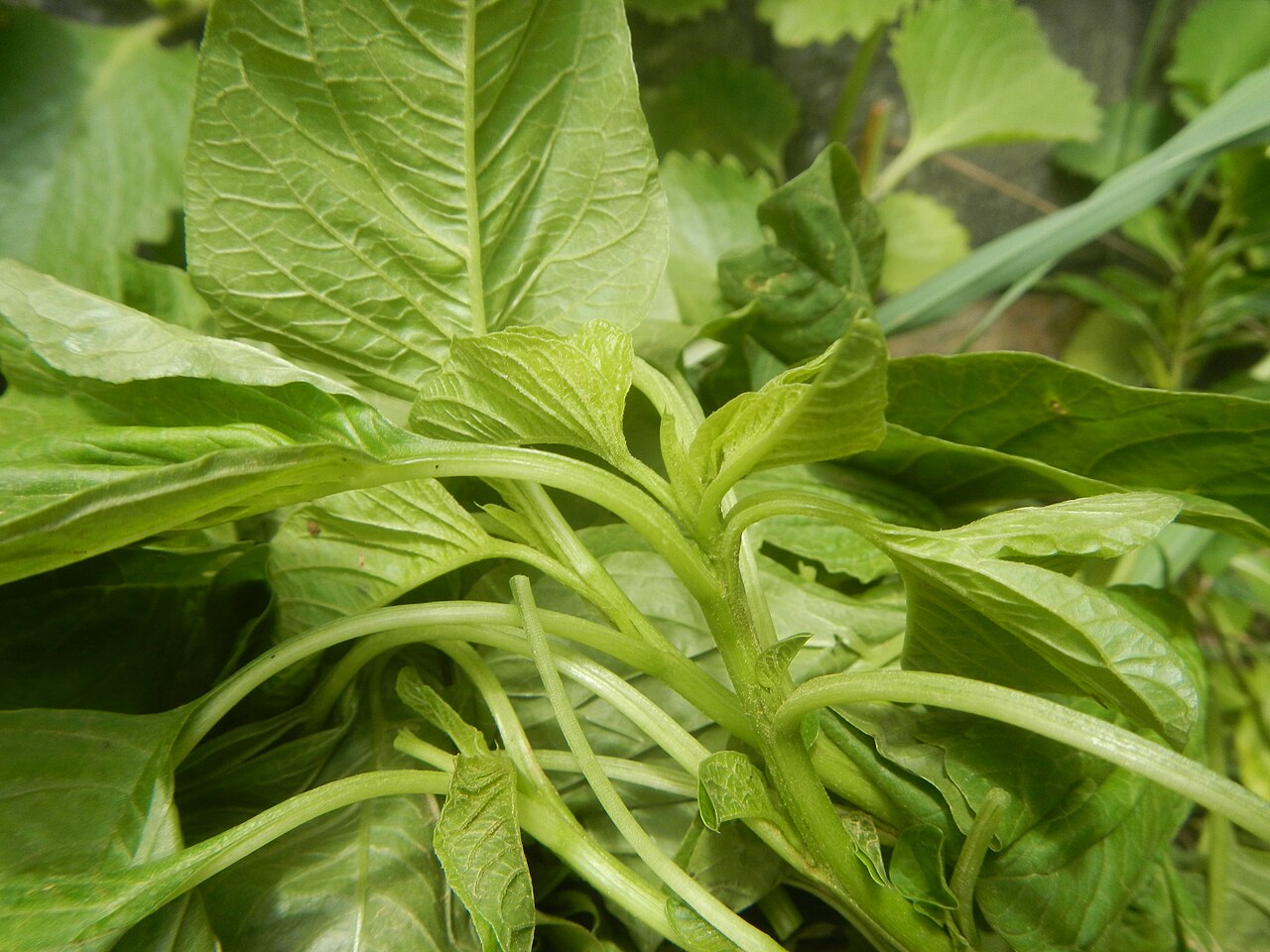
Fresh spinach leaves. Spinach prefers just 3 to 4 hours of daily sun and cool soil. Photograph: Judgefloro/Wikimedia Commons
Image Credits: Wikimedia Commons
Herbs for shady spots
Most culinary herbs tolerate partial shade, and a few actually prefer it. Cilantro bolts fast in hot sun, so shade extends its season. Parsley, chives and mint all grow in surprisingly dim conditions.
Mint is so shade-tolerant and aggressive that it should always be contained in a pot, even in a shady bed. It will take over whatever corner you give it.
One caution: basil is the exception. It wants full sun and grows leggy and pale in shade. Keep basil in your brightest spot and give the dim corners to the cilantro and parsley instead.
If your shady bed is under trees, till shallowly to avoid damaging tree roots, and consider containers, which can be repositioned as the sun angle shifts through the season. If you are also building soil fertility in a low-light bed, shade-tolerant greens respond well to rich, moist soil.
Vegetables to avoid in shade
The worst choices for a shady garden are the crops that fruit from flowers. HowStuffWorks is blunt about it: tomatoes, cucumbers, peppers, squash and eggplants need six or more hours of full sunlight per day, and without it they produce little more than frustration.
These plants spend enormous energy making flowers, then fruit, then ripening that fruit. In shade they stretch toward the light, grow leggy, and set few fruit. A tomato in 3 hours of sun will survive, but you will get a handful of small, late tomatoes instead of a harvest.
Save those crops for your sunniest 6-plus-hour spots, or grow them in containers you can move. Every square foot of shade is better given to greens and roots that will actually pay rent.
Pole beans also want full sun, though bush beans tolerate around 5 hours. Peas sit in the middle at 4 to 6 hours, preferring cooler, partially shaded positions anyway.
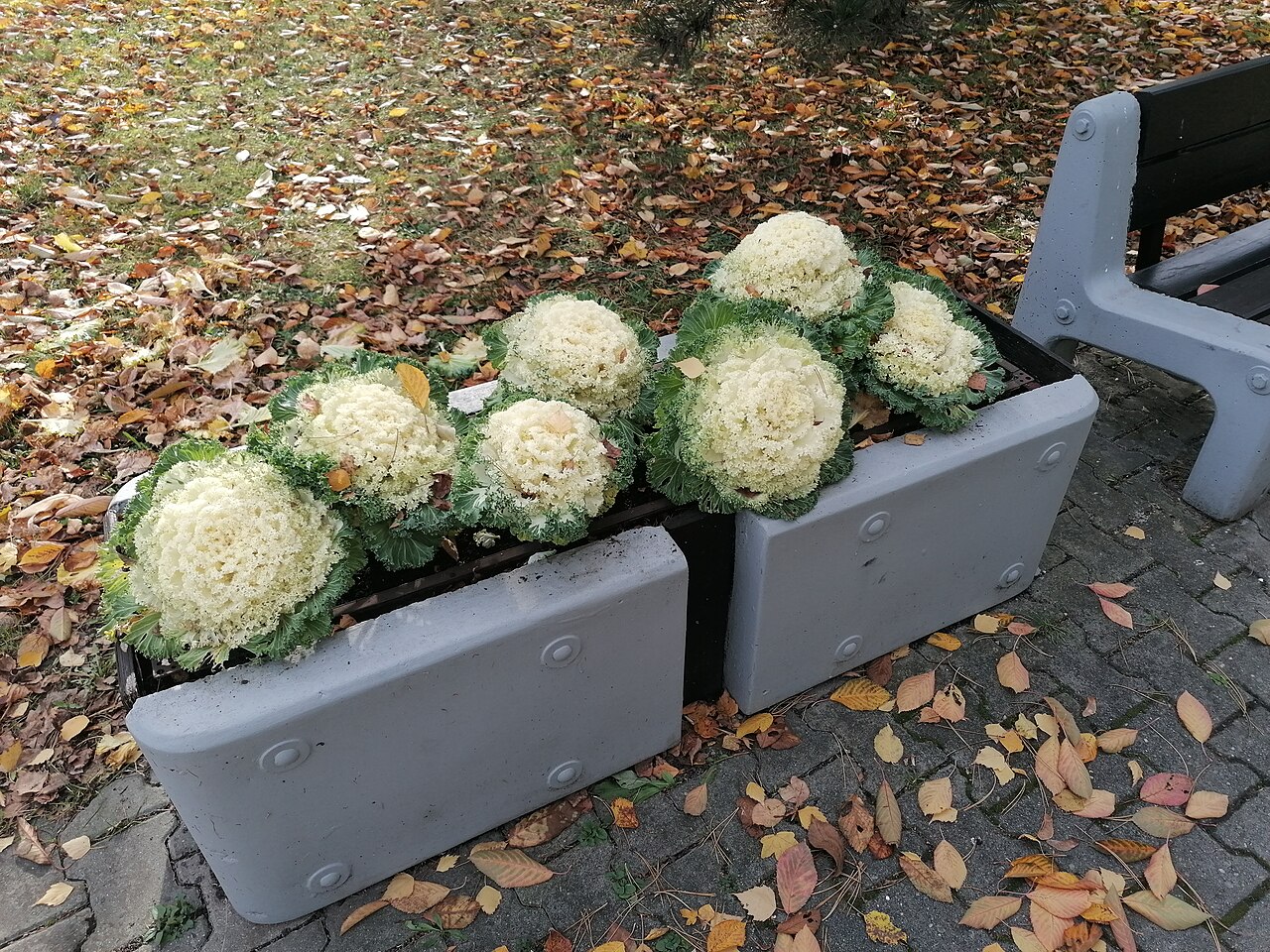
Ornamental kale in a public planting. Edible kales share the same shade tolerance and cold hardiness. Photograph: Abraham/Wikimedia Commons
Image Credits: Wikimedia Commons
Frequently asked questions
Can you grow vegetables with only 3 hours of sun?
Yes, if you pick the right ones. Lettuce, spinach, arugula, radishes and Asian greens all produce on 3 to 4 hours of direct sun. Expect slower growth and smaller harvests than in full sun, but the crops still taste good.
Do shade-grown vegetables taste different?
Often they taste better. Arugula is less bitter in shade, lettuce stays sweet longer before bolting, and carrots grown with less sun can be sweeter. The main trade-off is size and speed, not flavor.
What is the minimum sunlight for tomatoes?
Tomatoes need at least 6 hours of direct sun to fruit well, and 8 or more is better. If your spot gets less than that, plant lettuce or spinach there instead and grow tomatoes in containers in your brightest location.
Should I fertilize a shade garden differently?
Shade gardens need the same nutrients, but wet, dim soil is prone to fungal problems, so avoid overwatering and give plants good air circulation. Rich soil helps: greens grown for leaves respond strongly to nitrogen from compost.
The bottom line
Match the crop to the light and a shady garden stops being a problem. Leafy greens on 2 to 4 hours of sun, root crops on 4 to 6, herbs in the dim corners, and fruiting crops strictly in full sun. That is the whole formula.
Start with lettuce, spinach and radishes this season. They are fast, forgiving, and they will show you exactly what your shady spot can do before you invest in anything fancier.
Rive News's research desk covers gardening topics from university extension publications and established growing guides.
Subscribe to the Rive News newsletter for one practical explainer like this every morning.
Related stories

What Is Companion Planting and Does It Work?
Marigolds work as a nematode cover crop, but the basil flavor claim failed repeated tests. An honest evidence review of what companion

Determinate vs. indeterminate tomatoes: growth, pruning, and harvest differences
Determinate tomatoes grow to a set size and ripen all at once, while indeterminate types vine all season. That one difference shapes

How to improve clay soil for gardening
Gypsum will not fix ordinary clay soil, say extension experts. What actually works: 2 to 3 inches of compost, mulch, better drainage,