
What Is Root Rot, and Why Does It Smell So Bad?
Key takeaways
- Root rot is the decay of plant roots in waterlogged, oxygen-poor soil. Invading bacteria and fungi break root tissue down into mush.
- The rotten-egg smell comes from sulfur compounds released as anaerobic microbes digest the dying roots.
- Trim the mushy roots, repot in fresh dry mix with drainage holes, and water only when the top two inches of soil feel dry.
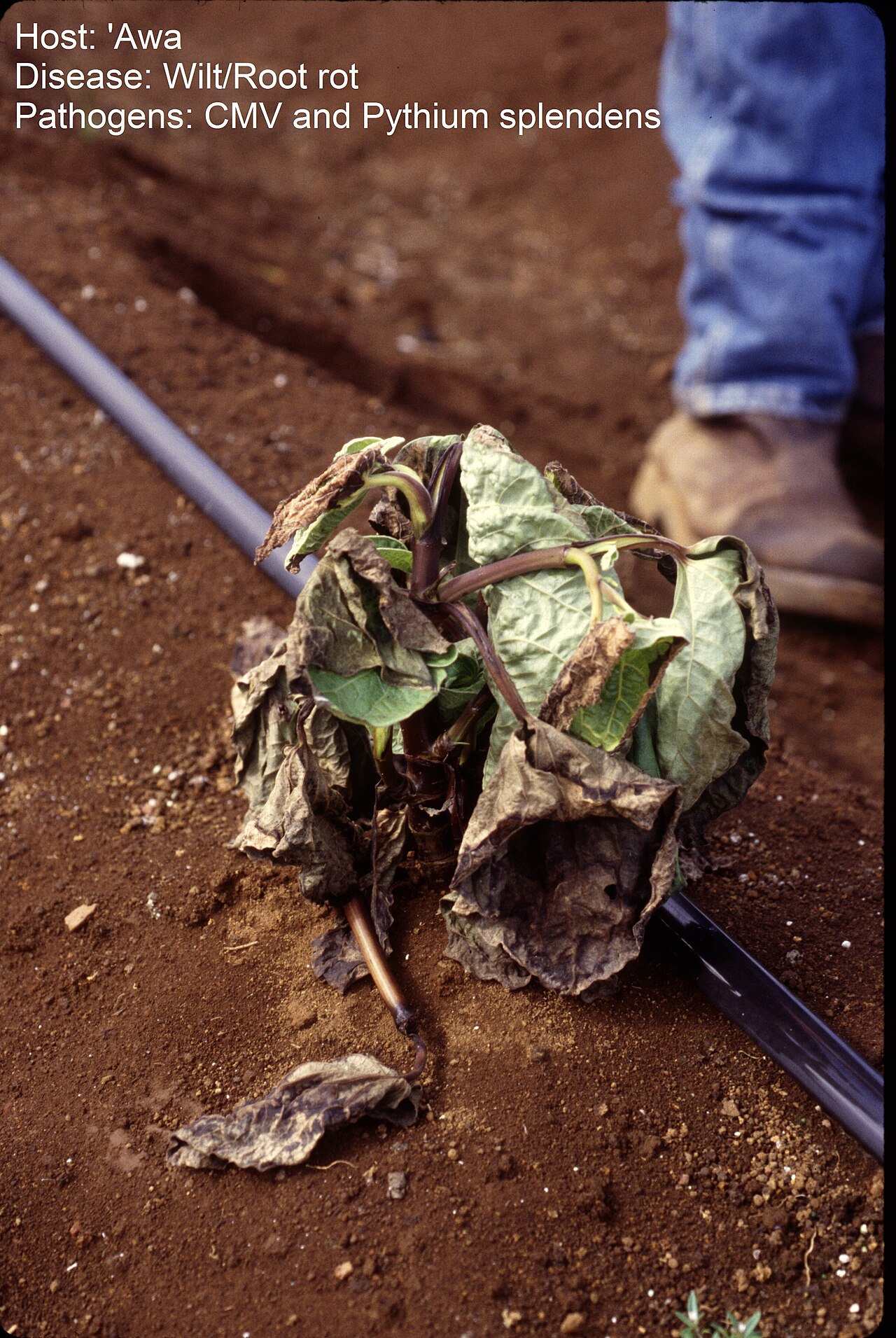
Image Credits: Wikimedia Commons
Root rot is the decay of a plant's roots. It sets in when roots sit in wet, airless soil for too long. Soil-borne bacteria and fungi move in to break the dying tissue down.
That decay is what you smell. As microbes digest the dead roots, they release sulfur-rich gases. These have the sharp, sour odor of rotten eggs, the same stink that rises from a neglected drain.
This article takes a closer look at root rot. It covers what it is, why it smells the way it does, how to confirm the diagnosis, and the steps that can still save the plant.
What is root rot?
"Root rot is exactly what it sounds like," Patch Plants writes in its care guide. The roots die after a plant has been consistently overwatered, and the rot spreads from there.
Roots need water, but they also need air. When soil stays saturated, the air pockets between soil particles collapse. Oxygen runs out. Plant roots cannot survive long without oxygen. Their weakened tissue becomes an easy target for pathogens.
The usual culprits are a group of soil-borne organisms. It includes Pythium, Phytophthora, Rhizoctonia solani, and Fusarium species, according to Blooming Expert's houseplant guide, which cites the University of Wisconsin Extension. Pythium, a water mold rather than a true fungus, is the most common offender in home settings. It spreads through soggy soil as swimming spores called zoospores that hunt down healthy root tips.
Overwatering is the classic trigger. But pots without drainage holes, dense potting mix, and saucers left full of standing water cause the same damage. Left untreated, the rot climbs from the roots into the stem base. The plant collapses.
Why does root rot smell?
Healthy soil is full of oxygen. Most of the microbes living in it are aerobic, meaning they need oxygen to survive. Waterlogging pushes the oxygen out. It flips the soil into an anaerobic state. Anaerobic means oxygen-free. This state is hostile both to roots and to the beneficial microbes that normally keep pathogens in check.
Plant Insights explains what happens next. With the beneficial organisms gone, anaerobic bacteria and fungi multiply. They feed on the dying root tissue. Their digestion releases volatile compounds, most notably sulfur compounds. These produce the characteristic rotten-egg smell, alongside other sour and musty gases.
The odor changes as the damage spreads. In the early stages it may read as merely musty or earthy. As more tissue breaks down, the smell turns pungent. It can become noticeable from across the room.
The smell is not the plant itself. It is the waste gas of microbes eating it. That is why the odor keeps intensifying until the decay is removed or the plant is gone.
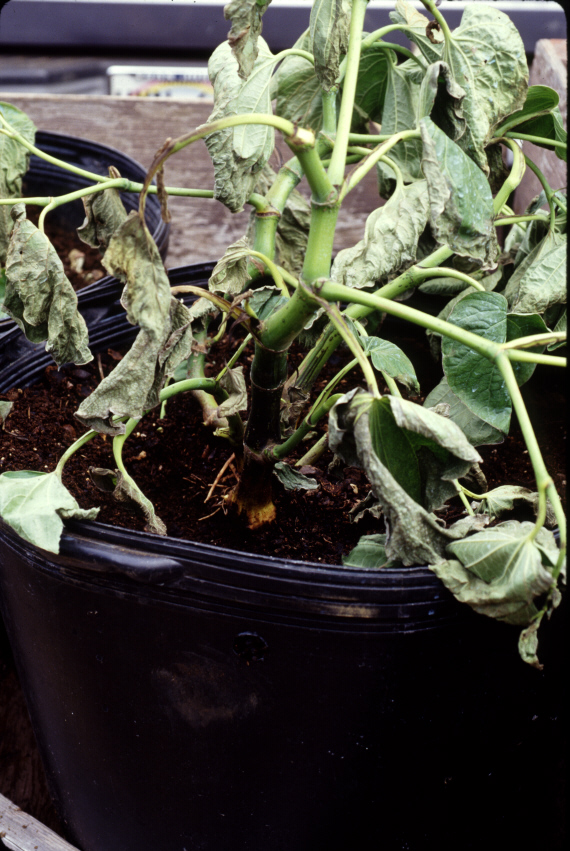
Image Credits: Wikimedia Commons
How to tell if your plant has root rot
Above the soil, root rot imitates thirst. That is why so many people water more and make it worse. Leaves, especially the lower ones, turn yellow or brown and drop. The plant wilts even though the soil feels moist, according to Plant Insights. Growth stalls at the same time.
The soil itself may smell sour or eggy when disturbed. You may notice white or brown fungal strands on the surface or around the drainage holes.
The sure test is underground. Slide the plant out of its pot and look at the roots directly. Healthy roots are white or tan, firm, and flexible.
Rotted roots are brown or black, soft and slimy to the touch. They may fall apart when handled. Healthy Houseplants lists these same signs in its diagnosis guide.
Before repotting anything, rule out simple watering confusion with the finger test for overwatering versus underwatering. If houseplant leaves are yellowing and dropping while the soil stays damp for days, root rot moves to the top of the suspect list. Brown leaf tips on indoor plants can share the same overwatering origin.
How to fix root rot
Act quickly once the diagnosis is confirmed. Every extra day in soggy soil costs the plant more roots.
Remove the plant from its pot and wash the old soil from the roots. Then you can see exactly what is dead. Cut away every mushy, dark, or foul-smelling root with clean scissors. Keep only firm, light-colored tissue. Several guides recommend rinsing the remaining roots and letting the cut surfaces dry before repotting.
Repot into fresh, dry, well-draining mix in a pot with drainage holes. Size the pot to the remaining root ball rather than the old pot. A pot that is too large holds water the shrunken root system cannot use.
Water only when the top two inches of soil feel dry, as Patch Plants advises. Never let the pot sit in a saucer of standing water. Stagnant water in the saucer breeds the same anaerobic bacteria that caused the problem.
Recovery is measured in weeks, not days. New white root tips and firm new growth are the signs the rescue worked.
Frequently asked questions
Can a plant recover from root rot?
Yes, if enough healthy root tissue remains. Trimming the rot, repotting in fresh mix, and correcting the watering gives many houseplants a real chance. Specimens with almost no firm roots left rarely make it.
Does root rot always smell?
Not always. Early or mild cases may carry little odor. The smell intensifies as decay spreads, according to Plant Insights. A plant can have root rot with only a faint mustiness.
Should I throw away the old soil?
Replacing it is the safest choice, since pathogens can survive in the old mix. If you reuse it, let it dry out completely first, as Planet Houseplant suggests. But drying alone does not sterilize it.
Is the smell harmful to people?
There is no evidence the odor itself is dangerous. It is unpleasant, not toxic. Wear gloves when handling rotted roots as a basic hygiene habit, and wash your tools afterward.
The bottom line
Root rot is a drowning problem first and a smell problem second. Keep the soil airy and let watering be driven by the soil rather than the calendar. Then the anaerobic bacteria never get their opening. If the rotten-egg smell has already arrived, inspect the roots today.
Rive News is the in-house research desk behind these explainers. It reads the sources so you don't have to.
Latest in Gardening
- Indoor plants with brown leaf tips
- Houseplant leaves turning yellow and dropping
- Succulents stretching tall and pale indoors
- Seedlings going leggy and how light fixes it
Subscribe to the Rive News newsletter for one plant-science explainer in your inbox every morning.
Corrections: we fix errors promptly; write to the research desk. © 2026 Rive News. Reporting standards: every claim is sourced; no invented quotes, statistics, or experts.
Related stories

What Is Companion Planting and Does It Work?
Marigolds work as a nematode cover crop, but the basil flavor claim failed repeated tests. An honest evidence review of what companion plant

Determinate vs. indeterminate tomatoes: growth, pruning, and harvest differences
Determinate tomatoes grow to a set size and ripen all at once, while indeterminate types vine all season. That one difference shapes pruning

How to improve clay soil for gardening
Gypsum will not fix ordinary clay soil, say extension experts. What actually works: 2 to 3 inches of compost, mulch, better drainage, and a