
How to tell overwatering vs underwatering in plants: finger test and weight method
Key takeaways
- A wilting plant is not always thirsty: overwatered and underwatered plants both droop, so check the soil before reaching for the watering can.
- Push a finger 2 inches (5 cm) into the soil. Wet, cold, sour-smelling soil points to overwatering; bone-dry soil points to underwatering.
- Lift the pot. A pot that stays heavy for days is waterlogged; one that feels light as air is thirsty.
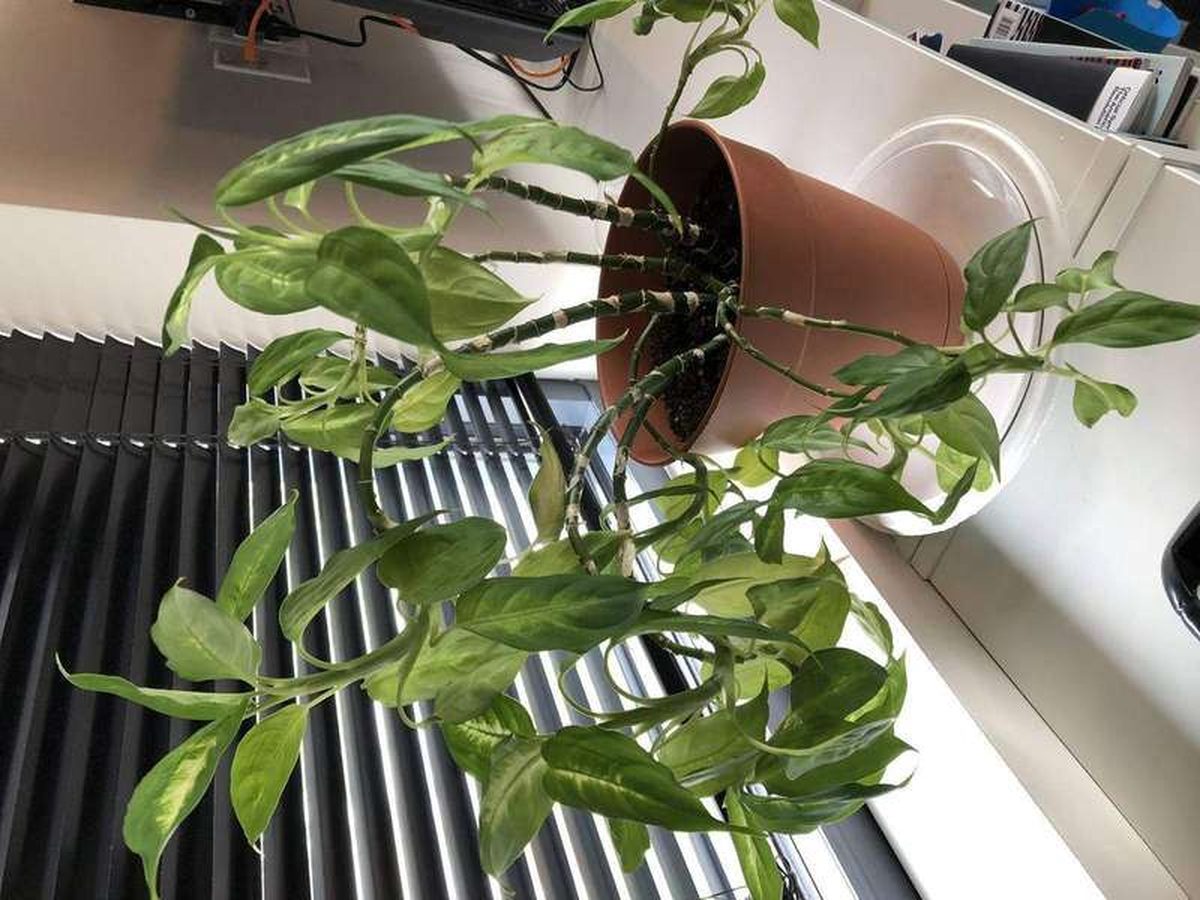
A houseplant slumping from watering stress, the exact moment the finger test earns its keep. Photograph: Embabahcairo0009/Wikimedia Commons
Image Credits: Wikimedia Commons
Overwatering means giving a plant more water than its roots can use. The soggy soil pushes air out of the tiny gaps between soil particles, and roots need that air to breathe. Without it, roots begin to rot, and the plant ironically loses its ability to take in water at all.
Underwatering is the mirror image. The plant simply does not get enough water, so its cells lose turgor pressure (the inner firmness that holds leaves upright). Leaves collapse, crisp at the edges, and growth stalls.
This article takes a closer look at telling the two apart, including the side-by-side symptom chart, how to do the finger test, how to use the pot-weight method, and how to rescue a plant from each problem.
The symptom chart: overwatering vs underwatering side by side
The trap is that both problems look alike from across the room. Wilting happens in both. The tell is never the droop alone; it is the mix of soil, leaves, and roots.
| Clue | Overwatered | Underwatered |
|---|---|---|
| Soil | Consistently wet or soggy | Dry, crumbly, pulling away from pot edges |
| Leaves | Yellowing, soft, limp | Brown edges, dry, crispy |
| Leaf texture | Mushy, swollen, curling downward | Thin, papery, curling inward |
| Roots | Brown or black, mushy, foul-smelling | White or tan, dry and brittle |
| Smell | Musty or sour around the soil | None, or faintly dusty |
| Pot weight | Heavy for days after watering | Light as air |
One detail trips up even experienced growers: both conditions can turn leaves yellow, as Good Home Garden notes in its comparison. That is why looks alone mislead. Always confirm with the soil before you act, because the cures are exact opposites and the wrong one makes things worse.
How to do the finger test
The fastest check needs no tools at all. Push your finger about 2 inches (5 cm) into the soil, as the plant site The Leafy Care recommends, and feel what is actually there.
Wet, cold soil that smells sour points to overwatering. Bone-dry soil that pulls away from the pot edges signals underwatering. The smell test matters: a musty or sour odor means root rot may already be setting in, and that is your cue to act rather than wait.
Check below the surface, not just the top crust. The top layer can dry out in a day while the root zone stays soaked, and watering on top of that hidden moisture is how plants drown. Two inches down is where the roots live, so that is where the answer lives.
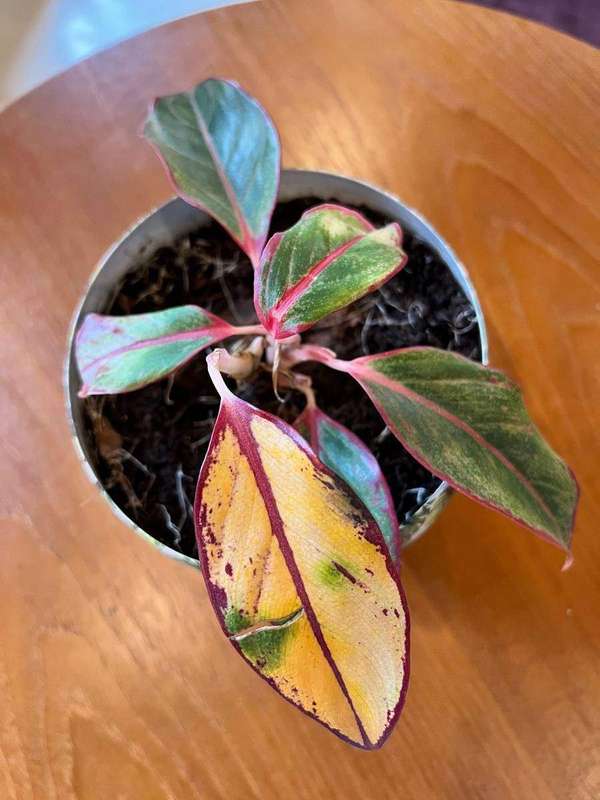
A healthy houseplant only needs water when the root zone dries out, which the finger test reveals in seconds. Photograph: Saurav9656/Wikimedia Commons
Image Credits: Wikimedia Commons
How to use the pot-weight method
Some plants keep their soil looking the same either way, and some pots are too deep for a finger to reach the root zone. Then lift the pot. A pot that still feels heavy days after watering is holding too much water; a pot that feels light as air is bone dry, according to Good Home Garden's side-by-side comparison.
The method works best once you calibrate it. Lift the pot right after a thorough watering and memorize that weight, then lift it again a few days later. The difference between those two weights becomes your personal moisture meter, no batteries needed.
This only works for pots you can lift, of course. For big floor planters, the finger test (or a moisture meter probe pushed to root depth) does the same job without the weightlifting.
How to rescue an overwatered plant
Act quickly, because root rot spreads. Stop watering right away and move the plant somewhere brighter with good airflow so the soil dries out faster.
Then look at the roots. Slide the plant out of its pot and inspect them: healthy roots are firm and pale, while rotted ones are dark, mushy, or foul-smelling. Trim away the rotted parts with clean scissors or pruning shears, since dead roots will not recover and leaving them invites the rot to spread.
Repot into fresh, dry potting mix in a clean pot with drainage holes. Then hold off on watering until the top 2 to 3 cm of soil is fully dry, and check with your finger rather than a calendar. For next time, mix perlite or coarse sand into the potting mix; the extra air pockets keep roots breathing even if you water a day early.
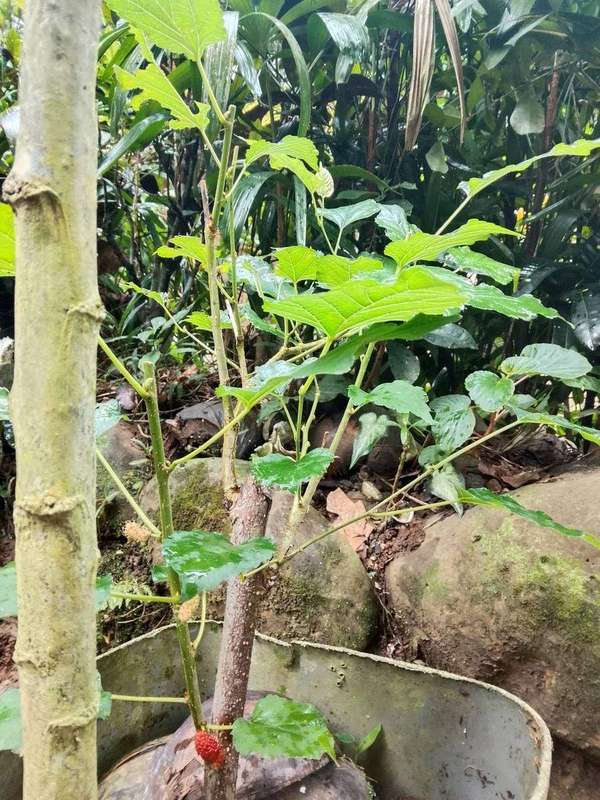
A potted plant in free-draining mix with a working drainage hole, the setup that makes overwatering much harder. Photograph: Dhraxze/Wikimedia Commons
Image Credits: Wikimedia Commons
How to rescue an underwatered plant
Here is the good news: underwatered plants generally bounce back faster than overwatered ones, sometimes within hours of a proper drink. Wilting with dry soil is the clearest sign of underwatering, and it usually reverses fast.
Water thoroughly, pouring slowly until water flows freely from the drainage holes at the bottom. For a badly dried-out pot where water runs straight through, stand the pot in a bowl of water for 20 to 30 minutes and let the root ball drink from below, a method Tiny Urban Gardeners recommends for the worst cases.
Once the plant recovers, build the schedule around the plant, the season, and your home's humidity, not a weekly timer. The Leafy Care gives a vivid example: a peace lily that wants water every six days in July may need it only every 18 days in December, when short days slow its growth.
Frequently asked questions
Why do my plant's leaves turn yellow even though I water regularly?
Yellow leaves with moist soil usually point to overwatering, not thirst. The roots are suffocating and the plant is dropping leaves it can no longer support. Ease off, let the soil dry, and check the roots if the yellowing spreads.
Can an overwatered plant recover on its own?
Sometimes, if you stop watering and the spot has good airflow. But once roots have turned brown and mushy, they will not heal by themselves; trim them and repot into fresh, dry mix.
Is misting a good substitute for watering?
No. Misting wets the leaves for a few minutes but barely reaches the roots. For a thirsty plant, water the soil itself until it drains from the bottom.
How do I avoid watering problems in winter?
Water far less often as daylight shortens and temperatures drop, since growth slows and the plant drinks less. Also move pots away from cold windowsills, which stress roots and make them absorb water even more slowly.
The bottom line
Two problems, two opposite cures. That is why the check comes before the watering can: finger in the soil, pot in the hand, and only then a decision.
Make soil-checking the habit instead of watering on a schedule. Your plants will tell you what they need, usually about 2 inches down.
Rive News is the research desk behind the Rive News production run, writing practical explainers across gardening, careers, education, and more.
Latest in gardening
- What Do Recruiters Actually Look for in 6 Seconds?
- What Is Active Recall and How to Use It for Studying
- Why Do Brake Rotors Warp, or Do They Actually?
- Why Do You Get Blisters When Hiking and How to Prevent Them
Get one practical explainer in your inbox every morning. Subscribe to the Rive News newsletter.
Related stories

What Is Companion Planting and Does It Work?
Marigolds work as a nematode cover crop, but the basil flavor claim failed repeated tests. An honest evidence review of what companion

Determinate vs. indeterminate tomatoes: growth, pruning, and harvest differences
Determinate tomatoes grow to a set size and ripen all at once, while indeterminate types vine all season. That one difference shapes

How to improve clay soil for gardening
Gypsum will not fix ordinary clay soil, say extension experts. What actually works: 2 to 3 inches of compost, mulch, better drainage,