
Why cucumbers taste bitter sometimes and how to prevent it
Key takeaways
- Bitterness comes from cucurbitacins B and C, natural compounds that rise when the plant is stressed.
- Heat, irregular watering, and poor soil are the main triggers. The bitter taste concentrates under the skin and at the stem end.
- Consistent water, mulch, and low-bitterness varieties prevent most cases.
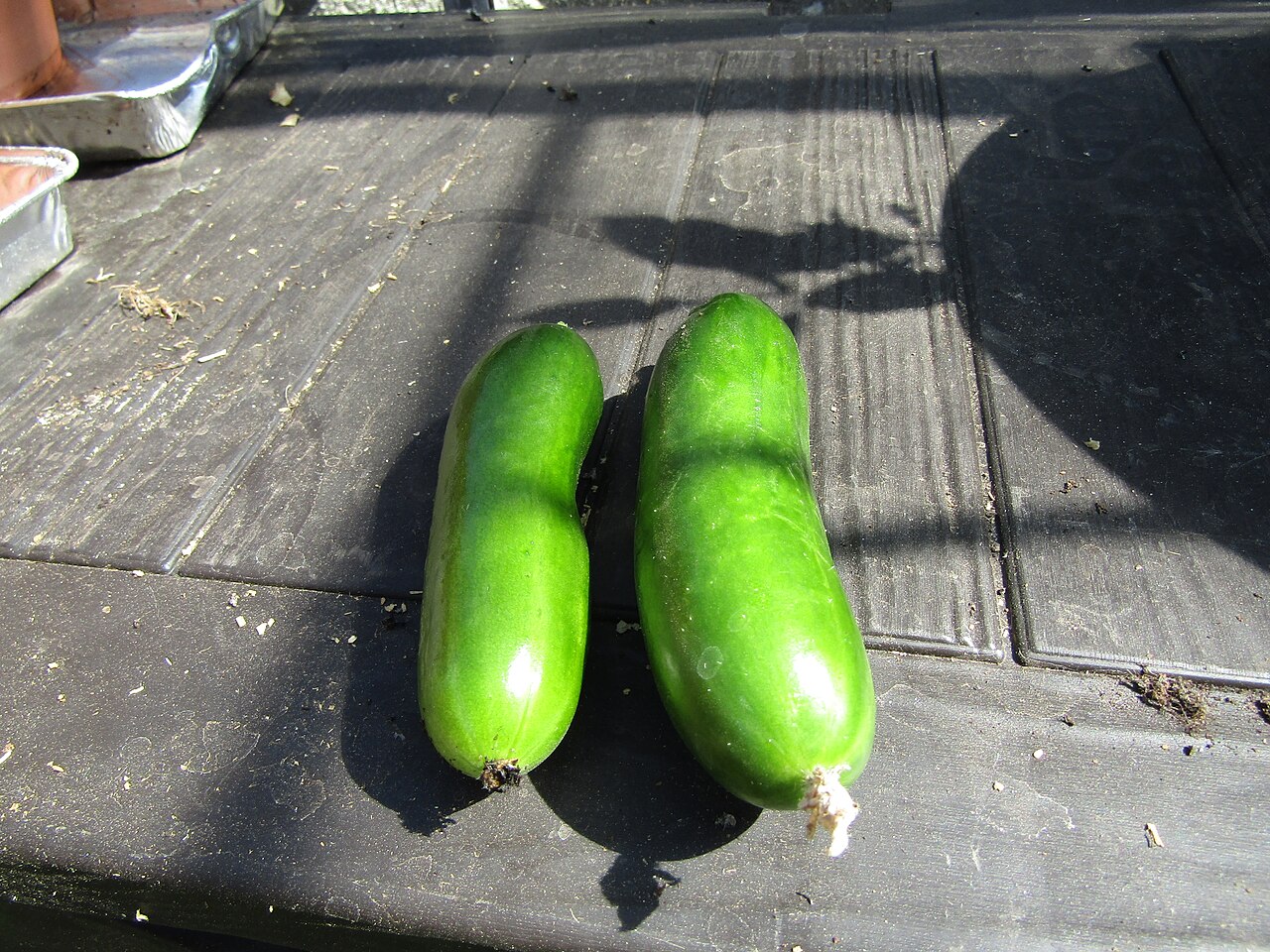
A cucumber should taste crisp, watery, and mildly sweet. When one bites back with a sharp, unpleasant bitterness, the surprise can ruin a salad.
The cause is not a bad recipe or a spoiled vegetable. It is chemistry, and it started in the garden.
Bitter taste in cucumbers comes from two natural compounds, cucurbitacins B and C, according to Kansas State University's horticulture resource center. These compounds normally stay in the leaves, stems, and roots, where they discourage animals from eating the plant. Under stress, they move into the fruit.
This article explains why cucumbers taste bitter sometimes, which growing conditions trigger the problem, how to rescue a bitter cucumber, and how to grow sweet ones next season.
What cucurbitacin is and why plants make it
Every member of the cucumber family, which includes squash, melons, and gourds, produces cucurbitacins as part of its biology, according to HomeQuirer. In a healthy plant, you never taste them because they remain in the parts you do not eat.
The compounds are a defense system. Bitter leaves and stems teach herbivores to leave the plant alone.
Cucumber breeders have spent decades developing varieties with the least possible cucurbitacin in the fruit, according to garden columnist Jeff Rugg, writing for Creators Syndicate. But the defense machinery is still there, waiting for stress to switch it on.
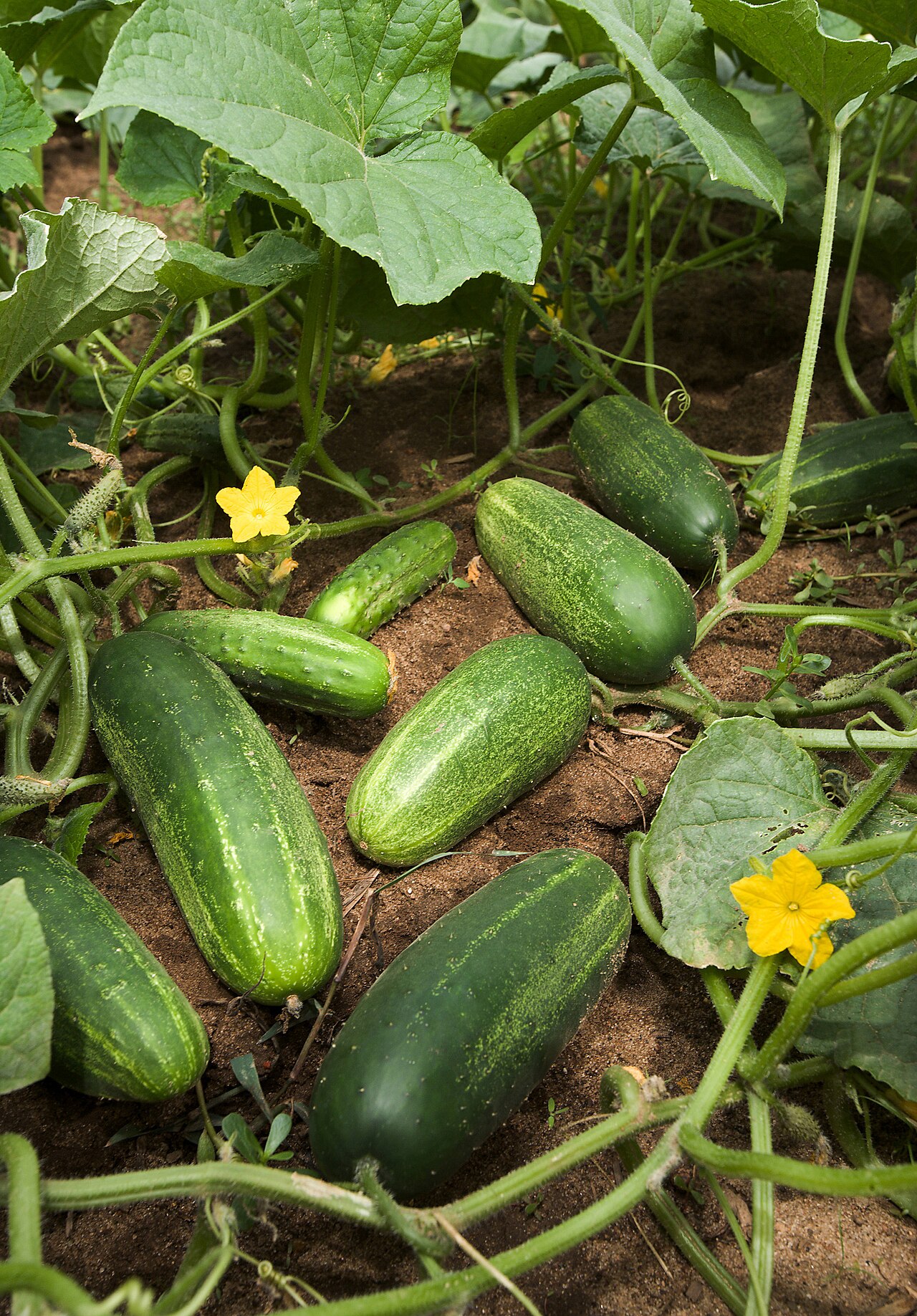
When stress hits, cucurbitacins spread from the foliage into the developing fruit. The bitterness concentrates in two places: at the stem end of the cucumber and just under the skin, according to K-State. That is why the first bite, often taken from the stem end, tends to taste the worst.
The growing conditions that trigger bitterness
Heat is the most common trigger. Bitterness most often appears during the hot part of summer or later in the growing season, according to K-State. Temperature swings, cold snaps in spring or fall, and drought all stress the plant the same way.
Water inconsistency ranks close behind. Plants that dry out between waterings, then get soaked, ramp up cucurbitacin production. Dengarden quotes gardener Siobhan Shaw, founder of Growing to Give, who recommends loose, well-drained soil enriched with compost and a soil test to guide fertilizer, since poor, compacted, or nutrient-imbalanced soil adds another layer of stress.
Genetics also matters. Older varieties are more likely to turn bitter than newer ones, according to K-State, and cucurbitacin production runs higher in first-ripening fruits than in later ones, according to Rugg. Pests and disease add stress that pushes the same compounds into the fruit.
One popular theory is false. Bitter fruit is not caused by cucumbers cross-pollinating with squash or melons, K-State states plainly. These plants cannot cross-pollinate with one another.
Is a bitter cucumber safe to eat
Generally, yes. Most cultivated varieties have been bred for low bitterness, and mild bitterness is harmless in normal amounts. If the bitterness is extremely strong, however, treat the cucumber with suspicion and do not eat large quantities of it.
Bitterness is a signal, and the practical response is to cut the bitter parts away rather than force yourself through the whole thing. A mildly bitter cucumber is safe in a salad. An intensely bitter one belongs in the compost.
How to rescue a bitter cucumber
Start at the stem end. Cut off about an inch from the stem end and peel the cucumber, since most of the bitter compounds sit there and just under the skin, according to K-State and Rugg. Peeling removes the worst of it.
Peel in the right direction. The Oregon State University Extension Service recommends peeling from the blossom end toward the stem end and stopping about an inch before the stem, so bitterness does not drag across the flesh as you peel, according to HomeQuirer.
An acid soak can help. Rugg suggests soaking peeled slices in a vinegar-based dressing, since the acid neutralizes some of the cucurbitacin. Salt water soaks work similarly for the same reason.
Skip the old "milking" trick. Rubbing the cut end of a cucumber to draw out a white foam is an old wives' tale with only a placebo effect, Tasting Table reports. Growing conditions determine sweetness. No amount of rubbing changes the chemistry inside the fruit.
How to grow sweet cucumbers next season
Choose the right variety first. Newer hybrids and so-called "burpless" types are bred for minimal cucurbitacin, and Armenian cucumbers are known for sweetness, according to multiple garden sources. Check variety descriptions for bitterness resistance before buying seed.
Keep water steady. K-State recommends well-drained soil with a pH between 6.0 and 6.5, plenty of organic matter, mulch to conserve moisture and keep roots cool, and adequate water especially during fruiting. Consistency matters more than volume.
Manage temperature. Do not plant too early in cold soil, and harvest before the weather turns cool in fall, Rugg advises. Row covers protect against cold snaps, while afternoon shade cloth helps in extreme heat.
Feed the soil, not just the plant. A soil test guides fertilizer needs. Insufficient nitrogen weakens plants, while excess phosphorus is linked to bitterness, according to Great Garden Plans. Compost-rich soil buffers both water and nutrients.
Harvest on time. Pick cucumbers young and often, since overripe fruit and the heat-stressed plants of late summer are the likeliest to turn bitter. And while you are managing the garden, remember that wildlife pressure stresses plants too, so protect your beds from foragers.
Frequently asked questions
Why are only some of my cucumbers bitter?
Bitterness varies fruit by fruit because stress is uneven. First-ripening fruits carry more cucurbitacin than later ones, according to Rugg, and fruits on the most stressed branches suffer most. One bitter cucumber does not mean the whole harvest is ruined.
Can cross-pollination with squash make cucumbers bitter?
No. Cucumbers cannot cross-pollinate with squash or melons, according to K-State. Bitterness comes from the plant's own stress response, not from neighboring plants.
Does rubbing the ends really remove bitterness?
No. The "milking" technique produces a placebo effect at best, Tasting Table reports. Cutting off the stem end and peeling does the real work.
Why do store-bought cucumbers never taste bitter?
Commercial growers use low-bitterness varieties, controlled irrigation, and consistent conditions that home gardens rarely match. Oregon State recommends buying cucumbers in season and avoiding misshapen ones, which tend to be less sweet.
The bottom line
Cucumbers taste bitter when stress pushes cucurbitacins from the leaves into the fruit. Heat, erratic watering, poor soil, and older varieties are the usual suspects, and the bitterness hides under the skin and at the stem end. Growers who keep water steady, mulch well, and pick resistant varieties get sweet cucumbers, much like other taste quirks in the kitchen have simple explanations and simpler fixes.
If this season's harvest is already bitter, cut the stem ends, peel from the blossom end, and try a vinegar soak. Next season, start with a low-bitterness variety and a mulch layer, and the problem may never appear.
By Rive News, Research desk. Rive News reports on everyday topics from public sources and documented expert guidance.
Related stories

What Is Companion Planting and Does It Work?
Marigolds work as a nematode cover crop, but the basil flavor claim failed repeated tests. An honest evidence review of what companion

Determinate vs. indeterminate tomatoes: growth, pruning, and harvest differences
Determinate tomatoes grow to a set size and ripen all at once, while indeterminate types vine all season. That one difference shapes

How to improve clay soil for gardening
Gypsum will not fix ordinary clay soil, say extension experts. What actually works: 2 to 3 inches of compost, mulch, better drainage,