
Why does honey crystallize and is it still good to eat
Key takeaways
- Honey crystallizes when glucose, which dissolves far less easily than fructose, separates from water in the sugary mix. It is a natural physical change, not spoilage.
- High-glucose types like canola honey can set within weeks. High-fructose types like acacia stay liquid far longer, according to published honey research.
- Crystallized honey is safe to eat and melts back in a warm water bath around 104°F. Sealed, room-temperature storage slows the process.
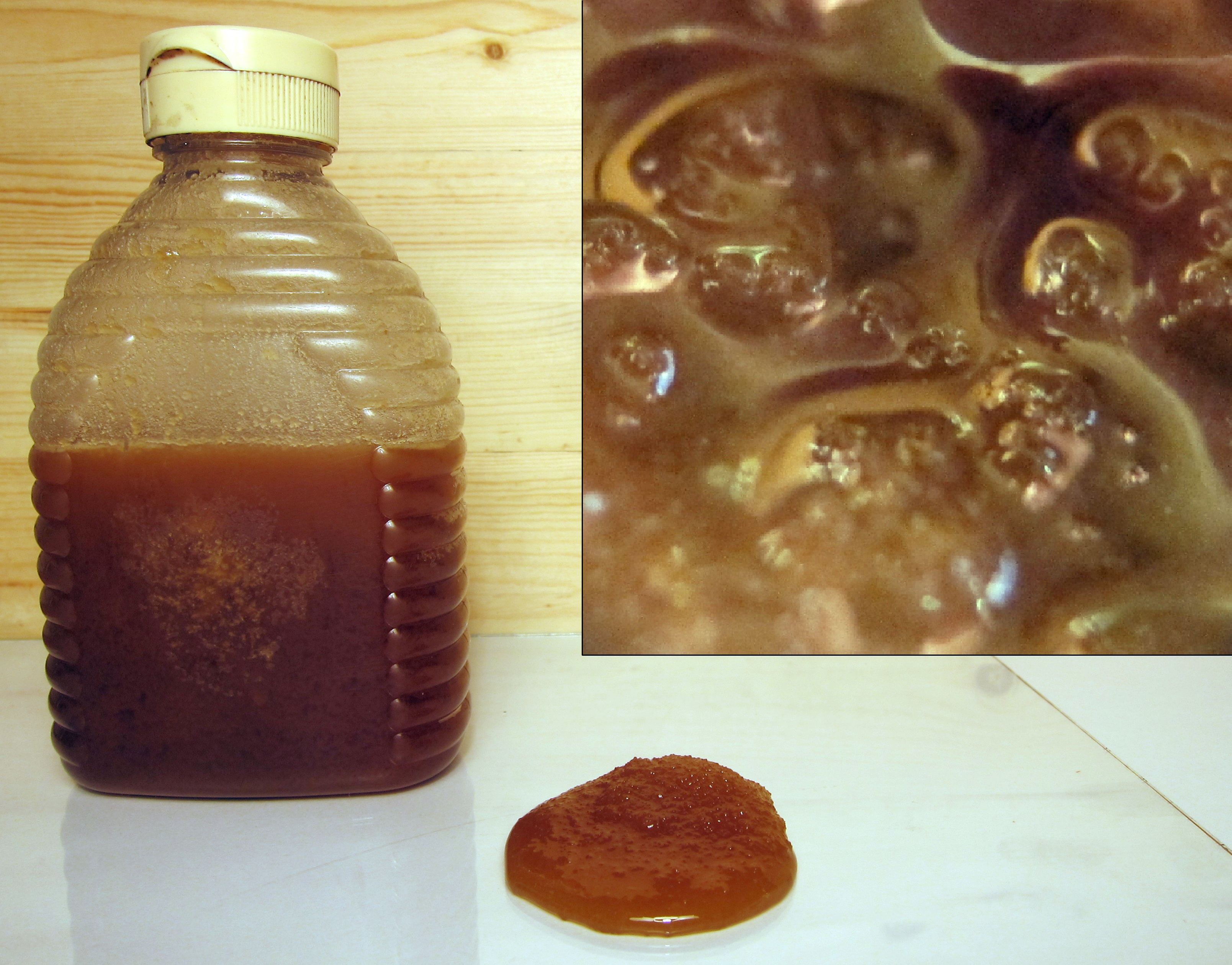
Crystallization is the process by which liquid honey turns grainy, cloudy, or solid over time. The glucose dissolved in the honey slowly separates from the water and forms tiny crystals, while the rest of the jar stays honey.
This is a normal property of supersaturated sugar solutions. Supersaturated means there is more sugar dissolved than the water can comfortably hold. It is not a sign that the jar went bad, and it does not turn honey into a different food.
This article explains what honey crystallization is, the sugar science behind it, which honeys crystallize fastest, whether crystallized honey is still safe to eat, how to melt it back properly, and how to store it to slow the process.
What crystallization actually is
Honey is mostly sugar dissolved in very little water. FoodCrumbles reports that over 80% of honey is sugars, mostly fructose and glucose, with a few percent of other sugars like sucrose and maltose, and the rest is mostly water. NorCal Nectar puts the water share at less than 20%, and the international honey standard caps moisture at 20%.
That ratio makes honey a supersaturated solution: more sugar is dissolved than the water can comfortably hold. Over time, the excess sugar comes out. According to the National Honey Board, crystallization is a natural process in which glucose comes out of liquid honey and forms crystals.
As crystals form, the honey turns paler, thicker, and grainier. Dow Gardens notes the texture can be coarse and sugary in some jars and smooth and creamy in others. The white crystals reflect light differently, which is why crystallized honey looks lighter than the same honey when liquid.
Why glucose separates out first
Not all sugars act the same in water. You can dissolve roughly four times as much fructose in water as glucose, FoodCrumbles explains. One study cited by NorCal Nectar measured glucose dissolving at about 47 grams per 100 grams of water, while fructose dissolved at about 385 grams (Weber and colleagues, MethodsX, 2022).
Since honey has both sugars in nearly equal amounts, the glucose hits its limit long before the fructose does. The glucose crystallizes first, and the fructose stays liquid. That is why a half-crystallized jar can have a runny layer on top, as NorCal Nectar describes.
The first crystal is the hardest to form. Once crystals exist, they act as seeds that attract more glucose, and crystallization spreads.
The seeds can be pollen grains, specks of dust, air bubbles, or even a scratch inside the jar. Indiana Public Media explained this in its September 13, 2019 explainer on why honey turns hard.
Food makers use this fact in reverse. Heating and fine-filtering honey dissolves existing crystals and removes pollen and other seed particles, which delays crystallization.
The tradeoff, Indiana Public Media notes, is that the heat also drives off some of the honey's distinctive flavor. Chocolate makers use a similar crystal trick: tempered chocolate gets its snap from carefully controlling cocoa butter crystals.
Which honeys crystallize fastest
The flower source decides the sugar balance, and the balance decides the speed. The fructose-to-glucose ratio ranges from roughly 0.4 to 2.5 across honeys, according to research cited by NorCal Nectar. Honeys richer in glucose set quickly, while honeys richer in fructose stay pourable.
Rapeseed (canola) honey is the classic fast crystallizer. Scripcă and Amariei reported a glucose-to-water ratio of 2.84 for rapeseed honey, well above the fast-crystallization mark of about 2.0. Beekeepers watch canola honey set within weeks (Foods, 2021, via NorCal Nectar). Acacia honey, at 1.54, sits below the slow-crystallization mark of about 1.7 and can stay liquid for a long time.
Raw, unfiltered honey crystallizes faster than processed honey because it keeps its pollen, which gives more seed sites. Commercial heating and fine filtration delay the process for the same reason.
Temperature matters too. FoodCrumbles states that crystallization runs fastest between 50 and 59°F (10-15°C). Research cited by NorCal Nectar pins the ideal crystallizing temperature at about 57°F (14°C) (Meixner and colleagues, Foods, 2022). That is why a jar in a cold pantry or garage sets faster than one on a warm kitchen shelf.
The University of Missouri Extension notes that honey forms crystals "as it gets older or if it is refrigerated."
Is crystallized honey still good to eat
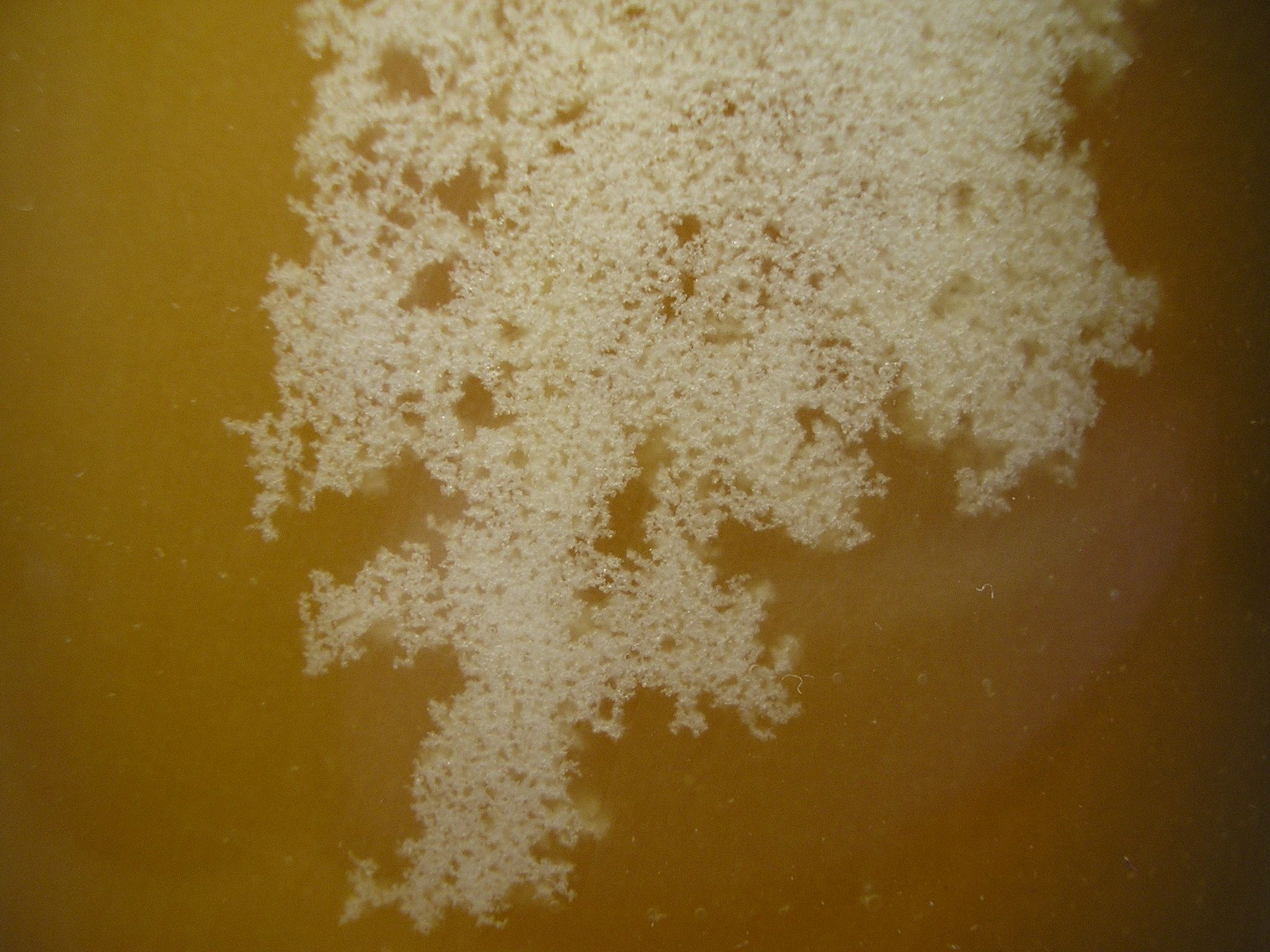
Yes. The sugars have only changed from dissolved to solid, which is a physical change, not spoilage. NorCal Nectar puts it simply: crystallized honey is still honey, and the flavor is the same.
Many people prefer the thicker texture for spreading on toast. The National Honey Board describes crystallization as natural and notes that some types crystallize quickly while a few barely crystallize at all. Seeing crystals is closer to a sign of minimally processed honey than a sign of damage.
What deserves attention instead is fermentation. Fermentation is when wild yeast eats the sugars and makes alcohol or sour smells. Honey is hygroscopic, meaning it pulls moisture from humid air when the lid is left off. Wild yeast can then start fermentation.
Oregon State University Extension advises that honey showing bubbling or sour odors has spoiled and should be thrown out. A sour or beer-like smell, foam on the surface, or a fizzy taste are the warning signs, according to NorCal Nectar's summary of extension guidance.
A partly crystallized jar deserves a stir or a re-liquefy. The liquid left between the crystals holds more water, which is where fermentation usually starts, NorCal Nectar reports.
How to reliquefy crystallized honey properly
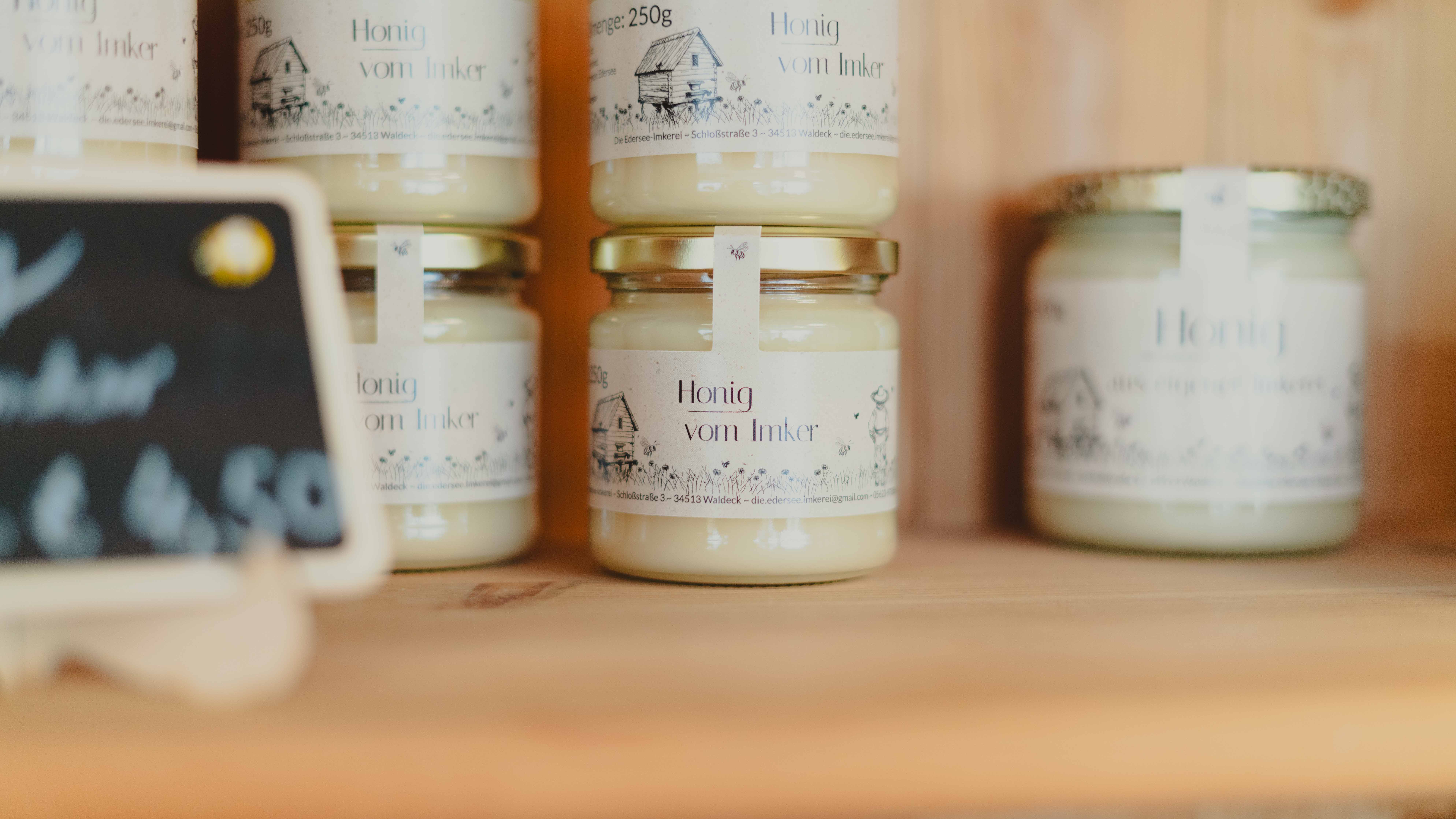
If you want the flowing texture back, warm water is the standard method. Dow Gardens recommends a warm water bath of about 40°C (100°F) for 15 minutes or more, until the crystals dissolve and the honey turns liquid.
NorCal Nectar suggests setting the glass jar in water between 95 and 110°F (35 to 43°C), loosening the lid, and stirring every 10 to 15 minutes while swapping in fresh warm water as it cools. Most jars clear in 30 to 60 minutes.
Keep the heat gentle. FoodCrumbles notes that all the sugars redissolve at about 40°C (104°F), so boiling is unnecessary. High heat can dull the flavor and break down enzymes. Stay in the 35-45°C (95-113°F) range and stir regularly.
The microwave works if the container is microwave-safe. The National Honey Board says you can microwave honey with the lid off, stirring every 30 seconds, as long as you do not boil or scorch it. The University of Missouri Extension warns against setting plastic honey containers in warm water, and the same caution applies to microwaving in plastic.
Do not expect the liquid state to last forever. Indiana Public Media notes that honey crystallizes faster the second time because heat cannot remove every seed particle. Weeks to a few months of liquid texture is typical.
Storage tips that slow crystallization
The University of Missouri Extension recommends storing honey in a tightly covered container in a dry place between 50 and 70°F. Honey has no simple freshness check like the water test for eggs, so getting storage right from the start matters.
Skip the refrigerator for everyday storage. Cold air thickens honey and speeds crystallization, which is the wrong direction if you like it pourable.
Keep the lid tight and the spoon dry. A wet spoon adds water directly to the jar, and extra water is what allows fermentation.
A steady, warm-ish room temperature slows crystallization. But avoid parking the jar near the stove or in direct sun. Long-term warmth above about 77°F (25°C) darkens honey and fades its aroma faster, an FAO technical review notes (via NorCal Nectar).
Frequently asked questions
Is crystallized honey safe to eat?
Yes. Crystallization is a physical change in the sugars, not spoilage. The honey keeps its flavor and can be eaten as is or warmed back to liquid.
Why did my honey crystallize so fast?
Usually because of its flower source or its storage temperature. Glucose-rich honeys like canola can set within weeks, and storage near 57°F (14°C) speeds the process. Raw honey with its pollen intact also starts faster.
How do I reliquefy honey without ruining it?
Stand the glass jar in warm water around 95 to 110°F (35 to 43°C) and stir every 10 to 15 minutes until the crystals dissolve. Avoid boiling water and direct stovetop heat, which can dull flavor and damage enzymes.
Does crystallized honey mean the honey is fake?
Not necessarily. Crystallization is typical of raw honey, but it is not proof of purity either. High-fructose honeys like acacia stay liquid naturally, and commercial heating and filtration delay crystals.
Judge the jar by its label and source, not just its texture. Kitchen science explains plenty of surprises, from crystal formation to why eggs float as they age.
The bottom line
Crystallized honey is normal, safe, and reversible. Glucose separates from water in the concentrated sugar mix, and factors like the flower source and cool storage decide how fast it happens.
If your jar has set, use it as is for spreading or melt it back gently in a warm water bath. Seal the lid, keep the spoon dry, and store the jar at a steady room temperature to keep it liquid longer.
Related stories

Why Does Bread Go Stale Faster in the Refrigerator?
Bread goes stale faster in the fridge because starch recrystallizes fastest near 4°C. Here is the retrogradation science and the right way

Baking soda and baking powder: what's the difference?
Baking soda is pure sodium bicarbonate; baking powder adds two dry acids for double-acting lift. Learn when to use each, plus exact

What Is the Maillard Reaction in Simple Terms?
The Maillard reaction is the browning chemistry between amino acids and sugars above 140 C that creates the crust, color, and rich flavor