
Why orchid flowers fall off after bringing them home
Key takeaways
- The top cause is acclimation shock. The trip from a perfect greenhouse to your living room stresses the plant into aborting its buds.
- Drafts, dry air, overwatering, and ethylene gas from ripening fruit are the other big triggers, per the American Orchid Society.
- Pick one stable spot with bright indirect light. Water only when the bark is nearly dry. Keep buds away from fruit bowls and heat vents.
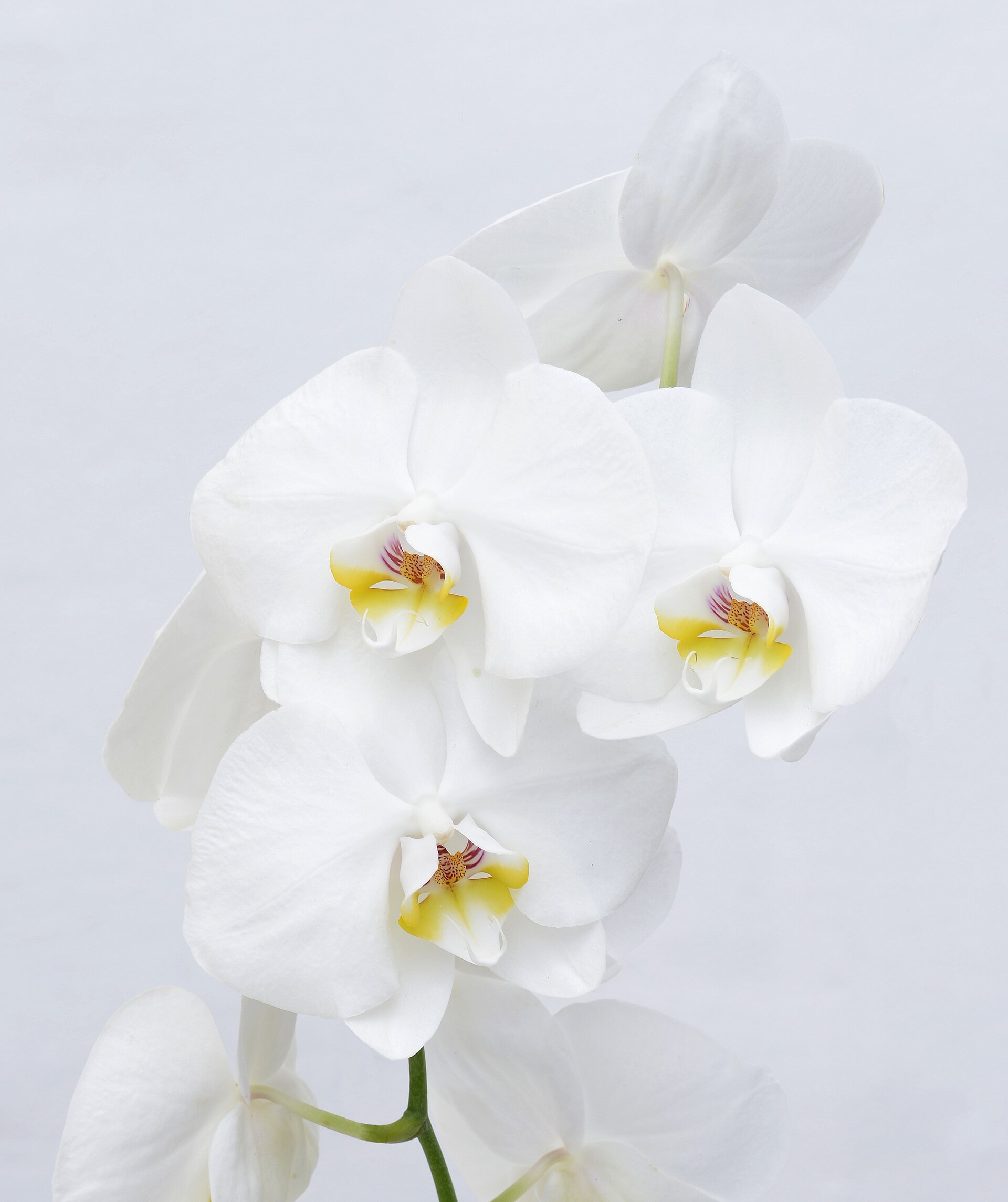
An orchid that drops its buds or flowers within days or weeks of arriving home is suffering from bud blast. Bud blast is the grower's term for flowers aborting before they open. Buds are expensive for the plant to build. So when conditions turn stressful, the orchid cuts its losses and lets them go.
As Houseplant 101 puts it, bud blast is "the plant making a difficult but necessary business decision to abandon a high-cost project in a crisis."
This article explains why orchid flowers fall off after bringing them home. It covers how to tell bud blast from normal aging, the most common triggers in a new home, and the fixes that keep remaining buds on the spike.
Bud blast is not the same as flowers aging naturally
First, rule out the normal case. An orchid at the end of its bloom cycle sheds fully opened flowers one by one. It usually starts from the base of the spike and works upward. That is natural senescence, and nothing is wrong.
True bud blast looks different. Unopened buds drop suddenly, often in clusters, sometimes still green. Buds may yellow first, shrivel, or develop black tips before falling. If the drop began within a few weeks of bringing the plant home, stress from the move is the prime suspect.
The number one cause: the move itself
Commercial greenhouses are close to paradise for an orchid. Steady warmth, high humidity, and ideal light. The journey to your home is stressful. Your living room is drastically different. Houseplant 101 names this change in environment as the single most common reason for bud blast, especially with orchids.
The shock is cumulative. Cold air during the car ride, a dry centrally heated room, a new windowsill with different light. Each shift asks the plant to adjust. Buds are the first thing sacrificed.
Even moving an established orchid from one room to another can be enough to trigger a drop.
The fix is stability. Choose a good spot with bright, indirect light. Stop moving the plant, especially while it is in bud.
Temperature swings and drafts
Budding orchids are extremely sensitive to temperature changes, according to the American Orchid Society. A blast of cold air from a drafty window or an open door can shock a tropical plant instantly. Heat is equally dangerous. Placing the pot near a radiator, heating vent, or fireplace dries out the delicate buds.
The AOS also flags the small transitions people forget. Taking the plant from a warm car into cold weather can trigger blast. Moving it back indoors after a summer outside can too. Watch for part-time heating or air conditioning that creates daily temperature extremes. Water with room-temperature water. Cold water can shock the roots and cause bud drop on its own.
Water and humidity: both extremes hurt
Inconsistent watering is a classic trigger. Swinging between flooding the pot and forgetting it for days stresses the roots. Stressed roots cannot feed developing buds.
On the dry side, roots dry out. The plant diverts water away from buds toward its leaves. On the wet side, soggy bark suffocates roots. So the buds end up thirsty even in a wet pot.
Check the roots through the clear pot most orchids come in. Healthy Phalaenopsis roots look firm and silvery when dry. They turn bright green after watering.
Water only when the bark is nearly dry, then let it drain fully. If the potting mix smells sour or the roots look mushy and brown, root rot may be involved. See the guide to what root rot smells like and how to spot it.
Dry indoor air is the other half of the problem. Orchids are tropical plants that expect humidity. Centrally heated homes are often far too dry.
Flower experts at Interflora recommend misting as the simplest fix: "Mist the leaves lightly to increase humidity," they advise, especially during dry spells.
Use room-temperature water. Mist in the morning so moisture evaporates. Avoid misting the flowers directly. A humidity tray or grouping plants together helps as well.
Ethylene and other invisible killers
Orchid buds are sensitive to gases you cannot see. The AOS lists ethylene from ripening fruit as a known trigger of bud and flower collapse. It also lists gas leaks, inefficiently burning gas stoves or heaters, engine exhaust, cigarette or pipe smoke, and fumes from paint or new chemicals. Once pollinated, orchid flowers generate their own gas to collapse the bloom and save energy for seed production. Outside sources of the same gases push unopened buds toward the same fate.
Practically, this means keeping a budding orchid away from the fruit bowl, the kitchen stove, and freshly painted rooms. Bananas and apples are heavy ethylene producers.
Light matters too. Too little light makes buds abort. Direct sun overheats and dries them out. Bright, indirect light is the target.
How to keep the remaining flowers
If some buds are still attached, act on the controllables.
Give the plant one stable location away from drafts, vents, and direct sun. Water consistently, letting the bark approach dryness between drinks.
Raise humidity with misting or a pebble tray. Move the fruit bowl to another room.
Keep expectations realistic. Buds that have already yellowed or shriveled will not recover.
But the plant itself is usually fine. Once the stressor is gone, a healthy orchid will grow a new spike and bloom again.
Bud blast is a lost flowering cycle, not a dead plant. Yellowing leaves have their own set of causes, covered in why houseplant leaves turn yellow and drop.
FAQ
How long after bringing an orchid home does bud blast appear?
Usually within the first few weeks. A drop that starts days after purchase points strongly at transport stress or the new environment. It is not about anything you did wrong in long-term care.
Can fallen orchid buds grow back on the same spike?
No. Dropped buds are gone for this cycle. The spike itself may stay green. It can sometimes branch or rebloom later. But the lost buds will not reattach.
Should I cut the flower spike after the buds fall?
Only if the spike turns yellow or brown. That means the plant is done with it. A green spike may still produce a side branch with new buds. Leave it until it dries.
Will misting really stop buds from falling?
Misting raises humidity around the plant. That keeps buds from drying out in heated rooms, per Interflora's experts. It helps when dry air is the problem. It will not fix overwatering, ethylene exposure, or cold drafts. Treat it as one tool among several.
Is my orchid dying if all the flowers fall off?
Almost certainly not. Bud blast affects the flowers, not the plant's life. Firm green leaves and healthy roots mean the orchid will recover and bloom again under steadier care.
The bottom line
Orchid flowers fall off after bringing them home because the plant goes from a stable greenhouse to a stressful new environment. Aborting its buds is how it copes. Remove the stressors in order. Stop moving it, shield it from drafts and temperature swings, water consistently, raise humidity, and keep it away from fruit and fumes. The lost blooms are frustrating. But a stable orchid almost always tries again.
---
Topics: orchids, bud blast, houseplants, plant care
Rive News is a research desk publishing evidence-checked explainers on everyday questions.
Latest in Gardening
- Why indoor plants get brown leaf tips
- Why houseplant leaves turn yellow and drop
- What root rot smells like and how to spot it
Get one evidence-checked explainer like this in your inbox each week. Subscribe for the weekly roundup.
Rive News applies a standards desk: claims carry sources, corrections are published with timestamps, and no story is invented. Copyright 2026.
Related stories

What Is Companion Planting and Does It Work?
Marigolds work as a nematode cover crop, but the basil flavor claim failed repeated tests. An honest evidence review of what companion plant

Determinate vs. indeterminate tomatoes: growth, pruning, and harvest differences
Determinate tomatoes grow to a set size and ripen all at once, while indeterminate types vine all season. That one difference shapes pruning

How to improve clay soil for gardening
Gypsum will not fix ordinary clay soil, say extension experts. What actually works: 2 to 3 inches of compost, mulch, better drainage, and a