
Mulch vs. Compost: What Is the Difference and When to Use Each
Key takeaways
- Mulch is a protective layer laid on top of soil; compost is decomposed organic matter usually mixed into soil to feed it.
- Apply mulch 3 to 4 inches deep for weed control; apply compost 1 to 2 inches when using it as a soil amendment.
- Compost can double as mulch at 3 to 6 inches deep, and using both together gives the best results.
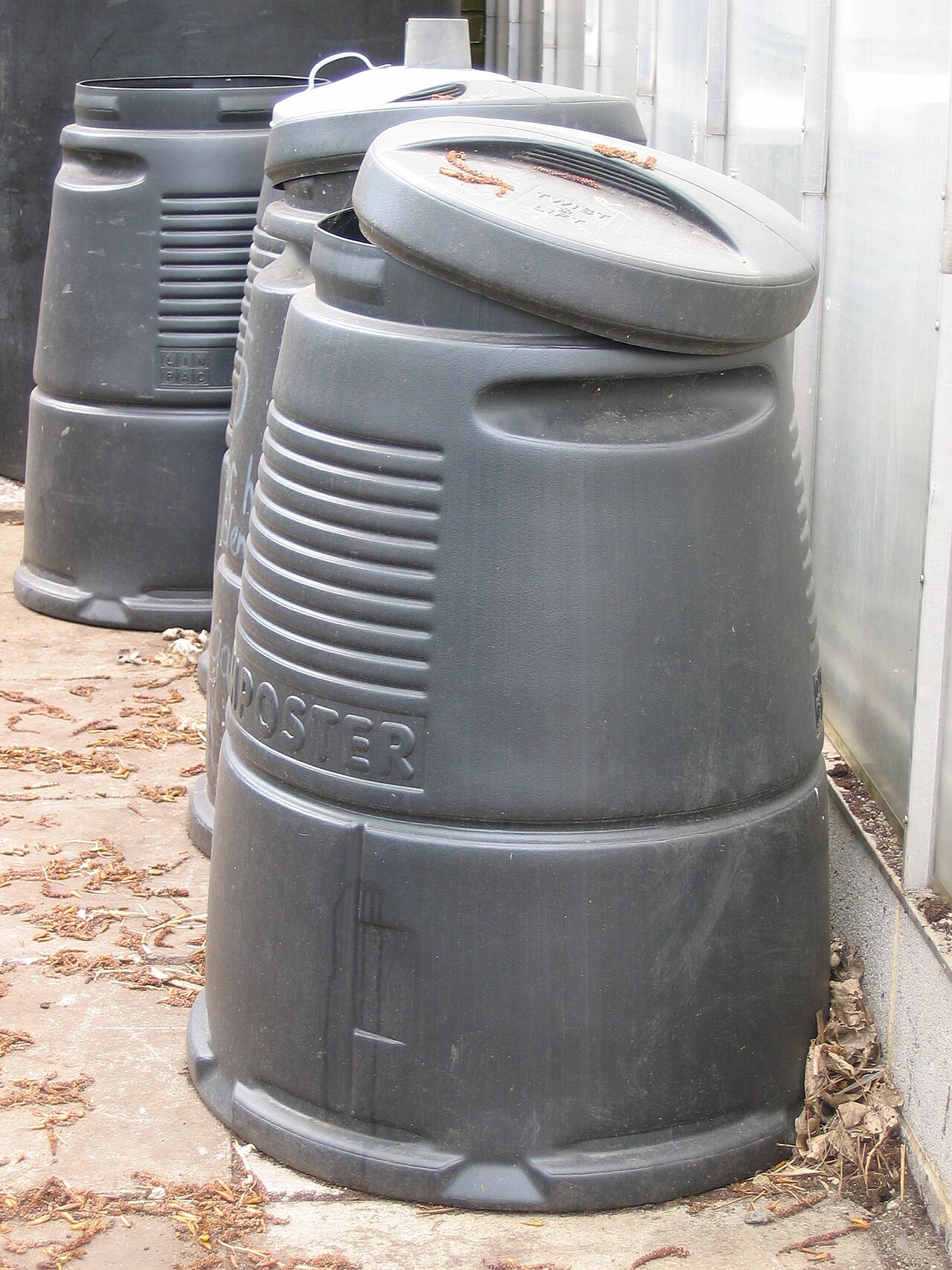
A domestic compost bin. Finished compost is dark, crumbly decomposed organic matter ready to feed soil. Photograph: Caroline Ford/Wikimedia Commons
Image Credits: Wikimedia Commons
Gardeners use the words mulch and compost almost interchangeably, but they are different materials with different jobs. Confusing them leads to real mistakes, like tilling bark chips into a bed or spreading raw wood mulch where plants need food.
The short version: mulch protects the soil surface, and compost feeds the soil itself. This article explains the difference between mulch and compost, including what each one does, how deep to apply each, whether compost can double as mulch, and when to use both.
What mulch does
Mulch is anything laid on top of the soil; that is the whole definition. It can be organic (bark, straw, leaves, wood chips) or inorganic (gravel, weed-barrier fabric, even tumbled glass). Its job is to cover the surface, not to feed plants.
A good mulch layer does four things at once, according to the University of Georgia Cooperative Extension:
- It suppresses weeds by blocking light.
- It conserves soil moisture by slowing evaporation.
- It moderates soil temperature, keeping roots cooler in summer and warmer in winter.
- It prevents mud from splashing onto flowers and vegetables during heavy rain, which reduces disease.
The University of Georgia recommends a mulch depth of 3 to 4 inches for most materials. The reasoning is practical: too little mulch gives limited weed control, while too much prevents air from reaching the roots. Lighter mulches like pine straw may need to go a bit deeper to be effective.
Mulch goes on top and stays on top. As one longtime gardener puts it, mix compost into your topsoil to improve it, but let bark mulch lie on the surface. Tilling coarse mulch into the bed makes digging and weeding difficult and can tie up nitrogen as the material decomposes.
Mississippi State University Extension's mulch chart gives the same picture across materials: pine or hardwood bark at 2 to 3 inches, wood chips at 2 to 4 inches, straw at 6 to 8 inches. The numbers vary by material, but the principle is constant: cover the surface, do not mix it in.
What compost does
Compost is decomposed organic matter: kitchen scraps, leaves, grass clippings and similar materials broken down by microbes into dark, crumbly humus. Unlike mulch, compost is a soil amendment. Its job is to add nutrients, improve soil structure, and feed the biology underground.
That is why compost usually gets mixed in rather than laid on top. Worked into the soil, it improves drainage in clay, water retention in sand, and nutrient availability everywhere. Colorado State University Extension recommends applying compost or leaf mold at one to two inches when using it as an amendment in vegetable beds.
Finished compost is mild enough to use generously, but it is still a fertilizer, not a protective blanket. A thin layer disappears into the soil quickly as worms and microbes pull it down. That is exactly what you want from an amendment, and exactly why it fails as a long-term weed barrier on its own.
The distinction matters most at planting time. Compost goes into the bed before or at planting to feed the soil, while mulch goes around the plants after planting to protect the surface. Mix those roles up and you get hungry plants or weedy beds.
How deep to apply each
Depth is where most gardeners go wrong, so here are the extension numbers in one place.
For mulch, the University of Georgia's recommended 3 to 4 inches covers most organic materials. Mississippi State's chart refines it: bark products at 2 to 3 inches, wood chips at 2 to 4 inches, straw at 6 to 8 inches because it settles, and grass clippings at just 1 to 2 inches since they mat down.
For compost as a soil amendment, Colorado State says one to two inches worked into the bed. That modest layer is enough to feed the soil without smothering it.
When compost is used as a mulch, the numbers change. The University of Georgia's composting guide says to apply a 3 to 6 inch layer of compost around the base of plants when using it as mulch, topping it up through summer as it settles.
At that depth it suppresses weeds and holds moisture like any mulch, while also feeding the soil as it breaks down.
The pattern is simple: amendments go thin and get mixed in, surface covers go thick and stay on top. If you are starting a compost pile from scratch, these depths tell you how far each batch will go.
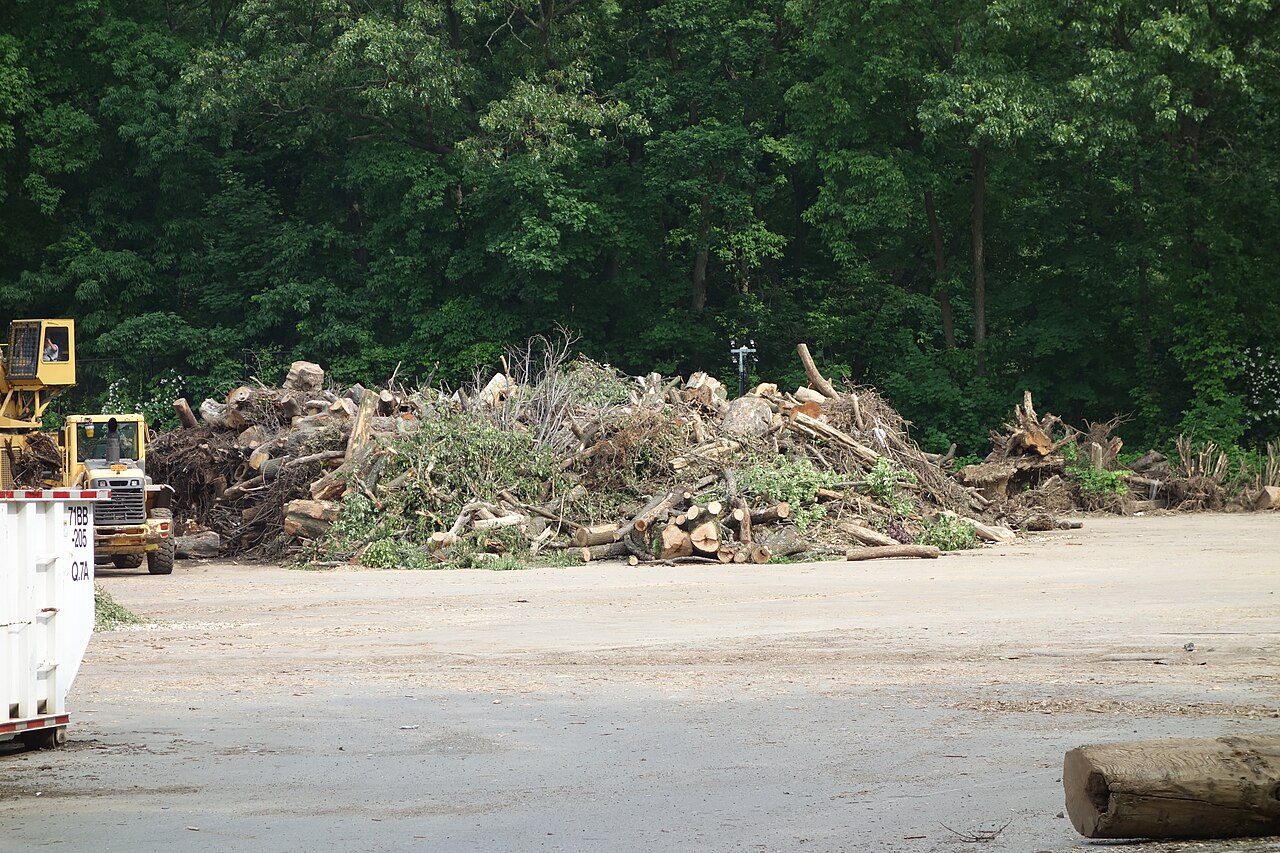
A mulch yard stacked with wood mulch. Bark and wood chips are classic mulches: surface covers, not soil food. Photograph: Tdorante10/Wikimedia Commons
Image Credits: Wikimedia Commons
Can compost double as mulch?
Yes, and this is the one place where the two categories genuinely overlap: finished compost makes an excellent mulch. It suppresses weeds, holds moisture, looks tidy, and unlike bark it also feeds the soil as it decomposes. The UK's Royal Horticultural Society suggests applying it at least 2 inches and ideally 3 inches thick when used this way.
There are trade-offs. Compost breaks down faster than bark, so it needs topping up more often. It can also dry out and blow away in windy spots, which is why some gardeners cap it with a thin layer of shredded leaves.
Partially finished compost works as mulch too. The University of Georgia notes that partially decomposed compost applied in fall will even keep soil warmer through winter as decomposition continues generating gentle heat. Just keep it a few inches away from plant stems to avoid rot.
What you should not do is use raw, unfinished woody mulch as a soil amendment. Fresh wood chips mixed into soil tie up nitrogen while they decompose, starving your plants. On the surface they are fine; in the soil they are a problem.
When to use both
Mulch versus compost is not really a contest. For the best results, use both: mix compost into the soil, then top the bed with mulch. The compost feeds the plants from below while the mulch protects the surface from above, and the mulch layer slows the compost's decomposition so it feeds longer.
A practical seasonal rhythm looks like this:
- In spring, work one to two inches of compost into beds before planting.
- After planting, spread three to four inches of mulch around the plants, keeping it clear of the stems.
- In fall, let the organic mulch break down and till the remnants in, which further builds the soil's organic matter.
Colorado State adds one warning for vegetable beds: do not use wood or bark chips inside growing beds, since they interfere with future seedbed preparation. Chips are excellent between raised beds and on paths at three to four inches deep, but keep them out of the soil you will be sowing into.
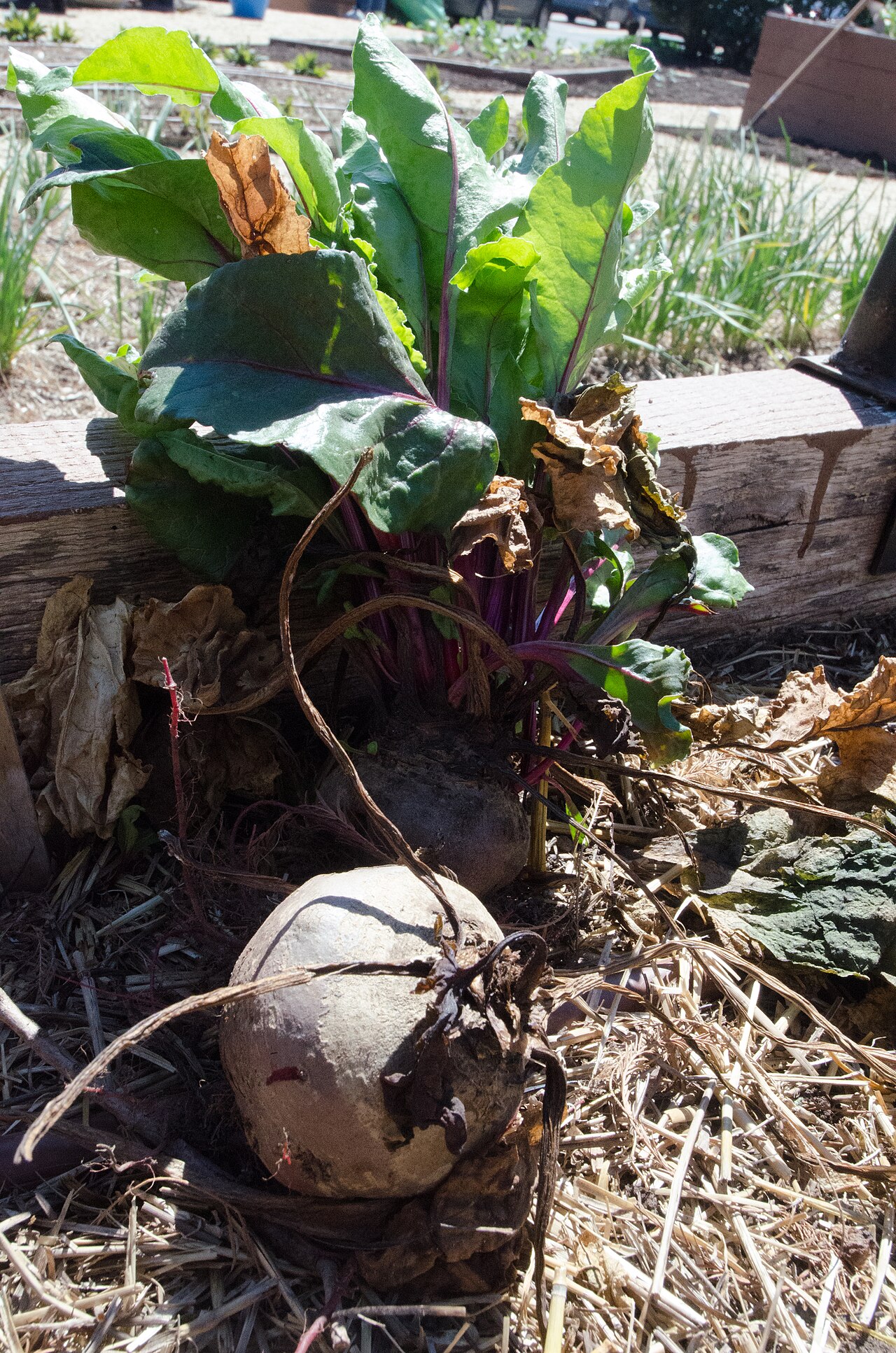
Volunteers planting in a community garden. Compost feeds the soil before planting; mulch protects it after. Photograph: USDAgov/Wikimedia Commons
Image Credits: Wikimedia Commons
Frequently asked questions
Is it better to use mulch or compost?
Neither is better; they do different jobs. Compost adds nutrients and improves soil structure, while mulch suppresses weeds and retains moisture. Most gardens benefit from both.
Will mulch turn into compost?
Eventually, yes. Organic mulches decompose over time and add organic matter to the soil, effectively becoming compost. That is a slow bonus, not a substitute for adding real compost when the soil needs feeding.
Can I put mulch over compost?
Absolutely, and it is the recommended combination. Spread compost first to feed the soil, then lay mulch on top to protect the surface. The mulch also keeps the compost from drying out.
How often should I replace mulch?
Top up organic mulches once or twice a year as they decompose and settle. Bark and wood chips last longer than straw or leaves. When the layer thins below about 2 inches, add more.
The bottom line
Mulch covers, compost feeds. Lay mulch on top at 3 to 4 inches, mix compost in at 1 to 2 inches, and use compost itself as mulch at 3 to 6 inches when you want both jobs done at once.
Get that distinction straight and the rest of soil care gets simpler: feed the soil with compost, protect the surface with mulch, and let each one do the job it was made for.
Rive News's research desk covers gardening topics from university extension publications and established growing guides.
Subscribe to the Rive News newsletter for one practical explainer like this every morning.
Related stories

What Is Companion Planting and Does It Work?
Marigolds work as a nematode cover crop, but the basil flavor claim failed repeated tests. An honest evidence review of what companion

Determinate vs. indeterminate tomatoes: growth, pruning, and harvest differences
Determinate tomatoes grow to a set size and ripen all at once, while indeterminate types vine all season. That one difference shapes

How to improve clay soil for gardening
Gypsum will not fix ordinary clay soil, say extension experts. What actually works: 2 to 3 inches of compost, mulch, better drainage,