
How to keep squirrels out of garden beds: barriers that work
Key takeaways
- Half-inch steel hardware cloth is the most reliable squirrel barrier, and squirrels cannot chew through it.
- The USDA Wildlife Services recommends physical exclusion as the best long-term wildlife strategy.
- Scent deterrents like cayenne help, but only when layered with barriers, never alone.
Why squirrels target garden beds
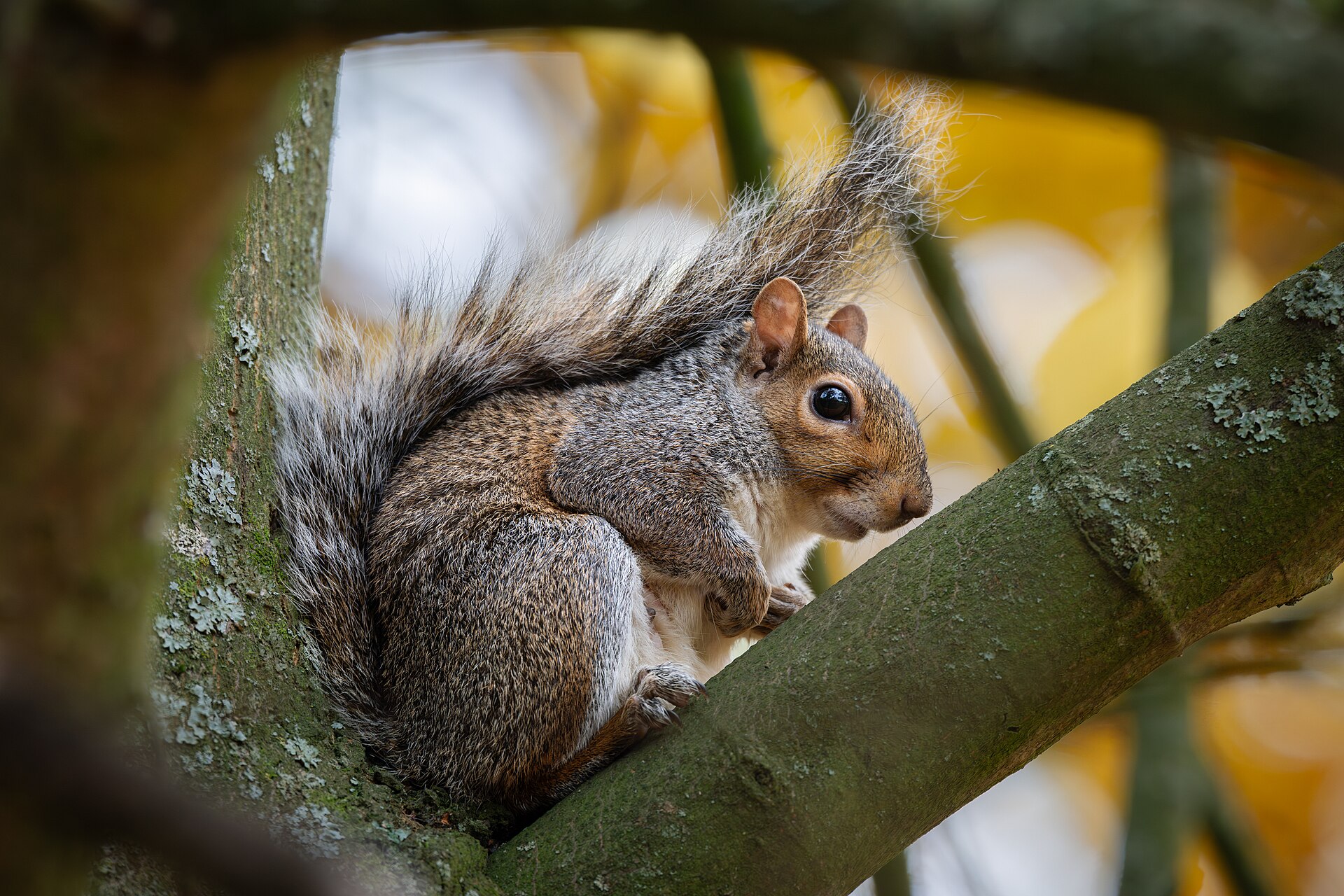
Squirrels hit gardens because the conditions are ideal for them. Garden beds have loose, workable soil that is perfect for digging and burying nuts. Seeds and seedlings are food.
Vegetables, fruits, and flowers are snacks. As Stonepost Gardens puts it, squirrels have a natural drive to dig and forage, and your beds are appealing for several reasons at once.
Their damage peaks in fall, when they are hoarding food for winter, and returns in spring, when new growth appears and natural food is scarce, according to Garden Design. Small shallow holes, half-eaten produce, and dug-up bulbs are the classic signs.
This article takes a closer look at how to keep squirrels out of garden beds, including the physical barriers that work best, scent and scare deterrents that support them, the companion plants squirrels avoid, and the common mistakes that bring squirrels back.
Start with physical barriers
Exclusion is the strategy that wins. The USDA Wildlife Services recommends exclusion, meaning physical barriers, as the most effective and humane long-term wildlife management strategy, as cited by BuyKitchenStuff. If a squirrel cannot physically reach your plants, the problem is solved at the root.
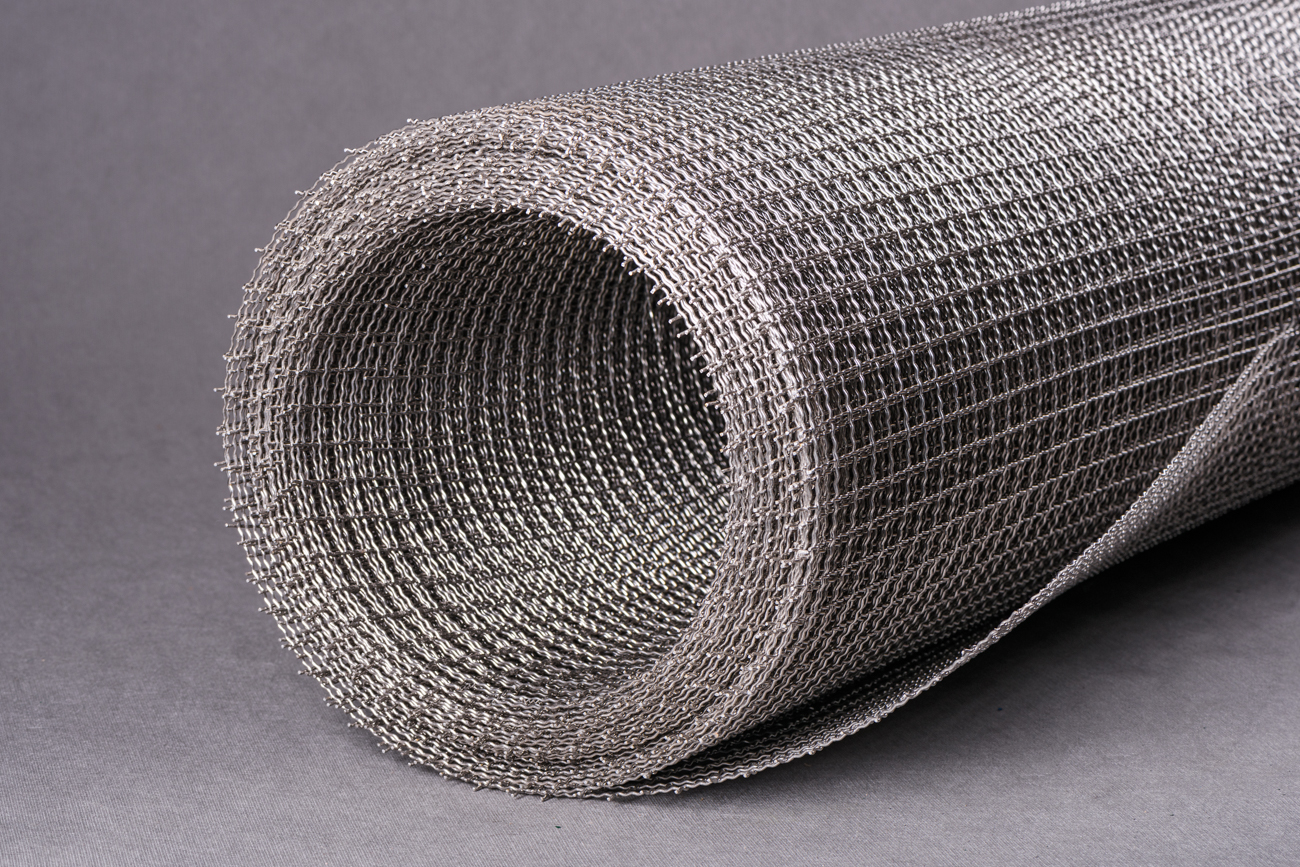
Hardware cloth over the beds. This is the single best investment. Use steel hardware cloth with half-inch mesh. Unlike chicken wire, squirrels cannot chew through it. Drape it over beds and secure it tightly, or build a hinged lid so you can open the bed for harvesting. Bury the edges at least 6 inches underground so squirrels cannot burrow underneath, Stonepost Gardens advises.
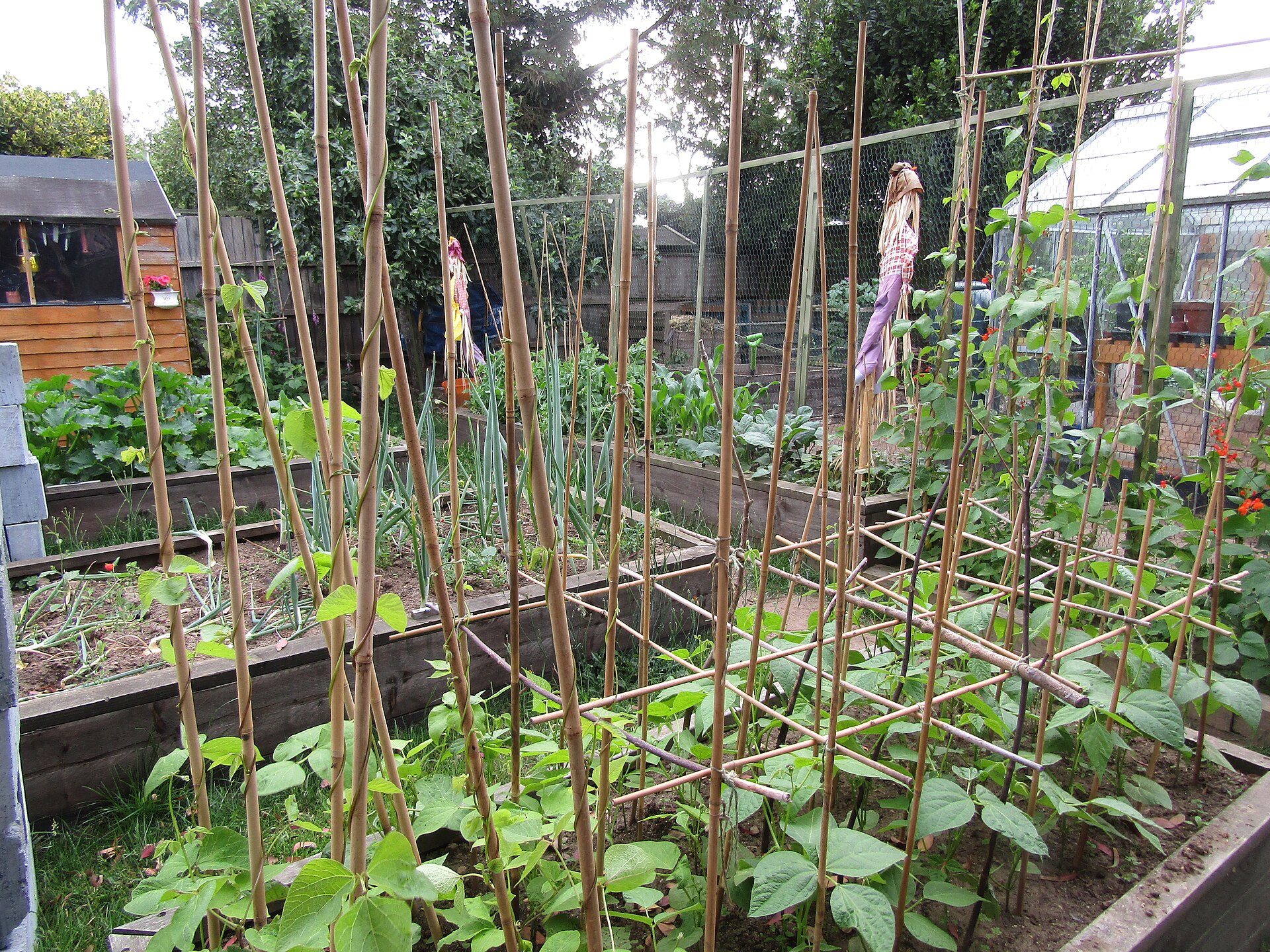
Wire mesh cages. For full protection, build a cage of half-inch wire mesh around the entire raised bed, covering the top and all sides. Bury the bottom edge. Gardeners who use complete cages report them as the most dependable solution of all.
Cloches and row covers. For individual plants, seedlings, and bulbs, use cloches, fabric row covers, or tunnels. Secure the edges with stones, U-pins, or stakes. These work well for low vegetable beds and new transplants.
Buried fencing. If you fence the garden itself, bury the fence 6 to 12 inches into the soil and extend it at least 4 feet high. Any fence should also go a foot into the ground to stop digging underneath, Garden Design notes. Fencing that stops at the soil line does not stop a squirrel.
Bulb cages. Fall-planted bulbs are a favorite target. Line the planting hole with hardware cloth on the bottom, sides, and top, then cover with soil and mulch. The shoots push up through the mesh, but squirrels cannot dig down to the bulbs.
Add scent-based deterrents
Squirrels navigate by smell, so strong scents are a useful second layer. They work best alongside barriers, not instead of them.
Cayenne and hot pepper. Sprinkle cayenne powder or chili flakes around plants, or mix with water and spray the foliage. Capsaicin triggers a burning sensation in mammals but not in birds, which makes it safe around bird feeders. Reapply after rain or watering, since water washes it away.
Peppermint oil. Soak cotton balls in peppermint oil and place them around the garden perimeter. Refresh them weekly. Garden Design lists mint among the plants and scents squirrels avoid.
Predator urine granules. Fox or coyote urine products trigger a fear response. They are available at most garden centers and last longer than kitchen spices.
Blood meal and bone meal. Sprinkle dried blood meal around the perimeter. It doubles as a nitrogen fertilizer. Bone meal over freshly planted bulbs discourages digging by smell.
One caution from Garden Design: cayenne that gets on a squirrel's paws can cause pain if the animal touches its eyes. Prefer less harmful methods where you can, and skip anything that could injure the animal. Also skip mothballs entirely.
Garden Design warns they are toxic when ingested, not only to squirrels but to pets and children.
Use scare tactics wisely
Motion and surprise disrupt squirrel routines. A motion-activated sprinkler that fires a sudden spray of water startles squirrels without harming them. Garden Design also mentions motion-activated air blasters.
The catch is habituation. Squirrels learn. A device that never moves loses its effect within weeks.
Move sprinklers and decoys regularly, and pair them with barriers. As one guideline puts it, rotate your tactics so squirrels never get comfortable with any single one.
Simple visual tricks, like hanging old CDs or strips of foil, create flashes and noise. Scarecrows and plastic owls help briefly. Treat all of these as supporting players.
Plant the plants they avoid
Companion planting is the cheapest long-term layer. Garden Design recommends surrounding vulnerable crops with mint, marigolds, nasturtiums, or mustard. Stonepost Gardens adds lavender, catnip, and geraniums to the avoid list.
For bulbs, the choice is even clearer. Plant daffodils, alliums, snowdrops, muscari, fritillaria, and Spanish bluebells. Squirrels dislike these by taste or smell.
A ring of daffodils around a tulip bed protects the tulips, since squirrels will not dig through daffodils to reach them.
Mint deserves a warning: it spreads aggressively. Keep it in containers, or it will take the bed.
Gardeners planning seasonal layouts can combine this advice with seedling hardening-off steps and the rule of thumb for planting depth, so new transplants go in protected from day one.
Remove what attracts them
Deterrents fail when the garden keeps feeding squirrels. Walk the property and fix the invitations.
Clean up fallen nuts, acorns, berries, and fruit. Harvest ripe produce promptly. Close trash can lids.
Move bird feeders well away from beds, and use squirrel-proof feeders with baffles. Garden Design recommends keeping feeders 5 to 6 feet off the ground and 8 to 10 feet from any structure a squirrel could launch from.
Trim overhanging branches back so they cannot serve as a highway into the garden. A few feet of clearance forces squirrels onto open ground, where they feel exposed.
Some gardeners set up a distant feeding station to distract squirrels. This is disputed, since it can attract more squirrels to the property. If you try it, place it far from the beds and keep your barriers up.
What not to do
Traps sound decisive but are rarely a sustainable solution. Garden Design points out that trapping often just clears room for more squirrels to move in, and it can separate a mother from her babies in spring. The practice is prohibited in many areas, so check with the local Department of Fish and Wildlife before considering it.
Do not use mothballs. They are toxic to pets and children. Do not rely on a single method, whether that is a sprinkler or a spray.
Squirrels are problem solvers, and any lone defense eventually gets figured out.
And do not expect poison or cruelty to solve a garden problem. Humane exclusion protects the harvest and keeps the garden safe for everything else that lives in it.
Frequently asked questions
Does cayenne pepper really keep squirrels away?
Yes, with limits. Capsaicin deters mammals including squirrels, and birds are unaffected. But rain and watering wash it off, so it needs reapplying every one to two weeks during peak squirrel season.
It works as a layer, not as the whole plan.
Will coffee grounds keep squirrels out?
Coffee grounds are a mild scent deterrent that some gardeners use as a thin layer around plants. They are not a strong barrier on their own. Treat them as a bonus layer under netting or hardware cloth.
How do I stop squirrels from digging up my bulbs?
Line each planting hole with half-inch hardware cloth on the bottom, sides, and top, then cover with soil and mulch. Alternatively, plant bulbs squirrels dislike, such as daffodils and alliums, or ring tulip beds with daffodils.
Why do squirrels keep coming back to my garden?
Squirrels return when the garden keeps offering food, water, or shelter. The most common causes are fallen fruit left on the ground, bird feeders near the beds, and a single deterrent they have learned to ignore. Remove the food first, then layer barriers with rotating deterrents.
Build a layered defense
No single trick holds squirrels off for a season. The gardeners who win combine three layers: a physical barrier the squirrels cannot beat, scent deterrents that make the area unpleasant, and habitat changes that remove the reward.
Start with hardware cloth on your most valuable beds this weekend. Add cayenne or peppermint while you are at it. Clean up the fallen fruit tonight.
Most gardeners who do those three things see the digging stop within two weeks.
For related garden protection, see how to prevent black spot on roses and why cucumbers turn bitter sometimes.
Related stories

What Is Companion Planting and Does It Work?
Marigolds work as a nematode cover crop, but the basil flavor claim failed repeated tests. An honest evidence review of what companion

Determinate vs. indeterminate tomatoes: growth, pruning, and harvest differences
Determinate tomatoes grow to a set size and ripen all at once, while indeterminate types vine all season. That one difference shapes

How to improve clay soil for gardening
Gypsum will not fix ordinary clay soil, say extension experts. What actually works: 2 to 3 inches of compost, mulch, better drainage,