
How to introduce solid foods: baby-led weaning vs purees compared
Key takeaways
- Baby-led weaning and spoon-fed purees produce similar growth by 12 months, according to a 2026 study of 150 infants.
- Start solids around 6 months, when the baby shows readiness: good head control, sitting support, and interest in food.
- Neither method is superior overall; safety, food variety, and iron-rich options matter more than the approach.
This article is for information only and is not medical advice.
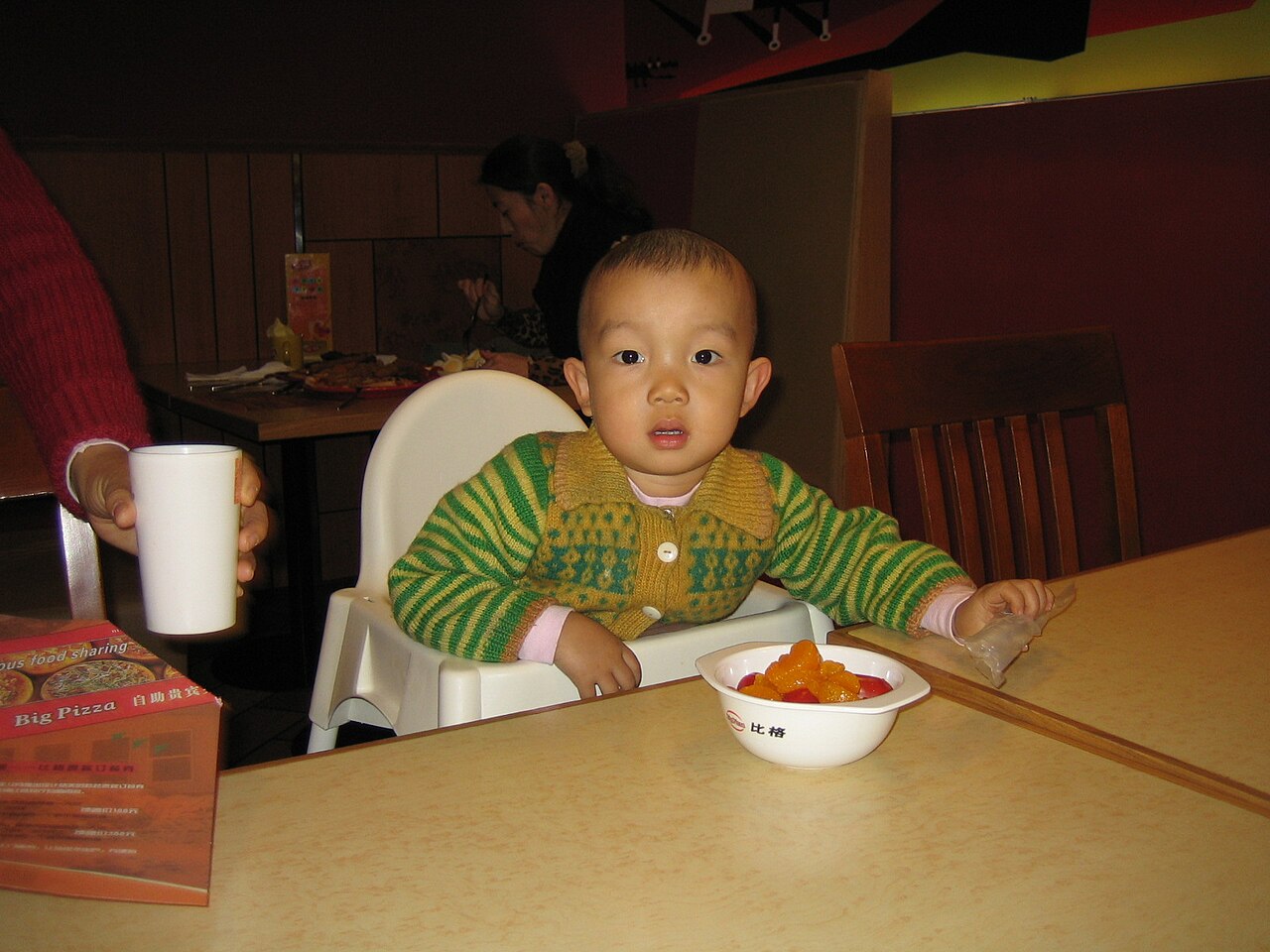
Introducing solid foods means adding complementary foods alongside breast milk or formula, usually around six months of age. There are two main approaches.
Conventional weaning uses smooth purees spoon-fed by a parent, with textures thickening over time. Baby-led weaning skips the spoon and lets the baby feed herself soft finger foods from the start.
This article compares baby-led weaning vs purees, including what the newest research says about growth and nutrition, the readiness signs to watch for, the pros and cons of each method, and safe starting foods for both paths.
What the newest research actually found
The strongest recent evidence comes from Colorado State University nutritionists, who assessed 150 infants from age 6 months to 1 year, comparing baby-led weaning with a typical pureed weaning diet. The researchers found that babies in the two groups acquired similar calories and nutrition and grew at the same pace, according to News-Medical.
The study, published June 24, 2026, in the Journal of the Academy of Nutrition and Dietetics, is the first to correlate dietary and growth data and scientifically compare growth outcomes from the two weaning approaches. "These findings reassure parents and caregivers that babies following baby-led weaning grow at the same rate as babies following conventional weaning," said Minghua Tang, a professor and the Lillian Fountain Smith Endowed Chair in Nutrition at Colorado State University.
A detailed breakdown in AAP News adds nuance. Among 144 Denver-area infants, the 52 baby-led weaning infants, defined as getting 10 percent or less of their calories from pureed foods, had a higher percentage of total energy from fat and a lower percentage from carbohydrates at 9 months, plus higher sodium intake.
But at 12 months, differences in reported intake between the two groups were not significant. Weight and length showed no significant differences over time either. "These findings are generally reassuring that baby-led weaning and conventional weaning may provide adequate nutrition," the authors wrote.
Earlier research from the University of Nottingham looked at longer-term patterns in 155 children. Babies weaned with solid finger foods were more likely to develop healthier food preferences and less likely to become overweight as children than those spoon-fed pureed food, according to the study.
Co-author Dr. Ellen Townsend said the team believed it was the first research to examine whether weaning method can influence food preferences and future health.
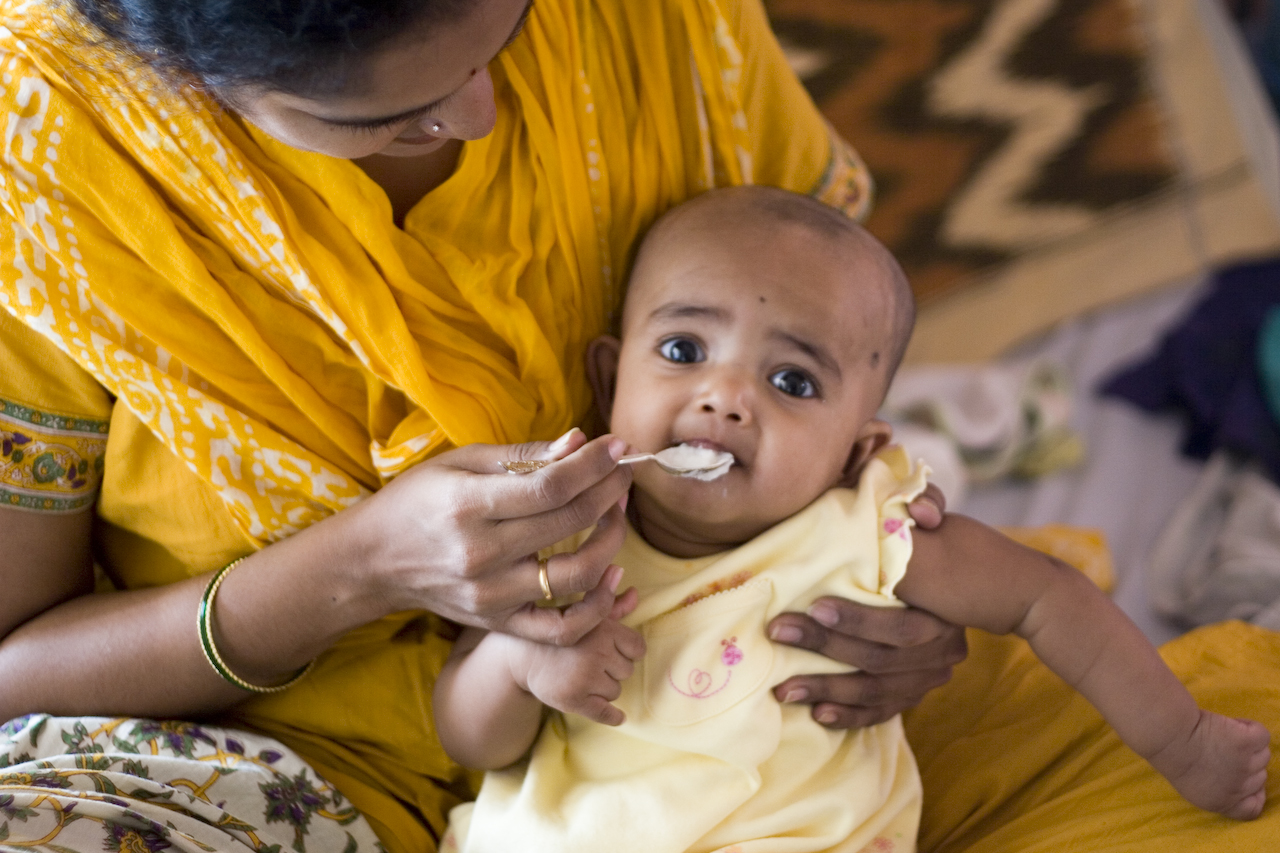
When and how to start
Pediatric guidelines generally point to around 6 months as the starting window, with readiness signs mattering more than the calendar. The commonly cited signs include good head control, the ability to sit with support, showing interest in food, and the fading of the tongue-thrust reflex that pushes food out of the mouth. If a baby is not showing readiness signs by 7 months, pediatric guidance suggests checking with a pediatrician.
Whichever method you choose, the first weeks look similar. Start with one food at a time so you can watch for reactions. Offer iron-rich foods early, since a baby's iron stores from birth begin to run low around six months; pureed meats, iron-fortified cereals, and soft-cooked lentils are standard options across both methods.
Keep textures appropriate: smooth purees for spoon-feeding, and soft, graspable pieces, like steamed carrot sticks or avocado slices, for baby-led weaning.
Meals build gradually. One small meal a day is plenty at first, growing to two or three meals by 8 or 9 months. Family mealtimes help in both approaches: babies learn by watching, and eating together turns feeding into a social routine rather than a task.
This stage often overlaps with other milestones, such as teething symptoms and timelines, so expect appetite to fluctuate.
Baby-led weaning: pros and cons
The main advantage of baby-led weaning is autonomy. The baby controls pace and quantity, practices fine motor skills with every meal, and meets family foods in their real form from the beginning. The Nottingham research suggests this early exposure may support healthier food preferences later.
The trade-offs are practical. It is messier, at least at first. Some parents worry about whether the baby eats enough, although the 2026 growth study is reassuring on that point.
There is also the gagging question: gagging is a normal protective reflex and is common in early self-feeding, but it looks alarming. Foods must be prepared safely, soft enough to mash between tongue and palate, and an adult should always supervise. Frequent choking episodes beyond normal gagging, or any breathing difficulty, need immediate help.
Nutrition needs attention too. Because the baby chooses what to pick up, parents should make sure iron-rich and varied foods appear regularly rather than defaulting to the easiest finger foods. Variety is doing the nutritional work here, not the method itself.
Purees: pros and cons
Spoon-feeding purees offers control and predictability. Portions are measurable, iron-fortified cereals and pureed meats are easy to include, and the method is straightforward for caregivers and grandparents. For babies with delayed motor skills, or families who prefer structure, purees are the calmer path.
The criticism is that purees can delay texture exposure if parents linger too long on smooth foods. Pediatric feeding guidance generally recommends moving to thicker, lumpier textures by 8 to 9 months and to soft table foods by the first birthday, regardless of how you started. Babies who stay on smooth purees too long may resist textures later.
There is no evidence that purees cause harm when textures progress on schedule. The 2026 study found conventionally weaned babies grew just as well, and their diets converged with the baby-led group by 12 months.
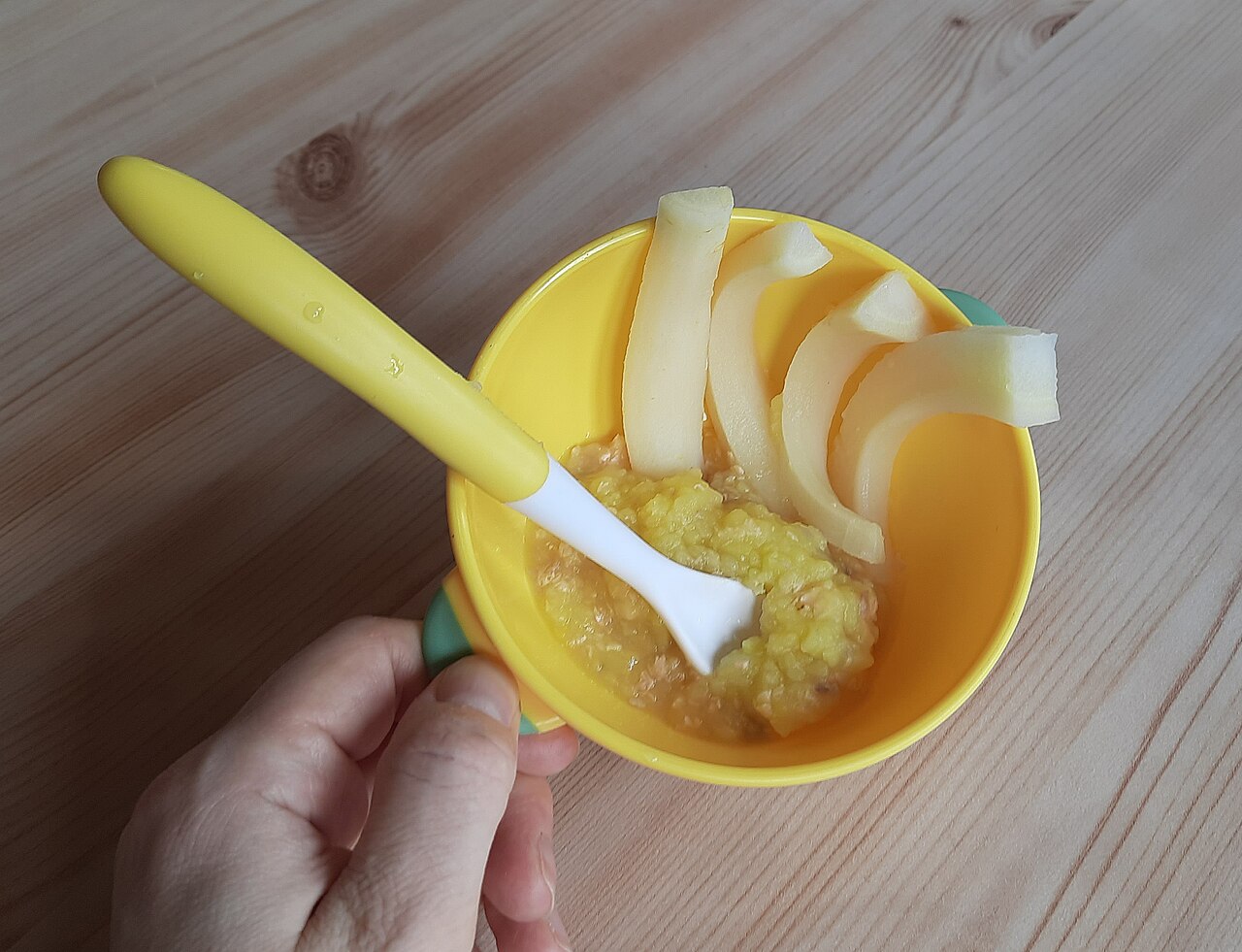
Safe starting foods for both methods
Good first foods work in either format. Soft-cooked sweet potato, mashed banana, avocado, steamed broccoli florets, soft pear, well-cooked lentils, and flaked soft fish are standard starting points. For baby-led weaning, cut foods into finger-length pieces the baby can grip; for purees, blend or mash the same foods smooth.
A few foods need care or waiting. Honey should not be given before 12 months because of the risk of infant botulism. Whole grapes, cherry tomatoes, nuts, and hard raw vegetables are choking hazards and need to be cut or cooked appropriately.
Cow's milk as a main drink waits until after the first birthday, though small amounts in cooking are generally fine.
Allergens deserve a plan rather than fear. Current pediatric guidance favors introducing common allergens, like peanut and egg, early and in age-appropriate forms, rather than delaying them. Introduce one at a time, watch for reactions such as hives, swelling, or vomiting, and stop the food and contact a doctor if they appear.
Frequently asked questions
Is baby-led weaning better than purees?
Research does not show one method as clearly superior. The 2026 growth study found similar nutrition and growth by 12 months for both approaches. Choose based on your baby's cues, your comfort with mess and supervision, and your family's routine.
Does baby-led weaning increase choking risk?
Gagging is common and normal in early self-feeding, but it is different from choking. Safe food preparation and constant adult supervision are essential. If choking episodes are frequent or breathing is affected, seek help immediately.
When should my baby move off purees?
Textures should thicken progressively: thicker purees around 7 to 8 months, soft lumps and mashed foods by 9 months, and soft table foods approaching the first birthday. Staying on smooth purees too long can make texture transitions harder.
Can I mix both methods?
Yes, many families do. Offering some spoon-fed meals and some finger foods is common in practice, and the research categories themselves reflect a spectrum rather than two rigid camps.
What if my baby refuses solids?
Appetite fluctuates, especially around illness or teething, and disinterest for a few days is usually normal. If a baby shows disinterest in food for over a week, is not gaining weight, or has persistent digestive issues, talk to a pediatrician.
Outlook
The evidence has caught up with the debate. Baby-led weaning and spoon-fed purees both support healthy growth when done with variety, safe textures, and attention to iron. Pick the approach that fits your baby and your household, progress textures on schedule, and keep mealtimes supervised and sociable.
If feeding ever raises red flags, poor weight gain, allergic reactions, or developmental concerns, your pediatrician is the right next step, just as with night weaning or tummy time questions that come up along the way.
Related stories

Why babies cry more in the evening: the witching hour explained
The witching hour is the fussy evening stretch most newborns hit daily. Why overtiredness, cluster feeding, and overstimulation stack up

When Do Babies Start Sleeping Through the Night by Month?
Most babies sleep through the night between 3 and 6 months, with regressions at 4 and 8 to 10 months. See the month-by-month table

Why Your Baby Wakes Up the Second You Put Them Down
Newborns wake when put down as the startle reflex, light sleep, and lost warmth hit at once. It is normal and peaks early, fading