
How to wean a baby off night feedings gently and gradually
Key takeaways
- Most babies are ready to night wean between 4 and 6 months, once they weigh about 12 to 13 pounds and can go six to eight hours without eating.
- A gradual plan works best: shorten each feed or stretch the time between feeds over one to two weeks.
- Move those calories into the daytime, keep bedtime routines consistent, and check with your pediatrician first.
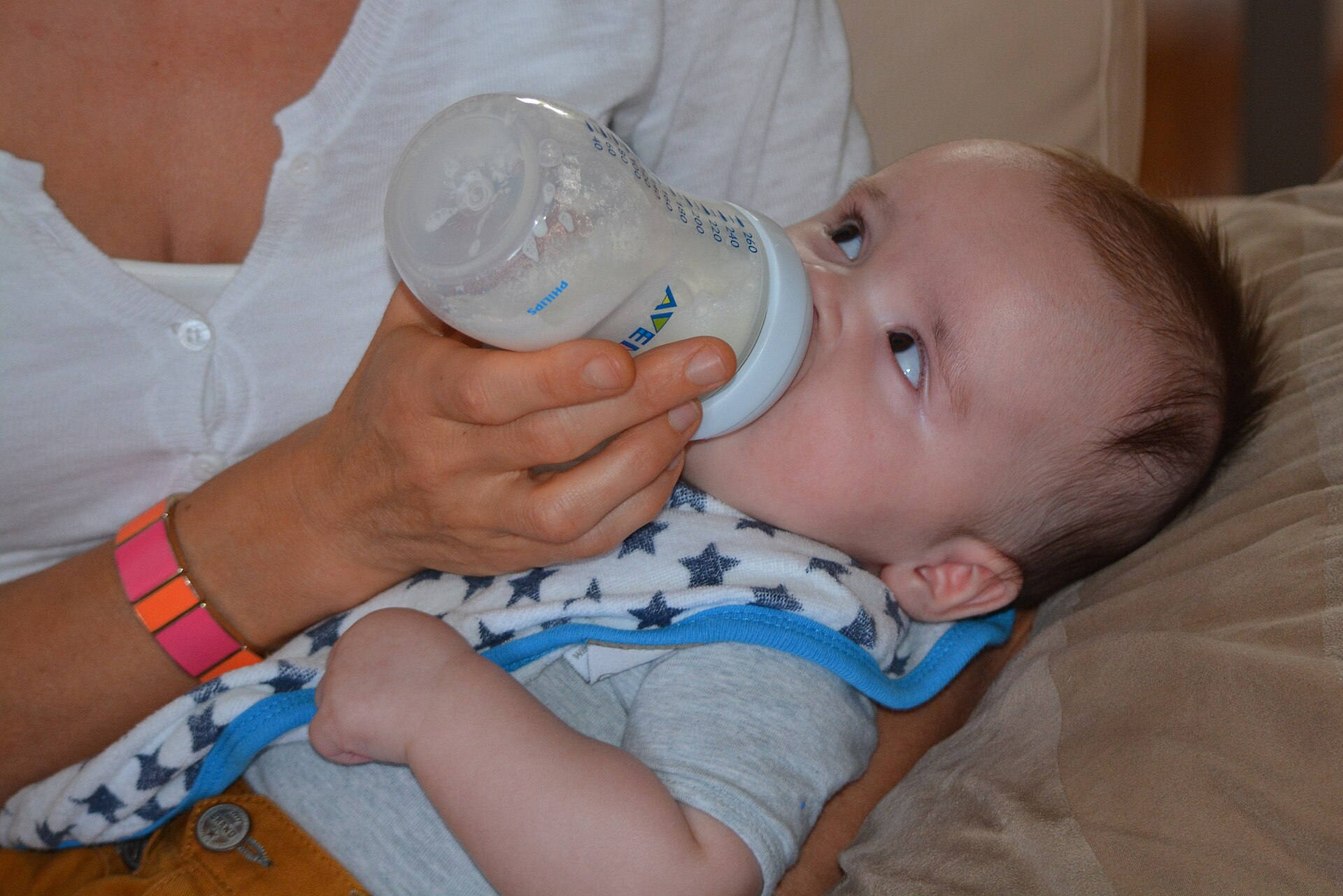
Night weaning means helping your baby stop waking up to eat in the middle of the night. Instead of overnight nursing sessions or bottles, your baby shifts all feedings to the daytime: a first feed in the morning, regular feeds through the day, and a final feed before bed.
For months, those night feeds were essential. Newborns have tiny stomachs and fast metabolisms, so they genuinely need food every few hours around the clock. As babies grow, their stomachs hold more, and many start taking in enough calories during the day to sleep in longer stretches.
This article explains when to wean a baby off night feedings, the signs that a baby is ready, a step-by-step gradual method, and what to do when night waking continues. It is written as an informational explainer, not as medical guidance for any specific child.
When most babies are ready to night wean
Most babies are ready to night wean between 4 and 6 months, according to What to Expect's guide on the topic. That timing lines up with two physical milestones: the baby weighs around 12 to 13 pounds, and can go six to eight hours without feeding.
Age alone does not tell the whole story. Bottle-fed babies can usually be weaned from night feedings at around 6 months, while breastfed babies may take up to a year, according to The Happiest Baby. Every baby follows their own timeline, and growth spurts can temporarily bring night hunger back.
Readiness shows up as behavior. Shorter feeding times at night are one of the clearest signs, according to Baby Chick. Other cues include sucking for comfort rather than actively swallowing, and showing less interest in the breast or bottle after waking.
Doctors should be part of the decision. What to Expect advises getting your pediatrician's okay before starting, and Baby Chick recommends talking to a pediatrician before changing anything if the baby is under 6 months. If night feeds persist past 12 months, the American Academy of Pediatrics advises discussing it with a doctor to rule out underlying issues, according to a summary of AAP guidance on the MomBaby forum.
How to cut night feeds step by step
The gradual approach works best for most families, according to What to Expect. Slowly stretching the time between feeds, or shortening each feeding, makes the transition easier on the baby and protects milk supply for breastfeeding parents.
Registered dietitian Malina Malkani recommends a one-to-two-week plan. If a night feed lasts less than 5 minutes, she says, it can usually be dropped right away. If it runs longer than 5 minutes, trim about 2 minutes off every second night until the feed disappears.
Do not go cold turkey if you are breastfeeding. Stopping suddenly leaves the body still producing milk at the accustomed intervals, which can cause painful engorgement and, in some cases, a breast infection called mastitis, Malkani writes. A gradual taper gives supply time to adjust downward.
Some parents prefer a faster route: dropping all night feeds at once. That can work for older babies who are clearly eating for comfort, but breastfeeding mothers may need to wake up to pump for a few days while the body adjusts, according to the same source.
Nighttime interactions should stay calm and minimal. Keep the lights low, avoid playing, and offer comfort through rocking, patting, or shushing rather than food. Ask your partner to handle wake-ups when possible, since the smell and presence of a breastfeeding parent can make the baby expect milk, Baby Chick suggests.

Keep daytime calories on track
Night weaning only works if the baby gets enough to eat during the day. Add an extra feed in the late afternoon or early evening, and make sure daytime feeds are full, not rushed.
Around 6 months, solid foods start contributing. As teething begins, appetites can wobble, so watch for genuine hunger cues rather than the clock. A baby who is well fed by day is far less likely to wake from hunger at night.

For breastfeeding mothers, one practical safeguard is a pumping session just before bed, around 9 or 10 pm, to support daytime supply, according to Malkani. This keeps production steady even as night feeds fall away.
Consistency matters more than the specific method. What to Expect stresses sticking to the plan: the same calm routine, the same responses to wake-ups, night after night. Babies learn patterns quickly, and mixed messages stretch the process out.
What to do when your baby still wakes
Night waking is normal well into the first year, Baby Chick notes. A baby can be fully night weaned and still wake up sometimes. The goal is a baby who can resettle without a feed, not one who never wakes.
First, rule out hunger. If the baby feeds for more than a few minutes and drinks eagerly, the feed may still be needed. Growth spurts around 4, 6, and 9 months can temporarily increase night hunger, and a brief return to feeding during those windows is not a failure.
Next, look at the sleep environment. A consistent bedtime routine with the same sequence each night helps the baby fall asleep independently. Sleep associations matter: a baby who falls asleep while nursing may wake between sleep cycles and need the same conditions to fall back asleep.
Discomfort and developmental leaps can masquerade as hunger. Teething pain, illness, and new skills like rolling or standing often cause wake-ups that a feed will not fix. As children grow older, the reasons for night waking shift again, which is worth remembering for parents of toddlers.
If nothing is working, reset expectations. Some babies drop night feeds on their own with little help, and others need two or three weeks of patient repetition. Talk to your pediatrician or a lactation consultant if feeding and sleep struggles feel overwhelming, Baby Chick advises.
Frequently asked questions
Can I night wean a breastfed baby?
Yes. There is no hurry to wean a breastfed baby unless you are ready, according to Malkani, and daytime breastfeeding can continue unchanged. The key is tapering gradually so the body adjusts and avoids engorgement or mastitis.
Will dropping night feeds hurt my milk supply?
A slight dip in daytime supply can happen, according to Malkani. Many mothers offset it with a pump session before bed or by adding daytime feeds. Keeping the baby well fed during the day protects overall production.
How long does night weaning take?
Most families see results within one to two weeks with a gradual method, according to the sources reviewed here. Some babies take longer, especially around growth spurts or illness, and that is within the normal range.
Is it okay to night wean before 4 months?
Generally no. Night feedings in the early months support both growth and milk supply. Talk to your pediatrician before making changes if your baby is under 6 months, Baby Chick advises.
Outlook
Night weaning is a transition, not a deadline. Most babies reach readiness between 4 and 6 months, and a gradual plan of shortening feeds or stretching intervals gets most families there within a couple of weeks. Keep daytime nutrition strong, keep nights calm and consistent, and involve your pediatrician in the decision.
If night waking continues, remember that sleep changes with development and that many wake-ups have nothing to do with hunger. Patience and a steady routine do most of the work.
This article is for information only and is not medical advice. Talk to your pediatrician before changing your baby's feeding routine.
By Rive News, Research desk. Rive News reports on everyday topics from public sources and documented expert guidance.
Related stories

Why babies cry more in the evening: the witching hour explained
The witching hour is the fussy evening stretch most newborns hit daily. Why overtiredness, cluster feeding, and overstimulation stack up

When Do Babies Start Sleeping Through the Night by Month?
Most babies sleep through the night between 3 and 6 months, with regressions at 4 and 8 to 10 months. See the month-by-month table

Why Your Baby Wakes Up the Second You Put Them Down
Newborns wake when put down as the startle reflex, light sleep, and lost warmth hit at once. It is normal and peaks early, fading