
Why do kids ask why constantly? The developmental science behind it
Key takeaways
- Children aged 2 to 5 ask "why" because they genuinely want explanations, a University of Michigan study found.
- The questioning peaks between ages 3 and 5, when language, logic, and theory of mind develop fast.
- Short, honest answers satisfy them; brushed-off answers make the questions continue.
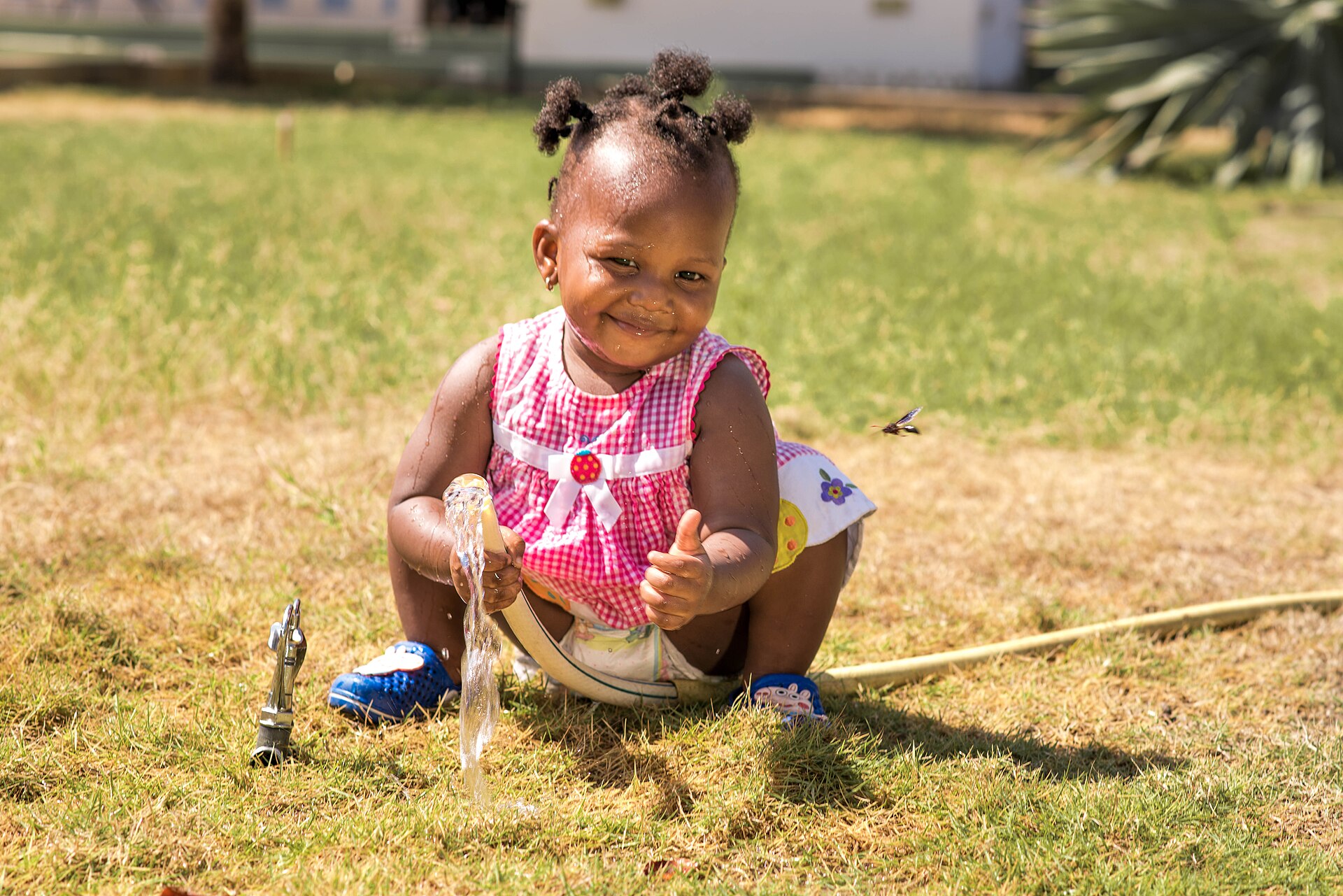
What the "why phase" really is
The "why phase" is the stretch of development when "why" questions dominate a young child's speech. Children ask who, what, and where questions at many ages. But "why" takes over for a period, and parents usually feel it most between the ages of 3 and 5.
It can start earlier. Researchers describe the window as roughly ages 2 to 5. This article takes a closer look at the science behind the endless questions, including when the why phase peaks, what the questions reveal about brain development, why quick answers fall short, and how to respond without burning out.
When the why phase peaks
A University of Michigan research team studied children in exactly this window. One of their groups covered ages 2 to 4, the other ages 3 to 5. The peak questioning sits around ages 3 and 4 for most children.
By the middle of this period, questions shift from labels to explanations. A two-year-old asks "what is that" while pointing at a bus. A four-year-old asks "why does the bus go so fast" while reasoning about causes, and that shift marks the heart of the phase.
The timing lines up with a surge in language. Sentences get long enough to carry real curiosity, according to a 2025 Psychology Today review of the developmental research. Individual children vary, but the pattern is consistent: questioning rises fast, then settles as children gain other ways to find answers.
What the questions reveal about brain development
A constant stream of "why" is not random noise. It reflects several things happening at once in the developing brain.
First, children realize that other people hold knowledge they can access. Around age 3 to 4, children develop what psychologists call theory of mind: the understanding that other people have different thoughts and knowledge. Once a child grasps that you know things they do not, asking becomes the fastest tool they own.
Second, logical reasoning is coming online. Children start connecting cause and effect, which is exactly what "why" asks about. Each question tests a link in their mental model of the world.
Third, language itself is surging. Children can now form questions complex enough to express what they wonder. The endless questions are the sound of a new tool being tested.
This motive showed up clearly in the Michigan research, published by Bridget Frazier, Susan Gelman, and Henry Wellman in the November/December 2009 issue of Child Development. The researchers concluded that preschoolers are trying to get to the bottom of things, not merely prolonging conversation.
Why real answers beat quick ones
The Michigan team ran two studies. In the first, they examined longitudinal transcripts of six children's everyday conversations with parents, siblings, and visitors at home from ages 2 to 4. In the second, they studied laboratory conversations of 42 preschoolers aged 3 to 5, using toys, storybooks, and videos to prompt questions.
The key finding: children were more satisfied when they received an explanatory answer. When preschoolers got an explanation, they agreed or moved on to a new follow-up question. When answers were not explanations, they seemed dissatisfied.
They repeated the original question or offered an alternative explanation of their own.
The researchers wrote that "young children are motivated to actively seek explanations," and that they use specific conversational strategies to obtain that information.
That detail matters for parents. A brushed-off answer like "because I said so" does not end the question cycle. It restarts it.
The child senses the loop is not closed, so the loop continues. A short, genuine explanation is the faster route through the phase, not the slower one.
How to respond without burning out
Answering dozens of questions a day is exhausting. The research does not demand that you answer every one perfectly. A few practical habits help.
Give the shortest honest answer that fits. Children at this age want an explanation, not a lecture. Two sentences usually do the job.
"The sky looks blue because sunlight bounces off tiny bits of air. Blue light bounces the most." That is enough.
Turn the question back sometimes by asking what they think. It is a legitimate response, not a dodge. It invites the child to practice the reasoning this phase is building.
Many parents lean on this when the same question appears for the fifth time.
Show them where answers live. A picture book, a short video, or a quick look outside turns a question into an activity. The Psychology Today review notes that children who explore answers through movement and their environment are engaging their extended mind, not just collecting facts.
Set a kind boundary when you are tapped out. "I love your questions. Let us pause and talk more after dinner" teaches timing without shutting curiosity down.
Boundaries stated warmly do not damage the phase.
The constant questioning often arrives alongside sleep battles and feeding changes. Parents of toddlers also look for help with getting a toddler to stay in bed and weaning a baby off night feedings. The why phase is one part of a bigger developmental picture.
What to avoid
A few common responses work against what the questions are trying to do.
Do not default to "because I said so." The Michigan findings suggest non-explanations restart the question rather than ending it. Used as a habit, it trains children that questions have no real answers.
Do not reach for a screen for every answer. A 2025 Psychology Today review warns that jumping straight to quick device answers teaches children that learning means collecting facts from others instead of exploring ideas. An occasional lookup is fine.
Making it the default backfires.
Do not fake an answer. Children this age are testing cause and effect. A made-up explanation gets woven into their model of the world.
"I do not know. Let us find out together" is always better than a confident guess.
Do not worry that heavy questioning signals a problem. Constant "why" at ages 2 to 5 means the system is working. If a child suddenly stops asking questions they used to ask, that is the change worth noticing.
Parents comparing notes on milestones may also want the tummy time guidance and the teething symptoms timeline, since curiosity spikes often overlap with physical milestones.
Frequently asked questions
Is it normal for a child to ask why all day long?
Yes. Between ages 2 and 5, near-constant questioning is a normal developmental pattern. Research shows the questions are driven by a genuine desire for explanations, not attention-seeking.
A child who asks why dozens of times a day is exercising new cognitive tools.
When does the why phase end?
It fades gradually as children develop other ways to get information. Most children ask fewer why questions once they can read, look things up, or reason through simple causes themselves. The heavy questioning usually eases between ages 5 and 7, though curious children keep asking in new forms.
What if my child does not ask many why questions?
Children vary. Some explore through action and touch rather than questions. A child who takes things apart, experiments, and watches closely is showing curiosity in another form.
If a child seems withdrawn or has dropped a behavior they once showed, that is a better reason to check in with a pediatrician than a low question count.
Should I answer every single question?
No, and trying to is a fast path to burnout. Aim for genuine engagement over perfect coverage. Short honest answers, a returned question, or a warm "let us talk about that after lunch" all respect the curiosity behind the question.
Keep the curiosity alive
The why phase ends, but curiosity does not have to. Children who get real explanations in these years learn that questions are tools, not noise. Answer the ones you can.
Share the ones you cannot. Treat the fifteenth "why" of the morning like the first one: a small scientist running an experiment, with you as the lab partner.
Related stories

Why babies cry more in the evening: the witching hour explained
The witching hour is the fussy evening stretch most newborns hit daily. Why overtiredness, cluster feeding, and overstimulation stack up

When Do Babies Start Sleeping Through the Night by Month?
Most babies sleep through the night between 3 and 6 months, with regressions at 4 and 8 to 10 months. See the month-by-month table

Why Your Baby Wakes Up the Second You Put Them Down
Newborns wake when put down as the startle reflex, light sleep, and lost warmth hit at once. It is normal and peaks early, fading