
Why Babies Cry When You Leave the Room: Separation Anxiety Explained
By Rive News
Research desk | Rive News
Key takeaways
- Crying when you leave the room is separation anxiety, a normal phase that usually starts around 8 to 10 months and peaks between 10 and 18 months.
- The trigger is object permanence: once babies grasp that you still exist out of sight, your absence becomes something they can fear.
- It typically fades by age 3. Quick goodbyes, steady routines, and short practice separations make it easier.
You step into the hallway for thirty seconds and the wailing starts. Nothing is wrong, nobody is hurt, and the moment you reappear the tears stop like a switch. It feels personal, but it is developmental.
What you are hearing is separation anxiety, one of the most predictable phases in early childhood. It arrives right on schedule with a major mental upgrade, and it leaves the same way.
This article explains what separation anxiety actually is, why leaving the room triggers crying, when it starts, peaks, and fades, and how to make separations easier.
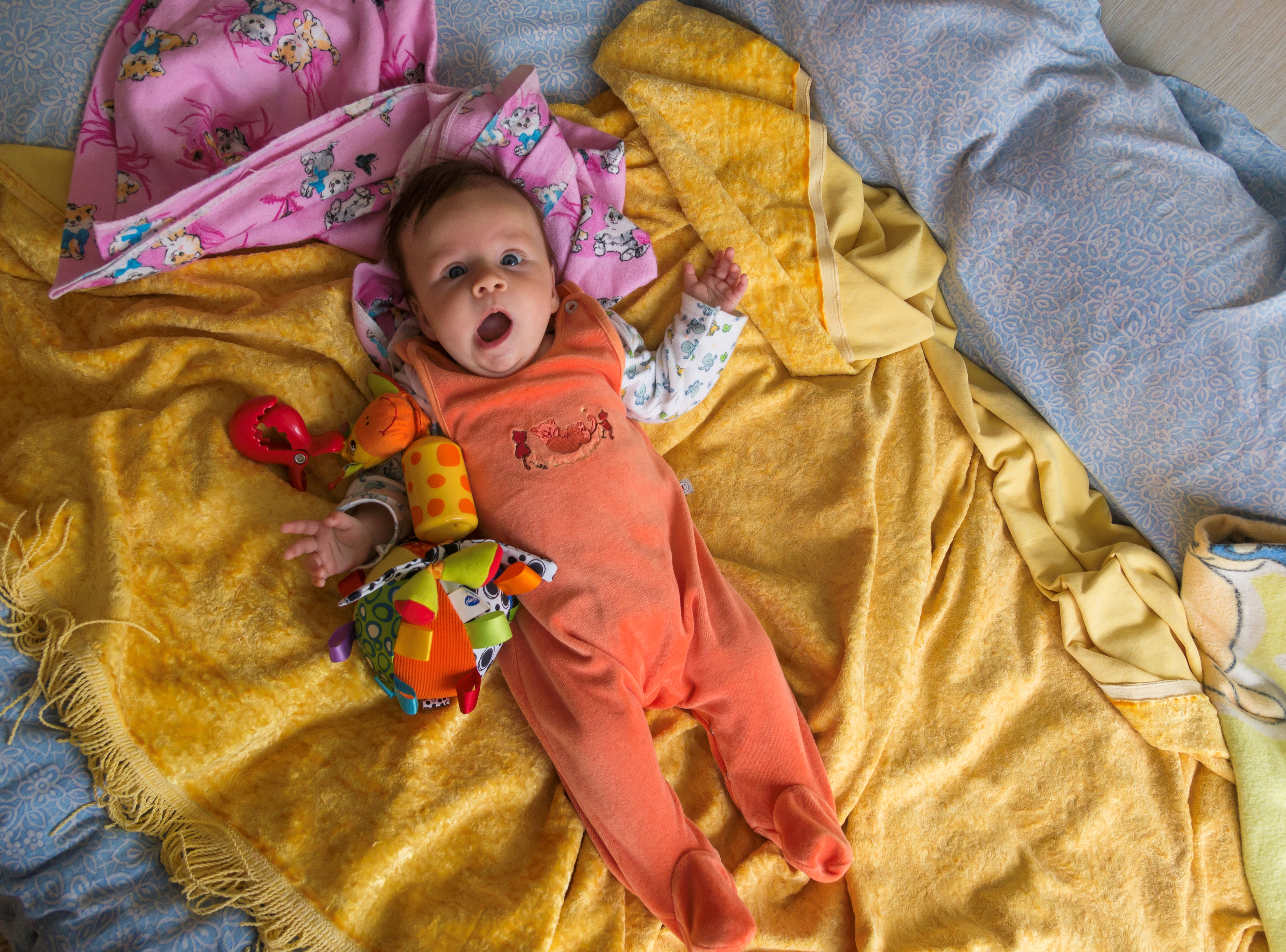
What separation anxiety actually is
Separation anxiety is distress a baby feels when separated from a primary caregiver, even briefly. The Barnes-Jewish Hospital health library lists the classic signs: crying when you leave the room, clinging in new situations, waking at night after previously sleeping through, and refusing to sleep without a parent nearby.
It is not a disorder in this age range. It is a milestone. Pediatrician Gianna Frazee told Medical Xpress: "It is actually a very normal part of childhood development." She added: "Once they realize they can leave you, they start to feel more upset when you leave."
The anxiety can resurface at transitions, too. Frazee notes it may reappear when children start daycare or preschool, which is why a settled two-year-old can suddenly protest drop-off.
Why leaving the room triggers crying
The engine of the phase is object permanence: the understanding that people and things keep existing when out of sight. Before babies develop it, you walking out of the room is closer to you vanishing from reality. There is discomfort, but no real concept of missing you.
Once object permanence clicks, the picture changes. Now the baby knows you exist somewhere beyond the doorway but cannot reach you, and that gap between knowing and reaching is where the fear lives, The Tech Edvocate explains.
Young babies also have no sense of time. The Barnes-Jewish health library points out that a baby who has not learned that separations are temporary experiences your exit as permanent. You are gone forever, as far as they can tell, and crying is the only tool they have to bring you back.
That is why the crying is so immediate and so total. It is not manipulation. It is a genuine alarm from a brain that has just learned enough to be frightened and not yet enough to be reassured.
When it starts, peaks, and fades
The timeline is well documented. Separation anxiety typically develops around 8 to 10 months, near the time babies start crawling and exploring, Frazee told Medical Xpress.
Child Health Care's developmental resources describe two peaks. The first comes around 8 months, when object permanence takes hold: out of sight is no longer out of mind, so babies cry for the caregiver they know is somewhere. The second comes around 18 months, when mobility and independence make separations more frequent and more visible to the child.
"It usually will peak around 10 to 18 months of age but can go on until around age 3 to 4," Frazee said. Most children outgrow it by age 3, though stress, illness, or a big change like a new sibling can bring a milder version back temporarily.
Anxiety that stays severe past age 3, or that interferes with daily life, is worth raising with a pediatrician. Within the normal window, though, it is simply the phase doing its job.

How to make separations easier
Nothing stops the phase, but several habits take the edge off. Keep goodbyes short and warm. Lingering or sneaking out both backfire: the first prolongs the distress, and the second teaches the baby that you might vanish without warning, which makes the next separation worse.
Build a small ritual around leaving. A wave, a phrase, a kiss on the same spot. Predictability is soothing because it turns your exit into something the baby recognizes, and recognition is the first step toward trusting that you come back.
Practice in tiny doses. Leave the room for a minute and return, then stretch the time. Games like peekaboo work on the same principle: disappearance followed by reliable return, which is exactly the lesson object permanence needs to finish learning.
Keep the rest of the day steady. Regular naps, meals, and bedtimes lower the background stress that amplifies clinginess. Our guides to wake windows by age and how many naps a 6-month-old needs help with that structure.
At night, the same rules apply. A baby who wakes up when put down is often the daytime phase visiting the crib. A consistent bedtime routine and a brief, calm response to night waking teach the same lesson as the daytime ritual: you leave, you return.
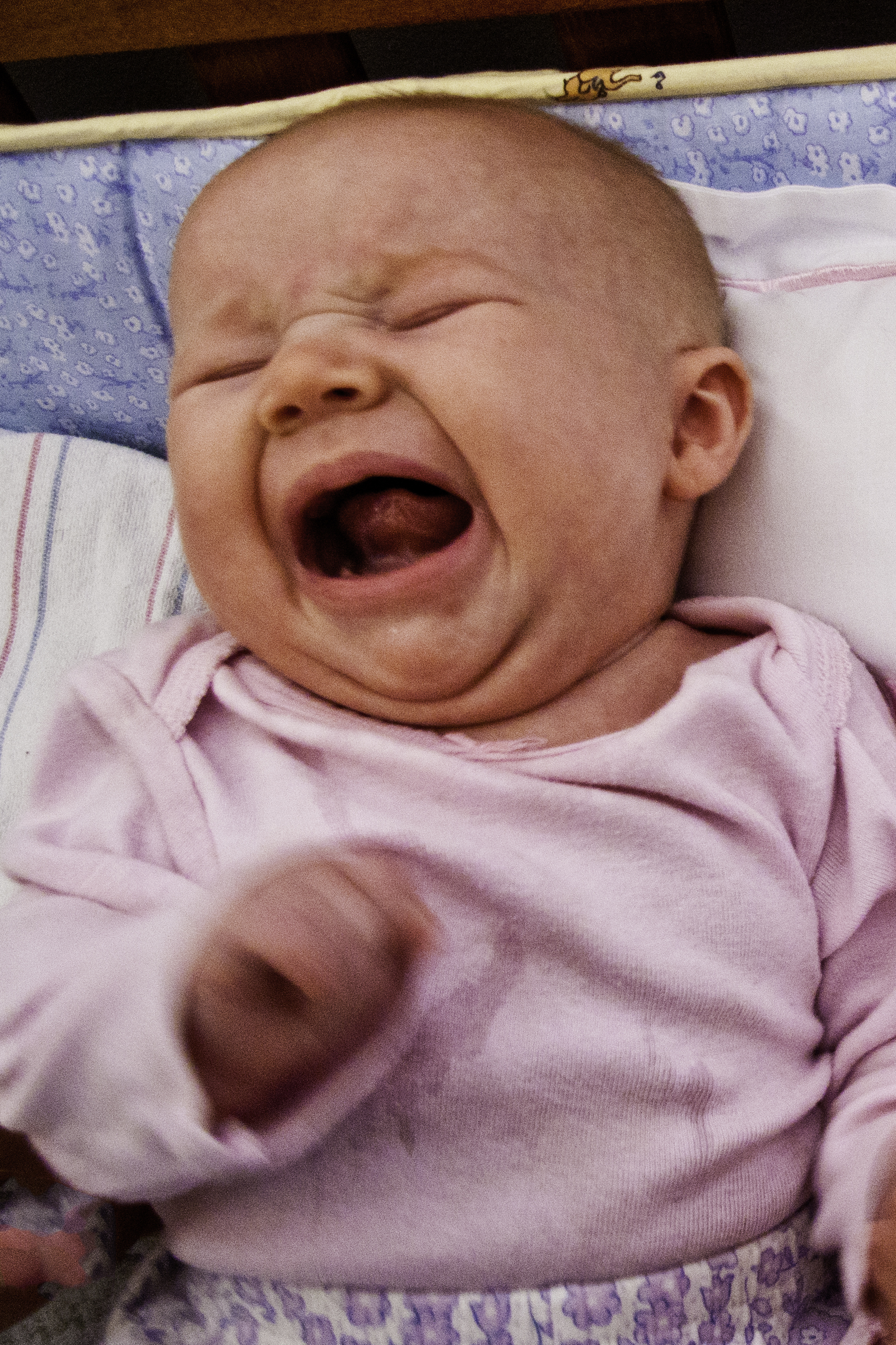
Frequently asked questions
Is separation anxiety a sign something is wrong?
No. Between roughly 8 months and 3 years it is a normal developmental phase tied to object permanence. Only ongoing, severe anxiety past age 3 warrants a pediatrician's evaluation.
Why does my baby cry only when I leave, not others?
You are the primary attachment figure, so your absence registers most strongly. A baby who happily stays with a grandparent but melts down when you leave is showing a secure attachment, not a problem.
How long does separation anxiety last?
It usually starts around 8 to 10 months, peaks between 10 and 18 months, and fades by about age 3. It can briefly return at transitions like starting daycare.
Should I sneak out to avoid the crying?
Sneaking out tends to make things worse. The baby learns that you can disappear without warning, which increases vigilance. A short, cheerful goodbye teaches that departures are predictable and temporary.
The bottom line
Babies cry when you leave the room because they have just learned you exist when they cannot see you, and they have not yet learned that you always come back. The crying usually starts near 8 months, peaks at 10 to 18 months, and fades by 3.
Your job is to be boringly predictable: same goodbye, same return, every time. The phase is the brain finishing its lesson, and consistency is how you help it graduate.
Rive News is the research desk behind this publication, writing plain-English explainers on everyday parenting questions with every key claim tied to a named public source.
Latest in Parenting
- Why Babies Cry in the Evening: The Witching Hour
- Why a Baby Wakes Up When Put Down
- Wake Windows by Age Chart
- How Many Naps Does a 6-Month-Old Need
Subscribe for one plain-English parenting explainer in your inbox each morning.
Standards: every factual claim in this article traces to a named public source listed above. No quotes, studies, statistics, or people were invented.
Related stories

Why babies cry more in the evening: the witching hour explained
The witching hour is the fussy evening stretch most newborns hit daily. Why overtiredness, cluster feeding, and overstimulation stack up, an

When Do Babies Start Sleeping Through the Night by Month?
Most babies sleep through the night between 3 and 6 months, with regressions at 4 and 8 to 10 months. See the month-by-month table and safe-

Why Your Baby Wakes Up the Second You Put Them Down
Newborns wake when put down as the startle reflex, light sleep, and lost warmth hit at once. It is normal and peaks early, fading by about s