
How many naps does a 6-month-old need each day?
Key takeaways
- Most 6-month-olds take 3 naps a day, with wake windows of about 2 to 3 hours between sleeps.
- The American Academy of Pediatrics endorses 12 to 16 hours of total sleep per 24 hours for infants aged 4 to 12 months.
- The 3-to-2 nap transition usually happens between 6 and 8 months, and it arrives gradually, not overnight.
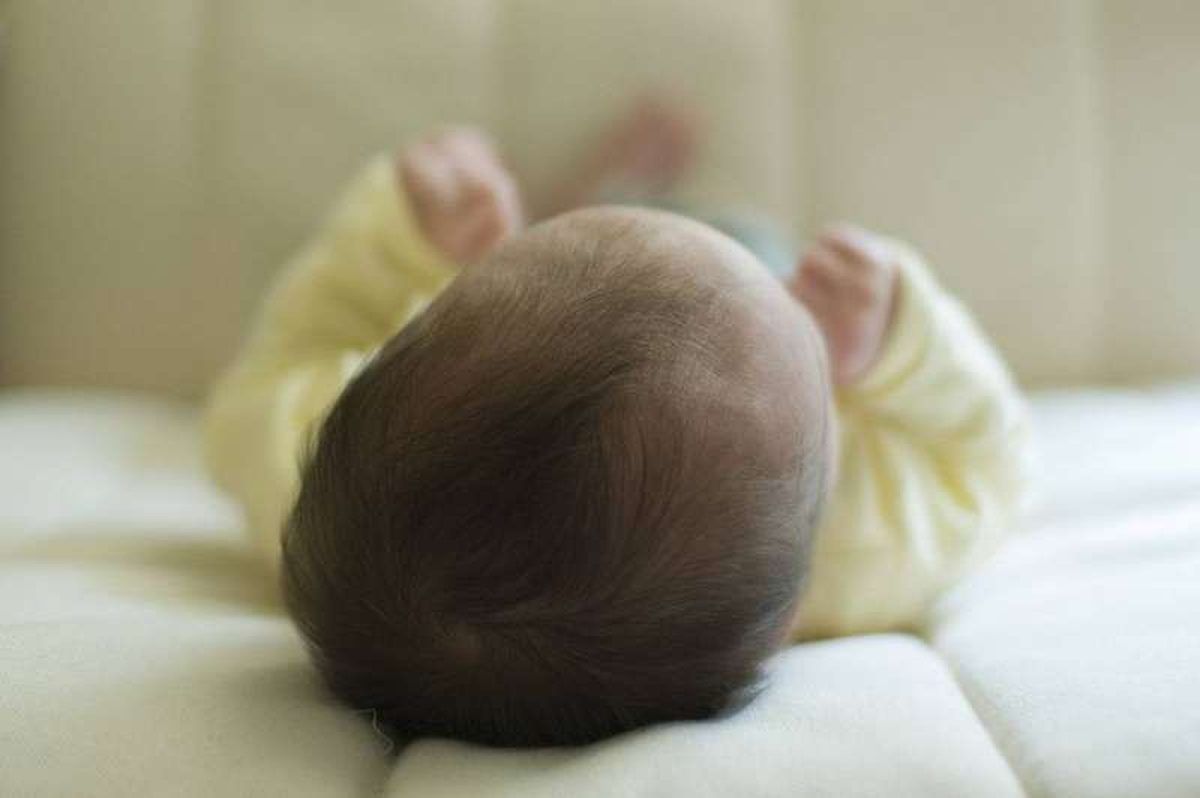
A six-month-old naps in a bare, safe crib. Photograph: Paul Goyette/Wikimedia Commons
Image Credits: Wikimedia Commons
At six months, most babies settle into three naps a day, spaced by wake windows of roughly two to three hours. That rhythm comes straight from how much sleep a baby this age needs in total: enough daytime rest to stay happy, without stealing from nighttime sleep.
Those numbers are averages, not rules, and every baby reads a slightly different clock. This article explains how many naps a 6-month-old needs: the typical schedule and wake windows, why the timing matters, how to spot the signs of a nap transition, and what to do about short naps.
How many naps does a 6-month-old need
Three naps is the standard answer at six months. Sleep educators at Batelle report that most 6-month-olds take three naps each day, and the Baby Sleep Site agrees that this is the typical count before the transition to two naps begins.
The total sleep picture matters more than the nap count. The American Academy of Pediatrics has endorsed recommendations from the American Academy of Sleep Medicine calling for 12 to 16 hours of sleep per 24 hours for infants aged 4 to 12 months, naps included. Those guidelines came from a panel of 13 sleep experts who reviewed 864 scientific articles, so they carry real weight.
If your baby takes two long naps and hits the daily total happily, or takes four short ones and thrives, both can be fine. The Baby Sleep Site puts it well: as long as your baby is generally content when awake and nighttime sleep is not falling apart, daytime sleep is probably in a healthy range.
A typical 6-month nap schedule
Wake windows, the stretches of awake time between sleeps, are the engine of the schedule. At six months, babies generally handle 2 to 3 hours awake, with the first window of the day often the shortest and the last window before bed the longest.
Here is what a working day often looks like, adapted from the example schedule published by the Baby Sleep Team:
- 6:30 to 7:00 AM: wake for the day.
- Around 9:30 AM: first nap, often a shorter one, after 2 to 2.5 hours awake.
- Around 12:30 PM: second nap, the big one, ideally up to 2 hours.
- Around 4:30 PM: third nap, a short catnap of 15 to 20 minutes, finished by 5:00 PM.
- Around 7:00 PM: bedtime, no later than about 4 hours after the midday nap.
One honest caveat from the same source: awake times are not strictly evidence-based, and no exact number is correct for your baby. Use a schedule as a shape for the day, then watch your baby's sleepy cues, like eye rubbing or fussiness, alongside the clock.

A mother holds her sleeping baby close. Photograph: Wellcome Collection/Wikimedia Commons
Image Credits: Wikimedia Commons
Why wake windows matter
Wake windows exist because of sleep pressure, the drowsiness that builds the longer a baby stays awake. Hit the nap when pressure is just right and the baby drifts off. Miss it and you get an overtired baby who fights sleep instead of surrendering to it.
Taking Cara Babies explains the two failure modes clearly. Wake windows that run too long produce an overtired baby who struggles to calm down enough to fall asleep or stay asleep. Windows that are too short produce a baby who simply is not ready, which often means a tiny catnap instead of a real rest.
Overtiredness has a cruel disguise: overtired babies often look wired rather than sleepy, all giggles and frantic energy right up until they crash. If bedtime has turned into a nightly wrestling match, the usual suspect is a wake window that stretched too far.
Signs your baby is ready to drop a nap
The move from three naps to two typically happens sometime between 6 and 8 months, per Batelle. Some babies flash early signs at six months, but most are not ready to drop that third nap just yet.
Watch for these signs that a transition is approaching:
- One nap is consistently refused, usually the last one of the day.
- Earlier naps start lengthening on their own.
- Your baby comfortably stays awake for longer stretches.
- Bedtime keeps creeping later because the third nap lands too late.
And these signs that three naps are still needed:
- Naps stay short throughout the day.
- Fussiness arrives well before each nap.
- Your baby struggles to make it to bedtime happily.
Transitions are gradual and often take days or weeks to settle, so expect some messy days in the middle. That is normal.
What to do about short naps
Short naps are extremely common at six months and do not necessarily mean anything is wrong. The Baby Sleep Site lists the usual suspects: the baby is still learning to connect sleep cycles, wake windows need small adjustments, or a developmental leap or growth spurt is scrambling the routine.
A few practical levers help. Watch wake windows more than the clock, keep the nap routine short and consistent, and make the sleep space dark and quiet when possible. Guard hardest against overtiredness, since an overtired baby naps worse, not better.
Most babies naturally start taking longer naps by six and seven months as their sleep matures. If short naps persist for weeks alongside poor night sleep or feeding trouble, that is a conversation for your pediatrician, not the internet.
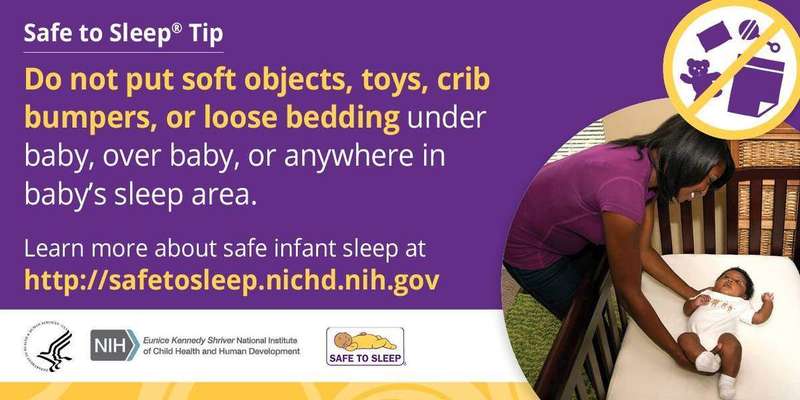
A bare crib with no toys, pillows, or loose bedding, set up for safe infant sleep. Photograph: NIH Image Gallery/Wikimedia Commons
Image Credits: Wikimedia Commons
Frequently asked questions
How long should a 6-month-old's naps be?
Total daytime sleep usually lands around 3 to 4 hours across three naps. The shape is often short, long, short: a brief morning nap, a long midday nap of up to 2 hours, and a short late-afternoon catnap.
Should I wake my baby from a nap?
Usually not, unless a nap threatens the rest of the schedule. A third nap that runs past 5:00 PM, for example, can push bedtime late enough to hurt night sleep. Many parents cap that last nap at 15 to 20 minutes.
Is my 6-month-old sleeping too much during the day?
Compare against the 12 to 16 hour daily total endorsed by the AAP. A baby napping 4 hours in the day and sleeping 11 at night sits right in range. Excessive sleepiness paired with poor feeding or illness is different, and worth a pediatrician's input.
When do babies drop to two naps?
Most babies make the 3-to-2 nap transition between 6 and 8 months, settling into a morning and an early-afternoon nap with longer wake windows of 2.5 to 3.5 hours. Let refused naps and lengthening wake tolerance lead the way rather than forcing it.
Outlook
Three naps, two-to-three-hour wake windows, and 12 to 16 hours of total sleep: that is the shape of a typical six-month-old's day. The numbers give you a starting map, but your baby's mood, sleepy cues, and night sleep quality are the real compass.
Nap transitions feel dramatic in the moment and look trivial in hindsight. Give each change a week or two before judging it, keep the routine steady, and remember that flexibility beats perfection.
It's a good idea to talk to your pediatrician if sleep suddenly worsens, feeding drops off, or anything about your baby's pattern genuinely worries you. This article shares general information only, not medical advice.
Rive News's research desk covers practical family topics from published sources. This article shares general information only and is not medical advice.
Subscribe to the Rive News newsletter for one practical explainer like this every morning.
Related stories

Why babies cry more in the evening: the witching hour explained
The witching hour is the fussy evening stretch most newborns hit daily. Why overtiredness, cluster feeding, and overstimulation stack up

When Do Babies Start Sleeping Through the Night by Month?
Most babies sleep through the night between 3 and 6 months, with regressions at 4 and 8 to 10 months. See the month-by-month table

Why Your Baby Wakes Up the Second You Put Them Down
Newborns wake when put down as the startle reflex, light sleep, and lost warmth hit at once. It is normal and peaks early, fading