
What is parallel play in toddlers?
Key takeaways
- Parallel play means children play alongside each other without playing together: two toddlers building separate towers, side by side.
- It is the fourth of Mildred Parten's six stages of play, typically appearing between 18 months and 3 years.
- It builds social awareness: children watch, copy, and learn the rhythms of being near others before they are ready to interact.
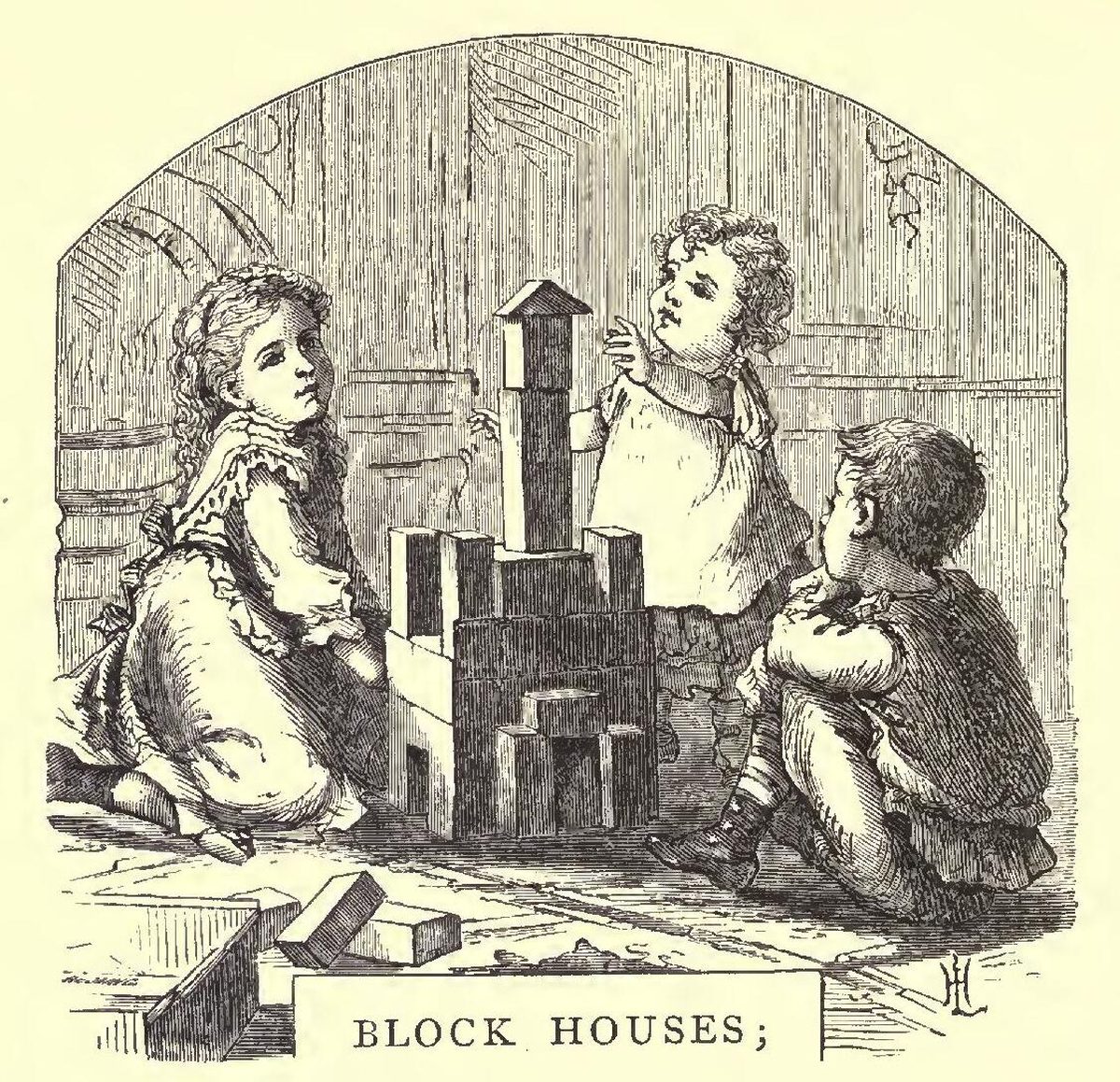
Parallel play is when toddlers play next to other children without playing with them. Two two-year-olds might each build a tower of blocks, inches apart, in their own little worlds, occasionally glancing over or copying what the other one does.
It looks like ignoring each other. It is actually a developmental milestone: the stage where children become interested in other children before they are ready to interact with them.
This article explains what parallel play in toddlers is: what it looks like in practice, where it sits in Mildred Parten's six stages of play, why it matters for development, how to support it, and what comes after.
What parallel play looks like
Picture a sandbox with two toddlers. Each has a bucket and a shovel. Each fills, dumps, and refills their own bucket.
They are not sharing, not talking about a joint plan, and not really noticing each other.
But watch longer and the social side shows. One child glances at the other's bucket and starts copying the same motion. They may reach for the same shovel or hand over a toy without a word.
The play is separate, but the awareness is shared.
Researchers describe it exactly this way. From ages 2 to 4, children do parallel play by playing near other children but not with them, with very little social interaction. The most communication is often just asking for a toy near the other child, according to Günal and Tufan's 2019 review of the stages, cited in the Pressbooks child-development text.
The classic signs are side-by-side positioning, similar toys or materials, and minimal direct interaction. Copying is the giveaway that it is parallel play rather than two children coincidentally in the same room: one child starts doing what the other is doing, even without an invitation.
Mildred Parten's six stages of play
Parallel play did not get its name from a parenting blog. It comes from Mildred Parten's 1932 research, which identified six stages of social play through detailed observation of preschool children. The framework is still the standard reference nearly a century later.
The six stages, in order, are:
- Unoccupied play (birth to about 3 months): random movements with no clear focus.
- Solitary play (from about 3 months): the child plays alone, absorbed in their own activity, with little interest in others.
- Onlooker play (from about 9 months to 2 years, depending on the source): the child watches other children play without joining in, absorbing the social scene.
- Parallel play: the child plays alongside others without direct interaction.
- Associative play (around 3 to 4 years): children play separately but on a shared project, talking and problem-solving together without a common goal.
- Cooperative play (around 4 years and up): organized play with shared goals, roles, and negotiation.
The age ranges deserve an honest note because sources disagree. Good Days with Kids places parallel play at 18 months to 3 years. The Pressbooks text cites 2 to 4 years. Yunik Little Kids says around 2 years and up. Early Years TV lists 3.5 to 4 years. The consensus center is roughly 18 months to 3 years, with the understanding that children move through stages at their own pace.
That pace point matters more than the exact ages. Parten's stages are not a ladder children climb once and leave behind. Children use different types of play depending on context, and all stages keep contributing to development, as Early Years TV's summary of the framework notes.
A four-year-old in cooperative play at preschool will still parallel-play with an unfamiliar toy.
Why parallel play matters for development
Parallel play is where social awareness begins. The child is noticing other children, tracking what they do, and practicing the physical reality of being near others: negotiating space, tolerating closeness, and occasionally trading a toy.
Copying is the engine. When one toddler copies the other's tower-building, they are learning by observation before they can learn by instruction. That observational learning is the bridge between solitary play, where other children barely register, and associative play, where interaction becomes the point.
It also builds the emotional groundwork for sharing. A child who has spent months playing beside others, occasionally handing over a toy or accepting one, arrives at cooperative play with hundreds of low-stakes social reps already banked. The parallel stage is where "other children exist and are not a threat" gets established.
For parents, the practical payoff is reassurance. Two toddlers playing side by side without interacting are not being antisocial, rude, or delayed. They are doing exactly what the stage prescribes.
The instinct to force interaction, to make them share or play together, works against what the stage is for.
How to support parallel play at home
Set up for side-by-side, not face-to-face. Two sets of blocks, two buckets of crayons, two puzzles. Duplicates matter: the most common parallel-play conflict is two children wanting the same single toy, which is a sharing problem the stage has not equipped them for yet.
Stay nearby but uninvolved. The adult's job during parallel play is to be a safe base, not a play director. Narrating what the children are doing can support language development without hijacking the play. This is a technique Early Years professionals use across all the stages, according to Early Years TV.
Playdates work well at this stage even without interaction. Two toddlers in the same room with their own toys are parallel-playing, and that counts. Short playdates are better than long ones: an hour of side-by-side play teaches more than three hours that end in overtired meltdowns.
Resist coaching them to interact. "Go play with her" or "share your blocks" asks for associative or cooperative behavior the child is not ready for. The interaction will come.
Parallel play is the rehearsal, not the performance.
Watch for the transitions rather than the calendar. A child who starts commenting on the other child's tower, offering toys unprompted, or suggesting "let's build together" is moving toward associative play. Those moments arrive on their own schedule, and they arrive more reliably when the parallel stage was allowed to run its course.
General information only: every child develops on their own timeline, and this article is not medical advice. If you have concerns about your child's social development, raise them with your pediatrician.
At what age does parallel play start?
Most sources place it between 18 months and 2 years, though some extend the range to 3 or 4 years. Children progress through the stages at different rates, so treat ages as rough guides.
Is parallel play a sign of autism?
No. Parallel play is a normal developmental stage that typically developing children pass through. Ongoing lack of social interest well beyond the expected ages is a different matter and worth discussing with a pediatrician, but parallel play itself is healthy.
How is parallel play different from solitary play?
In solitary play the child plays alone with little awareness of others. In parallel play the child plays near others, notices them, and often copies them, but does not interact directly.
Should I make my toddler share during parallel play?
Forced sharing at this stage usually backfires. Providing duplicate toys avoids most conflicts, and genuine sharing emerges naturally as children move toward associative play around age 3 to 4.
Can adults parallel play with toddlers?
Yes, and it works well. Sitting beside a toddler with your own coloring book or blocks models the behavior and gives the child a calm social presence without demanding interaction they are not ready for.
The bottom line
Parallel play is toddlers playing alongside each other without playing together, and it is one of the most productive-looking-boring stages of childhood. It builds the social awareness that later play stages are built on.
Give them duplicate toys, nearby space, and time. The interaction you are waiting for arrives on its own, and it arrives stronger for not being rushed.
---
Tags: parallel play, toddler development, stages of play, social development, preschool
Rive News's research desk covers travel, money, and everyday science with sourced explainers. No PR, no sponsored placements.
Latest in Parenting
- Why do kids ask "why" constantly? The developmental reason
- Why babies cry more in the evening: the witching hour explained
- Introducing solid foods: baby-led weaning vs puree
Subscribe for one sourced explainer every morning.
Rive News (c) 2026. Corrections: reply to any article and we fix verified errors within 48 hours.
Related stories

Why babies cry more in the evening: the witching hour explained
The witching hour is the fussy evening stretch most newborns hit daily. Why overtiredness, cluster feeding, and overstimulation stack up

When Do Babies Start Sleeping Through the Night by Month?
Most babies sleep through the night between 3 and 6 months, with regressions at 4 and 8 to 10 months. See the month-by-month table

Why Your Baby Wakes Up the Second You Put Them Down
Newborns wake when put down as the startle reflex, light sleep, and lost warmth hit at once. It is normal and peaks early, fading