
Why do toddlers throw food from the high chair: causes and calm fixes
Key takeaways
- Food throwing is usually developmental, not defiance. Babies under 15 to 18 months are testing cause and effect, gravity, and their own motor control.
- A big parental reaction rewards the behavior, so calm, neutral responses and an all-done bowl end the phase faster.
- Watch for done-signals like pushing the tray away, and end the meal promptly, since full babies throw to communicate.
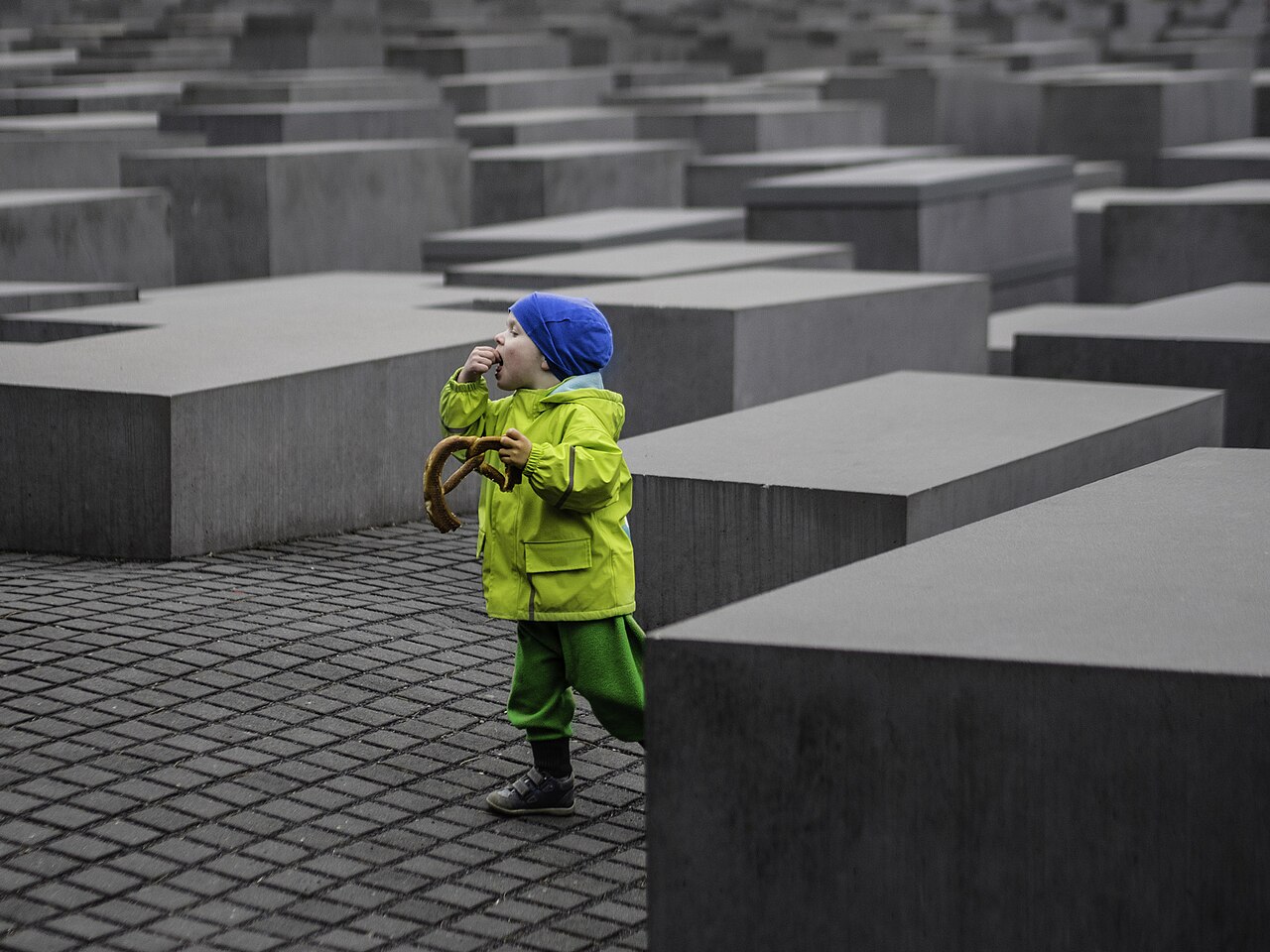
The peas fly, the cup follows, and the floor ends up with more dinner than the toddler. It feels personal, especially the third time in one meal.
It almost never is. Food throwing is one of the most common behaviors of the first two years. Developmental specialists read it the way scientists read lab results: a small person running experiments.
This article explains what food throwing looks like in the first two years, digs into the developmental causes behind it, and lays out responses that shorten the phase.
What food throwing looks like in the first two years
The behavior usually shows up once babies can sit up and grasp, somewhere between 6 and 12 months, and peaks in the second year. It takes a few familiar forms. The slow release, where a piece of food is held over the tray edge and dropped while the baby watches it fall.
The side-arm toss, aimed with surprising accuracy at the dog. The full sweep, where the whole plate gets cleared in one motion.
Parents often notice it gets worse at dinner. That is not a coincidence.
Children tire through the day, and a tired toddler has less patience for the hard work of chewing. The children's nutrition site Children's Nutrition UK points out that if dinner is always the meal that ends up on the floor, fatigue is a likely culprit. Children naturally prefer foods that are easy to eat, like pasta or soft fruit, over meals that demand real chewing.
Why toddlers throw food: the developmental causes
The causes are mostly developmental, and knowing which one is in play changes the response.
They are testing cause and effect. For babies and young toddlers under 15 to 18 months, the behaviors are primarily developmental, according to the pediatric feeding resource New Ways Nutrition. A baby drops food and learns it makes a sound, or that the dog appears, or that a parent gets up from a chair. The discovery comes from exploration, not from game-playing or attention-seeking, at this stage.
As they get older, the game element arrives. Older toddlers learn that their actions cause reactions in other people, and throwing becomes partly about the show. The line between developmental and deliberate is blurry and moves by child.
The early phase is almost entirely the former.
They are running a trajectory schema. Child development researchers describe repeated behaviors like throwing as play schemas. These are patterns children repeat until they understand what is going on. Children's Nutrition UK identifies the trajectory schema here. Children are fascinated by things that move. Dropping and throwing food lets them study cause and effect, visual tracking, gravity, and their sense of self in space.
They are checking object permanence. Babies around this age are still consolidating the understanding that things exist when out of sight. Object permanence is the knowledge that things still exist when you cannot see them. That is the same reason peekaboo is riveting. Children's Nutrition UK notes that toddlers may throw food and look to see whether it is still there. The floor is a laboratory.
They are signaling they are done. A throw can be communication: I am full, I am bored, I need out of this chair. Gill Rapley's baby-led weaning guidance notes one frequently missed reason. Babies grow more slowly in their second year than in their first, so it is normal for their appetite to diminish slightly. A toddler who ate plenty yesterday may genuinely need less today. The throw is the message, sent because the words are not there yet.
They are dodging pressure. There is a subtler cause that feels unfair to hear. Being asked to eat food they do not want can feel, to a toddler, like force feeding. Getting rid of the offending food by throwing it solves their problem, Children's Nutrition UK explains. What looks like bad behavior may be a child protecting their own appetite.
They are chasing the reaction. Every throw is also a social experiment. Dr. Al Morrobel, a pediatrician, describes it bluntly. The child drops the food, it falls, the parent reacts, and that reaction becomes part of the experiment. The bigger the reaction, the more interesting the behavior. This is why the calmest households tend to see the shortest phases.
Responses that shorten the phase
The responses that work share one principle: make throwing boring and eating the easy path.
Stay neutral. Do not gasp, laugh, scold, or launch into a lecture. A flat, brief script repeated the same way works best: "Food stays on the tray." My Little Eater's feeding guidance adds that ignoring a single low-key drop often lets it fizzle out on its own, because there is nothing reinforcing it. Save the energy for repeated or escalating throwing.
Offer an all-done bowl. Give the child a small bowl, a suction bowl works well, as a legal place to put unwanted food. My Little Eater frames the line this way: "You don't want that right now? Okay, that can go in the no thank you bowl." It teaches that refusing food is acceptable and throwing it is not. Do not be surprised if the child circles back to the bowl later in the meal.
Serve less at a time. An overloaded tray invites experimentation. Two or three pieces at a time keep the meal focused and reduce the ammunition. Offer more when the first round is gone.
End the meal at the done-signal. If the child is pushing the tray, turning away, or signing "all done," honor it right away rather than pushing one more bite. My Little Eater warns that toddlers who feel finished but are not released often turn to throwing as their next move to make the point. Rapley's guidance is blunter. Do not keep picking up dropped food and handing it back to an older baby who is signaling done. From the baby's point of view, the parent is not listening, and that frustration can tip into a tantrum.
Meet the throwing urge before meals. Since the urge itself is developmentally normal, give it a legal outlet. A few minutes of active play or ball-throwing before sitting down burns off the testing energy. My Little Eater recommends exactly this: physical activity before the meal, plus safe chances to throw outside mealtimes.
Keep every caregiver consistent. If one parent uses the all-done bowl and another laughs at the mess, the child gets mixed signals and the phase stretches. My Little Eater stresses that consistency across everyone at the table is what moves things along fastest.
Watch the timing. If throwing clusters at dinner, try serving it earlier, or accept a lighter evening meal with a filling snack beforehand. A tired toddler is a throwing toddler.

Model it. Babies are watching the adults more than the food. Eating at the table together, phones away, shows what mealtimes look like. Children copy the pattern they see.
One thing to avoid: making food a battleground. Withholding favorite foods as punishment for throwing, or forcing bites as a condition for leaving, turns the table into a negotiation. The goal is a child who trusts their own appetite and knows the floor is not a plate.
FAQ
Is food throwing a sign of a behavioral problem?
No, not on its own. For children under 15 to 18 months it is primarily developmental: cause-and-effect learning, motor practice, and sensory exploration. It becomes worth discussing with a pediatrician only if throwing is aggressive, causes injuries, or appears alongside other developmental concerns.
At what age does food throwing stop?
It usually fades as the child gains words and the developmental need passes, often during the second year. Consistent neutral responses and an all-done bowl tend to shorten it. There is no fixed deadline, and comparing children is not useful.
Should I pick up thrown food and give it back?
For a young baby experimenting, once is fine. For an older baby who is signaling they are done, no.
Rapley's guidance warns that repeatedly returning dropped food to a baby who is communicating "finished" reads as not listening, which builds frustration. Put it on your own plate instead so it stays visible, or end the meal.
What if my toddler only throws dinner?
That pattern points to tiredness, not defiance. Try an earlier dinner, a smaller expectation for the evening meal, or a filling afternoon snack. Some families simply accept that dinner is the light meal of the day.
The bottom line
Food throwing is a toddler's science project: gravity, cause and effect, motor control, and communication, all tested with peas. The phase is normal, and the fastest way through it is the least dramatic one.
Keep your reaction flat, offer an all-done bowl, end the meal at the done-signal, and stay consistent.
If throwing turns aggressive, frequent, or comes with other worries, bring it to your pediatrician. Otherwise, keep a broom handy and wait it out: the experiments do end.
Rive News's research desk covers parenting science and family life.
Latest in parenting
- Why toddlers bite other children: the developmental reasons
- How to handle toddler tantrums without yelling
- Why babies put everything in their mouths
- Tantrum or meltdown: how to tell the difference
Subscribe for one practical parenting explainer every week.
Rive News publishes explainers under standing editorial standards. Factual errors are corrected with a visible update note.
Related stories

Why babies cry more in the evening: the witching hour explained
The witching hour is the fussy evening stretch most newborns hit daily. Why overtiredness, cluster feeding, and overstimulation stack up

When Do Babies Start Sleeping Through the Night by Month?
Most babies sleep through the night between 3 and 6 months, with regressions at 4 and 8 to 10 months. See the month-by-month table

Why Your Baby Wakes Up the Second You Put Them Down
Newborns wake when put down as the startle reflex, light sleep, and lost warmth hit at once. It is normal and peaks early, fading