
Why do babies put everything in their mouths?
Key takeaways
- Babies explore with their mouths because the mouth has more nerve endings per square millimeter than any other part of the body.
- Mouthing is developmental work: it builds jaw strength, desensitizes the mouth for solid foods, and soothes the baby.
- Most children stop by age 3; intense mouthing beyond 18 to 24 months deserves a pediatrician's opinion.

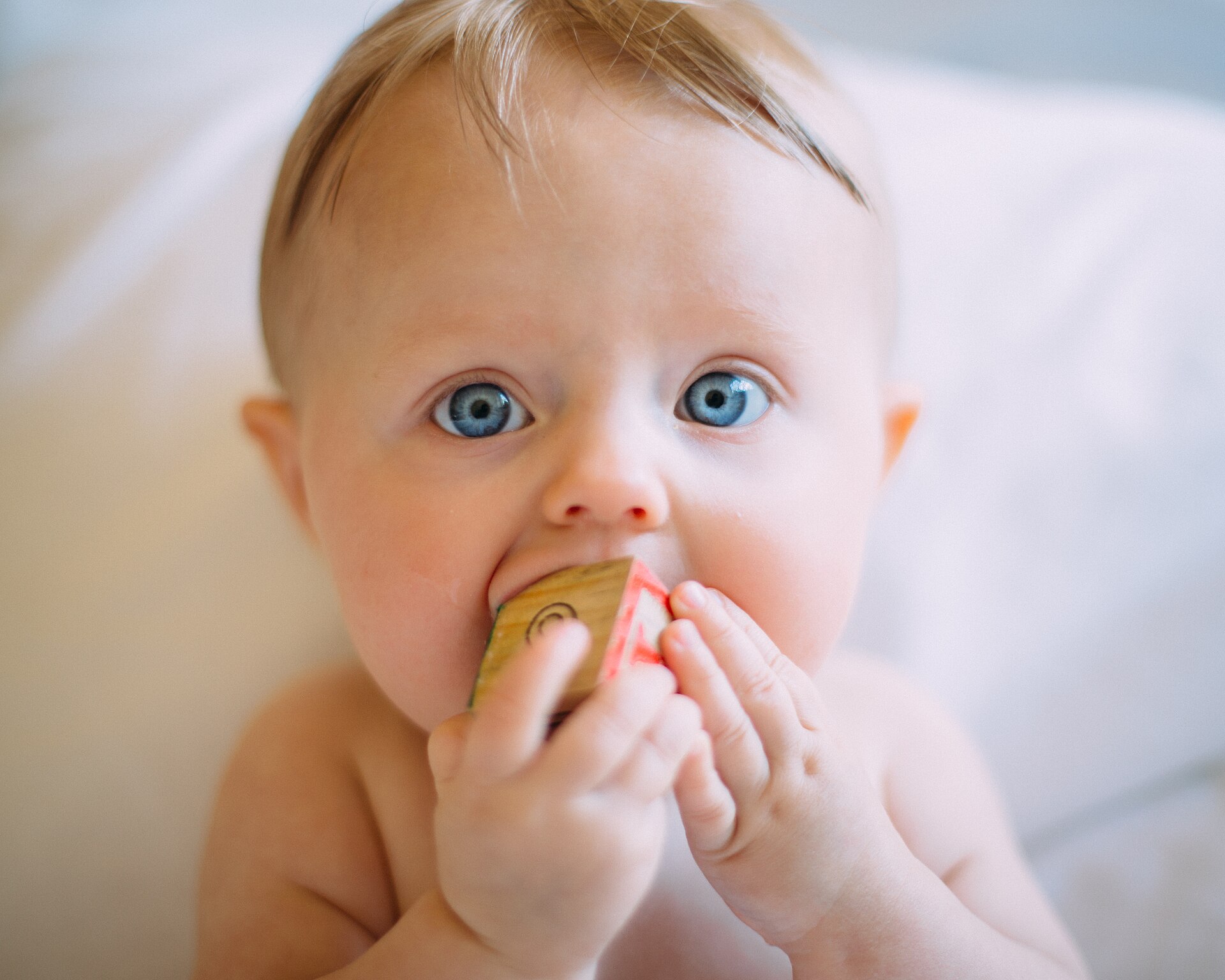
Babies put everything in their mouths because, for the first year of life, the mouth is their best tool for learning about the world. Keys, toys, feet, the dog's ear: if it is within reach, it goes in.
This is not a bad habit to break. It is a developmental stage with real jobs to do, and trying to stop it usually just frustrates everyone. The parent's job is to make it safe, not to end it.
This article explains why babies put everything in their mouths, including why the mouth is a baby's best exploratory tool, what mouthing does for development, when it starts and stops, how to keep it safe, and the bottom line.
Why the mouth is a baby's best tool
Until about 7 months old, a baby cannot really use their hands and fingers to explore objects. They can grip things, but they cannot stroke, poke, or prod with their fingers yet. What they can control precisely are their lips and tongue, so they mouth and gum objects instead, according to BabyCentre's infant-development guide.
The mouth is built for this job. A baby's mouth has more nerve endings per square millimeter than any other part of their body, BabyCentre reports. When a baby wants to know what something feels like, the mouth gives the richest possible answer: texture, temperature, shape, and taste all at once.
Reflexes push in the same direction. Babies are born with a rooting reflex, turning toward a stroked cheek with sucking motions, and a suck reflex, making sucking motions when the area around the mouth is touched. These reflexes, described in MomJunction's review of mouthing behavior, drive the newborn to bring everything to the mouth as a matter of wiring, not choice.
So the behavior parents find maddening is, from the baby's perspective, the only sensible research method available. The hands are clumsy probes; the mouth is a precision instrument.
What mouthing does for development
Mouthing is exercise. Every object a baby gums and chews gives the tongue, lips, cheeks, and jaw a workout, teaching them to move and coordinate with each other. Those are the same muscles that will later manage solid food and speech sounds, according to ARK Therapeutic's oral-motor overview.
It also prepares the mouth for food in a more specific way. Repeated mouthing strengthens the jaw muscles and gradually reduces the gag reflex. That "training" is vital for the transition to solid foods, said Dr. Sethi, a pediatric expert quoted by OnlyMyHealth.
A mouth that has explored dozens of textures handles its first spoonfuls far more calmly than one encountering texture for the first time.
Texture desensitization is the quieter benefit. Mouthing gets the mouth used to different sensations, which encourages the move to solids later. Feeding therapists note the connection in reverse: when children arrive with texture aversions, one of the first questions is whether they went through a mouthing stage, ARK Therapeutic reports.
Skipping the stage can mean extra work later.
Mouthing also soothes. Sucking and chewing calm babies during stress, hunger, or fatigue, which is why the behavior spikes at bedtime and during teething. It is self-regulation, not misbehavior: the baby's version of a stress ball, as Dr. Sethi put it.
And there is a possible immune upside. Exposure to everyday germs through mouthing may help train the developing immune system, a point OnlyMyHealth's expert review raises with the usual caveat that this does not extend to genuinely dirty or dangerous objects.
When mouthing starts and stops
Mouthing ramps up as soon as babies can grab. From the early months, fists and whatever they hold travel straight to the mouth. It intensifies around 5 to 6 months, when reach and grip make almost anything within range a candidate.
The peak runs through the first year and well into the second. Babies keep putting things in their mouths into their second year, though by 9 to 10 months the hands start doing more of the exploring, and by 12 months interest shifts toward what toys can do, according to BabyCentre's timeline.
The end of the road is around age 3. By 2, children mostly explore with their fingers, and by 3 most have stopped putting objects in their mouths, BabyCentre reports. The behavior fades because the hands and eyes take over the research job, not because anyone trained it out.
One threshold deserves attention. If intense mouthing continues beyond 18 to 24 months, or if a child compulsively mouths non-food items like dirt or paint, Dr. Sethi advises consulting a pediatrician. In rare cases persistent mouthing of non-food substances can relate to pica or other conditions that need assessment.
For the vast majority of babies in the first year, though, mouthing everyday objects is simply healthy development.
How to keep mouthing safe
The strategy is redirection, not prohibition. Demanding that a baby stop mouthing fights a developmental drive and usually fails. Offering something safe to mouth instead works with the drive rather than against it.
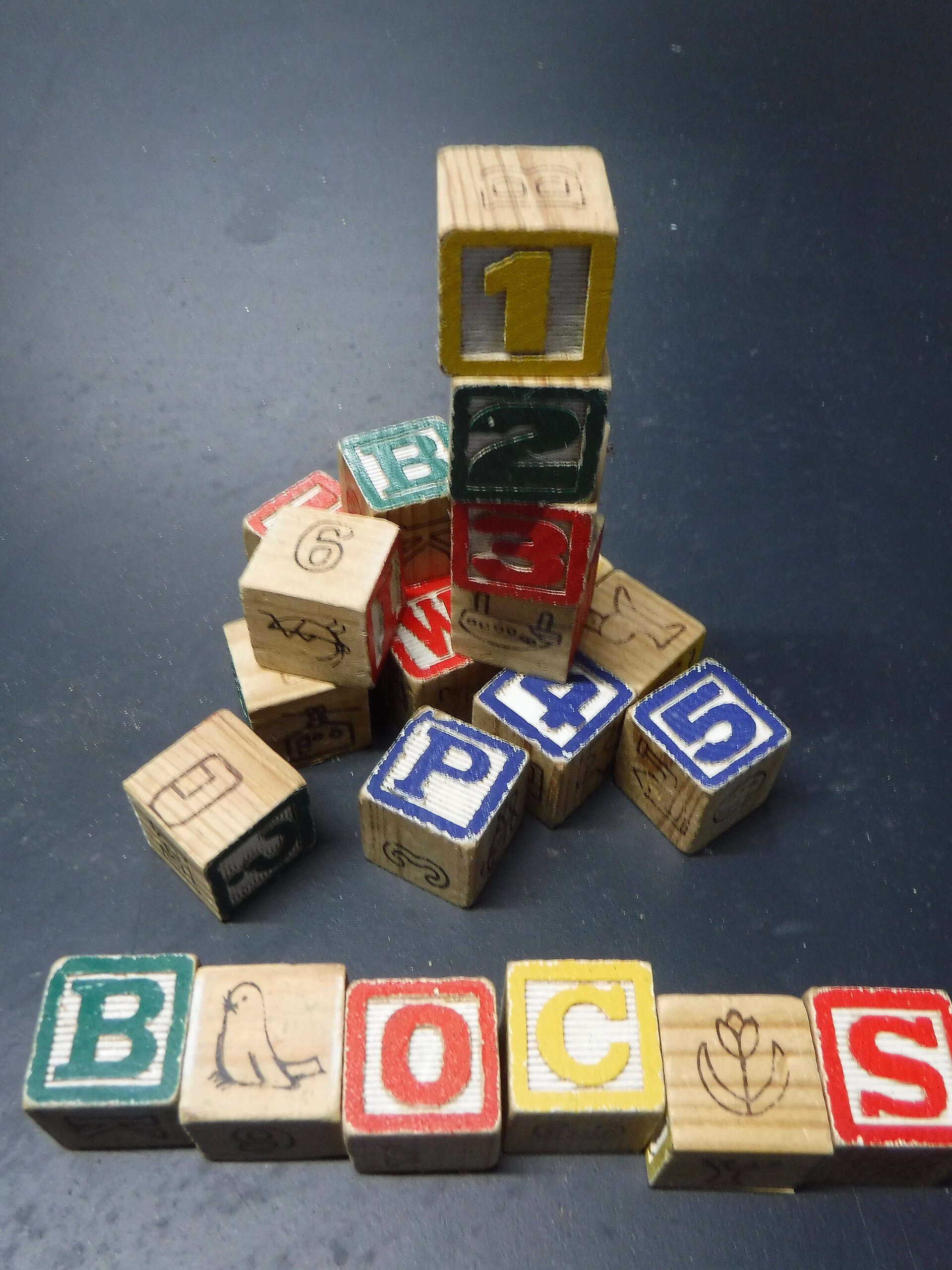
Safe options include silicone teethers, chilled washcloths, and textured toys made for infants. Alphabet blocks and large, sturdy toys with no small parts give the mouth plenty to explore without risk, as OnlyMyHealth's safety guidance notes.
The danger list is specific. Small objects like coins, batteries, and sharp items are choking hazards. The practical test: anything smaller than a toilet paper tube can block a baby's airway, according to Dr. Sethi's guidance.
Jewelry and button-sized toys fall into the same category.
Once the baby is mobile, the whole house becomes the toy box. Toys meant for older siblings often contain small parts, so keep them out of the baby's reach and ask older children to play with small-piece toys at a table. Check the floor regularly for coins and other small hazards.
Poisons need locked storage, not just high shelves. Cleaning detergents belong in their original containers in locked cupboards, and laundry detergent capsules need secure storage: babies may mistake them for sweets or squirt the detergent into their eyes, BabyCentre warns.
Supervision is the non-negotiable. Never leave a baby alone with items they might mouth, and wash frequently mouthed toys regularly. Mouthing is safe when the objects are safe and an adult is watching; those are the two conditions that make the whole system work.
For the teething side of this stage, our guide to when babies start teething covers the timeline and symptoms, and introducing solid foods picks up where mouthing leaves off.
General information only: this article explains normal development, not medical advice. Talk to your pediatrician about any concerns with your baby's behavior or development.
When do babies start putting everything in their mouth?
From the first months: newborns bring fists and grasped objects to their mouths via the rooting and suck reflexes. It intensifies around 5 to 6 months as grip and reach improve.
When do babies stop putting things in their mouth?
Most children stop by age 3. Hands take over more exploring from 9 to 12 months, and finger-based exploration dominates by age 2.
Is it bad to let my baby put everything in the mouth?
No, as long as the objects are safe and the baby is supervised. Mouthing builds oral-motor strength, desensitizes the mouth for solids, and soothes the baby. Redirect to safe teethers rather than forbidding the behavior.
Should I worry if my toddler still mouths everything at 2?
Intense mouthing beyond 18 to 24 months, or compulsive mouthing of non-food items like dirt or paint, is worth discussing with a pediatrician. Ordinary mouthing of toys at 2 is still within the normal range for many children.
Does mouthing help with teething?
Yes. Chewing on safe objects soothes sore gums during teething, which is one reason mouthing spikes when teeth are coming in.
The bottom line
Babies put everything in their mouths because the mouth is their most sensitive, most capable exploratory tool. The behavior builds the jaw strength, texture tolerance, and self-soothing capacity they will need for food, speech, and calm.
Do not fight it. Baby-proof the environment, offer safe things to chew, supervise always, and let the stage do its work. By age 3, the hands take over and the mouth retires from research duty.
---
Tags: babies, mouthing, teething, infant development, baby safety
Rive News's research desk covers travel, money, and everyday science with sourced explainers. No PR, no sponsored placements.
Latest in Parenting
- When do babies start teething? Symptoms and timeline
- Introducing solid foods: baby-led weaning vs puree
- Why babies cry more in the evening: the witching hour explained
Subscribe for one sourced explainer every morning.
Rive News (c) 2026. Corrections: reply to any article and we fix verified errors within 48 hours.
Related stories

Why babies cry more in the evening: the witching hour explained
The witching hour is the fussy evening stretch most newborns hit daily. Why overtiredness, cluster feeding, and overstimulation stack up

When Do Babies Start Sleeping Through the Night by Month?
Most babies sleep through the night between 3 and 6 months, with regressions at 4 and 8 to 10 months. See the month-by-month table

Why Your Baby Wakes Up the Second You Put Them Down
Newborns wake when put down as the startle reflex, light sleep, and lost warmth hit at once. It is normal and peaks early, fading