
Why Siblings Fight and What Parents Can Do About It
Key takeaways
- Siblings fight mostly over parental attention, perceived fairness, and the need to be different from each other.
- Early and middle childhood are the peak years for sibling aggression, and some squabbling builds social skills.
- What reduces fighting: less comparison, fair-but-not-equal treatment, and coaching kids to solve their own disputes.
If your children can go from best friends to sworn enemies in under a minute, you are witnessing one of the most normal and most studied patterns in family life. Sibling fighting is not a sign of bad parenting. It is a sign of children working out some of the hardest problems humans face: who gets the attention, what is fair, and who am I in this family.
This article explains why siblings fight, when the fighting actually helps development, what parents do that accidentally makes it worse, and the strategies that genuinely reduce it.
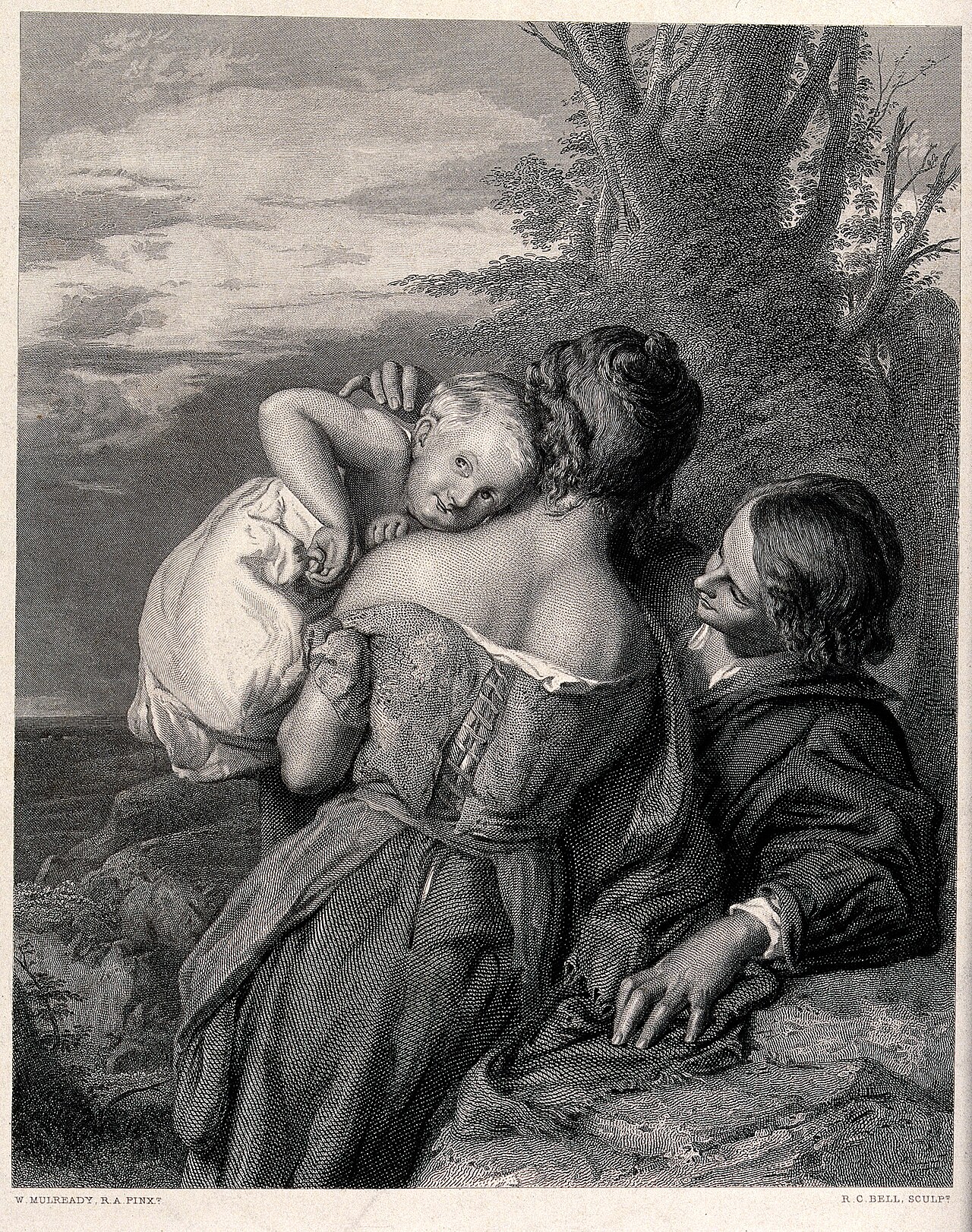
A brother and sister resting together in a rocky landscape. Most sibling pairs swing between closeness and conflict many times a day.
Image Credits: Wikimedia Commons
Why siblings fight: the three big drivers
Psychologist Dr. Lisa Damour, speaking on the Ask Lisa podcast, points to three forces behind most sibling conflict: comparison, fairness, and proximity. They are worth taking one at a time, because each one calls for a different parental response.
Comparison is the quietest driver and often the most powerful. Even when parents never say "why can't you be more like your sister," children pick up on differences in praise, grades, and attention. As Damour explains, "Kids want to differentiate." If one child is the athlete, the other may avoid sports entirely, either from fear of losing the comparison or fear of winning it. The drive to be distinct from a sibling is so strong that researchers now treat it as a central developmental task, not a quirk.
Fairness is the loudest driver. Children are laser-focused on who got more, who went first, and who got the bigger slice. Damour's line is worth memorizing: "In a lot of families, fair doesn't mean equal. Different kids need different things at different times." A child who needs extra help with schoolwork is not getting favoritism. But to the sibling watching, it can feel exactly like it.
Proximity is the simplest driver. Siblings live together around the clock, sharing rooms, toys, bathrooms, and parents. Research cited by Damour suggests siblings can bicker dozens of times an hour. Some of that is genuine conflict. Some of it, she jokes, is kids "fun fighting" just to entertain themselves.
Underneath all three sits an older idea. Alfred Adler studied sibling rivalry in depth in the 1920s and argued that hostility often starts with the first child's sense of lost position when the second arrives. A century later, Britannica's summary of the research still credits Adler's basic insight, while noting that newer studies find individual personality and coping ability matter as much as birth order.
The developmental job fighting is doing
Here is the part most parenting advice skips: sibling conflict serves a purpose. Researchers at Penn State's prevention research center note that "early and middle childhood are particularly difficult times for sibling aggression," and they treat that aggression as data about development, not just a behavior problem.
The clearest evidence comes from Dr. Claire Hughes' "Toddlers Up" study. Her team followed 140 families for five years, observing two-year-olds interacting with parents, siblings, friends, and strangers, and running aptitude, language, and memory tests along the way. The results showed that siblings mostly have a positive effect on a child's early development, even when the relationship is "less than cordial." The back-and-forth between siblings helped build what researchers called "emotional scaffolding," the ability to recognize and talk about different feelings. By the time the younger siblings reached age 6, their social understanding was nearly the same as their older brother or sister's.
Hughes also found that children resolve disputes fast so they can get back to playing, something she suggested adults could learn from. Her caution matters too: when rivalry tips into persistent violence, it stops being useful. Ongoing aggression is a strong predictor that the aggressive child will go on to bully peers. Normal squabbling builds skills. Chronic cruelty does not.
A newer study adds a twist. Research published in Current Psychology by Hamide Gozu and Jenna K. Rieder of Thomas Jefferson University surveyed 517 emerging adults across the United States and found that unequal parental support plus each child's personality shapes how hard siblings try to carve out distinct identities. In other words, the differentiation drive Damour describes keeps operating well into young adulthood.
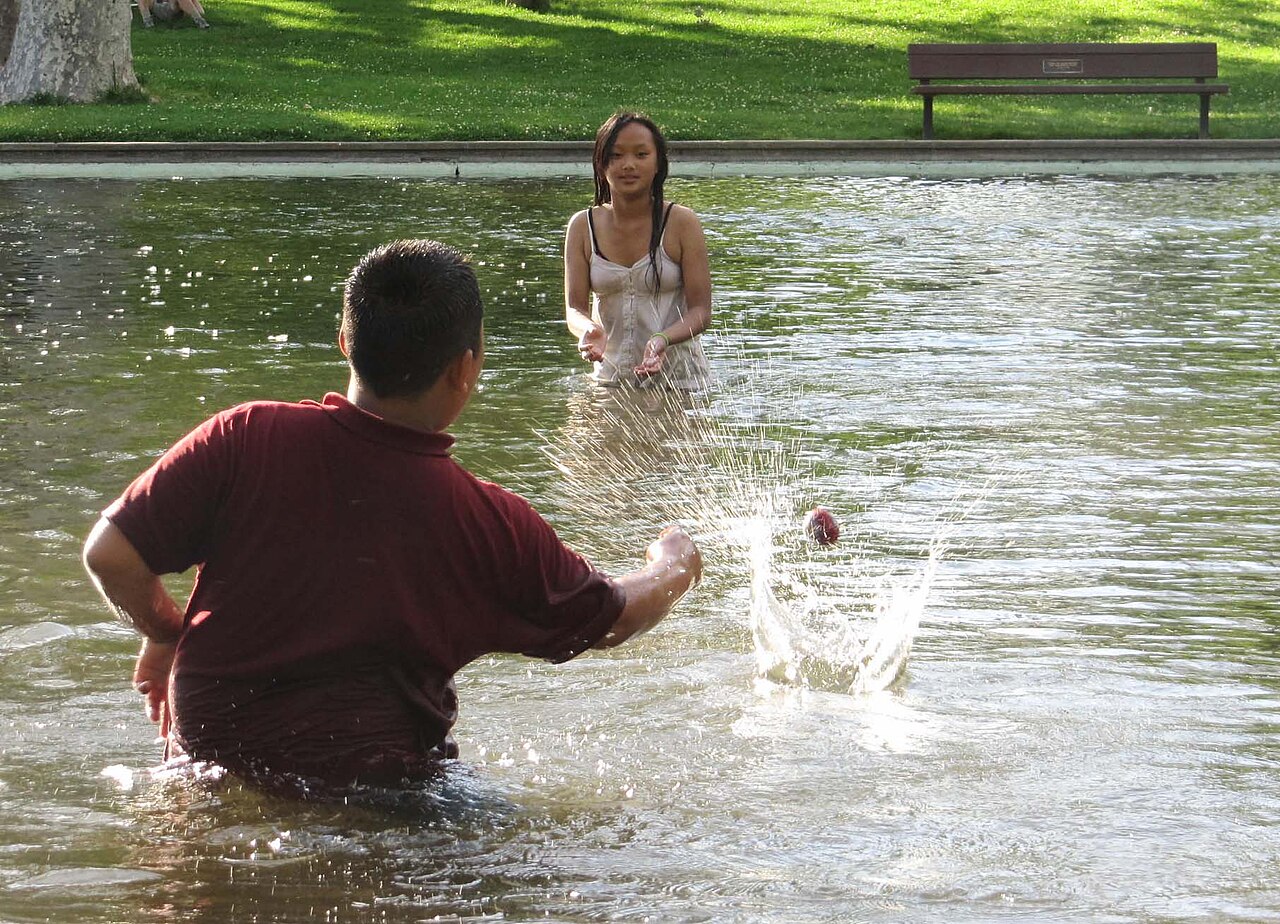
Siblings playing together. The same pair that fights over a toy in the morning may be inseparable partners by the afternoon.
Image Credits: Wikimedia Commons
What parents do that makes it worse
The single most reliable accelerant is comparison, even the positive kind. Praising one child by ranking them against the other ("you're the responsible one") puts both children in a contest neither asked to enter. The praised child gets pressure. The other gets a verdict.
Playing judge is the second accelerant. Rushing in to decide who started it and who is right teaches children that the path to winning is recruiting the parent. It also guarantees you will get the facts wrong at least half the time, because you never saw the beginning. Children learn quickly that the real game is not fairness but lobbying.
Forced apologies and forced sharing round out the list. A coerced "sorry" teaches performance, not remorse. And demanding instant sharing ignores the developmental reality that young children, especially toddlers in the parallel play stage, are not yet wired for it.
None of this means stepping back entirely. It means stepping in differently.
Strategies that actually reduce the fighting
Start with the environment, not the children. Most fights cluster around predictable triggers: hunger, tiredness, boredom, and transitions. A snack before the witching hour and a clear plan for who plays with what prevent more fights than any lecture. If two children always clash over one toy, the toy needs a schedule or a duplicate, not a moral.
Second, give each child protected one-on-one time. Many fights are bids for parental attention in disguise. Fifteen focused minutes per child per day, doing what that child chooses, drains a surprising amount of the tension that fuels conflict. This is the same principle behind preparing an older child for a new sibling: attention is the currency, and scheduled deposits beat emergency withdrawals.
Third, coach instead of refereeing. When a fight starts and nobody is getting hurt, narrate rather than judge: "You both want the red car. This is tricky." Then hand the problem back: "What could we do?" Young children will surprise you with solutions adults would not think of, and each solved dispute is practice for the social skills Hughes measured. Step in immediately only for hitting, biting, or sustained cruelty. Those get a firm stop every time, with the aggressor removed briefly from the fun.
Fourth, catch them being kind to each other and say so specifically. "You gave your brother the first turn without being asked. That was generous." Children repeat what gets noticed. This works far better than punishing the fighting, because it shows them what the alternative looks like.
Fifth, protect each child's separate identity. Different activities, different friend groups where possible, and praise that never uses the sibling as a yardstick. When children feel securely distinct, the differentiation drive that fuels so much conflict starts to relax.
For the heat of the moment, the discipline tools matter too. A child who hits needs a calm, brief consequence, not a screaming match. Our guide on handling toddler tantrums without yelling walks through the de-escalation sequence, and why kids ask why constantly explains the developmental stage that makes older siblings such relentless debaters.
FAQ
At what age is sibling fighting at its worst?
Research points to early and middle childhood as the peak years for sibling aggression. It tends to ease as children develop better emotional control and more separate lives, though the identity work continues into the teen years.
Should I always intervene when my kids fight?
No. For low-level bickering with no one getting hurt, coaching from the sidelines or letting them work it out builds conflict skills. Always intervene for hitting, biting, sustained cruelty, or when one child is genuinely afraid.
Is it normal for one child to seem to start most fights?
Often, yes, but the "instigator" label can become a self-fulfilling prophecy. Look for patterns in timing and triggers first. A child who always fights at 5 PM may be hungry, not hostile.
Does birth order determine who fights more?
Birth order plays a role, especially the first child's adjustment to a new sibling, but research finds individual temperament and how parents distribute attention matter at least as much.
The bottom line
Siblings fight because they are doing hard developmental work in close quarters: competing for attention, calibrating fairness, and carving out separate identities. Some of that friction builds real social skills. Your job is not to eliminate conflict but to keep it in the useful range: reduce comparison, give each child their own attention and identity, coach disputes instead of judging them, and stop aggression firmly every time.
This week, try the smallest version: fifteen minutes of one-on-one time per child, daily. It is the cheapest intervention in parenting, and for sibling fighting, it is one of the most effective.
---
Topics: sibling rivalry, sibling fighting, child development, parenting strategies
Rive News is a research desk producing plain-language explainers from public sources. This article is for general information and is not medical or psychological advice.
Latest in Parenting
- What is parallel play in toddlers?
- Why do kids ask why constantly?
- How to handle toddler tantrums without yelling
Subscribe for one practical parenting explainer in your inbox each week.
Rive News, 2026. Explainers are written from public sources and reviewed against our honesty checklist.
Related stories

Why babies cry more in the evening: the witching hour explained
The witching hour is the fussy evening stretch most newborns hit daily. Why overtiredness, cluster feeding, and overstimulation stack up

When Do Babies Start Sleeping Through the Night by Month?
Most babies sleep through the night between 3 and 6 months, with regressions at 4 and 8 to 10 months. See the month-by-month table

Why Your Baby Wakes Up the Second You Put Them Down
Newborns wake when put down as the startle reflex, light sleep, and lost warmth hit at once. It is normal and peaks early, fading