
How to Explain Being Overqualified Without Scaring Employers
Key takeaways
- Employers fear boredom, quick exits, and salary pressure, not your experience itself.
- Lead with a clear, honest reason you want this exact role, then tie your experience to their needs.
- Reassure them on tenure and pay in plain words, and show how extra experience saves them training time.
Being called overqualified feels like a strange insult. You did the work, built the skills, and earned the senior titles, and now that history counts against you. The employer worries you will get bored, leave in six months, or expect more money than the role pays.
This article explains how to explain being overqualified without scaring employers, including what employers actually fear, how to frame your choice, what to write in a cover letter, and what to say in the interview.
What employers actually fear
Overqualified is a shorthand label, and it hides several distinct worries. Each worry needs a different answer, so it helps to know which one you are facing.
The first worry is boredom. The hiring manager fears the role will not stimulate you enough to keep you motivated. If your last job involved running a department and this role involves doing the work yourself, they wonder how long the novelty will last.
The second worry is flight risk. The hiring manager assumes you will leave for a better-paying or more senior role at the first chance. Hiring is expensive, and no manager wants to repeat the process in six months.
A candidate who looks like a short-timer is a risk, even if their skills are strong.
The third worry is salary. The employer suspects you will accept the offered pay now and push for more later, or that you will resent the lower number. Even if you say the pay is fine, they may not believe it until you show them why the total picture works for you.
The fourth worry is fit. The manager may fear you will second-guess decisions, chafe at taking direction from someone less experienced, or quietly angle for their job. This worry grows when the hiring manager has less seniority than you do.
Start with the why, not the what
The single most effective move is to explain why you want this exact role. A specific reason beats a generic claim of enthusiasm every time.
HireFlow advises starting with a specific reason for applying, such as wanting to focus on a particular skill or area, and tying it to something real about the company approach. That framing shows intention, not desperation. A candidate who says they want to return to hands-on technical work after years of management has a story.
A candidate who says they will take anything has a problem.
Real reasons come in many forms. A former marketing strategist may have realized they prefer the tactical side of marketing, such as writing copy and designing collateral, over high-level planning. A founder may have learned they dislike the business side of running a firm, such as hiring, budgeting, and managing personnel, and want to focus on the craft they love, such as fundraising.
A manager who ran large teams in a high-stress environment may want a support role with less pressure. The Big Game Hunter gives all three as examples of honest pivots. Each one is a deliberate choice, not a failure.
Reframe experience as value, not excess
Once you have given your reason, turn your extra experience into a benefit for the employer. The goal is to make the hiring manager see your background as a bargain, not a threat.
Extra experience means less training. A candidate who has done the work before needs less onboarding, makes fewer beginner mistakes, and reaches full productivity faster. Jobcase notes that hiring someone with more experience means a shorter learning curve, and that someone with more experience at a lower price can greatly benefit the employer.
Say this plainly. Fewer weeks of training is a number the manager can feel.
Extra experience means mentoring capacity. A senior person on a junior team can coach others, cover for absent coworkers, and raise the quality of the whole group. Jobcase advises telling the employer that you plan to use your range of experience to mentor team members or help when coworkers are out, sick, or on vacation.
Frame it as service to the team, not as a claim to authority.
Extra experience means fill-in strength. Five O'Clock Club coach Chip Conlin, quoted by IT Business Edge, advises offering to take on an extra assignment or two, or to serve as fill-in relief for a higher-level job. That offer turns the overqualification worry on its head.
The manager gets a backup for senior tasks at no extra cost.
What to write in a cover letter
The cover letter is your best tool for addressing overqualification before the interview, because it lets you set the frame. HireFlow calls it the best tool for addressing the concern directly, and advises acknowledging it rather than ignoring it.
Open with the specific reason you want the role. Name the skill, the work, or the company direction that drew you. Then briefly address your background.
HireFlow suggests a shape like this: while your background includes senior experience, you are at a point in your career where you prioritize something specific, such as hands-on work, work-life balance, or company culture, over title progression, and this role offers exactly that. That single sentence reframes overqualification as a deliberate choice.
Next, reassure the employer about retention. HireFlow advises stating plainly that you are committed to staying in the role long term and contributing to the team success. That sentence directly counters the will-leave-quickly concern.
Do not overpromise a number of years, but do say the role is where you want to be, not a stopgap.
Keep the cover letter short. Three or four paragraphs is enough.
What to say in the interview
The interview is where the overqualification worry gets tested out loud. Expect it as a boredom question, a flight-risk question, or a salary question.
For the boredom question, do not claim the job will stretch you. The interviewer knows it will not, and a false claim hurts your credibility. One career coach quoted in that guide puts it this way: "You can never be overqualified in your enthusiasm, your thirst for learning and desire to mentor".
For the flight-risk question, use your history. If your resume shows long tenures rather than short hops, point that out. One hiring adviser quoted in that guide says to point out how long you were at your last job, and that what matters to you is fitting in.
For the salary question, be direct. Say the pay range is acceptable to you, and that you would feel fairly compensated for the job if you land it. Five O'Clock Club coach Ruth Robbins, quoted by IT Business Edge, advises exactly this clarity.
If a personal situation explains the fit, such as caring for a relative or finishing a degree, sharing it can help the employer understand why the role suits you now. Share only what you are comfortable sharing.

What to trim, and what to keep, on your resume
You do not need to hide your experience, but you can shape how it reads. The goal is a resume that looks relevant, not one that looks reduced.
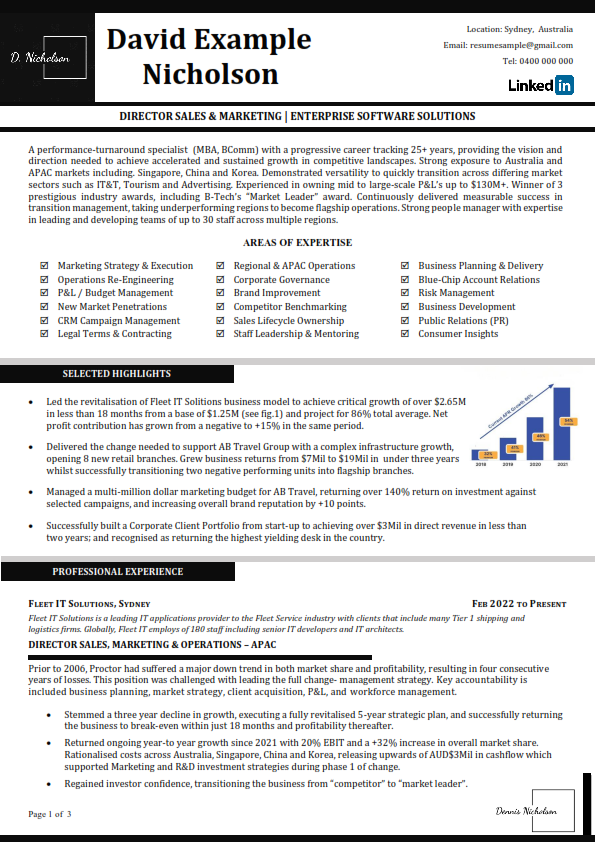
Lead with the skills the role needs, not with the senior titles you held. A resume that opens with three lines of management titles invites the overqualified label. A resume that opens with the exact skills in the job description invites a closer read.
Keep your most relevant roles detailed and your oldest roles brief. Early-career senior titles from a decade ago add less than recent, relevant work. Trim older roles to one line each, and give the space to the experience that matches this job.
Do not fabricate a lower title, remove jobs to fake a shorter history, or claim a demotion you did not have. Employers check backgrounds, and a discovered edit destroys trust. Shape the presentation, never the facts.
If a gap or a step down needs explaining, explain it in the cover letter with the honest reason.
What not to say
Some answers feel honest but raise new fears. Avoid them.
Do not say you will take the job until something better comes along. Even as a joke, it confirms the flight-risk worry. Every word should point toward staying.
Do not badmouth your last employer or your last role. A story that blames others for your move makes the manager wonder what you will say about them. Keep the reason about what you want, not about what you escaped.
Do not argue with the label. Acknowledge the concern, then answer it.
If you want a broader view of hiring risk, why companies rescind job offers and what to do when a job posting disappears after you applied cover the other ways a search can stall. Knowing the employer side of the process makes every interview answer sharper.
Frequently asked questions
Should I hide experience to avoid looking overqualified?
No. Shape the presentation by leading with relevant skills, but never invent titles, delete jobs, or fake a shorter history. Employers check backgrounds, and a discovered edit destroys trust.
Explain the move honestly instead.
What is the best answer to "Aren't you overqualified?"
Acknowledge the concern, give your specific reason for wanting this role, and name the value your experience adds. Then reassure them on tenure and pay. A short, concrete answer beats a defensive speech.
Will employers believe I plan to stay?
They believe a record more than a promise. Point to your longest tenures, name what kept you there, and describe what would keep you here. A history of staying is the strongest evidence you will stay again.
The bottom line
Overqualified is not a verdict on your worth. It is a set of employer worries: boredom, flight risk, salary pressure, and fit. Each worry has an answer, and the answer starts with an honest reason for wanting this exact role.
Lead with the why, reframe your experience as training saved and mentoring gained, reassure them on tenure and pay, and keep every answer tied to the employer needs. Some companies will still pass. The ones who listen will get a hire who arrives ready, stays steady, and lifts the team around them.
Tags: overqualified, job interviews, cover letters, career advice
Latest in Career
- What to Do When a Job Posting Disappears After You Applied
- Why Do Companies Rescind Job Offers and How Common Is It?
- How to Negotiate Remote Work in the Offer Stage
- What Is a Probation Period and What Are Your Rights in It?
Subscribe to the Rive News newsletter for one practical career guide each week.
Related stories

How to Ask for a Raise With Data, Not Emotions
Ask for a raise with market data and documented results, not emotions. Research your rate from BLS wage tables, build an evidence file, run

How to Explain a Career Gap on Your Resume Honestly
A career gap is not a red flag if you explain it honestly: give a reason, show what you did, and point forward. Recruiters reveal the exact

How to Switch Careers at 30 With No Experience in the Field
A career change at 30 means repackaging a decade of transferable skills, not starting over. Map your skills, earn one certification,