
How does a hiring freeze change the interview process
By Rive News / Research desk | Rive News / Published October 31, 2026 at 9:00 AM PKT
Key takeaways
- A hiring freeze pauses the req, not your candidacy: interviews stall, postings may vanish, and offers can be rescinded.
- It is a budget decision, not a verdict on your interviews, and exceptions get approved quietly for critical roles.
- The winning move is one polite check-in a month, contract-role flexibility, and applications everywhere else.

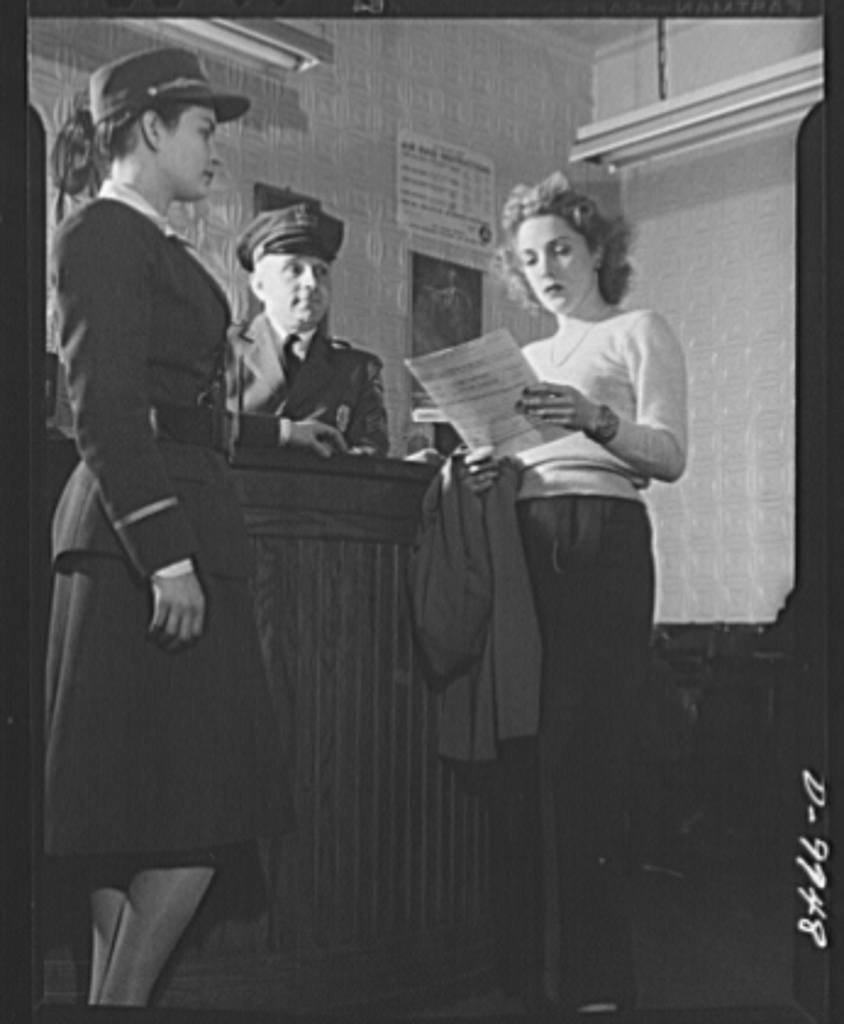
[Eunice Kimball being interviewed for a war plant job in the 1940s.] Photograph: Ann Rosener
Image Credits: Wikimedia Commons
Wikimedia Commons
A hiring freeze is a temporary decision by an organization to stop creating new positions, stop backfilling vacancies, or both. Companies use them to control costs, buy time during a restructuring, or wait out market uncertainty before committing to new headcount. If you are mid-interview when one lands, the process you knew changes shape overnight.
This article explains how a hiring freeze changes the interview process, including what actually gets paused, how each interview stage shifts, what to do while you wait, and how to tell when the freeze is lifting.
What a freeze actually pauses
A freeze pauses the req, the internal requisition that funds the role. It does not pause the whole company, and it does not automatically mean your candidacy is dead. Recruiters use phrases like "on hold," "paused," or "pending budget approval," which all mean the same thing: nobody is allowed to move the process forward until leadership releases headcount again.
Open job postings are typically pulled down first. Recruiters are told to stop sourcing. Interviews already in progress may be paused or canceled, according to the detailed hiring-freeze guide published by Frontline Source Group, a staffing firm that has recruited through several economic cycles.
One confusing detail: the req may still look alive in the applicant tracking system. HireFlow's guide to mid-process freezes notes that a frozen req can stay visible in Greenhouse or Workday, and your profile may still show as active, while nobody on the employer side is doing anything with it. An active-looking portal is not evidence of progress.
This is not the same as a rejection. If you were out, you would usually hear a clearer no or see the posting close. A freeze feels personal because you already invested time, but it is a logistics problem on the employer's side, not a judgment on your answers.
How each interview stage shifts
Phone screens usually stop first. Sourcing is the easiest cost to cut, so recruiters halt new outreach and pending screens get postponed indefinitely. If your recruiter goes quiet after an initial call, the freeze may have landed before you even noticed.
Panels and hiring-manager rounds get rescheduled into limbo. Teams cannot make offers, so there is little point running more rounds.
Strong finalists have sat for six weeks while finance reopens a quarter, according to HireFlow's mid-process guide. The candidates who eventually got offers kept other interviews warm and sent about one polite check-in per month.
Offer letters, including signed ones, are not safe. LegalClarity's analysis of who hiring freezes affect explains that in the US, most employment is at-will, so employers face little liability for pulling back an offer.
The site cites the January 2025 federal executive hiring freeze, which applied to civilian positions across the executive branch, as a large-scale example of offers and pipelines freezing at once. Anyone who resigned a previous job or turned down competing offers is the most exposed.
One important exception: freezes are rarely absolute. Frontline Source Group's recruiters report that business-critical roles still get approved, contract work continues, and unposted openings grow.
Exceptions are announced loudly while approvals happen quietly. If the role protects revenue, reduces cost, or keeps the business running, it may escape the freeze entirely.
Why companies freeze mid-process
Freezes usually come from the budget cycle, not from the talent team. Typical short freezes run one to three months, often a tactical pause while shifting budgets or awaiting quarterly results.
Medium-term freezes of three to nine months follow fiscal-year reprioritization or mergers. Long ones stretch past nine months in deep restructurings, per a widely cited Quora breakdown of freeze durations.
Mergers and reorganizations are common triggers. One anonymous HR account quoted in that breakdown describes a freeze where candidates were told no offers would be made until further notice, only for the company to later reorganize and change the job descriptions of the open roles. The freeze was really cover for restructuring.
A freeze can also be a layoff-avoidance tool. It cuts costs through attrition rather than terminations. But if the financial pressure does not ease, the same companies sometimes move to formal reductions, so a freeze is worth reading as an early signal about the company's health.
[A job applicant looking over a job application form.] Photograph: Ann Rosener
Image Credits: Wikimedia Commons
What to do as an applicant
Start by asking direct questions. Frontline Source Group advises asking the recruiter three things: is the role cancelled or on hold, is an exception being requested, and when does the team expect to revisit it. The answers tell you whether to wait or move on.
Thank the hiring manager and restate your interest in one short note. Graciousness is a strategy here.
HireFlow notes that candidates who went silent were often forgotten when the req reopened, because fresher applicants filled the ATS queue. One check-in a month keeps you visible without becoming a nuisance.
Offer flexibility. Ask whether a contract or contract-to-hire arrangement could work while permanent headcount is frozen. Contract-to-hire is one of the most common ways into a frozen company, since contract spend often sits in a different budget from headcount.
Keep your search moving. Submit applications to active reqs so one paused role cannot stall your whole pipeline.
Watch for the role reposting under a new req number, which happens when the job description changes during the freeze. In that case, reapply through the portal even if you already interviewed, because the ATS may not link your old profile.
Protect your downside. Do not resign a current job on the strength of an offer from a company in a known freeze, and read any job offer expiry deadline carefully so you know how long you have to decide. If you already left a job, review what happens to unused holiday when you resign and how stock options actually vest before you assume anything about your old package.
How to tell the freeze is lifting
Watch for concrete signals rather than vibes. The posting gets updated or reposted. The recruiter replies with an actual date instead of "soon.
" You are asked to redo references or background checks. Any of these means the req woke up, and you should reconfirm interest within forty-eight hours with a refreshed resume attached, per HireFlow.
Beware the zombie req. Some frozen roles never return.
The headcount gets deleted from the system, the recruiter leaves, and months later an automated rejection arrives. If the hiring manager and recruiter both go dark for more than two months, treat the role as gone and invest your energy elsewhere.
Also remember that even unfrozen hiring is slower. Budget approvals that used to take a week can take a month after a freeze, because every req now needs higher-level sign-off. A finance or legal review that once rubber-stamped offers may now scrutinize each one.
Is a hiring freeze the same as a layoff?
They differ. A freeze stops new hiring to control costs, while layoffs cut existing jobs. A freeze can be used to avoid layoffs, but it can also be a precursor to them if finances do not improve.
Should I keep interviewing at a frozen company?
Yes, but in parallel with active searches elsewhere. Stay in the pipeline with monthly check-ins, because the freeze will eventually end, but never pause your whole search for one role.
Can a signed job offer be withdrawn during a freeze?
Generally yes in at-will employment. An offer letter is not a binding contract in most US states, so employers face little legal liability for rescinding it. Always have a backup plan until your start date.
How long do hiring freezes usually last?
Short tactical freezes run one to three months. Restructuring and merger freezes often last three to nine months.
Deep downturns can extend past a year. The trigger and the budget cycle decide.
Does a freeze mean the company is failing?
Not necessarily. Many healthy companies freeze hiring around budget cycles, mergers, or strategy shifts. But repeated or lengthening freezes can signal deeper trouble, so watch for layoffs and leadership exits as confirming signs.
The bottom line
A hiring freeze changes the interview process by freezing the req behind it: postings come down, rounds stall, offers can vanish, and the ATS keeps looking busy while nothing moves. None of that is a verdict on your candidacy. Ask whether the role is on hold or cancelled, stay visible with a monthly check-in, offer contract flexibility, and keep applying elsewhere.
The companies that freeze almost always hire again. The candidates who win are the ones still in the room when they do.
Tags: hiring freeze, interview process, job search, recruitment, job offers
Rive News's research desk covers careers and how hiring really works.
Related
- Job offer expiry deadlines, explained
- What happens to unused holiday when you resign
- How employee stock options actually vest
- Do some jobs still ask for cover letters
Subscribe to the Rive News newsletter for one clear explainer every morning.
Rive News publishes research-backed explainers. Corrections: reply to any article and we will review it.
Related stories

How to Ask for a Raise With Data, Not Emotions
Ask for a raise with market data and documented results, not emotions. Research your rate from BLS wage tables, build an evidence file, run

How to Explain a Career Gap on Your Resume Honestly
A career gap is not a red flag if you explain it honestly: give a reason, show what you did, and point forward. Recruiters reveal the exact

How to Switch Careers at 30 With No Experience in the Field
A career change at 30 means repackaging a decade of transferable skills, not starting over. Map your skills, earn one certification,