
UK minimum wage rises to £13.20 in Budget: younger workers get less
Web StoryWatch this story in 15 seconds →Key takeaways
- The UK minimum wage rises by 3.9% in the Budget, for about 2.3 million low paid workers.
- Workers aged 21 and over move to £13.20 an hour, up from £12.71 an hour now.
- Workers aged 18 to 20 move to £11.27 an hour, so a £1.93 gap stays in place.
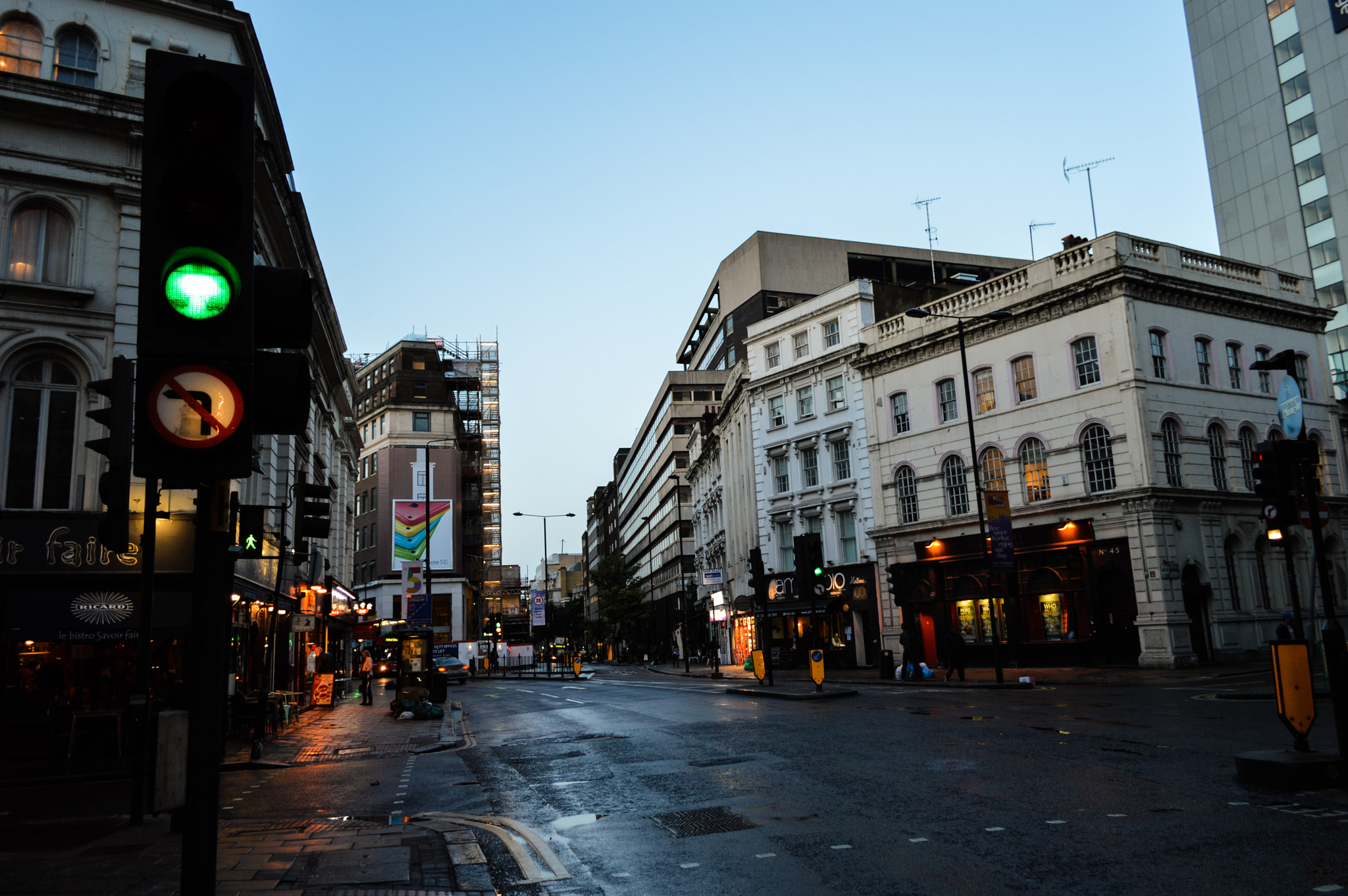
Chancellor John Healey confirmed a rise in the UK minimum wage on October 28, 2026. He announced it in his first Budget as Chancellor. The rise is 3.9% for the lowest paid workers.
It will help about 2.3 million workers, according to Healey.
What happened
Healey told MPs that both main rates will rise by 3.9%. The National Living Wage covers workers aged 21 and over. It will rise from £12.71 an hour to £13.20 an hour.
The National Minimum Wage covers workers aged 18 to 20. It will rise from £10.85 an hour to £11.27 an hour.
The new rates will start in April 2027. That is the normal time for a yearly rise. Rates rise each April, and the exact amounts are usually set in the Autumn Budget.
This Budget followed that same pattern.
The rise was first reported by The Times on October 26, 2026. The BBC then reported the same figures. The Treasury declined to comment on the reports before the Budget.
Healey confirmed the figures when he spoke in the Commons.
Healey said: "For 2.3 million of our lowest paid workers, I am increasing both the National Minimum Wage and the National Living Wage by 3.9%." The Sun reported that quote from his Budget speech. The Times summary of the Budget gave the same two new rates.
Why the younger rate matters
The younger rate is the main talking point this year. It rose by the same percent as the adult rate. That sounds equal at first glance.
But it is a change of pace for younger workers.
Since Labour returned to power in 2024, the younger rate rose by about 26% in total. That was much faster than the adult rate. The fast rises were meant to close the gap between age groups.
This year, the gap does not close at all.
After the rise, a worker aged 20 on the minimum rate will earn £1.93 less per hour. The comparison is with a worker aged 21. They could do the same job on the same shift. The law still allows a different rate by age.
That is why the story drew so much search interest this week.
Labour promised in its 2024 manifesto to remove what it called discriminatory age bands. The goal was one minimum wage for all adults. Business Secretary Jonathan Reynolds said the promise still stands.
He told the BBC the change will take time.
Reynolds said: "The manifesto pledge on equalisation still applies but we were always clear it could happen over time." He added: "Of course, you want not just good wages but good work."
His point was simple. Pay must rise, but jobs must stay open too.
The Low Pay Commission advises the government on these rates. It is an independent body. It weighs pay, prices, and jobs when it gives advice.
In April 2026, it said the adult rate would need to reach about £13.18 in 2027. That figure would keep it at two thirds of typical hourly pay. The confirmed £13.20 rate sits inside its range of £13.02 to £13.34.
In March 2026, the government changed the commission's brief. It gave the commission more room to weigh job market conditions. That change applied most to the rate for 18 to 20 year olds.
The commission was asked to put younger workers' job prospects first. That helps explain the slower pace this year.
Who gains, and who pays
About 2.3 million workers will gain from the rise. Many work in shops, cafes, hotels, and care homes.
About a third of jobs at or below the minimum wage are in retail and hospitality. That estimate comes from the Low Pay Commission.
Those two sectors feel each rise most.
A worker aged 21 or over on a 37.5 hour week will earn about £25,740 a year before tax at the new rate. A worker aged 18 to 20 on the same hours will earn about £21,977 a year before tax. The yearly gap is about £3,764.
Employers can pay more than the legal floor. They are not forced to pay the lowest legal rate.
Workers can use the rise when they talk about pay. If a job ad hides the salary, the legal floor still sets a base. Our guide to job adverts that say competitive salary instead of a number explains what that phrase often hides.
Pay fights can disrupt whole sectors. Our report on the Qantas ground staff strike shows how a pay dispute hit five airports in one day.
Employers raised concerns about costs. They said higher wage bills plus higher National Insurance costs make hiring harder. The Sun reported that view from business groups.
UKHospitality, a campaign group for hotels and restaurants, said one in 25 hospitality jobs has been lost since the last Budget. That claim comes from the group itself. It is not an official jobs figure.
Unions criticised the age gap. Unison is a large public services union. Its general secretary is Andrea Egan.
She said younger staff face the same living costs as older staff. She pointed to care workers, teaching assistants, and security guards aged 20. She said they do the same work as older colleagues.
Her case is that equal work should mean equal minimum pay.
What happens next
The new rates start in April 2027. Employers must pay at least the legal rate by law. Workers should check their April pay slips.
The hourly rate on the slip should match the new floor for their age group. If it does not, workers can raise it with their employer first.
The debate over age bands will continue. Reynolds said equal rates remain the goal. He did not give a date for one single adult rate.
The Low Pay Commission will give fresh advice next year. Its advice will weigh pay growth and job prospects again.
There is also a separate voluntary rate to watch. The Real Living Wage is set by the Living Wage Foundation. It is not law.
Employers choose to sign up to it. Its rates are £14.10 an hour across the UK and £15.45 in London. Firms signed up to it have until May 1, 2027 to pay the new rates.
That rate sits well above the legal floor.
For now, the key facts are clear. The legal floor rises by 3.9% in April 2027. Adults aged 21 and over get £13.20 an hour.
Workers aged 18 to 20 get £11.27 an hour. The £1.93 gap stays, and the fight over equal pay for young adults moves to next year.
Related stories
How to Ask for a Raise With Data, Not Emotions
Ask for a raise with market data and documented results, not emotions. Research your rate from BLS wage tables, build an evidence file, run

How to Explain a Career Gap on Your Resume Honestly
A career gap is not a red flag if you explain it honestly: give a reason, show what you did, and point forward. Recruiters reveal the exact

How to Switch Careers at 30 With No Experience in the Field
A career change at 30 means repackaging a decade of transferable skills, not starting over. Map your skills, earn one certification,