
What Should You Wear to a Job Interview in 2026?
Key takeaways
- Dress one level more polished than the company's everyday dress code, not three levels above it.
- Finance, law, and consulting still expect a dark suit, while tech and startups expect business casual or smart casual.
- Fit, cleanliness, and grooming matter more than price or brand.
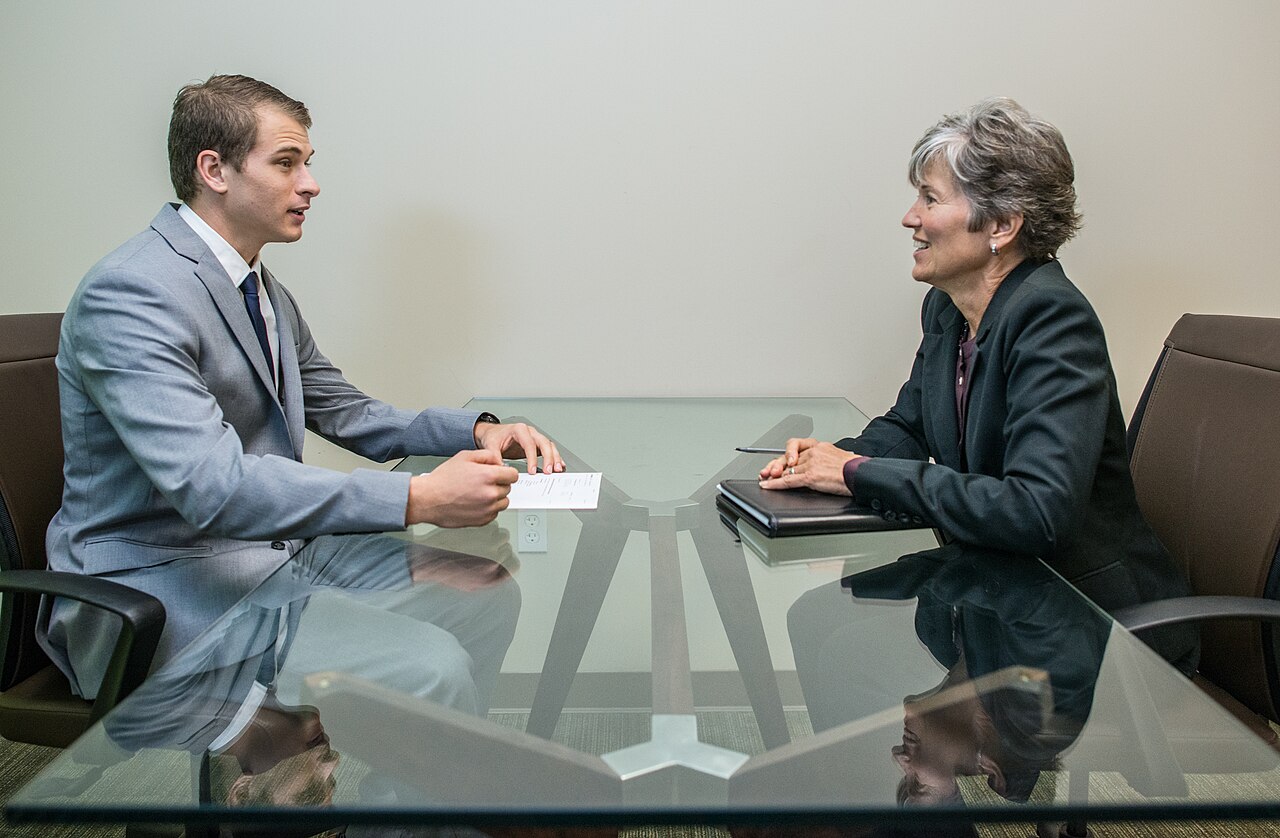
The one rule for 2026
The old rule was simple: wear a suit to every interview. That rule is dead.
The 2026 rule is: match the company's everyday dress code, then step it up one level. Getting this wrong in either direction sends a signal.
Overdressed at a casual startup suggests you did not research the culture. Underdressed at a consulting firm suggests the same thing.
Final Round AI puts it bluntly. What you wear affects how you are perceived in the first 30 seconds, before you have said a single word.
The goal is not to look expensive. The goal is to look like you already belong, and like you take the opportunity seriously.
This article covers what you should wear to a job interview in 2026, including the one-level rule, outfits by industry, video interviews, grooming, common mistakes, and what to do when a good outfit is out of reach.
The one-level rule, in practice
Think of dress codes as a ladder with four rungs: business formal, business casual, smart casual, and casual.
Find the rung the company's employees stand on day to day. Then dress one rung above it for the interview.
If the office is business casual, arrive in elevated business casual. If the office is casual, arrive in crisp, structured smart casual.
A common mistake is to mirror the workplace too literally. If the team wears jeans, that does not mean your interview should. The interview is still a professional evaluation, and the interviewer expects you to treat it that way.
When in doubt, lean slightly more formal. You can remove a blazer in an unexpectedly casual room. You cannot put on a suit jacket you did not bring.
If the dress code is still unclear after your research, ask the recruiter directly. Final Round AI suggests calling the day before and asking: "Is there a dress code I should be aware of for tomorrow's interview?
" That question signals professionalism, not uncertainty. Recruiters appreciate it.
Outfits by industry
Finance, law, and consulting: business formal
Finance interviews remain among the most formal in 2026. Business formal is the floor, not the ceiling.
For men, that means a dark navy or charcoal suit, a white or light blue dress shirt, a conservative tie, polished leather dress shoes, and dark socks matching the trousers. For women, a dark suit with trousers or a pencil skirt, a conservative blouse in white, cream, or a muted color, closed-toe heels or flats, and minimal jewelry.
ResumeWay names the same safe choice. A navy or charcoal suit remains the safest choice for law, finance, executive, and other traditionally formal roles. Black suits can read as too formal outside of formal events, while brown suits are not standard in professional interview settings.
Consulting firms continue to expect business formal for first-round and case interview days. The case interview involves presenting to senior people who will put you in front of clients. Your outfit is partly a test of whether you understand that the client relationship is the product.
Tech: business casual
Big tech interviews are business casual. Full suits are rare and can read as out of touch at companies where even senior employees wear jeans.
For men, the tech standard is a blazer or neat button-down shirt, chinos or dark trousers, and clean leather shoes or premium sneakers. For women, a blouse with trousers or a knee-length dress, a structured cardigan or blazer, flats or low heels, and minimal accessories.
One exception is worth noting. A full suit to a Google interview is over-formal and can read as though you did not research the company culture, according to Final Round AI.
Business casual, such as a blazer with chinos or neat trousers, is appropriate. The exception is a senior leadership role where you may meet executives from more formal corporate backgrounds.
Amazon interviews lean slightly more formal than Google because of headquarters culture. Microsoft and Apple fall roughly in the middle. When a company straddles two levels, the one-level rule still applies: dress one step above what you see in team photos.
Startups and creative companies: smart casual
Startup culture varies dramatically. A Series A fintech startup and a consumer app company with 20 employees have different expectations. The baseline rule is to wear clean, well-fitted clothes that you clearly chose intentionally.
A clean, premium t-shirt under a structured blazer reads as intentionally smart casual at most startups. A faded promotional shirt from a 10K run does not. Dark, well-fitting jeans without distressing can work at very casual startups, but they are wrong for finance, consulting, healthcare administration, or any corporate environment.
Do your research before the interview by looking at the company's team photos and social media. If the founders are photographed in hoodies, smart casual is appropriate. If they are photographed in blazers, step up.
Retail, hospitality, and skilled trades
Retail and hospitality interviews call for a polished version of workplace attire. Choose clothing appropriate for customer contact, since that is the job.
Skilled-trade interviews are different again. Clean, job-relevant clothing beats office formalwear.
Clean boots and a collared shirt show awareness of the job environment, while a formal suit would show poor awareness of it. Never arrive in dirty workwear, but do not wear a suit to a site interview either.
Healthcare
Healthcare interviews, particularly for administrative and management roles, tend toward business professional. Scrubs are appropriate only if you are interviewing for a clinical position and are specifically told they are expected.
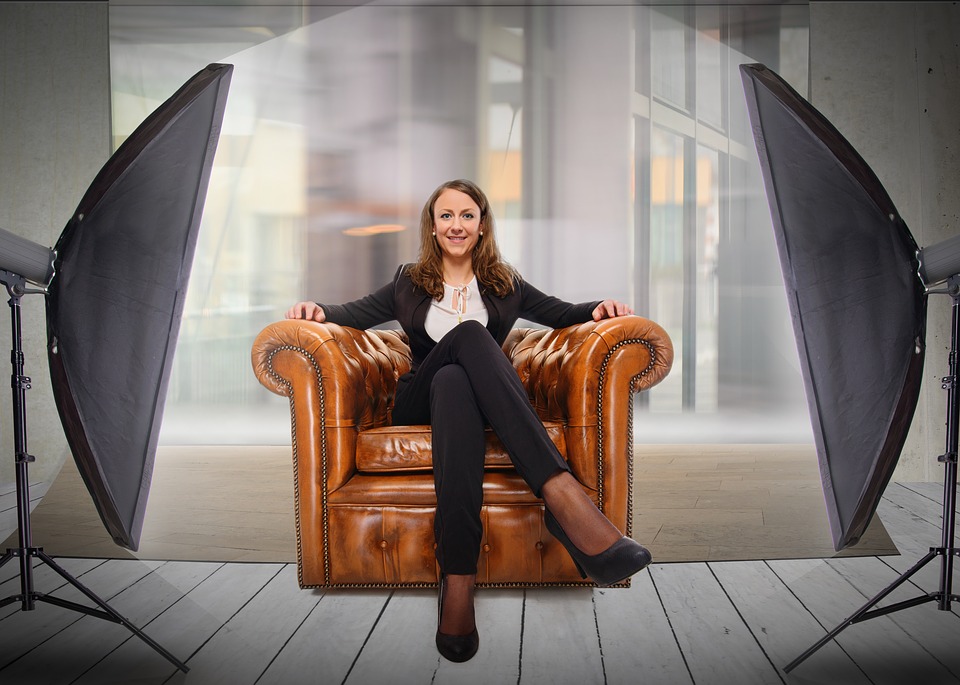
Video interviews
Video interviews have their own considerations. Your background, lighting, and the upper half of your outfit matter more than your shoes.
The same industry standards apply for video interviews as for in-person ones. Wear what you would wear to the office, even if you are sitting in your home office. Dressing professionally for a video interview signals the same deliberateness as dressing for an in-person meeting.
Patterns that look fine in person can strobe or vibrate on camera, particularly narrow stripes and busy checks. Solid colors photograph more cleanly than patterns.
ResumeWay adds that solid medium or neutral colors generally reproduce more cleanly on camera than small patterns or very bright shades. Test the complete outfit with the actual camera and lighting before the interview.
Set up front-facing light, a tidy background, and a camera at eye level. Those three details do more for your video presence than any single garment.
The default outfit when you have no clue
If you cannot pin down the dress code, wear polished business casual and give yourself the option to level up in seconds.
The formula is simple: a neutral top, a structured layer, tailored bottoms, closed-toe shoes, and one simple bag. A button-down shirt or blouse, a blazer, trousers or a knee-length skirt, clean minimal shoes, and a tote or brief in a neutral color cover almost every interview.
This approach is low risk. Almost nobody will think you are underdressed, and if you walk in and everyone is in hoodies, you can remove the blazer and still look normal.
Grooming and the details interviewers notice
Grooming follows the same rule as outfit choice: be deliberate and be clean. Neat hair, regardless of length or style. Trimmed nails.
Your bag sends as much of a message as your outfit. A battered backpack in a consulting interview, or a formal briefcase at a gaming company, both create a mismatch signal.
Common mistakes to avoid
Across every industry, certain elements consistently create negative first impressions. Visible stains or wrinkles, regardless of how casual the company is.
Strong perfume or cologne. Visible logos other than subtle, recognized brands.
Excessive jewelry that makes noise or distracts during movement. Anything that requires constant adjustment during the interview.
If the interview goes badly, the outfit is rarely the reason. But an outfit that distracts the interviewer can quietly cost you a fair hearing, which is why the details matter.
What if a good outfit is out of reach?
Clean, well-fitting, and role-appropriate clothing matters more than price or brand. ResumeWay notes that thrift stores, career closets, and community clothing programs can provide low-cost interview options.
Start with the pieces that carry the most weight: one blazer, one pair of tailored trousers, one clean shirt or blouse, and clean shoes. Those four pieces, in navy, charcoal, or black, cover most interviews when mixed with what you already own.

Frequently asked questions
Is it better to overdress or underdress for an interview?
Dressing slightly more formally is generally safer when the employer's expectations are unclear. A large mismatch can still feel out of place, so check company photos or ask the recruiter first.
Can I wear jeans to a job interview?
Only if the company culture explicitly endorses casual attire and your research confirms it. Dark-wash, well-fitted jeans without distressing or visible wear can work at very casual startups. When in doubt, wear chinos or trousers instead and use the jeans once you have the offer.
Can I wear sneakers to a job interview?
Clean, minimal sneakers can work for casual startups, creative employers, and some retail roles. Dress shoes, loafers, or polished flats remain safer for corporate, client-facing, and senior positions.
What should I wear when the recruiter says the dress code is casual?
Choose a polished version of casual rather than copying an employee's everyday outfit exactly. Dark trousers or jeans with a collared shirt, blouse, structured knit, or blazer usually provide the right balance.
The bottom line
In 2026, the right interview outfit is not the most formal one. It is the one that sits one level above the company's everyday dress code, fits well, and lets the interviewer focus on your answers.
Research the company, ask the recruiter when the code is unclear, lay the outfit out the night before, and test it under natural light. Then stop thinking about clothes and focus on the conversation. That is what the outfit is for.
If you are also thinking about the longer game, learning a new skill is the next lever after the interview. Our guide on learning a new skill for promotion while working full time covers how to keep growing once you are in the door.
Tags: job interview, interview outfit, dress code, career
Latest in Career
- How to deal with a difficult boss without quitting
- How to survive your first week in a new job
- How to ask for flexible working without sounding lazy
- How to quit your job gracefully and keep the door open
Subscribe for one useful explainer in your inbox each week.
Related stories

How to Ask for a Raise With Data, Not Emotions
Ask for a raise with market data and documented results, not emotions. Research your rate from BLS wage tables, build an evidence file, run

How to Explain a Career Gap on Your Resume Honestly
A career gap is not a red flag if you explain it honestly: give a reason, show what you did, and point forward. Recruiters reveal the exact

How to Switch Careers at 30 With No Experience in the Field
A career change at 30 means repackaging a decade of transferable skills, not starting over. Map your skills, earn one certification,