
Bank of America fine hits $1.2 billion over money laundering failures
Web StoryWatch this story in 15 seconds →Key takeaways
- The US Treasury fined Bank of America more than $1.21 billion on October 13, 2026.
- The bank failed to report over $5 billion in suspicious activity to the government.
- The bank must hire an outside reviewer and fix its crime checks.
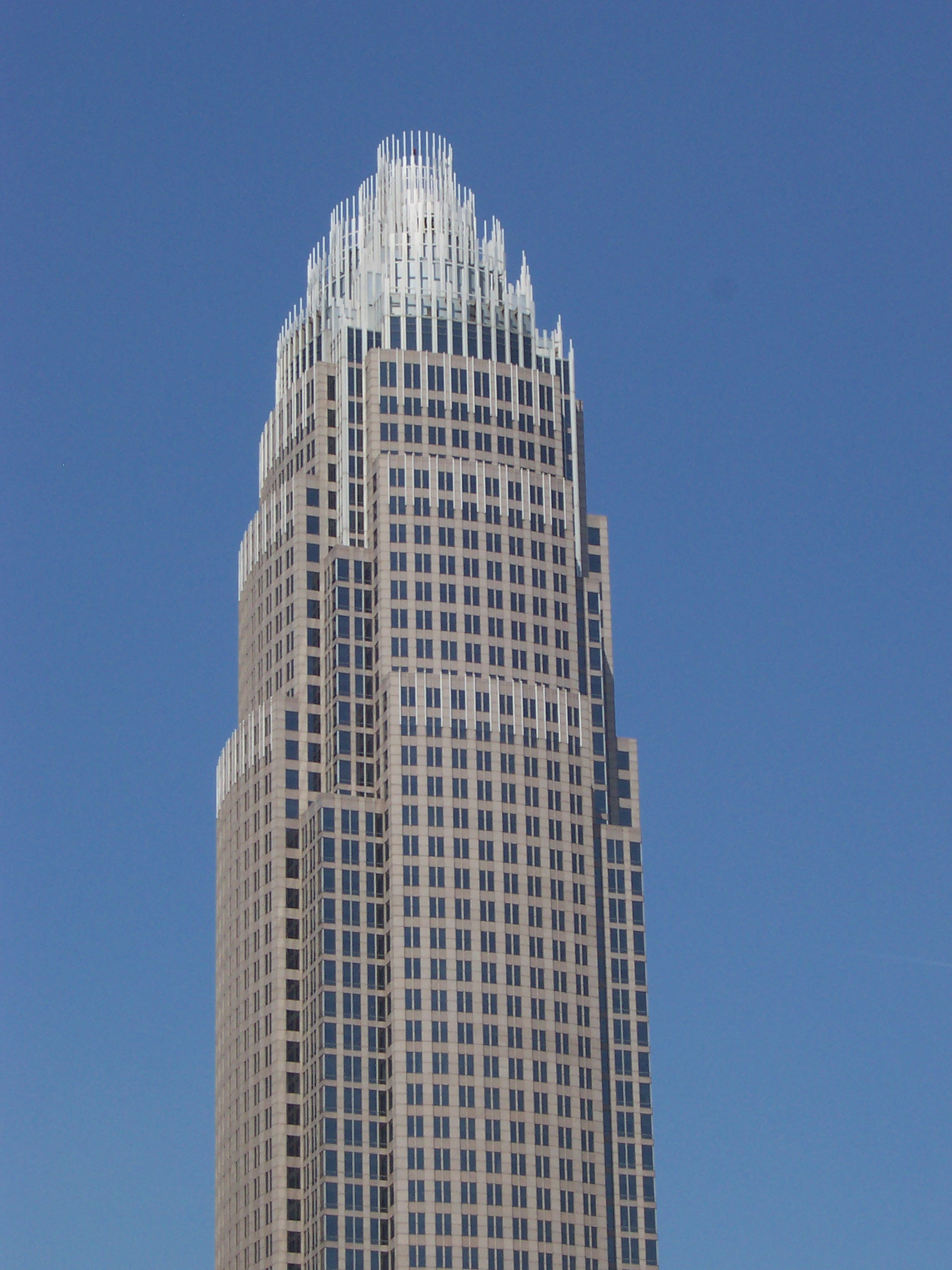
The US government fined Bank of America more than $1.21 billion. It said the bank failed to stop and report dirty money. The fine came on October 13, 2026.
Money laundering means hiding dirty money. Criminals move illegal cash through banks. They try to make it look clean and legal.
A penalty is a fine. The government charges money as a punishment. This fine is the third largest in Treasury history.
What happened
The US Treasury announced the fine on October 13, 2026. Bank of America is the second largest bank in the country. The Treasury said the bank broke anti-money laundering rules.
Anti-money laundering rules tell banks to watch for dirty money. Banks must spot strange money flows. They must report them to the government.
Suspicious activity means money moves that look wrong. A sudden flood of cash can be a warning sign. So can money tied to a known crime group.
The Treasury said the bank failed to report over $5 billion in such activity. More than $1 billion of it posed risks to national security. National security means the safety of the whole country.
Some of the activity pointed to Chinese money laundering networks. A network is a group that works together. Other cases involved fraud and trade at the southwest border.
Fraud means cheating people for money.
The Treasury said the bank put its own revenue first. Revenue is the money a business earns. The bank built weak crime checks.
It waited for tips from police and other banks. It did not rely on its own controls.
The conduct ran from 2018 through 2025, according to the Treasury. A consent order sets out the terms. A consent order is a deal that avoids a court fight.
The largest part of the fine came from one regulator. The Office of the Comptroller of the Currency charged $750 million. This office watches over big national banks.
It was the largest fine in that office's history. The office said the bank's crime checks were weak and did not work. Its system for spotting strange payments caused long delays.
The bank filed reports late.
The Office of Foreign Assets Control charged $11.6 million. This office enforces sanctions. Sanctions are bans on money and trade with set targets.
The targets can be countries, people, or groups. The bank broke sanctions rules 475 times, according to the Treasury. It moved more than $14 million in banned payments.
Some went to people and banks tied to Russia, Belarus, and Iran.
The bank admitted it broke anti-money laundering law on purpose. The word for this is willfully. Willfully means the bank knew what it was doing.
The deal forces the bank to hire an outside reviewer. This reviewer is independent. Independent means it does not work for the bank.
The reviewer will check old payments. It will find missed suspicious activity. It will report those payments to FinCEN.
FinCEN is the Financial Crimes Enforcement Network. It is part of the Treasury. It tracks dirty money across the country.
The bank said it has spent billions on crime checks. It said thousands of workers fight financial crime. It said its team is far along in fixing the problems.
It promised to finish the work.
Why it matters
Banks sit on the front lines against dirty money. Every day they see huge money flows. If they miss the warning signs, criminals win.
When a bank this large fails, the risk grows. Dirty money can reach the whole financial system. The financial system is the network of banks and markets.
It moves money for the whole country.
Treasury Secretary Scott Bessent said the action sends a clear message. He said that even the biggest banks are not above the law. Above the law means free from punishment.
No bank is free from punishment.
The fine also fits a wider crackdown. Days earlier, American Express faced a $350 million penalty. Its case involved similar crime check failures.
Regulators are now pressing banks hard.
Banks earn money in many ways. Learn how banks make money from free checking accounts. But earning money does not excuse weak crime checks.
The Treasury said Bank of America put revenue first. That choice hurt its crime checks.
Banks compete hard for new customers. They offer cash bonuses to win new customers. But growth cannot come before crime checks.
Rules come first.
A bank fine is not the same as a bank failure. Read what happens when a bank fails and how the FDIC works. This case was about weak checks.
It was not about a bank collapse.
What happens next
The bank must fix its crime checks. The outside reviewer will look back at old payments. It will report what the bank missed.
FinCEN will get those reports.
The bank will also feel the fine in its earnings. Earnings are the profits a company reports. The bank said its third quarter results will include the $1.2 billion charge.
A charge is a cost that cuts profit. The fine will cut profit by about 17 cents per share. A share is a small piece of ownership in a company.
The bank reports its full third quarter results on Wednesday. Investors will watch the numbers. They will also watch for news on fixes.
Other banks will watch too. The Treasury has shown it will act. Big banks must now check their own crime programs.
Weak checks can bring a huge fine.
The two cases show regulators are active. The American Express case came first. The Bank of America case is larger.
Both cases press the same point. Banks must catch dirty money early.
For now, the fine is a warning and a bill. The bank must pay. It must also fix its systems.
The next test is what the outside reviewer finds.
This article is for information only and is not medical/financial advice.
Related stories

How your APR is divided by 365 to get daily interest
Lenders divide your APR by 365 for a daily rate, then apply it to your average daily balance. This guide walks through every step

What is the difference between APR and effective annual rate?
APR ignores compounding inside the year; the effective annual rate includes it. A 12.99% APR card really costs 13.80% a year. Worked

APY vs interest rate: what compounding does to your money
APY includes compounding; the interest rate does not. A 5% rate compounded monthly is really 5.12% APY. Here is how the math works and what