
Why Do Credit Card Minimum Payments Barely Reduce the Balance?
Key takeaways
- Most of each minimum payment covers that month's interest, so only a small slice reduces the balance itself.
- On $5,000 at 24.99% APR, minimum payments take 236 months and cost about $9,278 in interest.
- Paying a fixed amount instead of the shrinking minimum can cut the payoff from decades to a few years.
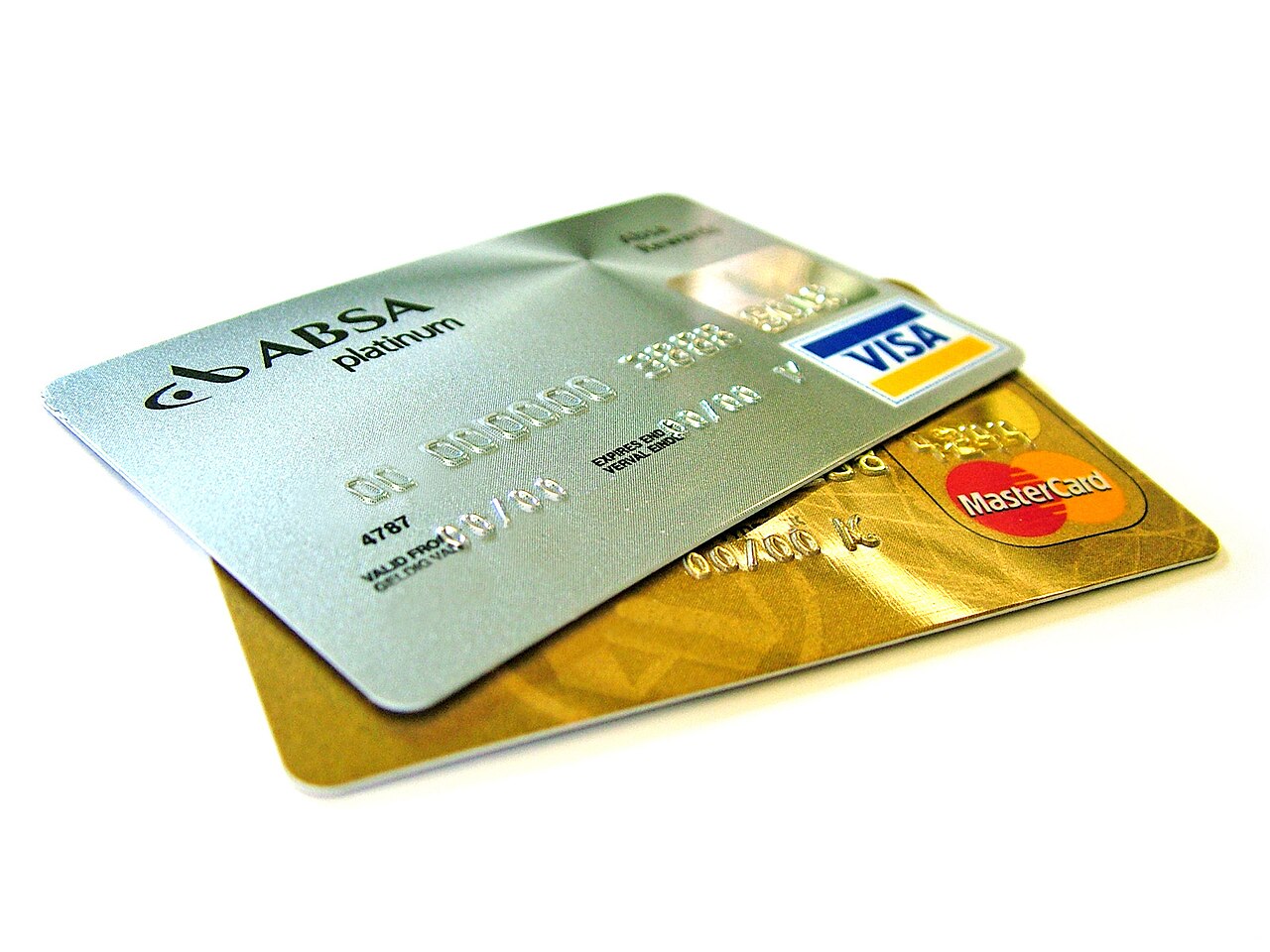
Minimum payments are calculated to keep the account current, not to clear the debt quickly.
You pay your credit card every single month. The bill arrives, you send the minimum, and the balance barely moves. It feels like bailing out a boat with a teaspoon, and that is almost exactly what is happening.
The minimum payment is not designed to get you out of debt. It is designed to keep the account in good standing while the lender collects interest for as long as possible.
Why do credit card minimum payments barely reduce the balance? Two mechanics combine against you: most of each payment is eaten by that month's interest, and the minimum itself shrinks as the balance falls. This article walks through the math with real numbers, shows how long minimums actually take, and explains the fixed-payment alternative.
Most of your minimum is interest, not debt reduction
Every month, your card charges interest on the outstanding balance, then asks for a minimum payment. The payment covers the interest first. Whatever is left over reduces the balance.
On a typical card, "whatever is left over" is shockingly small.
Take the example Money Crashers works through: a $5,000 balance at 24% APR. The first month's interest comes to about $100. A common minimum formula, 1% of the balance plus the month's interest, produces a $150 payment. Subtract the $100 of interest and only $50 goes toward the balance.
Cambridge Credit Counseling shows the same pattern on a smaller balance. On $1,000 at 18% APR with a 2% minimum, the payment is $20. Monthly interest at 18% APR is 1.5%, which is $15 on the balance. That leaves only $5 of the $20 actually paying down the debt.
Three quarters of the payment vanished into interest.
This is why the balance seems frozen. In the early months, the interest charge is at its largest because the balance is at its largest, so the slice available for principal is at its smallest. You are paying mostly for the privilege of still owing the money.
The shrinking minimum stretches the payoff for years
The second mechanic is subtler and more damaging. The minimum is usually a percentage of the balance, so it shrinks as you pay. Money Crashers notes that large issuers typically set minimums around 1% of the balance plus interest and fees, with a dollar floor near $25 to $40. Because the payment is a share of what you owe, every month's payment is a little smaller than the last.
A smaller payment means a smaller principal slice, which means slower progress, which means more months of interest. The debt enters a long, flat tail where you pay for years while the balance creeps down by dollars.
The numbers are stark. CalculatePilot calculates that on $5,000 at 24.99% APR, paying 1% of the balance plus interest each month takes 236 months, which is 19 years and 8 months, and costs about $9,278 in interest on top of the original $5,000. Money Saving Expert runs the UK version: £3,000 at 21.9% with a 1%-plus-interest minimum takes 28 years and costs almost £4,790 in interest. Cambridge Credit's $1,000 example at 18% takes about 151 months, over 12 years, turning a $1,000 purchase into $2,396 total.
These examples all assume you never add another charge to the card. Any new spending resets the clock.
Your statement already warns you about this
If these timelines sound unbelievable, check your own statement. Card statements in the US are required to carry a minimum payment warning box. It shows two numbers side by side: how long it would take to pay off your current balance making only minimum payments, and what fixed monthly payment would clear the same balance in 36 months, CalculatePilot notes.
That warning exists because the math is genuinely hard to intuit. Nobody paying $150 a month guesses they are signing up for nearly two decades. The box is the lender being forced to show you the teaspoon.
The warning also reveals the way out. The 36-month fixed payment on that $5,000 balance is far larger than the minimum, but it is fixed, which changes everything.
The fixed-payment alternative
Here is the move that breaks the trap: pay a fixed amount every month instead of the shrinking minimum. Pick an amount at least as large as this month's minimum and hold it steady.
Money Crashers runs the comparison on the same $5,000 card. Pay a fixed $150, equal to the first month's minimum. In month one, $50 goes to the balance, the same as before.
But as the balance falls, the interest charge falls too, while your payment stays $150. More of each payment reaches the principal every month. The card clears in under five years with about $3,300 in interest, versus more than 15 years and over $8,000 in interest on the minimum alone.
Cambridge Credit shows the dramatic version: that $1,000 balance at 18% APR, paid at a fixed $100 per month, clears in 11 months with $91.62 in interest, versus 151 months and $1,396 in interest on the minimum.
The principle is simple. The minimum is designed to shrink; your payment should not. Even an extra $50 above the minimum can cut years off the payoff, because every dollar above the interest charge attacks the principal directly.
Before you redirect money, though, make sure your safety net is in order: see how people size an emergency fund so a surprise bill does not land back on the card.
Two practical steps make this work. First, find your card's exact minimum formula in the cardholder agreement or the statement, and subtract the interest and fees from the minimum due. The remainder is all that payment takes off the balance.
Second, set the fixed payment as an automatic payment so you never drift back to the minimum in a tight month. And keep an eye on the other side of the ledger: carrying high balances also drags on your credit score, which is calculated partly from how much of your limit you use.
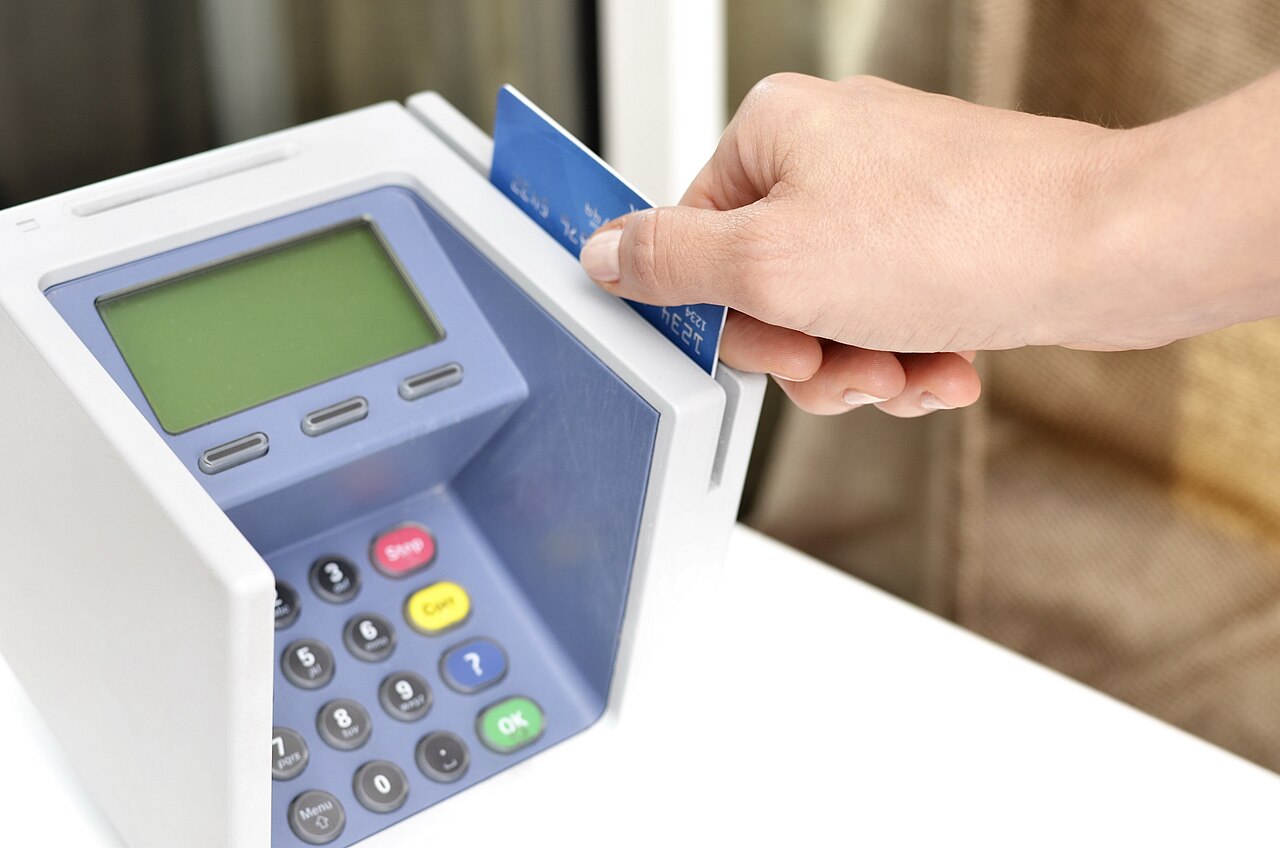
Every new charge on the card restarts the minimum-payment clock, so pausing spending matters as much as raising the payment.
Frequently asked questions
How is the minimum payment calculated?
Most large issuers use a formula like 1% of the new balance plus the month's interest and fees, with a floor of $25 to $40. Some cards, often from credit unions, use a flat percentage of the balance such as 2%. Your statement and cardholder agreement list the exact rule.
Why does my minimum payment keep getting smaller?
Because it is a percentage of the balance. As the balance drops, the percentage yields a smaller dollar amount. That shrinking payment is the core of the trap: less money reaches the principal each month.
Is it bad to only pay the minimum?
It keeps the account current and avoids late fees, but it is the most expensive way to carry a balance. You pay the maximum possible interest over the maximum possible time. Paying a fixed amount above the minimum is almost always cheaper.
How much extra should I pay to make a real difference?
Any amount above the minimum goes straight to principal. Even $50 extra per month can shave years off a mid-size balance. The key is fixing the payment so it does not shrink with the balance.
The bottom line
Credit card minimum payments barely reduce the balance because the payment covers that month's interest first, leaving only a sliver for principal, and because the minimum shrinks as the balance falls, stretching the payoff across years or decades. On a $5,000 balance at 24.99% APR, minimums take nearly 20 years and add about $9,278 in interest. The fix is unglamorous but powerful: stop new charges, pay a fixed amount instead of the minimum, and automate it.
Your statement's minimum-payment warning box shows your personal numbers; read it once and you will never look at the minimum the same way again. If growing your income is part of the plan, our guide on asking for a raise with data can help with that conversation too.
This article is for educational purposes only and is not financial advice. Consider speaking with a qualified financial counselor about your situation.
Image Credits: Wikimedia Commons / Lotus Head, Hloom Templates
Latest in Personal Finance
- How People Size an Emergency Fund
- How a Credit Score Gets Calculated
- Ask for a Raise with Data on Market Rate
Subscribe for plain-English money explainers that show the real math.
Related stories

How your APR is divided by 365 to get daily interest
Lenders divide your APR by 365 for a daily rate, then apply it to your average daily balance. This guide walks through every step

What is the difference between APR and effective annual rate?
APR ignores compounding inside the year; the effective annual rate includes it. A 12.99% APR card really costs 13.80% a year. Worked

APY vs interest rate: what compounding does to your money
APY includes compounding; the interest rate does not. A 5% rate compounded monthly is really 5.12% APY. Here is how the math works and what