
Hard and Soft Credit Inquiries: Differences That Affect Your Score
By Rive News
Research desk | Rive News
Key takeaways
- A hard inquiry happens when you apply for new credit. It needs your permission and can lower your FICO score by a few points.
- A soft inquiry happens when you check your own credit or a company pre-screens you. It never affects your score.
- Mortgage, auto, and student-loan pulls inside a short shopping window count as a single inquiry under FICO scoring.
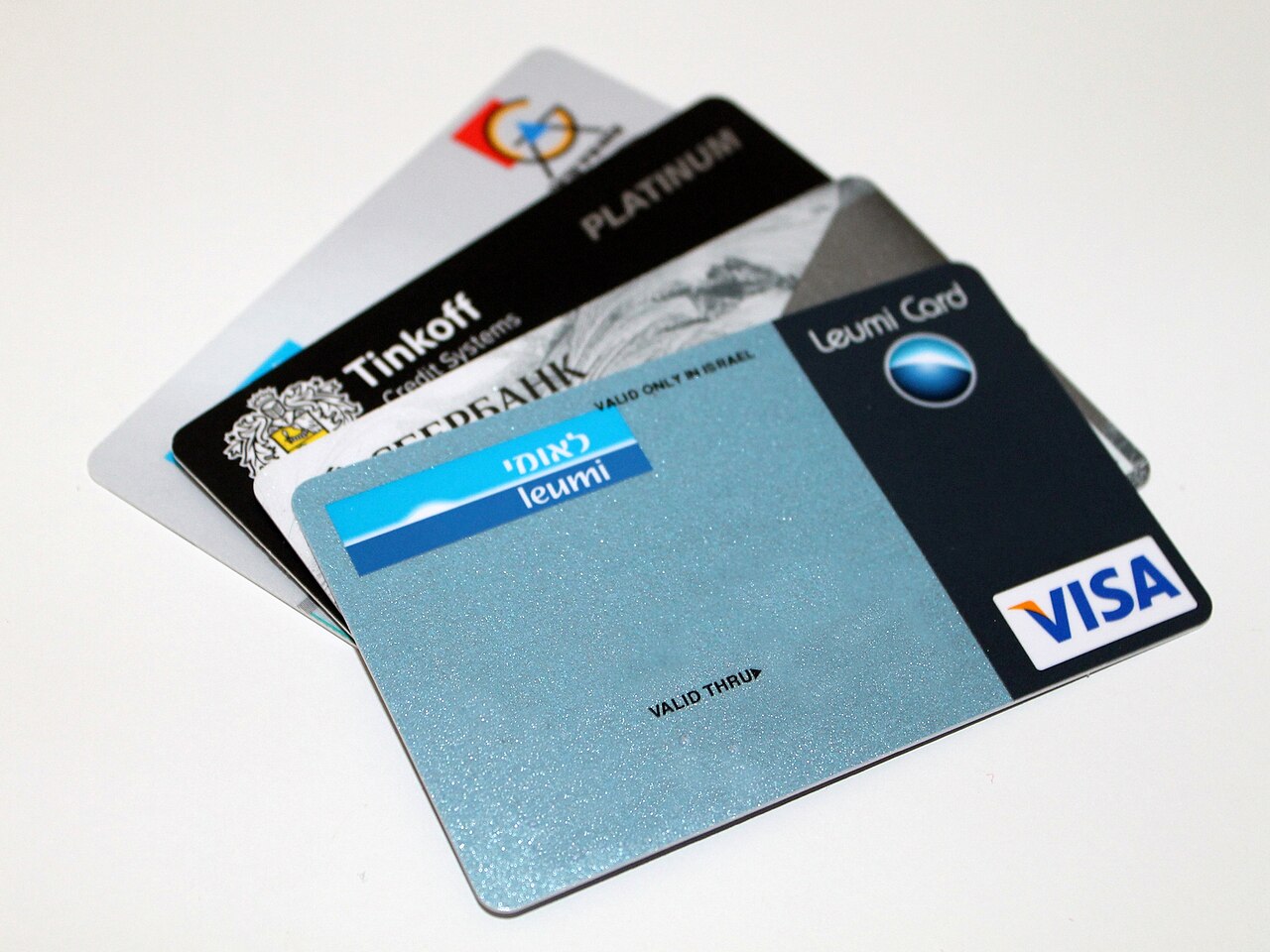
Image Credits: Wikimedia Commons
A credit inquiry is simply a request to look at your credit report. (Your credit report is the record of your borrowing history.) Lenders, landlords, employers, and you yourself all make them, for different reasons and with different consequences. The type of inquiry decides whether your credit score moves at all.
Experian divides inquiries into two types, hard and soft, based on who is asking for your information and why. This article explains the difference between the two, including which everyday checks land on each side and how to keep hard inquiries from costing you.
What is a hard credit inquiry?
A hard inquiry, also called a hard pull, happens when a lender reviews your credit report to make a final lending decision after you apply. You trigger it by asking for new credit, and it needs your approval. Typical triggers include credit card applications, mortgage applications, auto loans, personal loans, and sometimes apartment leases or utility accounts.
Hard inquiries are visible to any lender that later pulls your report, and they can lower your score. myFICO states: "For most people, one additional credit inquiry will take less than five points off their FICO Scores." The impact is small and short-lived, though it can run slightly larger for someone with a short credit history or few accounts, according to Bankrate.
Timing rules soften the blow. Hard inquiries stay on your credit report for two years, but FICO counts them in your score for only 12 months. The damage fades across that year. An inquiry older than 12 months has no effect on your FICO score even while it still appears on the report.
What is a soft credit inquiry?
A soft inquiry is a look at your file that lenders cannot see and your score does not count. You do not always have to approve it. Common soft pulls include checking your own credit report or score, pre-approved credit card and loan offers, employment background checks, landlord checks, insurance quotes, and account reviews by your current creditors.
Soft inquiries stay on your own copy of the report for up to two years, but they are recorded privately, meaning only you can see them. The scoring models ignore them entirely. That is why checking your own score, something many people fear, costs nothing: it is a soft pull by definition.
The car-buying world draws this line sharply. Dealers use soft pulls for online pre-qualification and payment estimates. They run a hard pull only once you sign a credit application. Asking "is this a soft pull or a hard pull?" before handing over your Social Security number is always fair.

Image Credits: Wikimedia Commons
The rate-shopping window
Rate shopping, comparing offers from several lenders for one loan, gets special treatment under FICO scoring. For loans that commonly involve rate shopping, mortgage, auto, and student loans, FICO ignores inquiries made in the 30 days before scoring. If you find a loan within 30 days, the inquiries do not affect your score while you shop.
For inquiries older than 30 days, FICO groups those inside a typical shopping period as a single inquiry. The window depends on the scoring version: 14 days under older FICO formulas, 45 days under the newest ones. In practice, that means comparing five mortgage lenders inside two weeks costs you about as much as comparing one.
Credit card applications get no such protection. Each card application is a separate hard inquiry, and several in a short stretch can add up. That difference reflects the data: rapid-fire card applications signal higher risk than shopping one mortgage, so the models treat them differently.
Which checks are which
When you are unsure, the rule of thumb is simple. If you applied for credit and a lender is deciding, expect a hard pull. If you checked, were pre-screened, or someone reviewed your file without a credit decision, it is soft.
| Situation | Pull type |
|---|---|
| Applying for a credit card | Hard |
| Mortgage or auto-loan application | Hard |
| Requesting a credit-limit increase | Hard with some issuers |
| Checking your own score in an app | Soft |
| Pre-qualification or pre-approval offers | Soft |
| Employer background check | Soft |
| Current creditor reviewing your account | Soft |
How to keep inquiries from hurting you
The strategy is timing, not avoidance. Apply for new credit only when you genuinely need it. Get pre-qualified first to gauge your odds without triggering a hard pull.
If a big loan is coming, a mortgage, auto loan, or student loan, compress your applications into one focused window so the rate-shopping rule treats them as a single inquiry. Avoid opening new credit cards in the three to six months before a mortgage application. Underwriters (loan reviewers) read a cluster of recent inquiries as a risk signal.
And dispute what you do not recognize. A hard inquiry you never approved can be a sign of fraud. In that case, filing a dispute with Equifax, Experian, and TransUnion is the next step. Freezing your report stops most unauthorized pulls at the source; our guide to how a credit freeze works covers that process.
FAQ
How many points does a hard inquiry lower your score?
For most people, less than five points per inquiry, according to myFICO. The effect fades over 12 months. The inquiry stops affecting your FICO score after that, even though it stays on the report for two years.
Do soft inquiries show on my credit report?
They appear on the copy you see, for up to two years, but lenders reviewing your file do not see them. They never affect your score.
Does checking my own credit score hurt it?
No. Checking your own credit is a soft inquiry by definition, so it has zero effect. Regular monitoring is one of the best habits you can build.
Can I remove a hard inquiry?
Only if it is fraudulent or an error. A legitimate inquiry from an application you submitted stays on your report for two years. You can dispute unauthorized inquiries with the three bureaus.
The bottom line
Hard inquiries cost a few points and need your permission; soft inquiries cost nothing and often need none. Shop rates inside a tight window, get pre-qualified before you apply, and let your own credit checks happen freely. The pattern matters more than any single pull: payment history and how much credit you use dwarf inquiries in every scoring model.
This article is for general information only, not financial advice.
Topics: credit inquiries, credit score, hard pull, soft pull, personal finance
Rive News's research desk publishes plain-English explainers on money, work, and everyday science.
Latest in finance
- How a Credit Freeze Works and When to Place One
- How a 401k Employer Match Actually Works
- Why Banks Offer Cash Sign-Up Bonuses
- How People Size an Emergency Fund
Get one practical money explainer in your inbox every week. Subscribe free.
Rive News publishes explainers for general information only. © 2026 Rive News. All rights reserved.
Related stories

How your APR is divided by 365 to get daily interest
Lenders divide your APR by 365 for a daily rate, then apply it to your average daily balance. This guide walks through every step with worke

What is the difference between APR and effective annual rate?
APR ignores compounding inside the year; the effective annual rate includes it. A 12.99% APR card really costs 13.80% a year. Worked example

APY vs interest rate: what compounding does to your money
APY includes compounding; the interest rate does not. A 5% rate compounded monthly is really 5.12% APY. Here is how the math works and what