
What Is an Emergency Fund and How Much Should It Cover
Key takeaways
- An emergency fund is cash reserved for true surprises, not planned spending.
- The standard target is 3 to 6 months of essential expenses.
- Irregular earners should size the fund from a low month and aim higher.
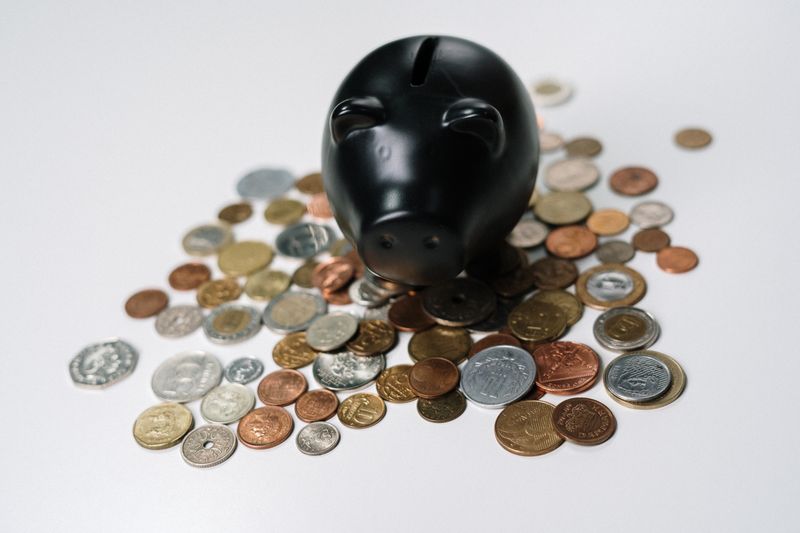
An emergency fund is money set aside in cash to cover unexpected costs without borrowing. Job loss, a medical bill, a car repair, or a broken appliance are the classic examples. The fund exists so one bad month does not turn into debt.
It is not a vacation fund, a holiday fund, or a deposit on a new car. It is a buffer with one job: keeping a surprise from becoming a crisis.
This article explains what an emergency fund is, including how much it should cover, a sizing walkthrough for irregular income, where to keep it, and how to build it. The standard target is 3 to 6 months of essential expenses, but the right number depends on how steady your income is and how fast you could replace it.
What is an emergency fund?
An emergency fund is a separate pool of cash that you can reach within a day or two. It sits apart from the account you spend from, and it stays in a safe place where its value does not swing. When an emergency hits, you draw from the fund instead of reaching for a credit card or a loan.
When the emergency passes, you refill it before you raise your spending again.
The key word is essential. An emergency fund covers the costs you cannot skip, not your full lifestyle. Rent or mortgage, food, utilities, medications, transport, insurance premiums, and minimum debt payments belong in the calculation.
Streaming subscriptions, takeout, and new clothes do not. OneMain Financial lists exactly those essentials when it explains how to size a fund: housing, food, utilities, medications, transportation, insurance, and loan payments.
The fund also protects your other goals. Without it, an emergency raids the retirement account, the house deposit, or the holiday savings. With it, the emergency stays contained.
Investopedia calls the fund a shock absorber for the bumps of life, and the image fits. A shock absorber does not stop the bump. It stops the bump from breaking the car.
How much should it cover?
The standard guideline is 3 to 6 months of essential expenses. Three months fits a household with stable income, two earners, and few dependents. Six months fits a single earner, a freelancer, or anyone in a volatile industry.
Some households go further, to nine or twelve months, when the earner is the only income source or the job market in their field moves slowly.
The math is simple. Add up one month of essential expenses, then multiply by your target months. OneMain Financial gives a clear example: if monthly essentials total 2,500 dollars, a three-month fund is 7,500 dollars and a six-month fund is 15,000 dollars.
The same multiplication scales to any budget. A household with 3,000 dollars of essentials needs 9,000 dollars for three months and 18,000 dollars for six.
For a sense of scale, consider the national picture. According to 2023 data from the United States Bureau of Labor Statistics, cited by Investopedia, the average annual expenditure per consumer unit was 77,280 dollars. That works out to about 6,440 dollars a month, which would put a fully funded emergency fund at 19,320 to 38,640 dollars.
Your number will differ, and that is the point. The fund is sized to your expenses, not to an average.
If the target feels unreachable, shrink the first step. A starting buffer of 500 to 1,000 dollars still stops small setbacks from becoming new debt. Build the starter buffer, then grow it month by month toward the full target.
A fund that covers one month is far better than no fund at all, and the habit of contributing matters as much as the balance.
A sizing walkthrough for irregular income
Irregular income breaks the standard formula, because there is no single monthly paycheck to measure against. Freelancers, gig workers, seasonal workers, and commission earners need a different method. The fix is to size the fund from a cautious baseline, then aim for more months than a salaried worker would.
Start by listing your essential expenses for one month, just as a salaried worker would. Use the essentials list: housing, food, utilities, medications, transport, insurance, and minimum debt payments. Leave out anything you could cut in a lean month.
This number is your monthly burn rate, and it is the most important figure in the whole exercise.
Next, work out your low-month income. Look at the past 12 months of earnings and find the lowest three months. Average those three.
That average is your cautious income baseline. If your lowest months still covered your essentials, your fund needs to cover the gap between a zero-income month and your essentials. If your lowest months fell short, the gap is bigger, and the fund must be bigger too.
Now pick your months of cover. An irregular earner should treat six months as the floor, not the ceiling. Income can dip and stay dipped, and a new client or a new season can take months to arrive.
A useful way to think about it: your fund must outlast your longest recent dry spell, plus one month. If your worst dry spell ran four months, a six-month fund leaves a margin. If it ran seven months, you need more.
Work an example. Suppose your essentials run 2,000 dollars a month, and your three lowest earning months averaged 1,200 dollars. A zero-income month leaves a 2,000 dollar hole.
Six months of cover means 12,000 dollars. Suppose instead your work is seasonal and you once went five months with almost no income. Then nine months, or 18,000 dollars, is the honest target.
The numbers feel large, but they come from your own history, not from a rule of thumb.
Build the fund in tiers so the goal does not paralyze you. Tier one is one month of essentials. Tier two is three months.
Tier three is your full target. Each tier is a real milestone, and each one buys real safety. A budget that fits irregular income makes the tiers reachable, since the monthly contribution has to survive lean months too.
Where to keep it
The fund must be safe, liquid, and separate. Safe means the balance does not fall when markets fall. Liquid means you can reach it within a day or two without a penalty.
Separate means it does not sit in the account you spend from, where it would quietly leak away on daily spending.
A high-yield savings account is the standard choice. The Motley Fool lists high-yield savings accounts, certificates of deposit, and money market accounts as options, noting that all three are federally insured and pay more than a traditional savings account. A plain savings account works too, especially for the starter buffer.
What matters is access speed and stability, not return.
Avoid three common mistakes. Do not invest the fund in stocks, since a market drop can arrive in the same month as a job loss. Do not lock it in a term deposit with an early-withdrawal penalty.
Do not keep it as cash at home, where it earns nothing and can be lost or stolen. Compound interest rewards money left alone for years, but an emergency fund is not that money. It is insurance, and insurance is meant to be boring.
How to build it
Set the goal first. Write down your monthly essentials, your target months, and the resulting number. A written goal beats a vague intention, because you can measure progress against it.
Then decide the monthly contribution. The Motley Fool suggests four steps: set a goal, decide how much to put away each month, pay yourself first, and stick to the plan.
Pay yourself first means the contribution moves on payday, before spending starts. An automatic transfer on payday removes willpower from the equation. If income is irregular, use a percentage instead of a fixed amount.
Ten percent of every payment that lands, for example, keeps the fund growing in good months and does not break the budget in bad ones.
Windfalls accelerate the fund. Tax refunds, bonuses, cash gifts, and side income can go straight to the fund until it is full. Selling things you no longer need works too.
The rule is simple: money you did not expect is money you will not miss.
When you use the fund, refill it. An emergency fund that stays empty after one emergency is a one-use tool. Treat the refill as a new goal with the same monthly contribution.
Life will test the fund again, and the second emergency is often closer than the first.

Frequently asked questions
Should I build an emergency fund or pay off debt first?
Do both in sequence. Build a small starter buffer of 500 to 1,000 dollars first, so the next setback does not create new debt. Then attack expensive debt.
Then finish the full fund. The starter buffer is what keeps the debt payoff plan alive.
Does the fund need to cover my full salary?
No. It needs to cover your essential expenses, not your full income. If you earn 5,000 dollars a month but your essentials are 3,000 dollars, the fund is sized on 3,000 dollars.
The gap between income and essentials is the spending you would cut in an emergency.
What counts as an emergency?
Job loss, a medical bill, a major car repair, a broken boiler, or an urgent flight for a family crisis. A sale, a holiday, a wedding, or a new phone does not count. If you have to argue that it is an emergency, it probably is not one.
How is an emergency fund different from savings?
Savings has a destination: a house, a car, a holiday. An emergency fund has a purpose: absorbing shocks. The two should live in different accounts so a holiday never quietly eats the buffer.
Your credit score is a separate question, but the same discipline applies: separate tools for separate jobs, and no borrowing against the buffer.
The bottom line
An emergency fund is cash set aside for true surprises, sized at 3 to 6 months of essential expenses. Start with a 500 to 1,000 dollar buffer, then build toward the full target with automatic transfers. Irregular earners should size from a low month and aim for six months or more.
Keep the fund in a safe, liquid, separate account, and refill it after every use.
This article is for general information, not financial advice.
Tags: emergency fund, savings, personal finance, budgeting
Latest in Finance
- How Your Credit Score Gets Calculated
- How Compound Interest Works, With a Simple Example
- How to Build a Budget That Sticks on Irregular Income
Subscribe to the Rive News newsletter for one practical explainer every week.
Related stories

How your APR is divided by 365 to get daily interest
Lenders divide your APR by 365 for a daily rate, then apply it to your average daily balance. This guide walks through every step

What is the difference between APR and effective annual rate?
APR ignores compounding inside the year; the effective annual rate includes it. A 12.99% APR card really costs 13.80% a year. Worked

APY vs interest rate: what compounding does to your money
APY includes compounding; the interest rate does not. A 5% rate compounded monthly is really 5.12% APY. Here is how the math works and what