
How to Save Money on Groceries Without Eating Worse
Key takeaways
- Waste is the biggest leak: the average US household discards about $1,500 of food a year.
- A weekly meal plan plus a strict list stops impulse buys and duplicate purchases.
- Store brands, seasonal produce, and frozen vegetables cut cost without cutting nutrition.
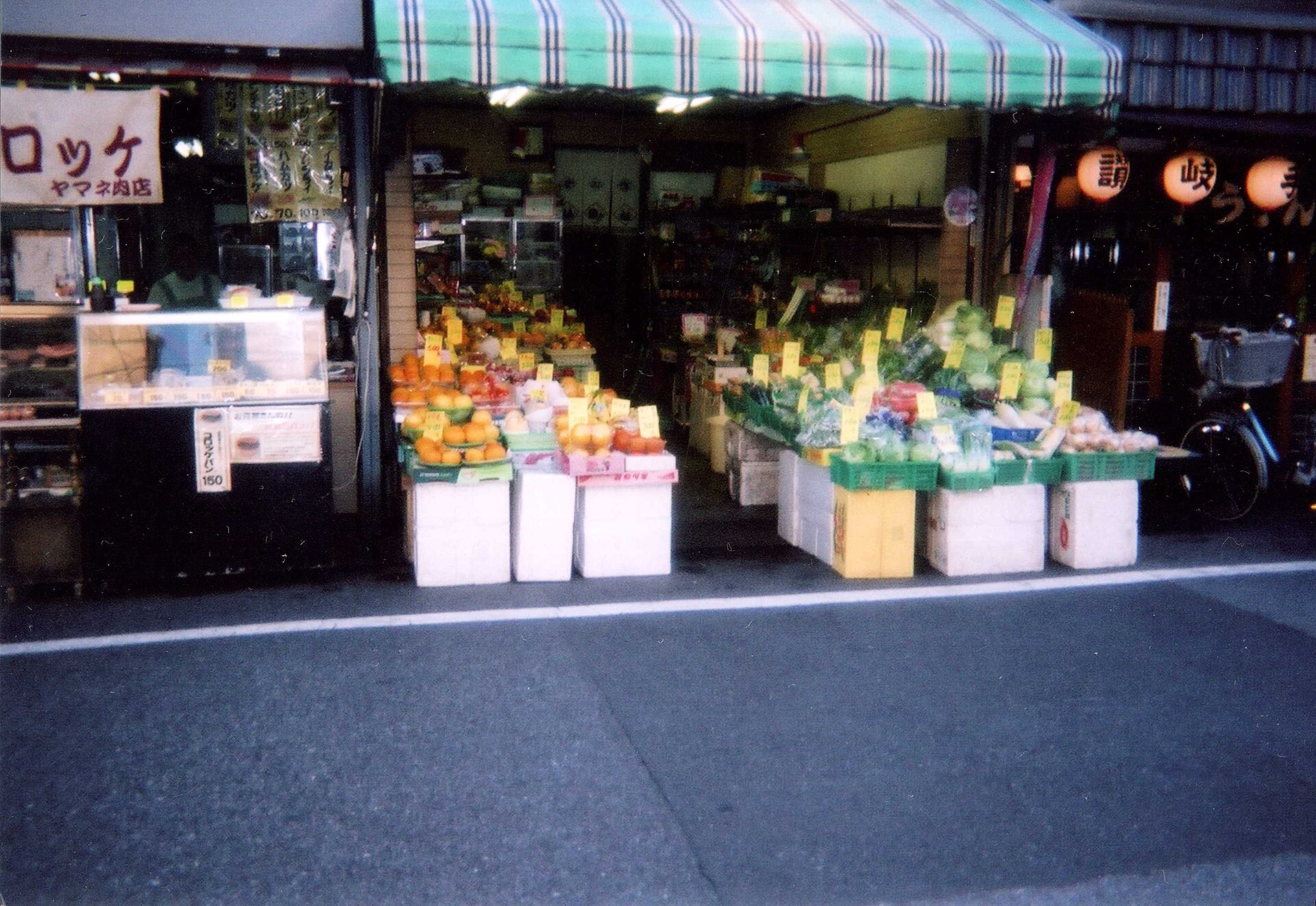
Saving money on groceries does not mean eating worse food. It usually means wasting less food and buying with a plan. The food on your plate can stay the same while the bill drops, because the savings come from what you stop throwing away and stop buying twice.
The biggest leak is invisible. The USDA Economic Research Service estimates that the average American household discards roughly $1,500 of food a year, much of it forgotten in the fridge or freezer, according to Coupert. Reclaiming even a third of that is a real raise on your grocery budget.
This article explains how to save money on groceries without eating worse. It covers planning, smart shopping, cooking habits, and storage, with numbers from public sources at each step.
Start with a plan, not a coupon
Most overspending happens before you reach the store. A few minutes of planning at home is the highest-leverage habit you can build, and it costs nothing. Coupert puts it plainly: most households can cut their grocery bill by 15 to 25 percent with the habits below, without switching to cheaper food.
Plan five to seven dinners, plus breakfasts and lunches, then write one list that covers all of them. Start by checking what you already own.
Look in the fridge, freezer, and pantry, and build meals around items that need using first. This step alone prevents duplicate buys, which are one of the quietest ways money leaks out of a food budget.
Set a dollar limit for the trip before you leave home. Keep a running total on your phone calculator as you shop.
A visible cap turns vague intentions into a concrete decision on every aisle. If your income changes from month to month, a flexible food budget matters even more, and the same planning habit sits at the centre of budgeting when your income changes every month.
Shop from the list, not from hunger
Impulse purchases account for 40 to 60 percent of grocery spending for shoppers without a written list, according to research cited by Coupert. That single figure explains why the list matters more than any coupon. A list is a budget you carry in your pocket.
Eat before you shop. Hunger reliably increases impulse purchases, especially in the snack and bakery aisles. A small snack before walking into the store is one of the cheapest behavioural fixes available.
Shop the perimeter first. Whole foods such as produce, dairy, meat, and bread generally live around the edges of the store, while the centre aisles hold high-margin packaged goods.
The University of Rochester Medical Center gives the same advice: stick to your list, stay near the produce, meat, dairy, and bakery, and check the canned and frozen aisles. Filling the cart from the edges first locks in better nutrition per dollar.
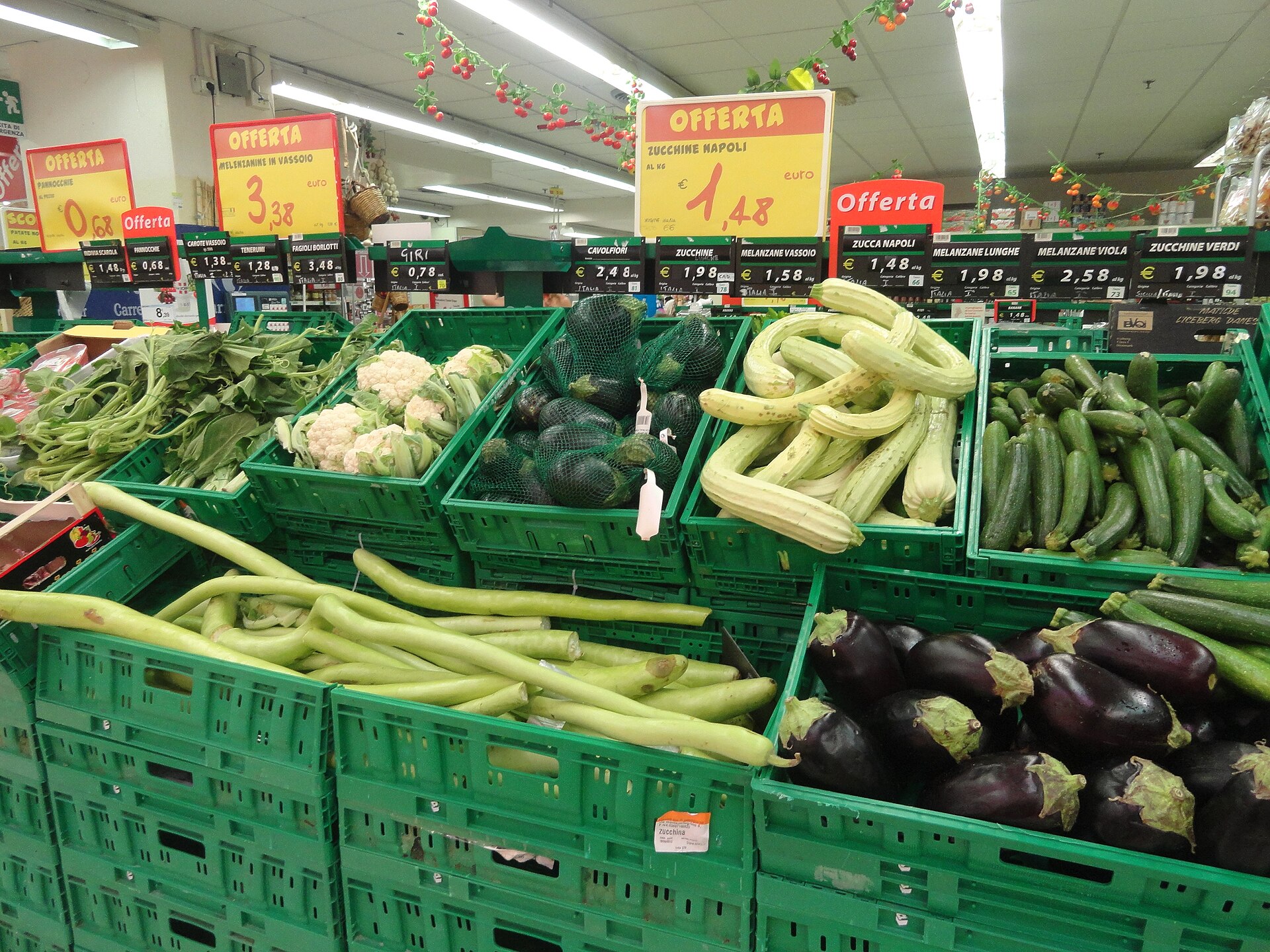
Compare unit prices, not sticker prices. The price per ounce is usually printed in small text on the shelf tag below the product. A bigger package is not always cheaper, and the unit price catches the cases where the family-size box is actually a worse deal.
Store brands and seasonal buys protect quality
Buy store brands by default for staples. Generic and store-label products are typically 20 to 30 percent cheaper than name brands and are often produced in the same facilities, according to Coupert.
Pasta, canned goods, dairy, and frozen vegetables are the safest swaps. The biggest quality variance tends to be in snacks and drinks, so taste-test those before committing.
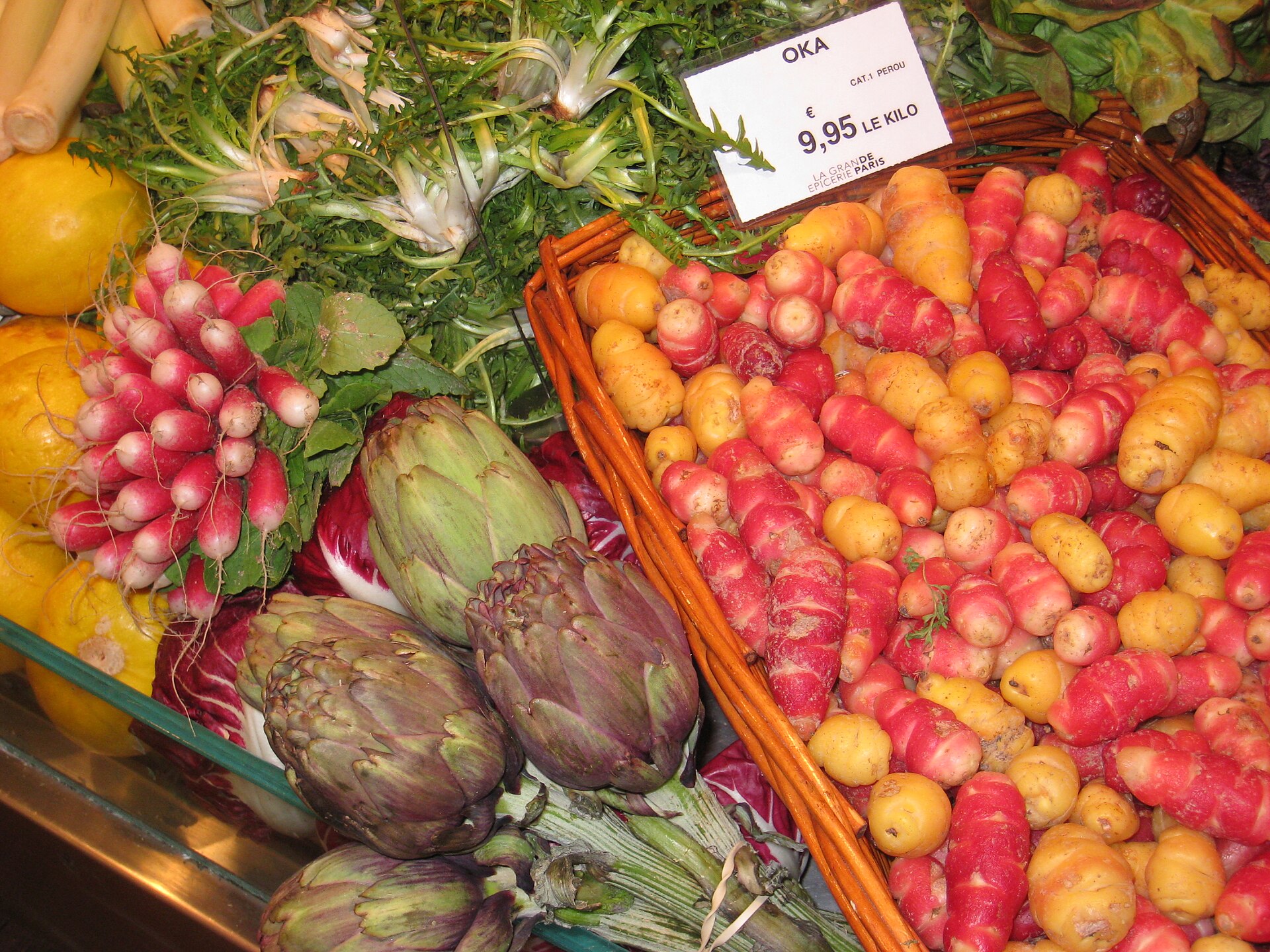
Buy produce in season. Seasonal fruit and vegetables are cheaper and fresher because supply is high.
The University of Rochester Medical Center advises buying fresh produce near the time it is grown and checking farmers markets when the store has little local stock. Only buy as much as you need, and freeze the rest if a sale tempts you to stock up.
Frozen fruit and vegetables deserve a place in every budget. The medical centre notes that frozen produce is just as healthy and often less expensive, especially outside the growing season. Frozen vegetables also solve the waste problem: they wait in the freezer until you need them instead of rotting in the drawer.
Batch cooking turns cheap staples into cheap meals. A large pot of lentil soup costs about $6 to make and can provide 6 to 8 servings, according to UDS Finanzas. Lentils, beans, rice, and oats are among the cheapest nutritious foods per serving, and they keep well as leftovers.
Cook more, waste less
Reducing waste is essentially a tax-free raise on every dollar you have already spent. Batch cook once or twice a week. A large pot of chilli, grain bowls, or sheet-pan protein on Sunday gives you three to four ready meals and reduces the temptation of weeknight takeout.
Repurpose leftovers into a second meal. A roasted chicken becomes tacos on Tuesday and soup on Thursday.
Cooked rice becomes fried rice or stuffed peppers. One planned leftover night per week cuts both spending and waste, and it keeps weeknight cooking short.
Use the freezer aggressively. Bread, cooked grains, soups, browned ground beef, butter, and even shredded cheese all freeze well for months.
Portion leftovers the day you cook them, label everything with the date, and rotate first-in-first-out. Food you freeze on the day you cook it is food you will actually eat.
Keep a "use first" shelf at eye level in the fridge. Put the items that will expire soonest where you cannot miss them. Much of the $1,500 in annual waste comes from food that was fine when bought and forgotten behind newer purchases.
Skip the pre-cut tax. Convenience comes at a cost: a bag of pre-cut carrots can cost nearly double the price of whole carrots, according to UDS Finanzas.
Spend a few extra minutes prepping at home and the savings add up across a month. The same logic applies to grated cheese, pre-made salads, and single-serve snack packs.
Stack small savings without changing meals
Join store loyalty programs. Most chains reserve their best prices for cardholders, and the gap is often 10 to 20 percent on weekly featured items, according to Coupert. Sign-up takes a minute and unlocks both digital coupons and member-only deals.
Try a discount grocer for staples. Chains such as ALDI and Lidl carry a tighter assortment at noticeably lower prices.
Even shifting half your weekly staples to a discount grocer can cut your overall bill by 10 to 20 percent, Coupert reports. Weigh the fuel and time cost if the second store is far away.
Track your grocery spending monthly. A simple spreadsheet showing your monthly total against a benchmark makes overspending visible fast.
The USDA moderate-cost food plan estimates a family of four spends $1,000 to $1,200 per month on food at home, according to Coupert. Your household may differ, but a benchmark turns a vague feeling into a number.
Online impulse buying can undo grocery savings fast, and the same one-click habit hits other categories too. If unplanned orders keep breaking your budget, the tactics in our guide on stopping impulse buying when shopping online pair well with a grocery list.
A one-week starter plan
You do not need to adopt every habit at once. Pick one week and run this sequence. First, audit the fridge, freezer, and pantry, and throw nothing away that is still good.
Second, plan five dinners around what you already own, and write a single list for the gaps. Third, shop once, from the list, after a snack, comparing unit prices as you go.
Fourth, cook one batch meal on the first evening and portion the leftovers for the freezer. Fifth, set a use-first shelf and check it before every meal.
Sixth, log the trip total in a spreadsheet the same day. Seventh, compare the week against your usual spending.
Most households that adopt five to ten of the habits in this article report 15 to 25 percent savings within two to three months, according to Coupert. For a family of four spending near the USDA moderate plan, that is roughly $150 to $300 back per month, without switching to cheaper food.
Money saved on groceries can go straight into a safety net. If you do not yet have one, the next step is building it, and our guide on building an emergency fund on a low income shows how to start small.
Frequently asked questions
Does meal planning really save money?
Yes, and it is the highest-leverage step. When you shop from a plan, you buy only what you will cook.
That cuts impulse buys and the forgotten produce that rots in the drawer. Less waste is real money back.
Are store brands really as good as name brands?
In most categories, yes. Store-label staples like pasta, canned goods, dairy, and frozen vegetables are frequently produced in the same facilities as leading brands. Premium store lines compete on quality directly, not just price.
How much of a grocery bill is wasted food?
The USDA Economic Research Service estimates the average US household discards roughly $1,500 of food a year, according to Coupert. That is about $125 a month going into the bin, mostly from food bought with good intentions and then forgotten.
Is buying in bulk always cheaper?
No. Bulk beats retail only when the food gets eaten before it expires.
Bulk works for shelf-stable staples like rice, oats, and frozen produce. It fails for fresh items that spoil before a small household can finish them.
Should I shop at several stores to save more?
Splitting your list between a discount grocer for staples and a full-service store for specialty items is a common high-savings pattern. Just weigh the fuel and time cost. If two stores are far apart, one well-planned trip is often the better trade-off.
The bottom line
You do not cut your grocery bill by eating worse. You cut it by wasting less and shopping from a plan. Start with one planned, list-driven trip this week.
Compare unit prices, buy store brands for staples, cook in batches, and freeze what you will not eat in time. The savings show up within a month, and your meals stay just as good.
This article is for general information, not financial advice.
Tags: groceries, budgeting, food, meal planning, saving money
Latest in Finance
- How to Build an Emergency Fund on a Low Income
- How to Budget When Your Income Changes Every Month
- How to Stop Impulse Buying When Shopping Online
- How to Check Your Credit Report for Mistakes
Subscribe for one practical money habit each week, written in plain English.
Related stories
How your APR is divided by 365 to get daily interest
Lenders divide your APR by 365 for a daily rate, then apply it to your average daily balance. This guide walks through every step
What is the difference between APR and effective annual rate?
APR ignores compounding inside the year; the effective annual rate includes it. A 12.99% APR card really costs 13.80% a year. Worked

APY vs interest rate: what compounding does to your money
APY includes compounding; the interest rate does not. A 5% rate compounded monthly is really 5.12% APY. Here is how the math works and what