
What a fast paced environment means in a job
By Rive News / Research desk | Rive News / Published October 26, 2026 at 9:00 AM PKT
Key takeaways
- Fast paced means lots happening at once, with tight deadlines and priorities that shift.
- It can describe a genuinely busy, energetic workplace, or one that is short staffed.
- The interview is where you find out which one it is, by asking about staffing, training, and busy periods.

[Office workers handling many tasks at once in a busy workplace.] Photograph: busy office workers
Image Credits: Wikimedia Commons
A job that says "fast paced environment" is warning you that the days will be busy and the pace will rarely slow down. It is one of the most common phrases in job postings, and one of the least precise.
The phrase can describe a lively team where work moves quickly and no two days look alike. It can also be a polite cover for a team that is short staffed, constantly firefighting, and short on training time.
This article explains what the phrase usually means, how to tell the energetic version from the understaffed version, and what to ask in an interview, including the staffing question, the training question, and the busy period question.
The plain meaning of the phrase
Purdue University's Online Writing Lab gives the shortest honest definition. In its guide to reading job ads, it says a fast paced environment usually means employees must work in busy and often stressed situations.
Reed, the UK jobs site, expands that slightly in its buzzword decoder. It says to expect lots happening at once, tight deadlines, and shifting priorities, and it adds that the phrase can signal a busy, exciting workplace or, occasionally, an understaffed one.
The Muse makes the same split from the applicant's side. It says fast paced means going from one project to the next without much time to sit back and reflect, which suits people who are easily bored and task driven.
All three sources agree on the core: volume plus speed plus change. Where they differ is what causes the speed, and that cause is what matters to you.
The energetic read: busy because the work is busy
Some jobs are fast paced for honest reasons. A restaurant kitchen at dinner service, an emergency ward on a Saturday night, and a newsroom on election night are all fast paced because the work itself arrives in waves.
In those jobs, pace comes from demand, not from dysfunction. The team may be fully staffed, but the work still piles up in bursts, and handling bursts is the actual skill being hired for.
Growth can create the same effect. A company winning new clients faster than it can hire will feel fast paced even with good management, because every week brings more work than the last.
In the energetic version, the pace has a shape. There are busy periods and quieter ones, rushes have a reason you can name, and the team can point to systems that handle the rush.
People who thrive here tend to like variety and quick decisions. They would rather juggle five live tasks than polish one task for a week, and they recover quickly from interruptions.
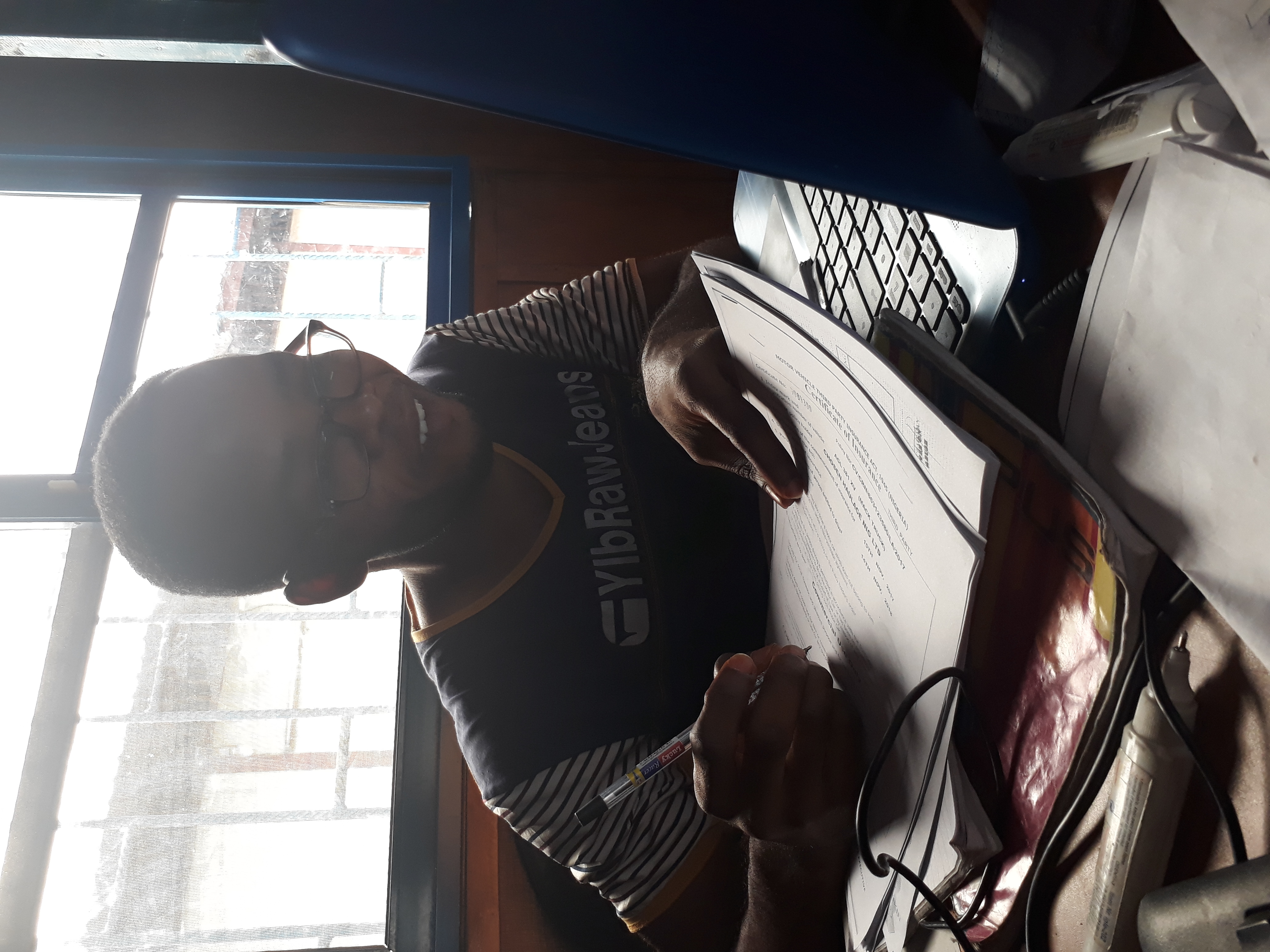
[Office workers handling a busy day at their desks.] Photograph: busy office workers
Image Credits: Wikimedia Commons
The understaffed read: busy because the team is thin
The other read is less flattering, and recruiters themselves warn about it. Christina, a healthcare recruiter writing on The RN Network, says that in modern healthcare the phrase often signals chronic understaffing, where one person does the work of two.
She also lists high caseloads without enough support staff, and policies that change daily with nobody given time to learn them. Those are not signs of exciting work, but signs of a system running short.
A careers advice site makes a similar warning in plainer terms. It says the phrase can mean little or no onboarding, training, or downtime, with new starters thrown in at the deep end and expected to keep up or be left behind.
Understaffing also shows up in the fine print around the phrase. Watch for it sitting next to "wear many hats," "flexible hours," and "self starter who thrives with minimal supervision" in the same posting.
None of those phrases is proof of a bad job on its own. Together, they sketch a team that needs one person to cover several roles, with little time for training or backup.
Why employers use such a vague phrase
Employers use the phrase partly because it is safe. It sounds positive, like energy and ambition, while committing the company to nothing specific about workload, hours, or staffing.
Job postings are marketing documents as much as they are job descriptions. The Muse notes that both sides are trying to put their best foot forward, so some things get lost in translation between the posting and the reality.
The phrase also survives because it is sometimes true in a harmless way. A hiring manager who writes "fast paced" may simply mean the team is busy, without thinking about how applicants will read it.
That vagueness is why the phrase alone should never decide your application. It is a prompt to ask questions, not a verdict on the job.
Questions that tell the two versions apart
Ask about staffing first, in plain terms. "How many people are on the team now, and is this a new role or a replacement?" A replacement for someone who left after a short stay deserves a follow up question.
Ask what a busy period actually looks like. "What does a typical busy day involve, and what does a quiet day look like?" If the answer has no quiet days, that tells you something.
Ask about training and onboarding directly. "How long is training, and who trains new starters?" A vague answer here matches the understaffed pattern, where nobody has time to train.
Ask how priorities change. "When two urgent tasks collide, who decides which one waits?" A team with a clear answer has a system, while a team that shrugs has a habit of everything being urgent at once.
Ask about the last person in the role, if you get the chance. "What happened to the previous person, and how long were they here?" Short stays across a team are a pattern, not bad luck.
These questions also help you if the job turns out to be the energetic kind. A good manager will enjoy answering them, because they show you understand the work.
How to answer when they ask about pace
Interviewers often turn the phrase back on you. They may ask whether you thrive in a fast paced environment, or ask for an example of handling pressure.
Pick an example with a real shape: a day with several deadlines, what you did first, and what you dropped or delayed. Vague claims about loving pressure convince nobody.
Name the system you used, even a simple one. Listing tasks, telling a manager about a clash early, and finishing the highest risk item first are all credible answers.
Be honest about your limits too. If you need time to do careful work well, say so, and explain how you protect that time. A team that hears that and still hires you is a team you can work with.
If you are applying through a posting that also lists impossible requirements, read our guide to that pattern before you apply. The two phrases often travel together, and both deserve the same sceptical questions.
Who tends to enjoy fast paced work
People who enjoy fast paced work usually like switching tasks and making quick calls. They get bored when a day has one long task and nothing else, and they like seeing results the same day.
Perfectionists often struggle with it, and The Muse says so directly. A focus on speed, where done beats perfect, can frustrate someone who wants time to refine every detail.
People who dislike multitasking should also weigh it carefully. Fast paced roles rarely let you finish one thing before the next arrives, and that is a feature of the job, not a flaw in your working style.
Neither preference is better. The mistake is taking a fast paced job when you want a slow one, or the reverse, and discovering the mismatch after you have started.
Frequently asked questions
Is fast paced environment a red flag?
Not on its own. It is a red flag only when it sits next to other vague phrases, short staff numbers, and no training plan, which together suggest understaffing rather than energy.
What should I ask about a fast paced job in an interview?
Ask how many people are on the team, what a busy day looks like, how long training lasts, and who decides priorities when tasks collide. Specific answers signal a healthy team.
Is fast paced the same as stressful?
No, though they overlap. Fast paced describes speed and volume, while stressful describes how that speed feels, and good staffing, clear priorities, and recovery time keep speed from turning into stress.
Can I say I prefer a slower pace in an interview?
Yes, honestly and briefly. Saying you do your best work with time to focus helps both sides, and a good employer would rather hear it now than lose you later.
The bottom line
"Fast paced environment" means busy days, tight deadlines, and shifting priorities, and it tells you nothing on its own about whether the job is good. The energetic version is busy because the work is busy, while the understaffed version is busy because the team is thin.
Use the interview to find out which one you are looking at. Ask about staffing, training, and what busy periods really involve, and listen for specific answers rather than slogans.
If the answers are specific and the pace sounds like work you enjoy, take the job with confidence. If the answers stay vague and the team sounds stretched, believe the vagueness, and keep looking.
For the wider pattern of vague postings, see why job postings say fast paced environment all the time, and if a slow reply after an interview is worrying you, our piece on why companies ghost candidates after interviews covers that separately.
Tags: job postings, workplace culture, job hunting, interviews
The Rive News research desk writes plain English explainers from public sources, with every key claim tied to a named document or dataset.
Related
- Why job postings say fast paced environment all the time
- Why job descriptions list impossible requirements
- Why companies ghost candidates after interviews
- How to answer why do you want this job convincingly
Subscribe for one practical explainer a week, no hype and no filler.
Rive News publishes explainers from public sources. Corrections are welcomed and fixed promptly.
Related stories
How to Ask for a Raise With Data, Not Emotions
Ask for a raise with market data and documented results, not emotions. Research your rate from BLS wage tables, build an evidence file, run

How to Explain a Career Gap on Your Resume Honestly
A career gap is not a red flag if you explain it honestly: give a reason, show what you did, and point forward. Recruiters reveal the exact

How to Switch Careers at 30 With No Experience in the Field
A career change at 30 means repackaging a decade of transferable skills, not starting over. Map your skills, earn one certification,