
How to Stop Procrastinating on Homework With Small Steps
Key takeaways
- Procrastination is usually about feelings, not laziness, so shrinking the first step works better than scolding yourself.
- A 25-minute timer turns a big assignment into one short round of work with a break at the end.
- A clear first action, a tidy desk, and a phone in another room remove the most common reasons to stall.
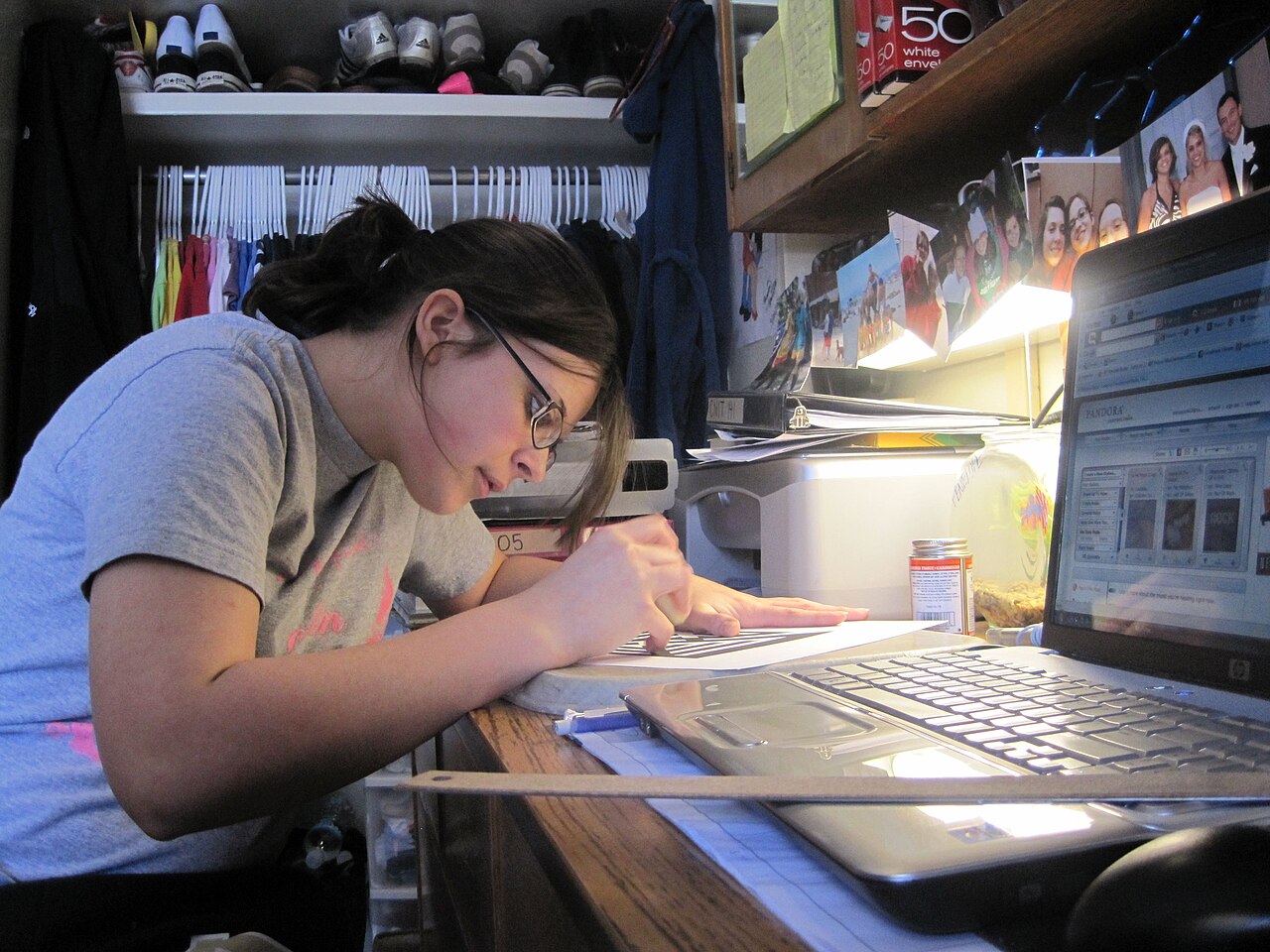
How to stop procrastinating on homework is a question most students ask at some point. The assignment sits open, the deadline moves closer, and still the first sentence does not get written. This pattern is common, and it does not mean you are lazy or broken.
Procrastination is the habit of putting off a task even when you know delay will make things worse. This article explains why homework gets delayed, including why feelings drive delay, how to start in small steps, and how to use a timer, your space, and a plain plan to finish.
Why homework gets delayed
Harvard's Academic Resource Center states that laziness and poor time management are not the primary causes of procrastination. Emotional and motivational factors play a bigger role, according to the center's guidance.
The list of causes is familiar to most students. Fear of failure ranks high, along with performance anxiety and perfectionism. A task that feels boring or pointless is easy to avoid.
A task that feels unclear is easy to avoid too. Low confidence has the same effect.
Sirois and Pychyl described procrastination in a 2013 paper as a failure of short-term mood regulation, where avoiding the task brings quick relief. That relief feels good in the moment. It also keeps the task hanging over you, which raises stress later.
Harvard's guidance puts it plainly: "Often, the hardest part is getting started." That single line points to the fix. If starting is the hard part, then the plan should make starting as small and easy as possible.
Make the first step tiny
A vague plan invites delay. "Work on the essay tonight" leaves too many decisions open. A concrete plan removes them.
Pick one small action you can finish in two minutes. Open the document. Write the title.
Read the first question. Copy the assignment prompt into your notes. Any of these counts as a start, because a start builds momentum.
Harvard's Academic Resource Center advises setting a clear, concrete action as a starting point. The center notes that taking that first step can build momentum, help you focus, and raise your confidence.
Break the whole assignment into visible pieces. Research, outline, draft, revise, and check form a natural chain for most written work. A maths set breaks into one problem at a time.
A reading task breaks into one section at a time.
Write the pieces down. A list turns a shapeless worry into a set of small jobs. Cross each one off as you finish it, and the progress becomes visible.
If you feel stuck on one piece, switch to a different one. Progress on any part of the task beats a perfect plan that never starts. You can return to the hard part with a win already behind you.
Use a 25-minute timer
The Pomodoro Technique is a simple timing method built for exactly this problem. It was created by Francesco Cirillo in the late 1980s, when he was a university student who struggled to focus on his studies. He used a tomato-shaped kitchen timer, and pomodoro is the Italian word for tomato.
The classic cycle works like this. Pick one task. Set a timer for 25 minutes.
Work only on that task until the timer rings. Take a 5-minute break. After four rounds, take a longer break of 15 to 30 minutes.
The timer helps in three ways. It sets a clear end point, so the work feels finite. It gives you permission to stop, which lowers the dread of starting.
It also creates a small score, since each finished round is proof that you worked.
Cirillo tried longer and shorter intervals before settling on 25 minutes, according to TechTarget's history of the method. You can adjust the length once you know your own rhythm. Some students prefer 15-minute rounds for reading.
Others stretch to 45 minutes for drafting.
Harvard's Academic Resource Center offers a similar tip: set a timer for 15 minutes and work on the task until it rings. The center adds that most of the time you will be on a roll by then. If you still cannot get going, take a break and do something totally different, then try again.
Treat breaks as real breaks. Stand up, drink water, look out a window. Avoid opening a feed that will pull you into a 20-minute scroll.
The break should refresh you, not restart the delay.
Shape your space before you start
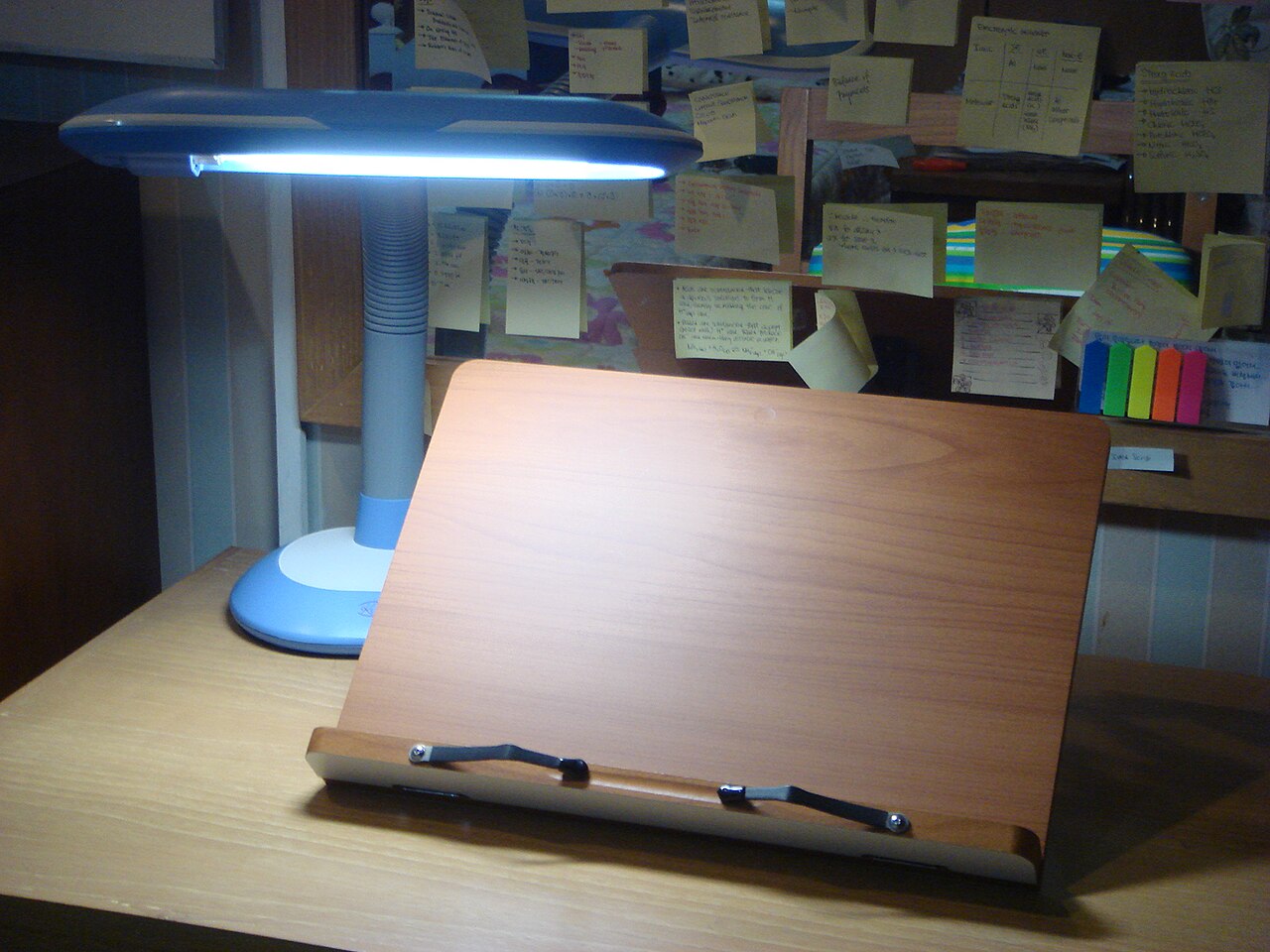
Environment design sounds grand, but it means one simple thing: make starting easy and make stalling hard. Keep your study materials visible and within reach. Put your phone in another room while you work.
The University of California, Davis, gives the same advice in its procrastination tips. Its list tells students to keep the phone out of sight while studying. A phone on the desk invites a glance, and a glance invites a scroll.
Clear your desk of everything except what the task needs. Harvard's guidance suggests taking five minutes, but not more, to clear your desk. Five minutes of tidying is preparation.
Thirty minutes of tidying is another form of delay.
Choose a regular spot when you can. A library desk, a kitchen table at a set hour, or a quiet corner all work. The spot itself becomes a cue.
Sitting down there tells your brain that work is about to start.
If you study at home, tell the people around you that you are starting a timed round. A short heads-up cuts interruptions. Headphones, even with no music, signal that you are busy.
Build a plan you can keep
A plan that only works on a perfect day will fail on a normal one. Build a plan that survives tired evenings and busy weekends.
Start with the deadline, then work backward. Split the assignment across the days you have. Give the hardest part to your best hours, not to the last hour before bed.
Use if-then plans. These are simple rules that link a time and place to an action. Here is an example.
"If it is 7 PM and I have finished dinner, then I will open my laptop and work on the introduction for 25 minutes."
A rule like this removes the daily debate about when to begin.
Add external motivators when inner drive runs low. Harvard's guidance suggests planning a reward after a specific chunk of work, such as a walk with a friend or a piece of chocolate. Study groups and accountability partners work the same way.
Sharing your plan helps too. Tell a friend, a tutor, or a teacher what you will finish today. A short check-in later makes the promise feel real.
If you miss the mark, reset the plan for the next day instead of abandoning it.
One habit to avoid is re-reading everything before you start. Re-reading feels like work, but it rarely moves the assignment forward. If you need to review, try active recall instead: close the book and write what you remember.
You can check the gaps after.
For more on study methods, see how to revise without re-reading everything and how to plan when an exam is one week away.
When you still feel stuck
Sometimes the block is not about willpower. The task may be unclear, or you may lack a piece of information you need to begin.
Ask for clarification. A short message to a teacher or tutor can unblock hours of stalling. Royal Roads University's learning-skills guide gives the same advice: find out all you can about the task, and do not fear asking for more detail.
Look for something interesting in the topic, or connect it to something that matters to you. You do not need to love the assignment. You need one angle that makes it worth starting.
Perfectionism deserves special attention. If you keep rewriting the first paragraph, set a rule: the first draft only needs to exist. You can fix a bad draft.
You cannot fix a blank page.
Watch for the relief trap. Avoiding the task feels good for a few minutes, then the worry returns. Naming that pattern helps.
When you catch yourself reaching for a distraction, ask one question: "What is the smallest step I can take right now?"
If low mood, anxiety, or sleep problems keep blocking your work for weeks, talk to a counsellor or a doctor. Procrastination can sit beside bigger problems, and support helps more than another productivity trick.
Frequently asked questions
Why do I procrastinate even when I care about the grade?
Caring about the grade can raise the stakes, which raises anxiety, which feeds delay. Harvard's guidance lists fear of failure and perfectionism among the main causes. Lowering the stakes of the first step helps more than raising the stakes of the outcome.
Is the Pomodoro Technique good for homework?
Yes, for most homework it works well. The 25-minute round fits reading, drafting, problem sets, and revision. Cirillo developed it as a student, and it has stayed popular because the rule is simple.
Adjust the round length if a task needs longer focus.
What if I only work well under pressure?
Last-minute pressure can produce a burst of work, but it also produces rushed work and poor sleep. Try recreating mild pressure on purpose with a timer and a public deadline, such as telling a friend you will send a draft by 8 PM.
How do I stop scrolling on my phone while studying?
Move the phone to another room during timed rounds. The University of California, Davis, advises keeping the phone out of sight while studying. If you need the phone for a timer, use a kitchen timer or a watch instead.
What should I do the night before a deadline?
Finish the draft early in the evening, then use the remaining time for a short check: read the prompt once more, fix errors, and submit. Avoid starting new research late at night. A finished draft beats a perfect plan.
The bottom line
Procrastination is a normal response to a task that feels big, unclear, or stressful. You beat it by making the first step small, setting a timer, and clearing the space around you. Start with one 25-minute round today, and let the finished round do the persuading.
Tags: homework, procrastination, study habits, student tips
Latest in Education
- How to plan when an exam is one week away
- How to revise without re-reading everything
- How to write a good essay introduction
Subscribe for one practical study tip each week.
Related stories

Why Do I Blank Out During Tests Despite Studying: Test Anxiety and Retrieval Failure
Blanking out in exams is retrieval failure, not missing knowledge. Anxiety drains working memory; rereading builds false confidence. Here

How to Study for Exams Without Burning Out
Sleep 7-8 hours, study in 25-50 minute blocks, and exercise daily. The science-backed way to study for exams without burning out, and what

Why Do I Forget What I Just Read? Science Has an Answer
You forget what you just read because of the forgetting curve, mapped by Ebbinghaus in 1885. Science explains why memory fades fast and how