
BBC says Abramovich aides faked papers to dodge tax: what we know
Key takeaways
- A joint investigation published on Oct 12, 2026 says Deloitte's Cyprus office signed off on backdated company papers linked to Roman Abramovich.
- Leaked documents suggest the paperwork hid assets worth over $10 billion from Cyprus tax authorities between 1999 and 2013.
- Abramovich's lawyers deny he knew about or directed any document changes. Deloitte Cyprus says it follows the law.

A BBC-led investigation says leaked documents raise questions about Deloitte's Cyprus office. The papers suggest it signed off on backdated paperwork for companies linked to Roman Abramovich. The documents say the papers hid over $10 billion in assets from tax authorities.
Abramovich is a Russian billionaire and the former Chelsea football club owner. His lawyers deny he evaded tax or hid his wealth. They say there is no evidence he knew about or directed any document changes.
Before the details, three simple terms. Offshore means a company registered in another country, often to pay less tax. A trust is a legal arrangement.
One person or company holds assets for someone else. A shell company is a company with no real business. It exists on paper, mostly to hold money or assets.
What happened
The investigation was published on October 12, 2026. It was led by the Bureau of Investigative Journalism. Partners included BBC Panorama, the Guardian and OCCRP. Reporters drew on more than 3.6 million leaked documents from the Cyprus Confidential project.
The files came from six Cypriot service providers, including MeritServus. MeritServus was a corporate services firm once owned by Deloitte. The documents covered more than 100 companies tied to Abramovich.
Investigators found over 1,000 records with earlier false dates. The backdating happened between 1999 and 2013. Some papers were dated up to five years before they were actually written.
Why backdate at all? Cyprus tightened its laws in the mid-2000s. Foreign-owned companies had to publish more financial details.
Cyprus was also preparing to join the EU in 2004. According to the investigation, his advisers wanted the assets out of reach of these rules.
The Amiscan scheme: $672m of luxury assets
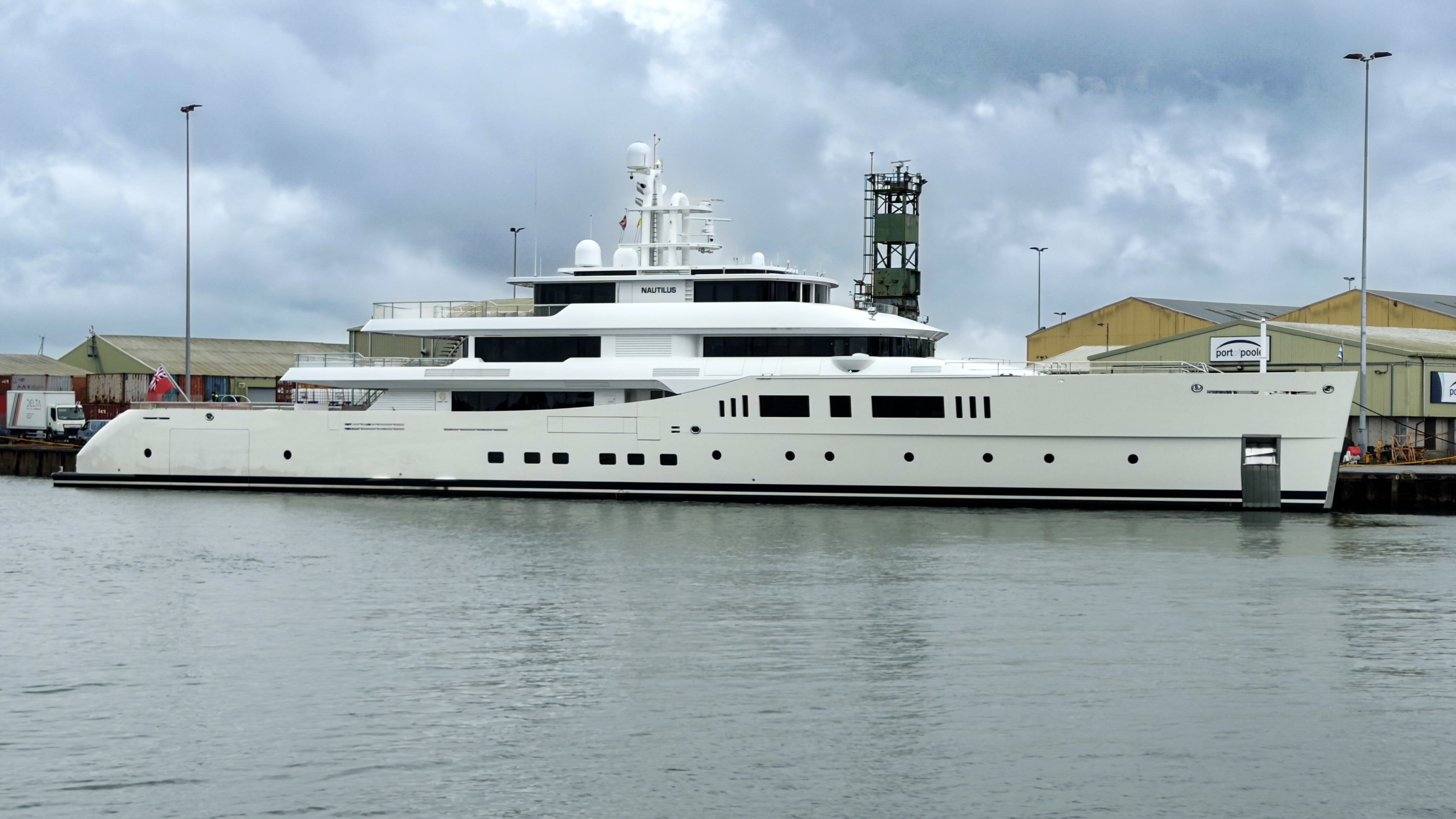
Amiscan Investments was a Cyprus company linked to Abramovich. Its draft 2003 accounts listed luxury assets. These included several yachts worth $354 million in total.
They included aircraft worth $142 million. They also included four properties in France and the UK worth $127 million. One yacht, the Pelorus, was valued at $147.5 million.
In 2006, Cyprus passed a law forcing companies to publish financial disclosures. According to the investigation, the advisers then moved the assets on paper. They were transferred to a parent company in the British Virgin Islands.
The transfer date was backdated by three years. It was made to look like it happened in 2003.
Deloitte Cyprus then signed off on the 2003 accounts. The assets had vanished from the statements. Only $75,000 in assets remained on paper.
Leaked emails suggest the firm's staff knew the papers were misleading. The British Virgin Islands is an offshore territory with less public reporting. That made it a useful place to park the assets.
The Kravin scheme: $3bn from an oil sale
Kravin Investments received about $3 billion in 2003. The money came from the sale of Sibneft oil shares. About $1.8 billion sat in bank accounts at the end of 2003. The money sat in bank accounts. Read our explainer on what happens to money in a bank if it fails.
The cash earned interest. Interest means the extra money a bank pays on deposits. In the first six months of 2005, that interest was $10 million.
Cyprus taxed this income at an effective rate of 15 percent. Learn how interest builds up in our guide to compound interest on savings.
Leaked emails show a plan to kill the tax bill. Documents were created from 2005 onward. They were dated as if they had been made in 2003. They claimed Kravin had paid the funds as a dividend in May 2003. The money supposedly went to Kelvedon Worldwide, a firm in the British Virgin Islands.
The papers also claimed Kravin merely held the money for Kelvedon. That claim could change how the interest was taxed. Reporters could not prove the plan was carried out.
But Kravin declared just $15,000 in tax for 2004 and 2005. A Deloitte Cyprus partner signed off on those accounts. The accounts were not filed until 2016.
Why it matters
Deloitte is one of the world's biggest accounting firms. Auditors are meant to check that company accounts are true. According to the investigation, Deloitte's Cyprus office helped create the false papers.
It then signed off on the accounts built on them. If true, that breaks basic trust in the system.
Andrew Mitchell KC is a barrister who studies tax law. After reviewing the evidence, he called the scheme "straightforward" tax evasion. Alex Cobham leads the Tax Justice Network.
He said false documents given to a tax authority could amount to tax evasion.
MeritServus sits at the center of the story. It was once part of Deloitte Cyprus. It split off in 2005 under accountant Demetris Ioannides.
The UK sanctioned MeritServus and Ioannides in 2023. The UK said they helped Abramovich hide nearly $1 billion in assets.
The timing matters. Abramovich was sanctioned by the UK and EU in 2022. This followed Russia's invasion of Ukraine. Authorities in Jersey are also investigating him.
They suspect money laundering linked to the Sibneft sale proceeds. His lawyers deny all the allegations. They note that no charges have been brought.
What happens next
One criminal tax case is already moving in Cyprus. Entities linked to MeritServus are defendants. So is Blue Ocean, a superyacht firm once tied to Abramovich.
They are accused of failing to pay over 26 million euros in taxes. Abramovich's lawyers deny he played any role in the case.
Cyprus's accountants' body has already acted. It ended MeritServus's licenses after the 2023 UK sanctions. Regulators may now turn to Deloitte Cyprus.
The firm says it acts in compliance with the law. It also says it cannot access emails from more than 20 years ago.
Tax authorities could ask for more documents. The leaked files may trigger fresh probes. The investigation says no Deloitte firms outside Cyprus were involved.
Nothing is proven in court yet. These are claims from a review of leaked documents. No court has ruled that tax was evaded.
No finding says Abramovich knew about the paperwork.
The case will likely run for years. Watch the Cyprus courts first. Then watch the Jersey investigators.
If more documents surface, the tax bill for the backdated years could be large.
This article is for information only and is not medical/financial advice.
Related stories

How your APR is divided by 365 to get daily interest
Lenders divide your APR by 365 for a daily rate, then apply it to your average daily balance. This guide walks through every step

What is the difference between APR and effective annual rate?
APR ignores compounding inside the year; the effective annual rate includes it. A 12.99% APR card really costs 13.80% a year. Worked

APY vs interest rate: what compounding does to your money
APY includes compounding; the interest rate does not. A 5% rate compounded monthly is really 5.12% APY. Here is how the math works and what