
ATO tax boss admits credit card ban mistake: what happens next
Web StoryWatch this story in 15 seconds →Key takeaways
- Australia's tax boss admitted he wrongly assumed why small businesses pay tax by credit card.
- The ATO will stop taking credit card payments for tax bills from 30 June 2027.
- The decision followed the RBA surcharge ban, which left the ATO unable to pass on card fees.
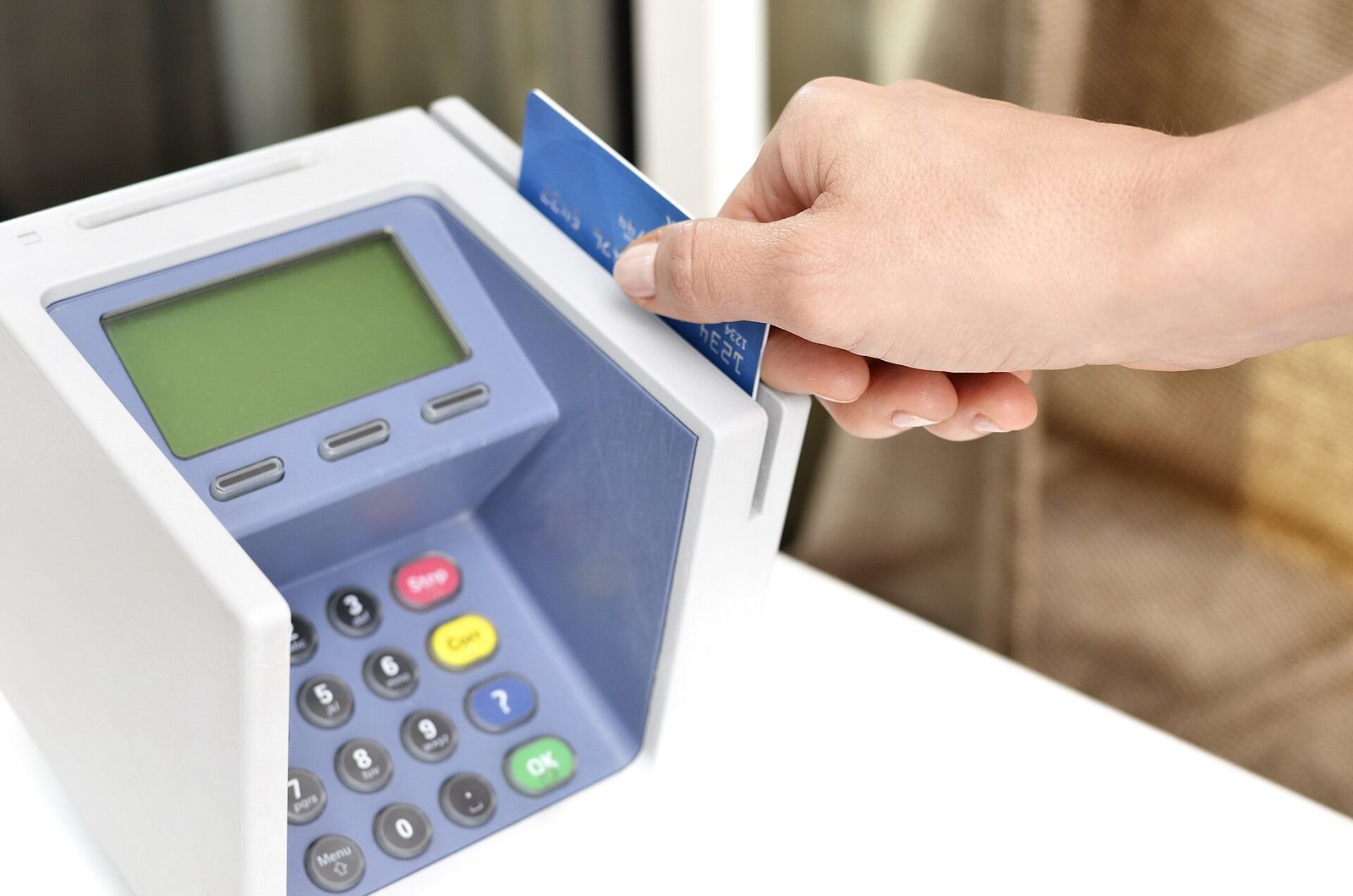
Australia's tax chief has admitted he made a wrong call on credit cards. Rob Heferen is the Commissioner of Taxation. He leads the Australian Taxation Office, known as the ATO.
He told senators he had "jumped to the conclusion". He meant why small businesses pay tax by card. His words made headlines this week.
Here is the full story in simple terms.
What happened
On 1 October 2026, the ATO made a big announcement. It said it would stop accepting credit cards. After 30 November 2026, people could no longer pay tax debts with a credit card.
That was the original plan.
But eight days later, the government stepped in. Treasurer Jim Chalmers announced an extension. The ATO will now keep taking credit cards until 30 June 2027.
Small businesses said the first deadline was too soon. The government listened.
The real news came this week at Senate Estimates. That is a hearing where senators question top public servants. Heferen gave senators the full timeline.
He admitted his key mistake. He had assumed that businesses paying tax by card were in money trouble. He thought they used cards because cash flow was tight.
"Hindsight's a wonderful thing," he said, according to Kalkine Media.
Why does this matter? The ATO treated card users as a debt-risk group. But many business owners say cards are just a normal tool.
They use them to time payments. They earn reward points. They keep working capital in the business.
The ban took away a normal payment option, not just a crisis tool.
Why did the ATO ban credit cards at all?
The ban did not start with the ATO. It started with the Reserve Bank of Australia, or RBA. The RBA reviewed card payment costs.
Its review began in October 2024. It published final decisions in March 2026. From 1 October 2026, card networks could stop businesses from adding surcharges.
Visa, Mastercard, eftpos and American Express all did this.
The idea was simple. A surcharge is the extra fee you pay for using a card. The RBA said surcharges were not working as planned.
About 16% of Australian businesses added surcharges. Now they must fold card costs into their prices. Your coffee may just cost more on the menu.
But a tax bill is not a coffee. Tax amounts are set by law. The ATO cannot "reprice" a tax bill.
Commissioner Heferen said the ATO cannot build card costs into prices. So the ATO had two choices. It could pay the card fees itself.
Or it could stop taking cards. It chose to stop taking cards.
How big are those fees? The ATO estimates card merchant fees cost about $200 million a year. That figure is expected to grow.
Heferen said it was "not tenable for the ATO to absorb the costs associated with accepting credit cards on an ongoing basis." Less money for the ATO means less money for government services.
Before deciding, the ATO tried to cut a deal. Heferen said the agency approached credit card companies. It asked for a lower fee rate.
The companies said no. "They declined to offer a sufficiently low rate," Heferen said, according to Accountants Daily.
Heferen also said he personally decided to propose the ban. A letter from Assistant Treasurer Daniel Mulino brought the issue to a head. Mulino wrote about the RBA surcharge reforms.
After that, Heferen first discussed the matter with Mulino. Small businesses learned about the plan only a day before the public announcement.
The numbers behind the ban are disputed. In 2024-25, about 5% of small businesses used credit cards to pay tax debts. That is what the ATO said.
It said cards made up only 2.3% of all ATO collections that year. But accountant Natalie Lennon doubts those figures. She said about 70% of her own small business clients pay tax by card.
The ATO says its figures are accurate.
Why it matters
This fight is really about small business cash flow. Cash flow is the money moving in and out of a business. Many owners pay big tax bills with credit cards.
This buys them a few extra weeks. It smooths out the rough months. Removing that option hurts, especially now.
The building industry is worried. Simon Croft leads industry policy at the Housing Industry Association, or HIA. He said the ban removes "a legitimate payment option" used by some businesses to manage cash flow.
Builders face rising costs and tighter trading conditions.
Cash flow is one of their biggest challenges.
Andrew McKellar is the chief executive of the Australian Chamber of Commerce and Industry. He called the decision "complete hypocrisy."
His point is simple. Small businesses are told to absorb card fees.
But the tax office itself will not do the same.
The opposition has attacked the government too. Liberal leader Angus Taylor said the prime minister boasts about ending surcharges. "But there's a catch," Taylor wrote on social media.
"While small businesses are being told to absorb the cost of accepting credit cards, his own Tax Office has decided it won't."
Not everyone is as harsh. Matthew Addison chairs the Council of Small Business Organisations Australia. He said only a small share of businesses will be affected.
But he agreed the impact on those firms can be "significant." He wants the ATO to think through the real-world effects.
Liberal senator Jane Hume was blunter. She said the evidence showed the ATO "may have bungled" the ban. The Small Business Ombudsman also raised concerns with the ATO.
This came after the announcement.
What happens next
You can still pay the ATO by credit card until 30 June 2027. The extension gives businesses eight extra months. But the ban will still land.
After that date, you will need another way to pay. Options include bank transfers and direct debit.
Heferen promised a different approach next time. He said future changes would start with a "more open conversation" with businesses.
He told senators the ATO would try "to engage with people earlier." Senators may now ask him to correct some figures through written answers.
Watch for one thing. The ATO will need to consult small business groups. It must find what replaces card payments after June 2027.
Heferen indicated the agency will do this. Business owners should talk to their accountant now. Review how you pay your tax bills.
Plan for a world without the credit card option.
This article is for information only and is not financial advice.
Small businesses can still use cards for most payments. The RBA ban only stopped the extra surcharge at the checkout. Shops cannot add a fee on top for card use.
They may raise prices instead. For more on why shops add card surcharges and how card payments work behind the scenes, keep reading our finance coverage. If you are worried about your tax return deadline, check the key dates early.
And if the economy is weighing on you, our explainer on Australia's recession warning breaks down the signals in plain English.
Related stories
How your APR is divided by 365 to get daily interest
Lenders divide your APR by 365 for a daily rate, then apply it to your average daily balance. This guide walks through every step
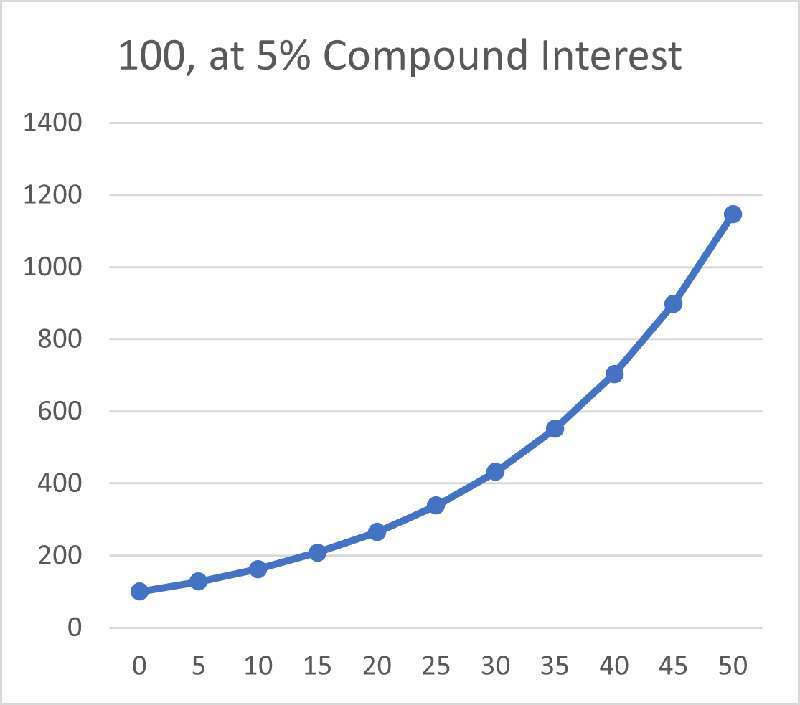
What is the difference between APR and effective annual rate?
APR ignores compounding inside the year; the effective annual rate includes it. A 12.99% APR card really costs 13.80% a year. Worked
APY vs interest rate: what compounding does to your money
APY includes compounding; the interest rate does not. A 5% rate compounded monthly is really 5.12% APY. Here is how the math works and what