
Tax trust changes divide Australia over fairness and cost
Key takeaways
- Australia tabled a 30 per cent minimum tax on trusts.
- The tax would start on 1 July 2028 if Parliament passes it.
- Critics warn of higher costs and complex choices for small firms.
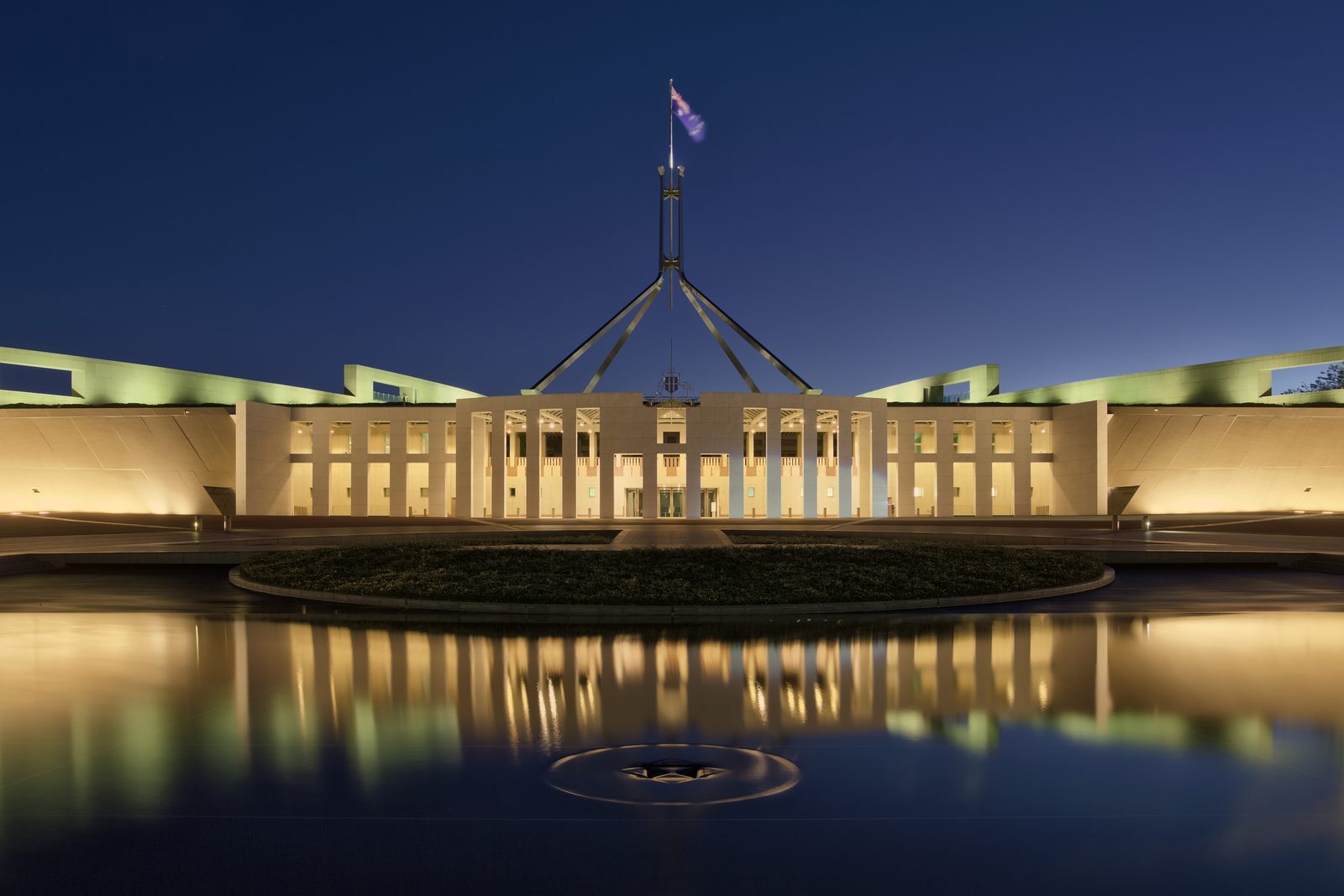
Australia plans a new minimum tax on discretionary trusts. The rate would be 30 per cent. The plan has split politicians, small firms, and tax advisers.
This article explains the plan in plain words. It covers what a trust is, what would change, and what comes next.
This article is for information only and is not medical/financial advice.
What happened
What is a discretionary trust?
A trust is a legal setup for holding money or property. A trustee manages the trust. A trustee decides who gets income each year.
The people who may get money are called beneficiaries.
A discretionary trust gives the trustee choice. The trustee can shift income between family members. That choice is the heart of this debate.
According to Grant Thornton, trustees manage assets and decide how beneficiaries receive money. According to Sladen Legal, the new tax would work as a top-up. It would fill the gap up to 30 per cent.
In plain words, a top-up means this. If the tax paid is below 30 per cent, the trust pays the gap. If the tax paid already hits 30 per cent, the extra rate is zero.
The bill reaches Parliament
On 14 October 2026, the government tabled bills in Parliament. According to Accountants Daily, Treasurer Jim Chalmers introduced the bill. The bill is called the Treasury Laws Amendment Tax Reform No 3 Bill 2026.
Chalmers called it part of a large tax reform package. According to Accountants Daily, he said the plan would make the tax system fairer. He also said it would fund income tax cuts for workers.
According to Grant Thornton, the policy began in the May 2026 Federal Budget. A consultation paper followed in July. Draft legislation followed in September.
The plan would start on 1 July 2028. From that date, trustees would pay the minimum tax. The tax would apply to the taxable income of trusts in scope.
Beneficiaries who are not companies would get a non-refundable offset. According to Accountants Daily, the offset would cover the tax paid by the trustee. Corporate beneficiaries would not get that offset.
Chalmers said the 30 per cent rate lines up with worker tax rates. According to Accountants Daily, he pointed to workers on incomes between 45000 and 135000 dollars. For those workers, the marginal tax rate is 30 per cent.
Who is left out?
Not every trust would face the new tax. According to Accountants Daily, fixed trusts would be left out. Charitable trusts would be left out.
Special disability trusts would be left out. Superannuation funds would be left out.
Primary production income would also be left out. Certain income for vulnerable minors would be left out. Deceased estates would be left out.
Discretionary testamentary trusts for genuine testamentary purposes would be left out.
Distributions to registered charities would be exempt. Distributions to deductible gift recipients would be exempt. Other tax-exempt entities would also get an exemption.
Sporting clubs would face a cap.
According to Sladen Legal, widely held trusts should fall outside the regime. Managed investment trusts should also fall outside. Bare trusts and employee share trusts should fall outside too.
The bill also covers other tax changes. According to Accountants Daily, it includes new rules for negative gearing. It also includes changes to capital gains tax.
Those rules focus on new homes and affordable housing.
Why it matters
The fairness argument
The government says the current setup is unfair. It says trusts let income move to people with lower tax rates. That shift can cut the total tax bill.
Workers on wages cannot do the same.
Chalmers said the reform would align tax on work and tax on assets. According to Accountants Daily, he said the plan would improve the tax system. He also said it would provide fair transition rules for current structures.
The Greens agree that trusts need reform. But they say the bill is too weak. According to Accountants Daily, Greens Senator Nick McKim called for a Senate inquiry.
He said Labor had watered down its own plan.
McKim said the tax system has loopholes that help the wealthiest 1 per cent. He said discretionary trusts are one way wealthy people cut tax. He said workers pay more than their share.
A Senate inquiry would test those claims. It would ask if the bill goes far enough. It would also ask if the concessions weaken the plan.
The cost and complexity argument
The opposition rejects the bill. According to Accountants Daily, shadow treasurer Tim Wilson called for a committee review. He asked for the bill to go to the economics standing committee.
That request was refused.
Wilson said the plan never went to voters at the last election. He said the government had promised not to bring this type of law. He also raised stamp duty costs for firms that restructure.
Shadow assistant treasurer Kevin Hogan warned about compliance costs. According to Accountants Daily, Hogan said tax accountants would be the great winner. He pointed to 350000 small businesses that use these structures.
Hogan said those firms use trusts to protect income. He said the new law would bring doubt. He said the cost of tax advice would rise sharply.
Grant Thornton shares those worries. It said the final law leaves key problems unsolved. It said the law is complex and hard to apply.
It said small and medium firms would feel the impact most.
The firm also warned about double tax. According to Sladen Legal, corporate beneficiaries stay outside the offset. Where both taxes apply, the effective rate can approach 60 per cent.
That gap is a key flaw in the design.
For readers new to tax, double tax means this. The same income could face tax twice. First the trustee pays the minimum tax.
Then the company beneficiary faces its own tax. The offset does not fix that second hit.
Three hard choices for trustees
Grant Thornton says private groups face three options. Each option has a cost. Each trust needs its own choice.
First, a group can accept the minimum tax. That choice keeps the trust but adds tax. Corporate beneficiaries would no longer work well.
Second, a group can choose the excluded election trust path. This is called the EET election. It can exempt the trust from the minimum tax.
But it cuts future choice.
Third, a group can restructure out of the trust. It can move assets to a company or a fixed trust. That move can bring legal and tax costs.
The EET path has strict rules. According to Sladen Legal, the trust must nominate beneficiaries. It must allocate 100 per cent of income and capital.
Income shares and capital shares must match.
The trustee must follow the nomination each year. Changes are allowed only for death or relationship breakdown. A trustee can revoke the election.
But that revocation cannot be reversed.
A wrong distribution can trigger automatic revocation. According to Sladen Legal, the trustee would then face tax at the top marginal rate. The trustee would also face the Medicare levy on all net income for that year.
The restructure path has its own deadline. According to Accountants Daily, rollover relief would run from 1 July 2027. It would last for three years. It would help firms move to a company or a fixed trust.
According to Sladen Legal, the rollover would run to 30 June 2030. The trustee must move all relevant trust assets. The move must go to a single transferee. The trustee must meet rules on ownership and residency.
The two escape paths cannot mix. According to Sladen Legal, a trustee cannot use both. A rollover choice blocks an EET election.
An EET election blocks a rollover choice.

For families with more than one trust, the work grows fast. According to Grant Thornton, a group with five trusts needs five choices. Those choices may differ by trust.
They must also fit together as one plan.
This is why the debate is so loud. The law is not just a rate. It is a full redesign of how trusts work.
It touches tax withholding rules, business plans, and family plans.
Small firms may face new advice bills. They may need to review each trust. They may need to model each option.
That work takes time and money.
The same pressure applies to other tax breaks. Readers can compare this plan with the HSA triple tax advantage in the United States. They can also read about the pension inheritance tax change.
What happens next
The bill is now before Parliament. It is not law yet. It must pass both houses.
It must also survive talks in the Senate.
According to Grant Thornton, the opposition will not support the bill. The government will need Greens support in the Senate. But the Greens have concerns about the bill.
That leaves the outcome open. The bill could pass as tabled. It could change after talks.
It could also stall if talks fail. Rate moves shape household budgets too. See Fannie Mae's 2027 mortgage forecast for the US home loan outlook.
A Senate inquiry is one possible next step. According to Accountants Daily, the Greens plan to seek one. The opposition also sought a committee review.
An inquiry would hear from firms and advisers.
Trustees should not rush to act. The final words of the law do not exist yet. According to Grant Thornton, the outcome is not certain.
The bill may not pass in its current form.
Still, trustees can start to prepare. They can list each trust they control. They can check which trusts fall in scope.
They can ask a licensed adviser about their own facts.
They should not act on general news alone. Every family has different facts. Every trust has different terms.
A choice that fits one trust may harm another.
The government has offered some transition help. According to Accountants Daily, trusts can elect to nominate beneficiaries up front. If they follow that nomination, they can avoid the minimum tax.
That path needs no restructure.
Chalmers said the election would not restrict a trust's powers. According to Accountants Daily, he said it should not trigger state stamp duties. That claim will face close checks in each state.
The rollover path offers a second bridge. It would defer direct income tax on asset moves. It would help firms that want a simpler structure.
But it still needs care with state taxes and asset transfers.
Watch three signals in the next weeks. First, watch for a Senate inquiry. Second, watch for Greens demands and government replies.
Third, watch for any change to the exempt entity cap.
If an inquiry starts, expect long submissions from small firms. Expect tax bodies to push for simpler rules. Expect the government to defend the core rate.
If talks fail, the bill could return in a new form. The 30 per cent idea may stay. The details around exclusions and caps may shift.
The start date of 1 July 2028 gives time for those talks.
For now, the fight is about balance. One side wants a fairer tax base. The other side wants lower costs and simpler rules.
Parliament must choose where that balance sits.
Related stories

How your APR is divided by 365 to get daily interest
Lenders divide your APR by 365 for a daily rate, then apply it to your average daily balance. This guide walks through every step

What is the difference between APR and effective annual rate?
APR ignores compounding inside the year; the effective annual rate includes it. A 12.99% APR card really costs 13.80% a year. Worked

APY vs interest rate: what compounding does to your money
APY includes compounding; the interest rate does not. A 5% rate compounded monthly is really 5.12% APY. Here is how the math works and what