
Fannie Mae 2027 mortgage forecast raises rates outlook for buyers
Key takeaways
- Fannie Mae now expects the 30-year mortgage rate to average 7.5% through 2027, up from 6.7%.
- High rates lift monthly payments and make it harder for some buyers to qualify for a loan.
- More homes are for sale, yet pending sales fell as buyers wait for lower costs.

Fannie Mae raised its mortgage rate forecast for 2027. It now expects the 30-year rate to average 7.5% through next year. That is a sharp rise from its prior call of 6.7%.
What happened
Fannie Mae posted a new forecast this week. It covers the 30-year fixed mortgage rate. For the last three months of 2026, it expects 7.4%.
For all of 2027, it expects 7.5%. Its prior call was 6.8% for late 2026 and 6.7% for 2027. That means the 2027 call rose by 0.8 points. Traders Union said CNBC reported the new forecast.
The update lifts the outlook by a wide margin.
The new call matches where rates sit today. Mortgage News Daily put the 30-year rate at 7.46% on Tuesday, October 13. Morningstar put the rate at 7.56% as of October 14. The Mortgage Bankers Association gave a close call too. It expects 7.3% in late 2026 and over 7% in 2027. Two big forecasts now point the same way.
Rates should stay high for a while.
What is Fannie Mae?
Fannie Mae is a large US housing finance firm. It backs about one in four home loans in America, according to MarketWatch. Its size is why its forecast gets wide notice.
A forecast is a best guess about the future. It uses fresh data on prices, jobs, and rates. Forecasts can change when new data lands.
This one moved up in a big way.
What is a mortgage rate?
A mortgage is a loan to buy a home. The buyer pays it back over many years. The rate is the yearly fee for that loan.
It is shown as a percent of the loan. A 30-year fixed rate stays the same for 30 years. The loan part of the payment stays the same too.
A higher rate means a higher monthly cost. A lower rate means a lower monthly cost. That simple link drives the whole housing market.
Why it matters
Monthly payments
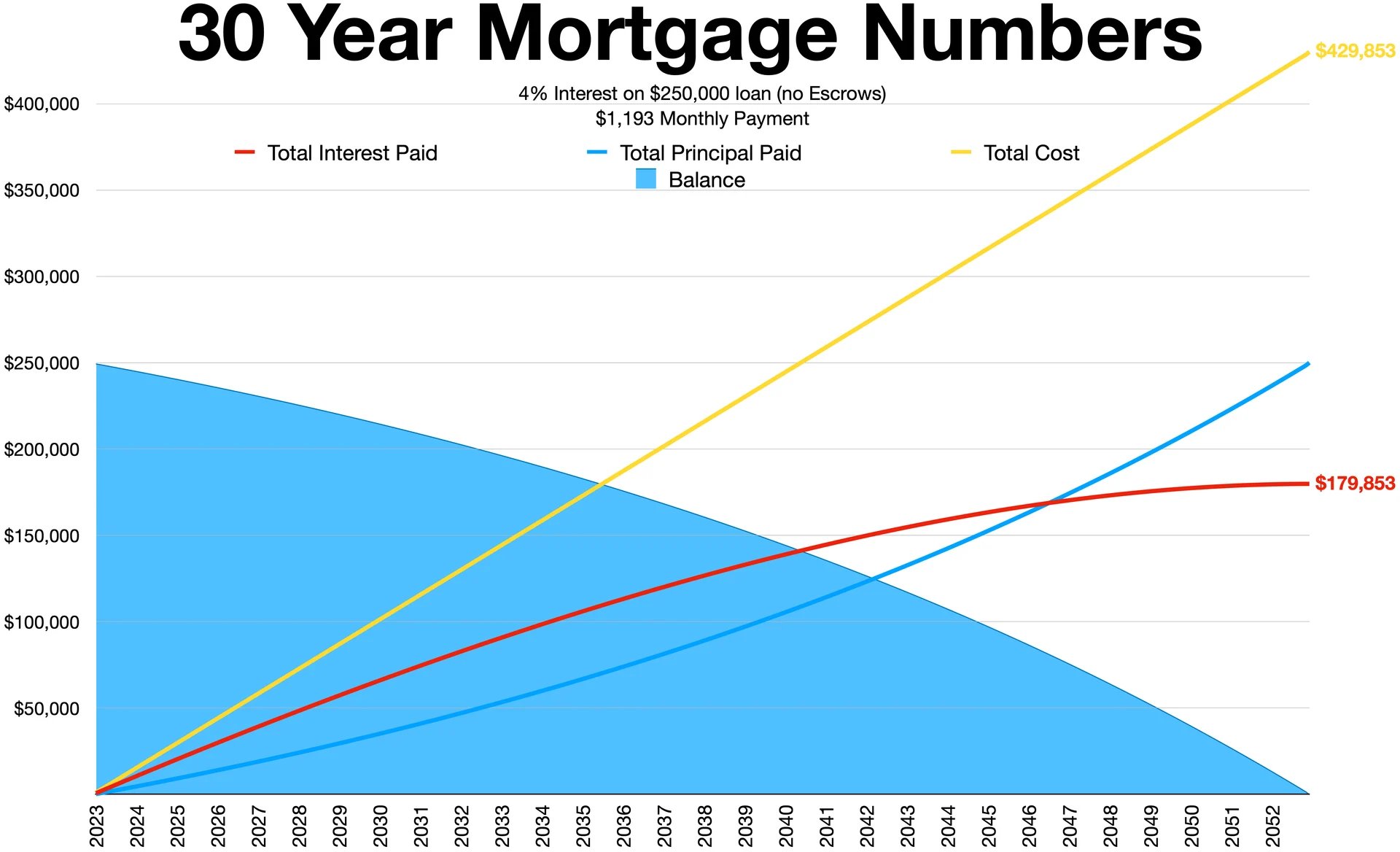
Small rate moves change the monthly bill by a lot. Take a $425,000 home with 20% paid up front. A down payment is cash paid at the start.
At 7.5%, the monthly housing cost is about $3,000, according to Bankrate. That total covers loan, taxes, and home insurance. At 6.5%, the cost drops to under $2,800. That is a gap of about $200 each month.
Over a year, that gap tops $2,400. Over five years, it tops $12,000. A loan that costs more each month leaves less room for bills. It also leaves less room for savings.
Higher rates also make loans harder to get. Lenders check if a buyer can pay each month. A bigger bill means fewer buyers pass that check.
Mortgage rates have climbed since early September. That climb hit buyers at a bad time. Prices were already high.
Now the cost to borrow is high too. Buyers with a small down payment may also pay for mortgage insurance. That adds one more cost to the monthly bill.
Fewer buyers, more choice
Pending sales fell 8.5% in September from a year ago, according to Zillow. Pending sales count signed home purchase deals. High costs push some buyers to wait.
Yet more homes are now for sale. The count hit its highest mark since November 2019. The figure comes from the National Association of Realtors. About four in 10 sellers cut prices by October 12, according to ParclHQ.
Sellers now outnumber buyers by 63%, according to Redfin. Buyers have more room to ask for a better deal. But high rates still block many of them.
Choice helps only if the monthly bill fits.
Why rates are high
Mortgage rates track the bond market. They follow the yield on the 10-year Treasury note. A yield is the return that bond buyers earn.
When yields rise, mortgage rates tend to rise too. Inflation is one force pushing yields up. Inflation means prices rise across the economy.
A fresh inflation report came in hotter than hoped. Bond investors then asked for higher returns. That pressure pushed mortgage costs up.
The Federal Reserve also raised its benchmark rate. It was the first such rise in more than three years. The Fed does not set mortgage rates.
Mortgage rates do not copy Fed moves at once. They react to what the Fed may do next on inflation. The Fed sets a key short-term rate.
That short-term rate is called the federal funds rate. Mortgage rates move on a different track. They track bonds, not the Fed rate.
Mike Fratantoni is chief economist at the Mortgage Bankers Association. He linked high inflation to higher short-term rates. He also linked large budget deficits to higher long-term rates.
A budget deficit means the state spends more than it takes in. Bond investors push up long-term rates when deficits run high. That mix keeps mortgage rates near their highs.
Mortgage News Daily noted a calm day on October 13. Rates edged to another two-week low that day. The bond market saw little sharp movement. But inflation data the next day could move rates again.
One calm day does not end the trend. The wider path still points up.
What happens next
Forecasts are not promises. Fannie Mae may revise its call again. New inflation data can shift rates fast.
Buyers can track the 30-year rate each week. They can ask lenders how a rate shifts their monthly bill. They can check what cash they need up front.
They can also ask about loan choices and fees. Sellers may keep cutting prices if buyers stay scarce. That trend could ease the strain for some buyers.
Policy shifts can change household budgets in other ways too. See how Australia's trust tax debate could hit family budgets.
This article is for information only and is not medical/financial advice. Talk to a licensed adviser for choices that fit your case. Compare the full monthly cost, not just the rate.
Look at taxes, insurance, and fees too. A clear budget makes the next move easier.
The next months will test this new forecast. Watch inflation reports and bond yields for the next shift. For now, high rates shape the math for most buyers.
The market has more homes and more price cuts. Yet the monthly bill still sets the pace.
Related stories

How your APR is divided by 365 to get daily interest
Lenders divide your APR by 365 for a daily rate, then apply it to your average daily balance. This guide walks through every step

What is the difference between APR and effective annual rate?
APR ignores compounding inside the year; the effective annual rate includes it. A 12.99% APR card really costs 13.80% a year. Worked

APY vs interest rate: what compounding does to your money
APY includes compounding; the interest rate does not. A 5% rate compounded monthly is really 5.12% APY. Here is how the math works and what