
Bank of Canada raises rates to 2.5% in first hike since 2023
Web StoryWatch this story in 15 seconds →Key takeaways
- The Bank of Canada raised its key rate to 2.5% on October 28, 2026. It is the first hike since July 2023.
- Big banks raised their prime rate to 4.70% on October 29. Variable mortgage payments will rise.
- The Bank acted to stop high energy prices from spreading into everyday prices. It may hike again on December 9.
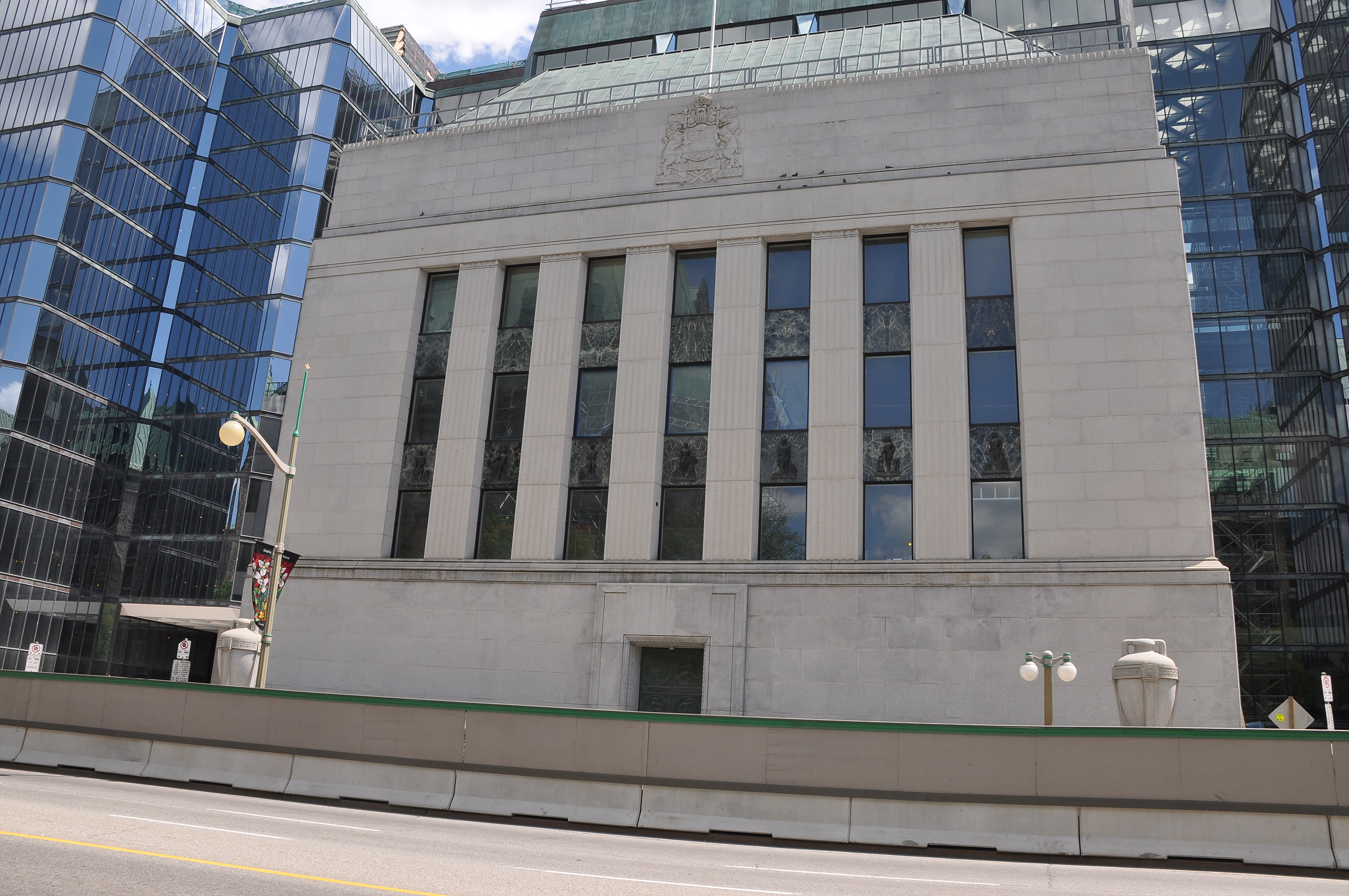
Canada's central bank raised its key interest rate on October 28, 2026. The rate went from 2.25% to 2.50%. It is the first increase in more than three years. Borrowing is about to get more expensive for Canadians.
What happened
The Bank of Canada sets one key rate. Think of it as the base rate for the whole country. Banks use it to price loans and mortgages.
On Wednesday, the Bank lifted it by a quarter of a percentage point, to 2.50%.
This was the first hike since July 2023. The rate had sat at 2.25% since October 2025. The Bank held it steady at seven meetings in a row. Then it moved.
Alongside the key rate, the Bank Rate rose to 2.75%. The deposit rate moved to 2.45%. These are technical rates that banks use with each other.
The big banks acted the same day. RBC, TD, BMO and CIBC raised their prime rate from 4.45% to 4.70%, effective October 29, according to Nesto.
The prime rate is the base rate banks charge their best customers. Most variable mortgages follow it. This is how banks set their rates when the central bank moves.
Why it matters
The decision surprised many people. Canada lost about 110,000 jobs in August and September, according to Nesto.
Unemployment sits at 6.5%. Why raise rates when jobs are falling?
The answer is energy prices. Gas and oil prices are running hot. Prices in September rose 3.1% from a year earlier, said Statistics Canada.
That is above the Bank's 1% to 3% target range. Energy prices were up 19.0% over the year. Gas was up 27.8%.
Without gas, inflation was only 2.2%. The Bank's core measures stood at 1.8% and 1.9%.
Core inflation strips out items with prices that jump around. So the Bank's worry is not today. It is tomorrow.
Governor Tiff Macklem said the Bank acted "to reduce the risk that continuing high energy prices spread broadly to the prices of other goods and services." In plain words: if gas stays costly, shops and firms may raise prices for everything. The Bank wants to stop that before it starts.
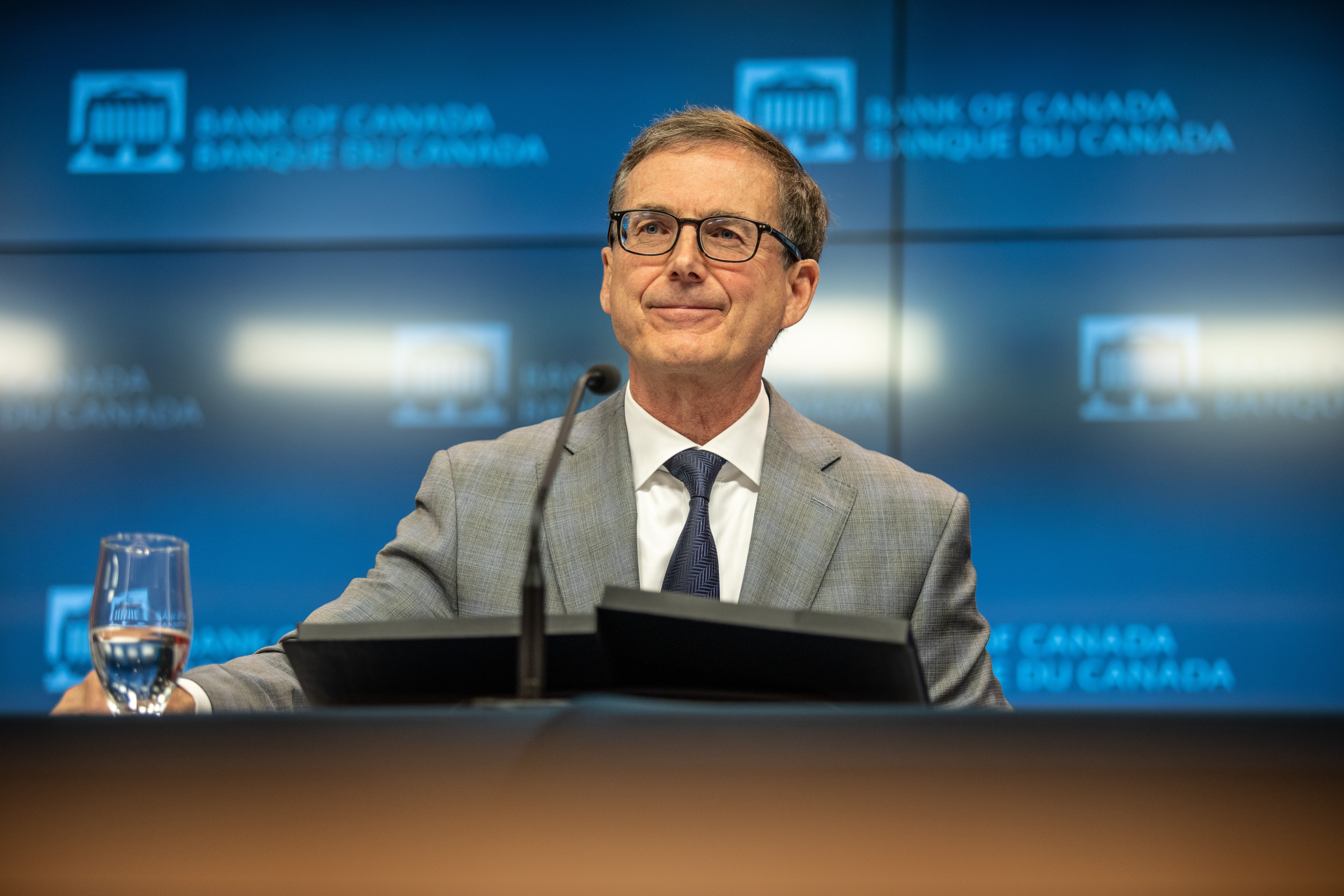
The Bank's surveys back this fear. About half of the firms in its October survey said they plan to pass at least some higher costs to customers.
Industrial product prices climbed 14.5% from a year earlier in September. That suggests cost pressure is building further up the chain.
Oil is the big driver. Brent crude traded near $101 a barrel in mid-October. It touched a six-month high of $103. In July the Bank had assumed oil would average about $75. It now assumes about $100 a barrel in the last quarter of 2026.
What happens next
The Bank may not be done. Macklem said, "There could be a need to increase the policy rate further, but given uncertainties, we will proceed carefully," according to Reuters. Markets are pricing in four quarter-point hikes by the end of 2027. That would take the rate to 3.25%.
The next rate decision is December 9, 2026. Much will depend on whether energy-driven price rises spread into everyday goods. Growth could be slowed by a weak job market and trade pressure.
The Bank's new forecast is gloomier on prices. It now expects inflation to reach about 3.5% by the end of 2026. Inflation should average 3.1% in 2027, up from the 2.0% it predicted in July. It sees inflation settling back at the 2% target by mid-2028.
For borrowers, the math is simple. On a $500,000 variable mortgage with 25 years left, a quarter-point move adds about $70 a month, according to Nesto. On $300,000, it adds about $42. Ratehub's Clay Jarvis told MoneySense that the lowest five-year variable rate will likely rise from 3.45% to 3.70%.
Fixed mortgages are not affected. Fixed rates follow government bond yields, not the Bank's rate. They matter only when you renew or take out a new loan.
There is one silver lining. Jarvis noted this is welcome news for savers.
People with guaranteed investment certificates and high-interest savings accounts should see their returns rise after the hike. Every extra dollar in a bank account earns a little more.
For now, the Bank is walking a fine line. It is raising the cost of borrowing while jobs are falling.
It is doing so to keep inflation from spreading. Whether one more hike comes in December will depend on the price of oil and the cost of everyday goods.
This article is for information only and is not financial advice.
Related stories

How your APR is divided by 365 to get daily interest
Lenders divide your APR by 365 for a daily rate, then apply it to your average daily balance. This guide walks through every step

What is the difference between APR and effective annual rate?
APR ignores compounding inside the year; the effective annual rate includes it. A 12.99% APR card really costs 13.80% a year. Worked

APY vs interest rate: what compounding does to your money
APY includes compounding; the interest rate does not. A 5% rate compounded monthly is really 5.12% APY. Here is how the math works and what