
Forgotten bank money explained: where it goes and how to claim it
By Rive News / Research desk | Rive News / Published October 28, 2026 at 9:00 AM PKT
Key takeaways
- A forgotten account first goes dormant, then its balance is handed to the state as unclaimed property.
- For most bank accounts, the dormancy period runs three to five years, depending on the state.
- The state holds the money as custodian, and owners or heirs can claim it at any time, free of charge.
[The interior of a bank vault from 1901, where forgotten money was once physically held.] Photograph: Bank vault, 1901
Image Credits: Wikimedia Commons
An old savings account, opened for a first job or a childhood deposit, is easy to forget. A move, a new bank, and a changed email address can break every link between you and the account. The money does not vanish, and the bank does not simply keep it.
It follows a legal chain that ends with the state holding it for you.
This article follows that chain: dormancy, fees, the bank's final attempt to find you, transfer to the state, and the claim process. It also explains how to stop the chain before it starts.
How an account becomes dormant
An account becomes dormant when there has been no owner-initiated activity for a set period. That period varies by state and account type, but for most bank accounts it falls between three and five years of inactivity, according to LegalClarity. Activity that resets the clock includes making a deposit or withdrawal, cashing a cheque, logging into an online account, or responding to a statement or notice from the institution.
Dormancy is not the same as closure. The account still exists, and the money still belongs to you. What changes is how the bank treats it.
The bank may restrict online access, require identity verification before any transaction, and in many cases charge a dormancy fee. A small balance can shrink under those fees over time, which is one reason a forgotten account with a modest sum can be worth less when it is finally found than when it was opened.
The dormancy clock also runs differently for different kinds of property. Payroll cards and health savings accounts can trigger a three-year period under the Revised Uniform Unclaimed Property Act, according to LegalClarity. Uncashed paychecks can become reportable in as little as one year.
Bank accounts sit in the middle of that range, which is why three to five years is the figure most guides quote.
The bank's last attempt to reach you
Before transferring your money, the bank must make a final attempt to reach you. That step is called due diligence. It typically means sending a written notice to your last known address, usually six to twelve months before the reporting deadline, according to LegalClarity.
The notice tells you the account exists, that it is at risk of being reported as unclaimed, and what you need to do to prevent the transfer.
If your address has changed and the letter bounces back, the bank has generally met its obligation. The property then moves to the state. That is the quiet failure at the heart of most forgotten-account stories.
The bank did write. The letter went to an address you left years earlier.
This is also the point where a small action saves the most trouble. Responding to the notice, making a small deposit, or logging in and updating your contact details all count as owner activity. Any of them resets the dormancy clock and stops the transfer.

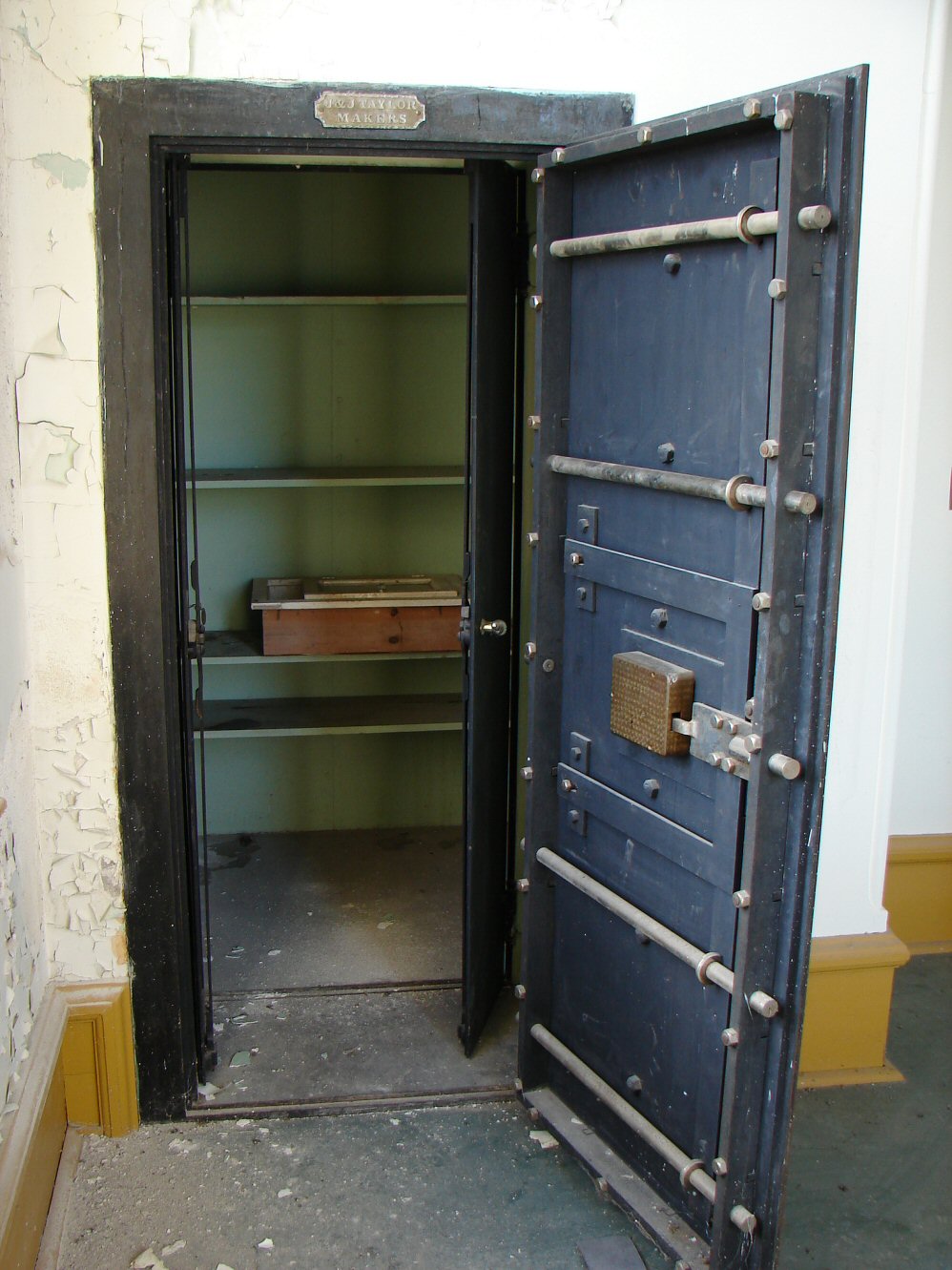
[A bank vault door, the barrier between a forgotten balance and the account holder.] Photograph: Bank vault door
Image Credits: Wikimedia Commons
Escheatment: when the state takes custody
If the account stays dormant long enough, the bank is legally required to hand the balance over to the state's unclaimed property program. This process is called escheatment. The bank closes the account and has no further responsibility for it.
The state then acts as custodian, holding the money until you or your heirs file a valid claim.
There is no expiration date on that custody in most states. States hold escheated property in perpetuity, and former account owners or their heirs can claim it at any time, according to LegalClarity. The money does not become the state's to spend in the ordinary sense.
The state holds it on your behalf, and its unclaimed property office exists to return it.
One cost of that custody is interest. Most states do not pay interest on funds while they hold them, according to LegalClarity. A balance that sat in a savings account earning interest stops earning once it is transferred.
Over years, inflation quietly reduces what the money can buy, even though the nominal amount is preserved.
How big is the forgotten-money problem
The scale is large enough that state programs treat reunification as a standing campaign. According to the National Association of Unclaimed Property Administrators, through its MissingMoney milestone release, member programs had returned more than $14 billion to consumers since the platform's relaunch in 2022, after more than 100 million searches. Meaghan Aguirre, president of NAUPA, is quoted in that release as saying the figures reflect tangible financial relief provided to millions of families.
The same release puts the reach at roughly one in seven Americans currently possessing unclaimed property. An older NAUPA press release from 2022 put the figure at nearly 33 million people, or one in ten. The two figures come from different years, so they should not be combined.
Common sources go well beyond bank accounts. They include uncashed payroll cheques, life insurance benefits, utility deposits, forgotten retirement balances, stock dividends, and tax refunds sent to old addresses. A bank account is the simplest case, because the holder, the amount, and the state are all recorded in one place.
How to find and claim forgotten money
The search is free, and that is the single most useful fact in this whole process. MissingMoney.com is the free public search endorsed by NAUPA, and it pulls records from most participating state treasuries.
NAUPA's own guidance says most states participate in MissingMoney.com, and that the site displays any states in which there is a match, with links to the official government websites for beginning the claims process.
The claim itself is filed with the state, not with the search site. A match tells you which state holds the money. You then file on that state's official unclaimed property site, with proof of identity and proof of the connection to the account, such as an old address or an account number.
Processing time varies by state and by the size and complexity of the claim.
Search every state where you have lived or worked, not just your current one. Unclaimed property is reported to the state of the owner's last known address, which may be a state you left a decade ago. Also search under a maiden name, a previous legal name, and a business name if you ran one.
If a site charges you to search, it is not the official one. If someone offers to recover your money for a percentage cut, that person is a finder, not the state, and the state's own claim process costs nothing.
Heirs can claim too. If the account holder has died, the estate or the heirs can file with the state's program, with the death certificate and the documents that establish their standing. The perpetuity rule means there is no deadline that quietly extinguishes the claim, though the documents get harder to assemble with time.
How to keep an account from being forgotten
The cheapest protection is a single habit: keep contact details current at every bank where you hold money, even a small balance. A move is the most common trigger for a lost account, because the due-diligence letter goes to the old address and the dormancy clock keeps running.
A second habit is a periodic touch. Logging into each account once a year, or making a small transaction, resets the dormancy clock. It also surfaces fees, statements, and address problems before they compound.
A third habit is a list. Keep a simple record, outside any single bank's app, of every account you hold, with the institution name and the state where it was opened. That list is what your family or executor needs if something happens to you.
For accounts you no longer want, close them properly and move the balance to an account you use. A closed account cannot go dormant. An open account with $40 in it can, and the fees and the claim paperwork will cost more attention than the balance is worth.
The bottom line
Money left in a forgotten bank account is not lost, and it is not pocketed by the bank. After three to five years of inactivity, the bank must try to reach you, then hand the balance to the state as unclaimed property. The state holds it indefinitely, without interest, until you or your heirs claim it.
The search and the claim are free. The best time to act is before the transfer, with a login and an updated address, and the second-best time is now, with a search of every state where you have lived.
This is general educational information, not financial advice.
Frequently asked questions
Does the bank keep money from a forgotten account?
No. After the dormancy period, the bank must transfer the balance to the state's unclaimed property program. The bank closes the account and no longer holds the money.
How long before a bank account is handed to the state?
For most bank accounts, three to five years of inactivity, depending on the state and the account type. Some property types, like uncashed paychecks, can become reportable in as little as one year.
Can I still claim money after it goes to the state?
Yes. In most states there is no deadline. The state holds escheated property in perpetuity, and owners or heirs can claim it at any time by filing with the state's unclaimed property office.
Does it cost anything to search or claim?
No. Searching MissingMoney.com and filing with a state program are free.
A site that charges to search is not the official one, and a finder who takes a percentage is not the state.
What if I have moved to another country?
Search the state of your last known US address, since that is where the property is reported. File with that state's program, and be ready to provide identity documents and proof of the old address.
Tags: forgotten accounts, unclaimed property, bank accounts
The Rive News research desk writes plain-English explainers from public sources, with each factual claim tied to a named document or institution.
Related
- What happens to your money if a bank fails: FDIC insurance explained
- Why banks hold your check deposits for days
- Bank says your funds are pending: what it actually means
- How compound interest works in a savings account
Subscribe to the Rive News newsletter for one plain-English explainer each morning.
Rive News standards: every factual claim is sourced, every quote is real, and corrections are published when a source changes.
Related stories

How your APR is divided by 365 to get daily interest
Lenders divide your APR by 365 for a daily rate, then apply it to your average daily balance. This guide walks through every step

What is the difference between APR and effective annual rate?
APR ignores compounding inside the year; the effective annual rate includes it. A 12.99% APR card really costs 13.80% a year. Worked

APY vs interest rate: what compounding does to your money
APY includes compounding; the interest rate does not. A 5% rate compounded monthly is really 5.12% APY. Here is how the math works and what