
Debit vs Credit Card: What Changes for Daily Spending
Key takeaways
- A debit card spends money already in your bank account, while a credit card borrows up to a set limit.
- Credit cards build a credit history and cap fraud liability at $50, while debit cards carry stricter reporting deadlines.
- The best daily card is the one whose money flow matches your habits and gets paid off on time.
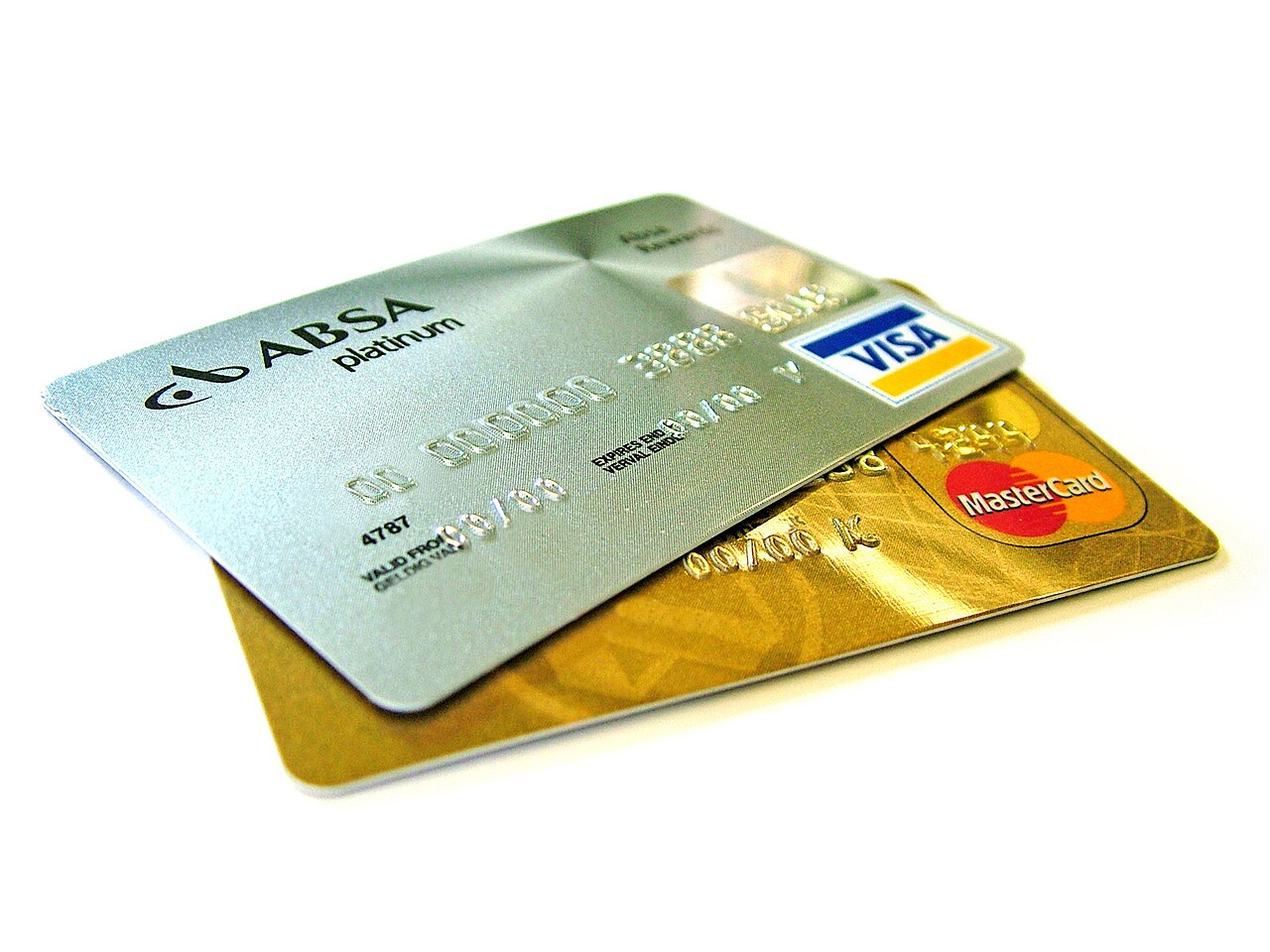
A debit card and a credit card look almost identical at the checkout. Both carry a 16-digit number, an expiry date, and a Visa or Mastercard logo. Both let you pay with a tap, a chip, or a swipe, without carrying cash.
The difference sits behind the card. A debit card draws on money you already hold in a linked checking account, according to Experian. A credit card lets you borrow from the issuer up to a set limit and pay the balance back later.
This article follows one daily purchase through each card, including where the money comes from, what happens when the bill arrives, how fraud rules differ, and which card fits which spending habit.
This article is for general information, not financial advice.
Where the money comes from
A debit card is a direct line to your bank balance. When you pay for groceries, the amount leaves your checking account, subject to your bank's processing rules. Your balance drops, and the purchase is done.
A credit card works in reverse. Each purchase adds to your balance and lowers your available credit, according to Experian.
Each payment raises your available credit again. You can keep using the card as long as you stay within your limit.
Think of a debit card as paying from a wallet you already filled. Think of a credit card as a tab the issuer keeps for you. The tab gets settled later, in one monthly payment or in parts.
That timing gap is the core difference. Debit spending is settled at once, while credit spending is settled on a delay. The delay feels convenient, but it is still a debt until you pay it.
What one purchase looks like on each card
Picture a 40-dollar grocery run. With a debit card, the 40 dollars leaves your checking account. Your balance falls by 40 dollars, and the story ends there.
With a credit card, the 40 dollars joins your card balance. Your available credit falls by 40 dollars, but your bank balance stays put for now. The 40 dollars becomes part of the statement you receive later.
Now picture the same purchase with an empty buffer. A debit card with too little in the account gets declined, or it triggers an overdraft fee under your bank's rules. A credit card with room left on the limit still approves the purchase, and the debt grows.
This is why the two cards feel different over a month. Debit spending tracks your bank balance in real time. Credit spending tracks a separate balance that only meets your bank account on payment day.
People who check their bank balance to judge spending often find debit easier to read. People who check a card statement to review spending often find credit easier to audit.
Neither view is wrong. They measure different pots of money.
What the bill looks like at month end
Debit cards have no monthly bill. The money already left your account, so there is nothing to repay. Fees can still apply, such as overdraft fees or account maintenance fees, according to Investopedia.
Credit cards send a statement. You can pay the full balance, pay the minimum, or pay something in between. If you do not pay the balance in full each month, the issuer charges interest on what is left, according to Experian.
That interest is the trap in daily credit use. A coffee that cost 5 dollars can cost more once interest piles on an unpaid balance. Paying in full each month keeps the convenience without the interest.
Credit cards can also carry annual fees and other charges. Debit cards do not charge interest, since you spend your own money, though overdraft fees may apply, according to Experian. Read the fee schedule for either card before you lean on it daily.
Rewards add another twist. Credit cards often offer points, miles, or cash back. Debit cards typically do not, although some banks offer small perks like cashback or round-ups to savings, according to Investopedia.
Rewards only pay when the balance is cleared in full, since interest quickly eats the perk.
How fraud rules differ
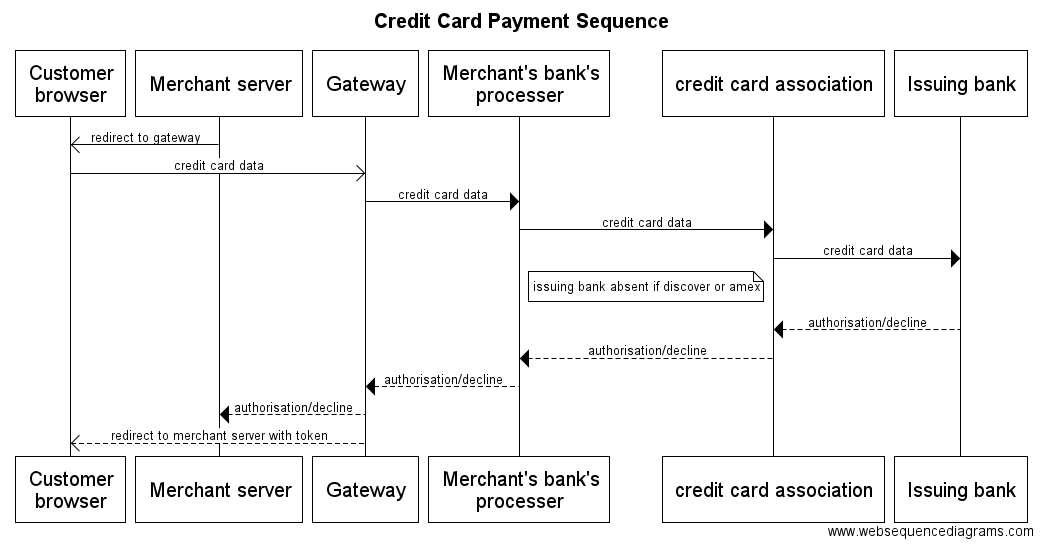
Fraud is where the two cards split hardest, and the law treats them differently. Debit card transactions fall under the Electronic Fund Transfer Act and Regulation E. Credit cards fall under the Truth in Lending Act and Regulation Z, according to reporting on CFPB guidance.
For a credit card, your liability for unauthorized use is generally capped at $50. In many cases, payment network rules provide zero liability, so you owe nothing for unauthorized use, according to the CFPB.
For a debit card, the cap depends on how fast you report. Report a lost or stolen card within two business days of learning of the loss, and liability for unauthorized transfers is capped at $50. Report within 60 days and the cap can rise to $500, according to CFPB commentary on Regulation E.
That timing matters because debit fraud pulls from your own money. While a dispute is investigated, your cash can sit missing from your account. Credit fraud pulls from the issuer's money, so your bank balance stays untouched during the dispute.
Investigations also carry deadlines. A bank generally must provide provisional credit if an error investigation lasts longer than a set time, usually 10 business days, according to reporting on CFPB rules. That provisional credit restores the disputed amount while the bank finishes its work.
The practical lesson is simple: check statements often, and report a lost card at once. Speed is the cheapest protection a debit user has.
What each card does to your credit history
Debit cards do not build credit. Using a debit card alone will not help you establish or build a credit history, according to Investopedia. The card never reports borrowing, because no borrowing happens.
Credit cards report activity to the credit bureaus, where it can help or hurt your score, according to Experian. Paying on time and keeping balances low builds a positive record. Missing payments or maxing out the card damages it.
That record matters later. A strong credit history helps with renting, borrowing, and sometimes even job checks. A thin history can mean higher deposits or rejected applications.
A credit card is a tool for building that history, not a shortcut. Small, regular purchases paid in full each month build a record without building debt. Large balances carried month to month build interest instead.
Which card fits daily spending
Debit fits people who want a hard ceiling. You can only spend what you have, so overspending stops at the balance. Budgeting feels concrete because the account drops with each purchase.
Debit also fits people who dislike bills. There is no statement to settle and no interest to dodge. The trade is weaker fraud protection and no credit building.
Credit fits people who pay in full every month. They get fraud protection, a clean monthly statement, and a growing credit record. They also get rewards, if the card offers them and the balance is cleared.
Credit fits big or online purchases too. Dispute rights and zero-liability rules make a credit card the safer pick for travel bookings, electronics, and unfamiliar sellers. Debit still works, but the risk sits closer to your own cash.
A common middle path splits the job. Use debit for small daily spending where you want a hard ceiling.
Use credit for online orders, travel, and larger purchases where protection matters more. Pay the credit balance in full each month.
Whichever path you pick, set two habits. Check transactions weekly, so fraud or mistakes surface early.
Keep an emergency buffer in the account behind your debit card, so one surprise bill does not strand you. An emergency fund turns a bad week into a manageable one.
Does using a debit card affect my credit score?
Typically no. Debit use does not involve borrowing, so it does not build a credit record. Credit scores move on credit card use and loan repayment history.
Can a debit card be declined when I have money?
Yes, sometimes. Daily limits, holds from fuel stations or hotels, and bank processing rules can block a purchase even with funds in the account. A second payment method avoids a stuck checkout.
Is a credit card safer than a debit card for fraud?
Generally yes. Credit liability is capped at $50, and many issuers offer zero liability. Debit liability can reach $500 if reporting is slow, and disputed cash leaves your account during the wait.
Should I use a credit card for everything to earn rewards?
Only if you pay the full balance every month. Rewards lose to interest the moment a balance carries over. If full payment is not certain, debit keeps spending inside what you hold.
The bottom line
Debit spends money you already hold, and credit borrows money you repay later. That one split drives the bills, the fraud rules, and the credit history each card builds. Pick the card whose money flow matches your habits, report fraud fast, and pay any credit balance in full so convenience never turns into interest.
Tags: debit card, credit card, daily spending, banking
Latest in Finance
- How much should an emergency fund cover?
- How a credit score gets calculated
- How compound interest works, with a simple example
- How to build a budget that sticks on irregular income
Subscribe for one useful explainer each week, written in plain English.
Related stories

How your APR is divided by 365 to get daily interest
Lenders divide your APR by 365 for a daily rate, then apply it to your average daily balance. This guide walks through every step

What is the difference between APR and effective annual rate?
APR ignores compounding inside the year; the effective annual rate includes it. A 12.99% APR card really costs 13.80% a year. Worked

APY vs interest rate: what compounding does to your money
APY includes compounding; the interest rate does not. A 5% rate compounded monthly is really 5.12% APY. Here is how the math works and what